
Uncategorized
How to Clean Air Filters for Healthier Home Air
Apr
TL;DR:
- Regularly inspecting and replacing or cleaning air filters improves indoor air quality and reduces allergy symptoms.
- Different filter types require specific maintenance; washable filters should be cleaned, while disposable filters must be replaced.
- Routine filter care saves money, promotes health, and prevents system issues by maintaining optimal airflow and filtration.
You notice more dust on your shelves. Allergy symptoms flare up without explanation. Your HVAC system seems to be working harder than usual. These are classic signs that your air filters need attention, and most homeowners overlook them until the problem becomes obvious. Filters need regular maintenance or replacement to keep indoor air quality at a safe level. This guide walks you through every step, from identifying your filter type to cleaning, replacing, and troubleshooting, so you can breathe easier starting today.
Table of Contents
- Understanding different types of air filters
- Gather what you’ll need: Tools and safety basics
- How to clean and maintain different air filter types
- Troubleshooting and common mistakes to avoid
- Why routine filter care pays off: the underappreciated impact
- Take air quality to the next level with advanced solutions
- Frequently asked questions
Key Takeaways
| Point | Details |
|---|---|
| Know your filter type | Proper cleaning or replacement depends entirely on the filter’s design and material. |
| Prep and safety first | Gather tools and turn off units before starting to avoid damage or health risks. |
| Follow the right steps | Use only approved methods for each filter to ensure efficiency and air quality. |
| Avoid common pitfalls | Never wash disposable filters and replace them more often during smoky or dusty conditions. |
| Routine pays off | Regular care boosts filter performance, extends appliance life, and protects your health. |
Understanding different types of air filters
Before you grab a vacuum or a bucket of water, you need to know exactly what type of filter you’re dealing with. Not all filters are built the same, and using the wrong cleaning method can do more harm than good. Understanding the air filtration process in your home helps you make smarter maintenance decisions.
Here’s a quick comparison of the most common filter types:
| Filter type | Common use | Clean or replace? |
|---|---|---|
| Disposable pleated | HVAC, furnaces | Replace only |
| Washable/reusable | HVAC, some air purifiers | Clean and reuse |
| HEPA | Air purifiers, vacuums | Replace (vacuum lightly) |
| Activated carbon | Air purifiers | Replace only |
| Pre-filter | Air purifiers (first stage) | Wash monthly |
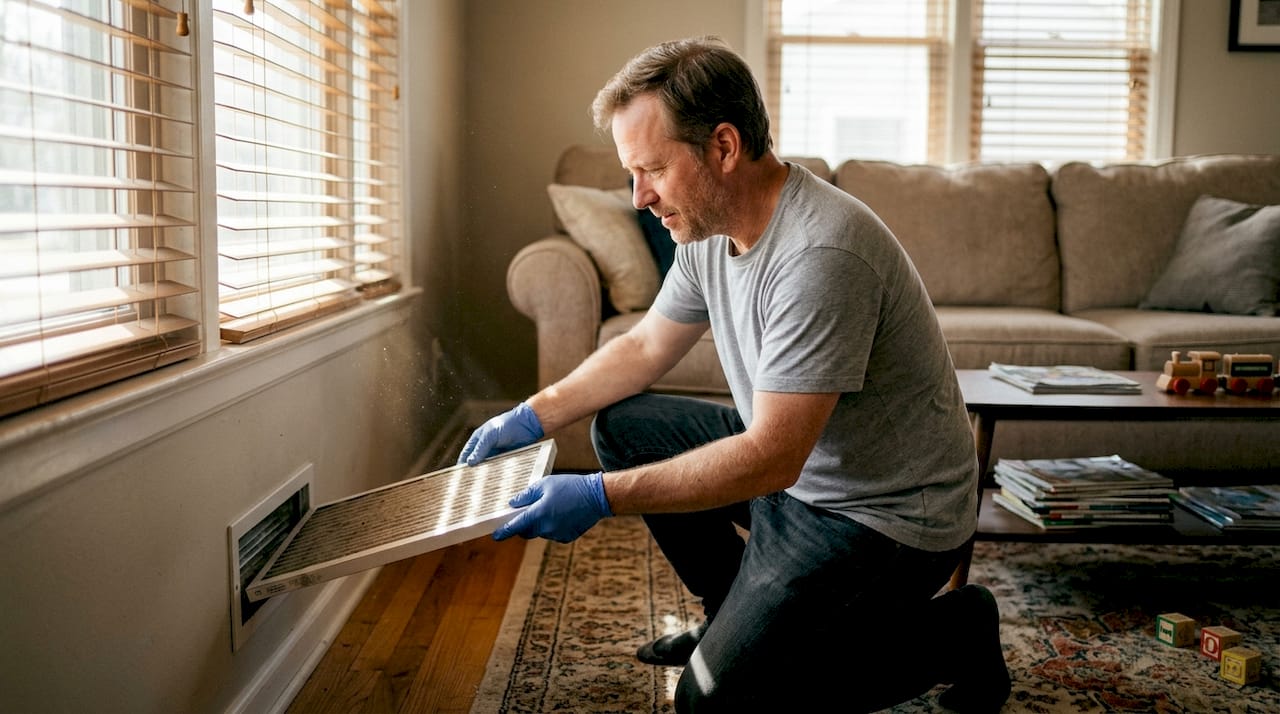
Most home HVAC furnace filters are disposable pleated filters that should be replaced, not cleaned. Washing them with water breaks down the filter media and creates a breeding ground for mold.
When you inspect any filter, look for these warning signs:
- Gray or black discoloration across the filter surface
- Visible debris buildup that blocks light when held up
- Bent or collapsed pleats on HVAC filters
- Musty or stale odor coming from the filter itself
- Reduced airflow from vents or purifier outlets
Important: Disposable paper and pleated filters must always be replaced, never washed. Water destroys the fiber structure and makes them far less effective at trapping particles.
The importance of clean air filters extends beyond your home. Schools and commercial buildings face the same risks when filters are neglected, and the consequences for vulnerable people like children and elderly residents are significant. Following the right filter maintenance steps for your specific filter type is the single most important thing you can do for your indoor air.
Gather what you’ll need: Tools and safety basics
Good preparation prevents the most common cleaning mistakes. Rushing in without the right tools or safety measures can spread dust and allergens through your home instead of removing them.
Here’s everything you need before you start:
| Tool or material | Purpose |
|---|---|
| Disposable gloves | Protect hands from dust and allergens |
| Dust mask or N95 respirator | Prevent inhaling fine particles |
| Vacuum with brush attachment | Remove loose debris from reusable filters |
| Soft brush or microfiber cloth | Wipe down filter housing |
| Mild dish soap and warm water | Clean washable filters |
| Flathead or Phillips screwdriver | Open filter access panels |
| Replacement filters (correct size) | Swap out disposable types |
| Plastic bag or trash bag | Seal and dispose of old filters |
Safety comes first. Always turn off your HVAC system or air purifier before opening any filter compartment. This stops the unit from pulling in unfiltered air and prevents the fan from blowing debris into your face. If you’re sensitive to dust or have asthma, wear your mask before you even open the panel.
A few things to keep in mind once you start:
- Never soak HEPA or carbon filters in water, even if they look dirty
- Check the filter fit after reinstalling to make sure there are no gaps around the edges
- Seal used disposable filters in a plastic bag before throwing them away
- Inspect the filter housing for dust buildup and wipe it clean before inserting a new filter
Do not clean disposable pleated filters with water. Moisture causes mold growth inside the filter and reduces its ability to trap particles, turning a maintenance task into a health hazard.
Pro Tip: Keep at least two spare filters on hand for every unit in your home. When it’s time to replace, you won’t have to delay because you’re waiting on a delivery.
Refer to your air purification checklist to make sure you haven’t missed any steps before starting the actual cleaning process.
How to clean and maintain different air filter types
Now that your tools are ready, here’s how to handle each filter type correctly.
Washable or reusable filters (HVAC)
- Turn off the HVAC system completely.
- Remove the filter and take it outside or to a utility sink.
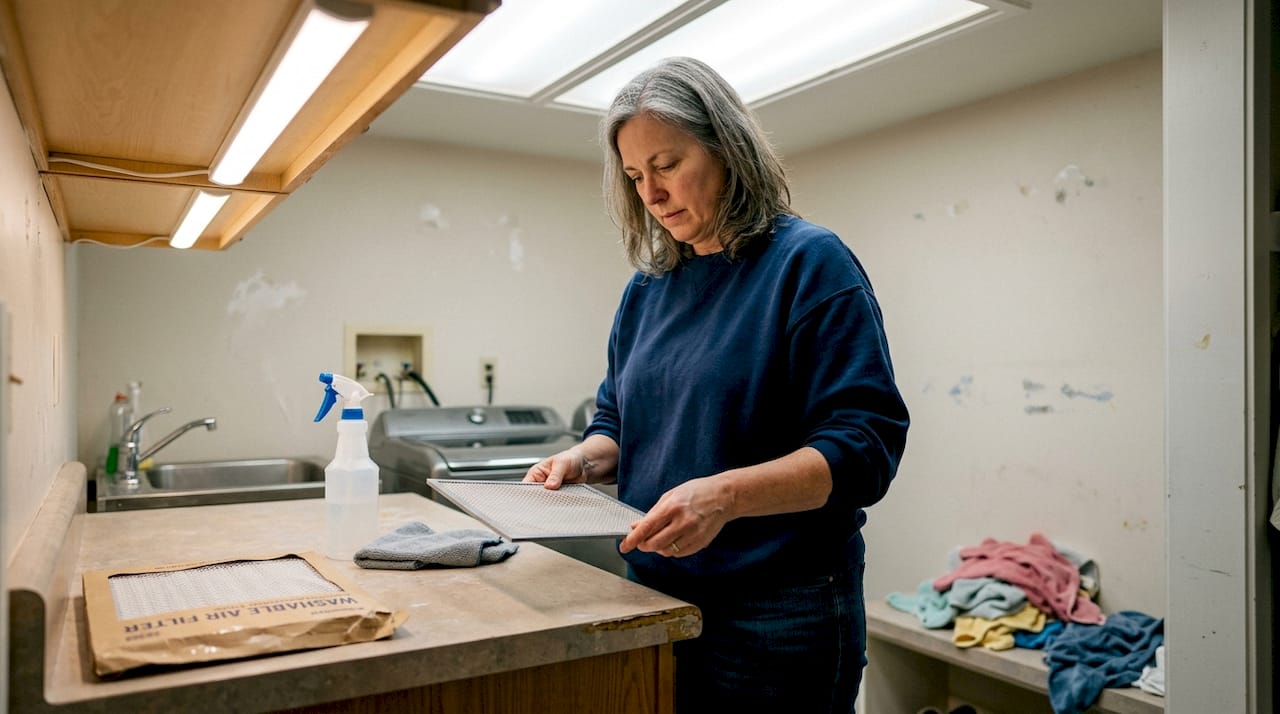
- Vacuum both sides with a brush attachment to remove loose debris.
- Rinse with cool water from the clean side outward to push dirt out.
- Let it air dry completely (at least 24 hours) before reinstalling.
- Never reinstall a damp filter.
Pre-filters (air purifiers)
- Remove the pre-filter from the unit.
- Shake off loose dust outside or over a trash bin.
- Rinse under running water and gently scrub with a soft brush.
- Air dry fully before placing it back in the unit.
Portable air purifier pre-filters are often washable, but HEPA and carbon filters must typically be replaced when they reach the end of their service life.
HEPA filters
- Remove carefully to avoid shaking loose trapped particles.
- Use a vacuum with a soft brush attachment on the lowest setting.
- Vacuum in one direction only, never scrub or tap the filter.
- Check the manufacturer’s guide before doing anything else.
- If the filter is gray, compressed, or damaged, replace it.
Pro Tip: Vacuum HEPA filters outdoors when possible. Doing it inside can release fine particles back into your living space.
Carbon filters
Carbon filters cannot be cleaned at all. Once saturated, they must be replaced. There is no way to restore their odor and chemical absorption ability.
HVAC disposable filters
Simply remove, seal in a bag, and replace with a new one of the same MERV rating. Higher MERV 13+ filters capture more fine particles like PM2.5, but they can restrict airflow if your system isn’t designed for them. Check your HVAC manual before upgrading.
Regular maintenance pays off. Clean systems can boost energy efficiency by 5 to 15 percent, and most filters should be checked every one to three months. Follow the full air purifier cleaning process for your specific model and review air purifier maintenance tips to stay on schedule.
Troubleshooting and common mistakes to avoid
Even careful homeowners run into problems. Here’s how to spot them and fix them fast.
Common issues and solutions:
- Poor airflow from vents or purifier: Check for a clogged filter first. If the filter looks clean, inspect the housing for debris or a misaligned fit.
- Persistent odors after filter change: The carbon filter may be saturated. Replace it and check for mold in the filter housing.
- Unusual noise from the unit: A rattling sound often means the filter isn’t seated correctly. Remove and reinstall it firmly.
- Filter fits loosely: Using the wrong size allows unfiltered air to bypass the filter entirely. Always match the exact dimensions.
- Allergy symptoms continue after cleaning: You may have reinstalled a damp filter or used the wrong cleaning method for that filter type.
The most common mistakes homeowners make:
- Washing disposable pleated filters with water
- Reinstalling filters before they are completely dry
- Skipping the pre-filter and letting the HEPA filter clog faster
- Ignoring the pre-filter benefits that extend the life of more expensive filters
- Going too long between replacements because the filter “looks fine”
Remember: A filter that looks okay on the outside can still be completely saturated with microscopic particles. Visual inspection alone is not enough.
During wildfires or heavy smoke events, replace filters more frequently even if the filter is technically reusable. Smoke particles are extremely fine and clog filters much faster than everyday household dust.
Adjust your cleaning frequency based on your household. Pets, smokers, and allergy sufferers all create conditions that demand more frequent filter changes. For broader guidance on improving indoor air quality, the EPA provides solid, research-backed recommendations.
Why routine filter care pays off: the underappreciated impact
Most people think about air filters only when something goes wrong. That’s understandable, but it’s also the most expensive way to manage your home’s air quality. Waiting for symptoms, higher energy bills, or a broken unit means you’ve already paid the price.
What we’ve seen consistently is that homeowners who build a simple monthly habit around filter checks spend far less over time, not just on filters, but on medical costs, HVAC repairs, and energy bills. A clean filter is one of the highest-return maintenance tasks you can do for your home.
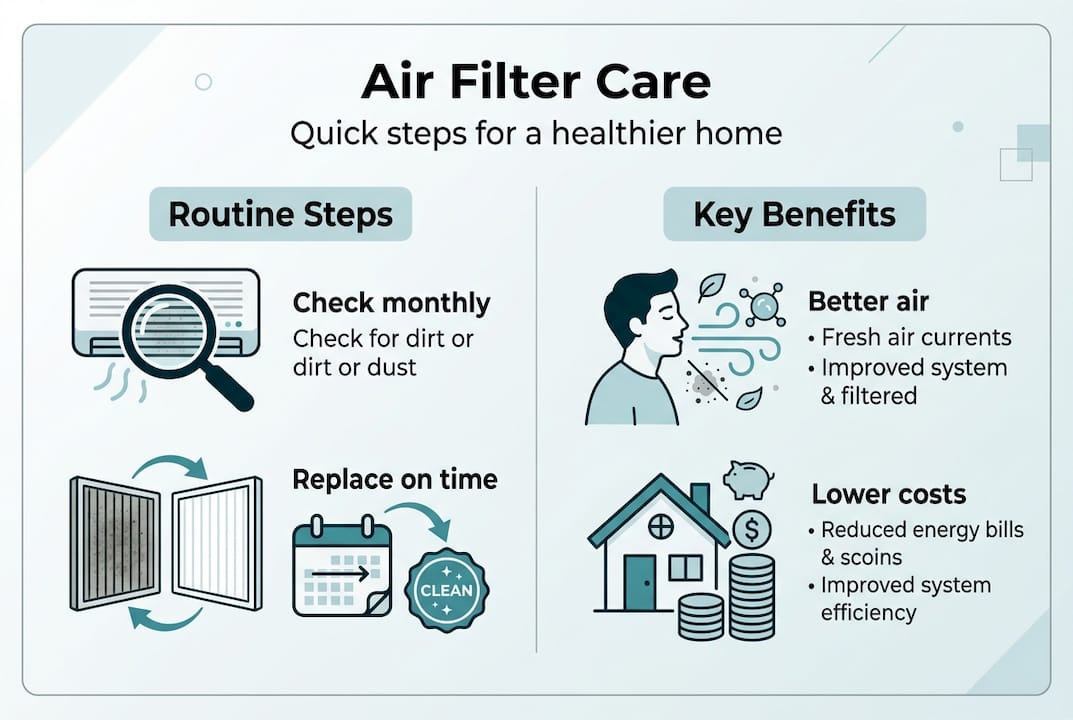
There’s also a health angle that most people underestimate. Fine particles and allergens don’t just cause sneezing. Over time, chronic exposure contributes to respiratory issues that are hard to trace back to a dirty filter. The home air quality checklist we recommend includes filter checks as a non-negotiable monthly task, not an afterthought.
The habit itself is simple. Set a reminder on your phone. Keep spare filters in a drawer. Check the pre-filter when you clean your home. These small actions compound into genuinely better health outcomes over months and years.
Take air quality to the next level with advanced solutions
Filter maintenance is the foundation, but the right equipment makes everything easier and more effective. If your current air purifier requires constant attention or still leaves your home feeling stuffy, it may be time to upgrade.
Explore our guide to the best air purifiers 2026 to find models with smart filter indicators, multi-stage filtration, and longer service intervals. If you’re still deciding which unit fits your home, the air purifier selection guide breaks down every key factor. And since clean air and clean water go hand in hand, don’t overlook the water purification process for a complete home wellness approach.
Frequently asked questions
How often should I clean or replace my home air filters?
Replace disposable HVAC filters every 30 to 90 days and clean washable pre-filters monthly. Homes with pets or allergy sufferers should lean toward the shorter end of that range.
Can I wash and reuse HEPA or carbon air filters?
HEPA and carbon filters should not be washed with water. Most must be replaced according to the manufacturer’s schedule, typically every 6 to 12 months.
Is it safe to clean disposable furnace or HVAC filters?
No. Washing disposable filters can cause mold growth and significantly reduces their effectiveness. Always replace them with a new filter of the same size and rating.
Do dirty air filters really affect health?
Yes. Clogged filters allow allergens and fine particles to recirculate through your home, which can worsen asthma, allergies, and other respiratory conditions over time.
What should I do in wildfire or high-smoke events?
Replace air filters more often during wildfires or heavy smoke conditions, even for reusable models, since smoke particles clog filters far faster than typical household dust.
Recommended
- How to Select Air Purifier for Healthy Home Air Quality – Coway Water Purifier
- Air purification checklist: 6 steps for healthier home air – Coway Water Purifier
- 7 Must-Have Air Purifier Features for Healthier Homes – Coway Water Purifier
- Indoor Air Optimization Process for Healthier Homes – Coway Water Purifier
- Showering and Filtration: How Filtering Your Shower Water Can Impact I
