
Uncategorized
Home air quality checklist for a healthier 2026
Mar
Choosing effective air quality solutions feels overwhelming when you’re faced with conflicting technical information and countless product options. Indoor air can be significantly more polluted than outdoor air, directly impacting your family’s health and comfort. This comprehensive checklist cuts through the confusion, guiding you step by step to identify pollutants, evaluate solutions, and create a healthier home environment tailored to your specific needs.
Table of Contents
- Understanding Indoor Air Quality Risks
- Selection Criteria For Assessing Home Air Quality Solutions
- Air Purification Technologies In Home Use
- Selecting Air Quality Solutions For Your Home
- Tailoring Solutions For Specific Household Needs
- Maintenance And Upkeep For Air Quality Devices
- Health Benefits Of Good Indoor Air Quality
- Situational Recommendations: Choosing Your Next Steps
- Elevate Your Home’s Air Quality With Coway Solutions
- Frequently Asked Questions
Key takeaways
| Point | Details |
|---|---|
| Indoor pollutants harm health | Particulate matter, VOCs, allergens, and mold degrade air quality and trigger respiratory issues. |
| Effective filtration is critical | HEPA and activated carbon filters remove different pollutant types for comprehensive protection. |
| Proper maintenance maximizes benefits | Regular filter replacement and device cleaning sustain air quality improvements. |
| Tailored solutions work best | Match purifier features to household factors like pets, children, and urban location. |
| Health gains are substantial | Improved air quality reduces allergy symptoms up to 50% and enhances overall wellbeing. |
Understanding indoor air quality risks
With key takeaways outlined, we start by understanding the major indoor air quality risks to home health. Research shows indoor air pollution levels can be 2-5 times higher than outdoor air, creating serious health concerns right where families spend most of their time.
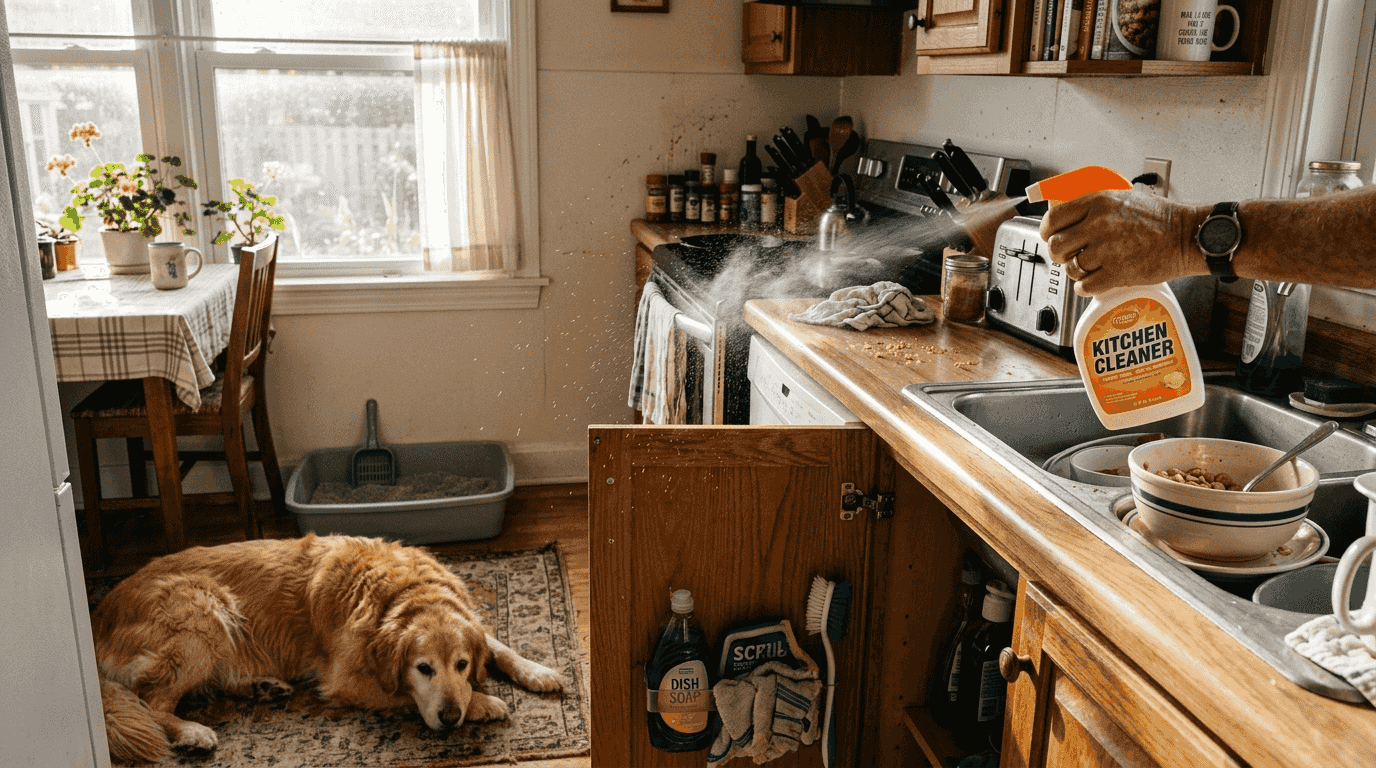
Common indoor pollutants include several harmful categories. Particulate matter (PM2.5) consists of tiny particles from cooking, dust, and combustion that penetrate deep into lungs. Volatile organic compounds (VOCs) off-gas from paints, cleaners, furniture, and building materials. Biological allergens like pet dander, dust mites, and pollen accumulate in carpets and upholstery. Mold spores thrive in damp areas, releasing irritants and potential toxins.
These pollutants trigger specific health impacts:
- Worsened asthma symptoms and increased attack frequency in sensitive individuals
- Allergic reactions including sneezing, congestion, and itchy eyes
- Respiratory infections, particularly in children and elderly family members
- Headaches, fatigue, and reduced cognitive performance from prolonged VOC exposure
- Long-term cardiovascular strain from persistent particulate exposure
Pollutant sources hide throughout typical homes. Household chemicals release VOCs during and after use. Pets continuously shed dander and track outdoor allergens inside. Poor ventilation traps pollutants and raises humidity, encouraging mold growth. Even new furniture and carpeting emit chemicals for months. Understanding these risks helps you assess indoor air quality effectively and choose solutions that address your specific pollutant profile. Learn more about indoor pollutants and air purifiers to deepen your knowledge.
Selection criteria for assessing home air quality solutions
After understanding pollutants, we explain how to evaluate air quality solutions based on key selection criteria for best effectiveness. Choosing the right purification system requires balancing multiple factors that directly impact performance and value.
Filtration efficiency stands as the top priority. HEPA and activated carbon effectiveness determines how well devices remove different pollutant types. HEPA filters excel at capturing particulates, while activated carbon absorbs gases and odors. Combination units provide comprehensive coverage but cost more upfront.
Household characteristics shape your ideal solution:
- Presence of pets demands higher allergen filtration capacity
- Children and elderly members need cleaner air due to respiratory sensitivity
- Home size determines required coverage area and purifier capacity
- Existing ventilation quality affects how aggressively you need mechanical purification
- Urban versus rural location influences outdoor pollutant infiltration levels
Cost considerations extend beyond purchase price. Filter replacements represent ongoing expenses that vary widely between models. Energy consumption adds to operating costs, especially for units running continuously. Professional maintenance services may be necessary for complex systems. Budget the total cost of ownership over several years, not just the initial investment.
Smart monitoring features enable proactive air quality control. Real-time sensors detect pollutant spikes and adjust purification automatically. Mobile apps provide data tracking and maintenance reminders. Air quality indicators offer visual feedback without requiring technical knowledge. These features justify premium prices for health-conscious families who value convenience and precision.
Pro Tip: Calculate annual filter replacement costs before purchasing. A cheaper purifier with expensive proprietary filters may cost more long-term than a pricier unit with affordable standard filters. Check the air purifier technologies guide for detailed technology comparisons.
Air purification technologies in home use
Building on selection criteria, this section details the air purification technologies that meet those criteria and their performance differences. Understanding how different filter types work helps you match solutions to specific pollutants in your home.
HEPA filters represent the gold standard for particulate removal. These dense fiber matrices capture 99.97% of particles 0.3 microns and larger through mechanical filtration. They trap dust, pollen, pet dander, mold spores, and even some bacteria. HEPA filtration requires no chemicals and produces no byproducts, making it safe for continuous use around children and pets.
Activated carbon filters tackle a different pollutant category. Porous carbon absorbs gases, VOCs, and odors through chemical adsorption. Quality carbon filters remove up to 90% of volatile organic compounds and neutralize cooking smells, pet odors, and chemical fumes. However, they become saturated faster than HEPA filters and require more frequent replacement in high-pollution environments.
Combination units integrate multiple filtration stages:
- Pre-filters capture large particles, extending HEPA filter life
- HEPA layers remove fine particulates
- Activated carbon stages absorb gases and odors
- Optional UV lights or ionizers provide additional purification (though ionizers produce trace ozone)
| Filter Type | Best For | Efficiency | Maintenance Frequency |
|---|---|---|---|
| HEPA | Allergens, dust, particles | 99.97% at 0.3 microns | 6-12 months |
| Activated Carbon | VOCs, odors, gases | Up to 90% VOC removal | 3-6 months |
| Combination HEPA/Carbon | Comprehensive pollutant removal | Varies by stage | 6-12 months |
| Pre-filter | Large debris, extends main filter life | 60-80% large particles | Monthly cleaning |
Performance varies significantly by manufacturer quality and design. Cheap HEPA-type filters lack true HEPA certification and may only capture 85-90% of particles. Carbon filter thickness and activation quality determine VOC removal capacity. Airflow design affects how much air actually passes through filters versus bypassing them.
Pro Tip: Verify true HEPA certification rather than accepting marketing terms like “HEPA-type” or “HEPA-like.” Only certified HEPA filters guarantee 99.97% efficiency. Explore types of home air purifiers explained for comprehensive technology breakdowns.
Selecting air quality solutions for your home
After understanding filtration technology, readers get practical help comparing purifier options and selecting one that fits their home’s needs and budget. Making the right choice requires balancing performance specifications against practical constraints.
Mid-range purifiers cost $200-$500 and typically include HEPA and carbon filtration suitable for most households. These units cover 300-500 square feet and offer manual or automatic operation modes. High-end models exceeding $800 add smart sensors, app connectivity, larger coverage areas, and premium build quality. Budget options under $200 often sacrifice filtration efficiency or coverage area but may suffice for single rooms.
Combination HEPA and carbon purifiers deliver the most comprehensive pollutant removal. They address both particulate and gaseous pollutants in a single device, simplifying your air quality strategy. Single-technology units work best when you’ve identified one dominant pollutant type through testing.
Maintenance costs significantly impact total ownership expenses:
- Replacement filter sets range from $30 to $150 depending on brand
- Premium models may require proprietary filters only available from manufacturers
- Generic filter compatibility reduces long-term costs but may void warranties
- Energy consumption varies from 30 to 200 watts, affecting monthly utility bills
| Purifier Category | Price Range | Best Application | Annual Filter Cost |
|---|---|---|---|
| Budget Single-Room | $100-$200 | Bedrooms, offices | $40-$80 |
| Mid-Range Combo | $200-$500 | Living areas, multi-room | $80-$150 |
| Premium Smart | $500-$1000+ | Whole home, severe allergies | $150-$300 |
| Specialty Medical-Grade | $800-$2000 | Asthma, immune conditions | $200-$400 |
Match purifier capacity to room size accurately. Undersized units run constantly without achieving target air quality. Oversized purifiers waste energy and money. Check the Clean Air Delivery Rate (CADR) rating, which indicates how quickly a purifier cleans air in a specific room size. Aim for a CADR matching or exceeding your room’s square footage.
Consider noise levels if placing purifiers in bedrooms or quiet spaces. Decibel ratings range from whisper-quiet 20 dB on low settings to noticeable 60 dB on high. Variable speed controls let you balance purification intensity against acceptable noise. Review the air purifier technologies guide and essential air purifier types for detailed specifications. For current market options, consult this home air purifiers price guide.
Tailoring solutions for specific household needs
With general selection guidelines covered, we now explore how to customize air quality strategies for different household scenarios. Your unique situation determines which features and capabilities matter most.
Pet households face elevated allergen challenges. Furry companions raise indoor allergen levels 2 to 5 times compared to pet-free homes. High-grade HEPA filters combined with substantial activated carbon capacity handle both dander particles and pet odors. Run purifiers continuously in main living areas and consider dedicated bedroom units for allergy sufferers. Vacuum frequently with HEPA-equipped vacuums to reduce settled allergens that purifiers can’t capture.
Urban homes battle outdoor pollution infiltration alongside indoor sources. Vehicle exhaust, industrial emissions, and particulate matter seep through windows and ventilation systems. Activated carbon filters plus enhanced mechanical ventilation create positive pressure, reducing outdoor pollutant entry. Position purifiers near windows and exterior doors where infiltration occurs most. Combine purification with strategic window opening during low-pollution hours to refresh indoor air.
Humidity control works synergistically with purification. Maintaining indoor humidity between 30% and 50% prevents mold growth and reduces dust mite populations. Dehumidifiers complement purifiers in damp climates or basements. Humidifiers help in dry winter conditions but require careful maintenance to avoid becoming microbial breeding grounds. Monitor humidity with simple hygrometers and adjust seasonally.
Specific health conditions demand tailored approaches:
- Asthma sufferers benefit most from HEPA filtration targeting triggers like dust mites and pollen
- Chemical sensitivities require maximum VOC removal through premium carbon filtration
- Immune-compromised individuals may need medical-grade filtration with UV sanitization
- Allergy sufferers should prioritize high CADR ratings for rapid allergen removal
Pro Tip: Layer multiple air quality strategies for maximum effect. Purification works best alongside source control (reducing pollutant generation), ventilation (diluting indoor air with outdoor air during favorable conditions), and humidity management. No single device solves all air quality challenges. Learn to reduce common indoor pollutants through the complete indoor air optimization process.
Maintenance and upkeep for air quality devices
After choosing a purifier, maintaining it properly ensures continued effectiveness and healthy air quality. Neglected devices lose efficiency and may even worsen indoor air by becoming pollutant sources themselves.
Filter replacement schedules vary by model and usage intensity. Most manufacturers recommend changing HEPA filters every 6 to 12 months. Activated carbon filters require replacement every 3 to 6 months in high-pollution environments or homes with pets. Pre-filters need monthly cleaning or replacement depending on design. Smart purifiers with filter life indicators remove guesswork, alerting you when replacement becomes necessary.
Proper maintenance procedures extend device lifespan:
- Power off and unplug the unit before any maintenance
- Remove and vacuum or wash pre-filters monthly using mild detergent
- Wipe exterior surfaces and air intake grills weekly to prevent dust buildup
- Inspect internal components quarterly for mold or debris accumulation
- Replace filters according to manufacturer timelines, not just when visibly dirty
- Check and clean sensors on smart models to maintain accuracy
Regular cleaning prevents secondary contamination. Purifier interiors can harbor mold, bacteria, and accumulated pollutants if not cleaned. Use damp cloths rather than chemical cleaners that introduce new VOCs. Dry all components thoroughly before reassembly to prevent moisture-related microbial growth. Pay special attention to water reservoirs in combination humidifier/purifier units.
Monitor device performance indicators between maintenance intervals. Reduced airflow suggests clogged filters needing early replacement. Unusual odors indicate microbial growth requiring immediate cleaning. Smart monitors reporting persistently poor air quality despite purifier operation may signal device malfunction or inadequate capacity. Track air quality trends over time to validate that your purification strategy delivers expected improvements.
Pro Tip: Set calendar reminders for maintenance tasks rather than relying on memory. Most people underestimate how quickly filters saturate and over-extend replacement intervals, compromising air quality. Document filter changes and device cleaning in a simple log to track actual versus recommended schedules. Follow the filter maintenance guide and air purifier cleaning process for detailed procedures.
Health benefits of good indoor air quality
Having covered practical maintenance, we emphasize the valuable health gains achieved through consistent air quality management. The effort you invest in purification and monitoring delivers measurable wellness improvements for your entire household.
Respiratory health improvements appear first and most dramatically. Studies document up to 50% reduction in asthma and allergy symptoms after implementing comprehensive air quality improvements. Cleaner air means fewer asthma attacks, reduced medication needs, and better breathing comfort. Children especially benefit, as their developing respiratory systems are particularly vulnerable to pollutant damage.
Infection risk decreases when airborne pathogen concentrations drop. HEPA filtration captures bacteria and some viruses, lowering transmission rates for respiratory illnesses. This protection proves especially valuable during cold and flu season or when family members have compromised immunity. Reduced infection frequency means fewer sick days, lower healthcare costs, and better quality of life.
Overall comfort and wellbeing improve in multiple ways:
- Better sleep quality from reduced nighttime allergen exposure and improved breathing
- Enhanced cognitive performance due to lower VOC levels affecting brain function
- Reduced eye, nose, and throat irritation from airborne particulates
- Fewer headaches and fatigue linked to poor air quality
- Greater peace of mind knowing your home environment supports health
Long-term health protection matters most for vulnerable populations. Elderly family members, young children, pregnant women, and anyone with chronic respiratory conditions gain disproportionate benefits from cleaner air. Reducing lifetime pollutant exposure may lower risks for serious conditions like chronic obstructive pulmonary disease, cardiovascular disease, and certain cancers, though more research continues in these areas.
Even healthy individuals notice quality of life improvements. Fresher-smelling indoor environments feel more pleasant and welcoming. Reduced dust accumulation means less cleaning. Pet owners enjoy companionship without constant allergy symptoms. These daily comforts compound over time, making air quality investment worthwhile beyond just health metrics. Explore the guide to indoor air quality improvement for comprehensive wellness strategies.
Situational recommendations: choosing your next steps
After reviewing health benefits, we conclude with actionable, situation-based guidance to help you decide your best air quality improvement path. Your specific circumstances determine which strategies deliver maximum value with minimum complexity.
Pet households should prioritize combination HEPA and activated carbon purifiers with high CADR ratings. Place primary units in rooms where pets spend most time and secondary units in bedrooms for nighttime relief. Supplement purification with frequent vacuuming using HEPA-equipped vacuums and regular pet grooming to reduce dander at the source. Budget $300 to $600 for quality pet-appropriate purifiers plus ongoing filter costs.
Urban homes benefit most from multi-layered approaches. Combine mechanical air filtration with strategic ventilation during low-pollution periods (typically early morning). Add weather stripping to reduce outdoor pollutant infiltration through gaps. Consider whole-home HVAC filtration upgrades if you have central air systems. Window-mounted or portable purifiers work for apartments and rentals where HVAC modifications aren’t possible.
Budget-conscious families should start with foundational improvements:
- Enhance natural ventilation by opening windows during favorable conditions
- Control humidity with affordable dehumidifiers or humidifiers as needed
- Implement source reduction by choosing low-VOC products and minimizing chemical use
- Add single-room purifiers to bedrooms or high-use areas before whole-home systems
- Gradually upgrade to comprehensive solutions as budget allows
Smart monitoring technology suits tech-comfortable users who value data-driven decisions. Real-time air quality feedback enables responsive adjustments to ventilation, purification, and activity patterns. Mobile apps track trends and correlate air quality with health symptoms, helping identify specific triggers. However, basic purifiers without smart features still deliver excellent results for those preferring simplicity. Follow the indoor air optimization process for systematic improvement regardless of your starting point.
Elevate your home’s air quality with Coway solutions
Having guided you through choosing and maintaining air quality solutions, here’s how Coway products can simplify creating the healthiest home environment. Coway specializes in advanced air purifiers combining HEPA and activated carbon filtration with smart monitoring features tailored to diverse household needs.
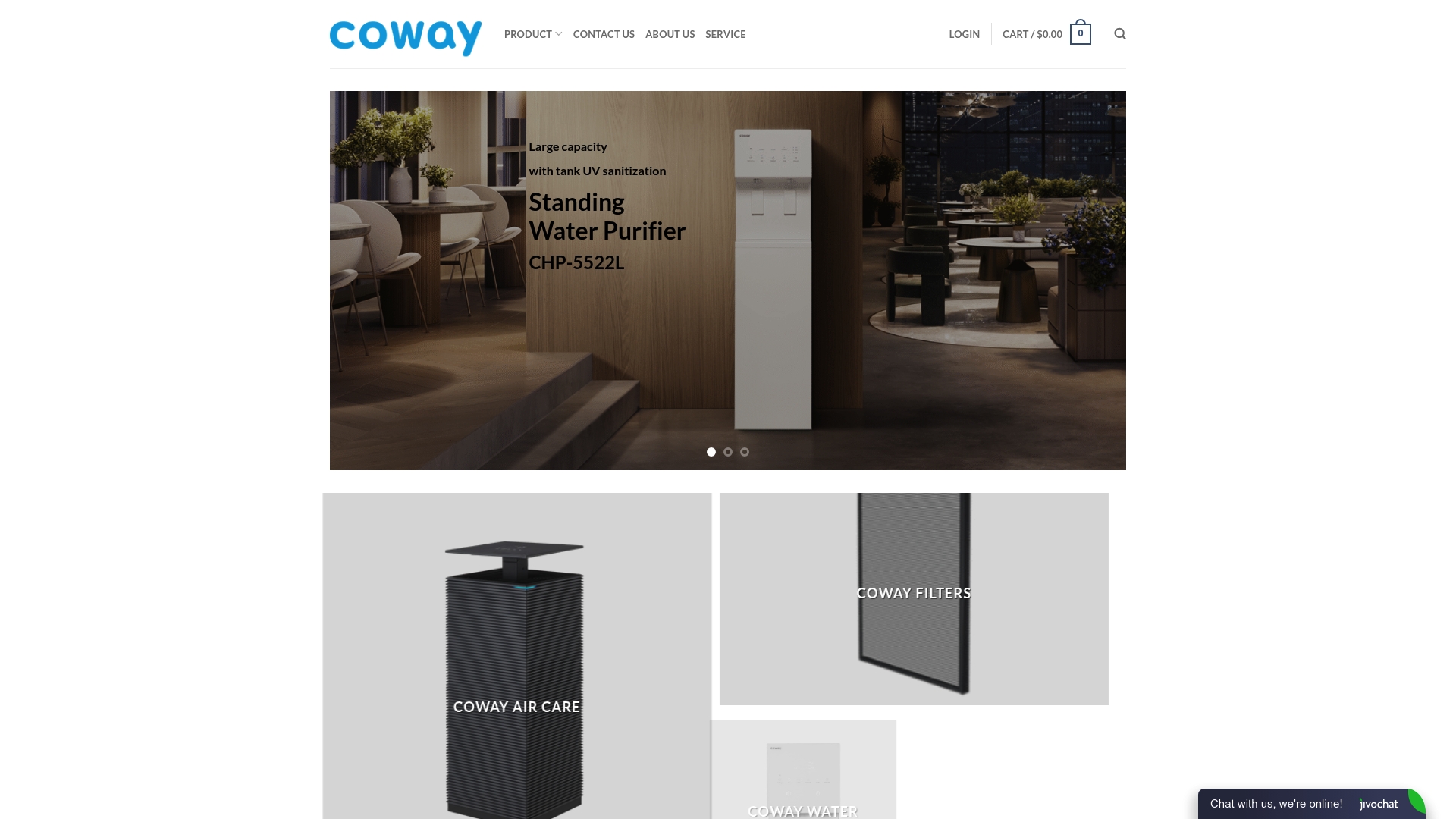
Our 2026 product line addresses every scenario covered in this checklist, from pet-friendly models to urban pollution fighters. Smart sensors automatically adjust purification intensity based on real-time air quality, while mobile apps provide monitoring and maintenance alerts. Professional installation and ongoing service support ensure your investment delivers maximum health benefits with minimum hassle. Explore the air purifier selection guide 2026 to match your specific needs with our specialized solutions, or browse Coway air care products to compare models and features.
Frequently asked questions
What are the most common indoor air pollutants in homes?
Common indoor pollutants include particulate matter (PM2.5) from cooking and dust, volatile organic compounds from household products and furniture, allergens like pet dander and pollen, and mold spores in damp areas. These substances originate from everyday activities, poor ventilation, and household items that continuously release irritants into your living space.
How can I effectively monitor my home’s air quality?
DIY test kits provide basic detection of PM2.5 and VOCs but offer limited accuracy and require manual testing. Professional-grade monitors and smart air quality sensors deliver real-time, reliable data with continuous tracking and mobile app integration. These devices give actionable feedback, alerting you to pollution spikes and helping optimize your purification strategy. Learn more about how to assess indoor air quality using various monitoring approaches.
Which air purifier type suits homes with pets?
Combination HEPA and activated carbon air purifiers work best for pet households because they effectively tackle both allergens and odors. Pets raise indoor allergen levels significantly, requiring higher-grade filtration capacity than standard models provide. Look for purifiers with high CADR ratings and robust carbon layers to handle the unique challenges of pet ownership. Consult our guide on how to select air purifier healthy home for pet-specific recommendations.
How often should I replace air purifier filters?
Replace HEPA filters every 6 to 12 months and activated carbon filters every 3 to 6 months, following your specific manufacturer’s recommendations. Usage intensity, household pollutant levels, and filter quality affect optimal replacement timing. Timely filter changes ensure peak purifier performance and sustained air quality benefits, while delayed replacement allows efficiency to drop significantly. Check the filter maintenance guide for detailed replacement procedures and schedules.
Recommended
- Indoor Air Optimization Process for Healthier Homes – Coway Water Purifier
- 8 Indoor Air Quality Tips for a Healthier Home – Coway Water Purifier
- Air purifier selection guide for healthier home in 2026 – Coway Water Purifier
- Step-by-Step Guide to Indoor Air Quality Improvement – Coway Water Purifier
- Friendly Home Care | Compassionate Home Health Care Services
- Maîtriser la santé au travail en PME : guide 2026
