
Uncategorized
The Importance of Water Taste for Health and Hydration

Jun
TL;DR:
- Water taste depends on mineral content, pH, and temperature, which influence hydration and health. Changes in flavor can signal water quality issues, but often require testing to confirm safety. Selecting proper filtration and monitoring taste helps maintain hydration, nutrition, and water safety at home.
Water taste is defined by its mineral composition, pH level, and temperature, and it directly shapes how much water you drink and how well your body stays hydrated. Most people assume water is neutral, but every glass carries a distinct sensory profile that your brain evaluates before you even swallow. The importance of water taste goes beyond preference. It connects to hydration behavior, mineral intake, and early detection of water quality problems. Understanding what drives water flavor, and what changes in that flavor signal, gives you real control over your health at home.
What factors determine the taste of water?
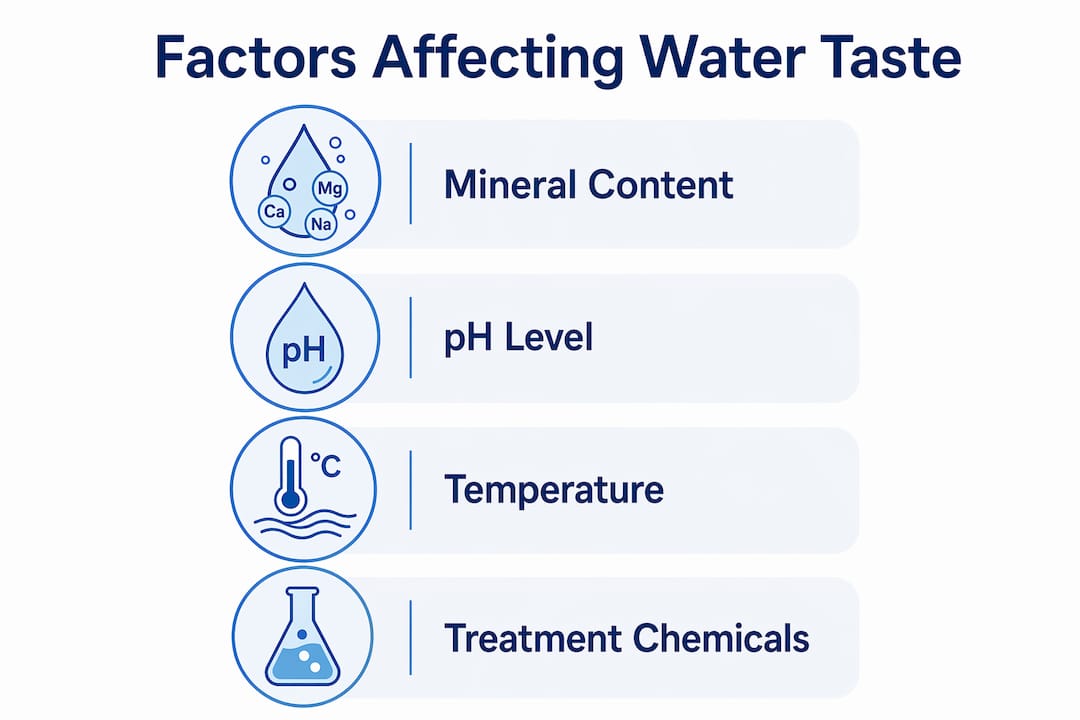
Water flavor is a product of chemistry, not imagination. The minerals dissolved in your water, its acidity, its temperature, and any treatment chemicals all combine to create what your taste buds register as “good” or “off.”
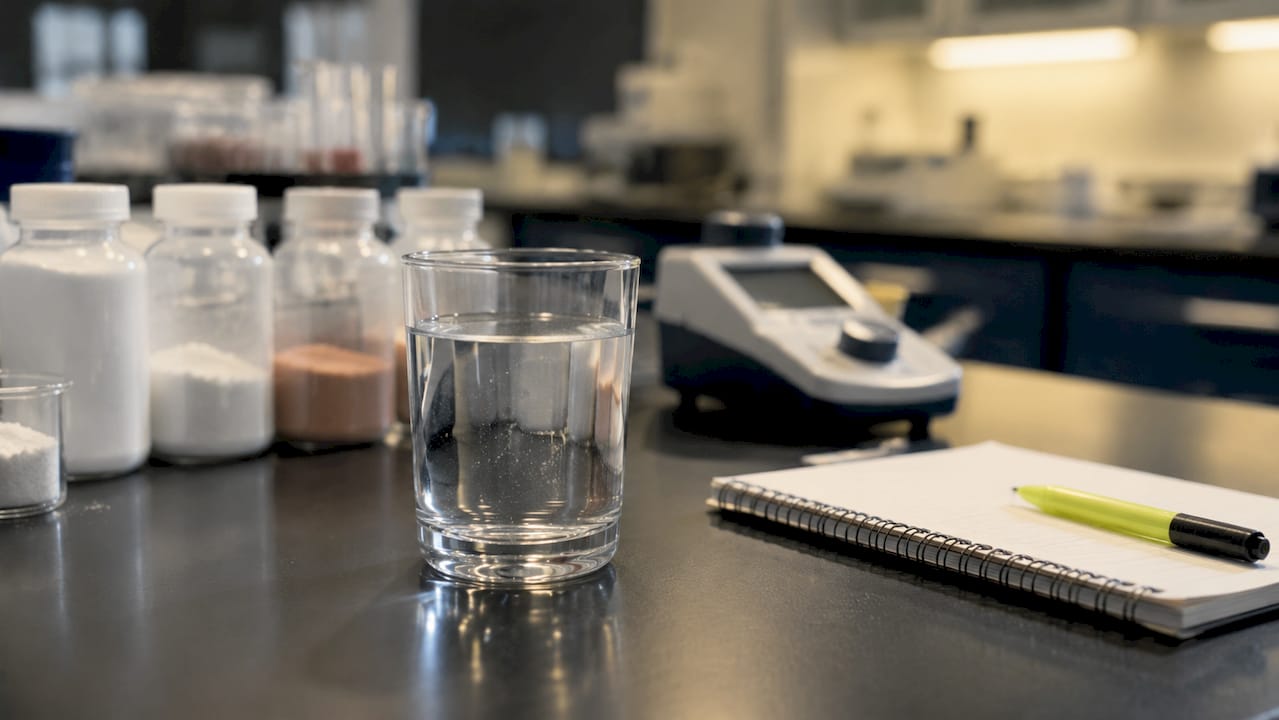
Total Dissolved Solids (TDS) are the primary flavor driver. Calcium adds a mild hardness, magnesium contributes a slightly bitter edge, and sodium creates a soft, round mouthfeel. Water from different sources tastes distinct precisely because of these mineral and pH differences. A mountain spring and a municipal tap can both be safe to drink, yet taste completely different.
pH level changes how water feels in your mouth. Slightly alkaline water often tastes smoother and sweeter, while acidic water can register as metallic or sharp. Most tap water sits between pH 6.5 and 8.5, but even small shifts within that range are perceptible to sensitive drinkers.
Temperature is a factor most people underestimate. Cooler water dampens taste receptor activity, which is why chilled water almost always tastes more refreshing than room-temperature water. This is not a placebo effect. The OTOP1 proton channel in sour-sensing cells responds differently depending on temperature, directly altering your perception of the water’s flavor.
Treatment chemicals round out the picture. Chlorine, used widely in municipal water systems across the United States, leaves a medicinal or bleach-like aftertaste that many people find off-putting. This taste is not harmful at regulated levels, but it is one of the top reasons people reach for bottled water instead of the tap.
Pro Tip: Chill your filtered water before drinking. The cold temperature suppresses bitter or flat notes, making even low-mineral filtered water taste noticeably cleaner.
How does water taste affect hydration behavior and health?
The significance of water flavor on hydration is backed by biology, not just personal preference. Your body has a built-in mechanism to encourage drinking when it needs water most.
-
Dehydration sharpens taste satisfaction. When your body is dehydrated, water tastes better. The OTOP1 receptor detects water’s presence and signals satisfaction more strongly when fluid levels are low. This is your body using taste as a hydration cue.
-
Poor-tasting water reduces intake. If your tap water smells of chlorine or tastes metallic, you drink less of it. This is not a minor inconvenience. Chronic low-level dehydration affects concentration, kidney function, and energy levels. The impact of water taste on daily consumption is measurable and significant.
-
Mineral content contributes to dietary intake. Low-mineral water can taste flat and lifeless, but the health implications go further than flavor. Mineral-rich water contributes calcium and magnesium to your diet, which matters especially for children, pregnant women, and people with restricted diets. Very low mineral water may actually leach minerals from the body during prolonged exercise or fasting.
-
Taste preference is partly conditioned. Research shows that people prefer familiar water based on early environmental exposure rather than objective quality. If you grew up drinking hard well water, soft filtered water may feel unsatisfying even if it is technically cleaner.
“The water you find most satisfying is often the water your body learned to expect, not necessarily the water that is best for you. Separating conditioned preference from actual quality requires testing, not just tasting.”
Understanding water quality and health means recognizing that taste is a starting point for awareness, not a final verdict on safety.
What does a change in water taste indicate about water quality and safety?
A sudden shift in how your water tastes is one of the clearest signals that something has changed in its source or delivery system. Knowing which flavor corresponds to which problem helps you act faster.
| Taste or odor change | Likely cause | Health concern |
|---|---|---|
| Metallic or bitter | Copper, iron, or manganese | Manganese linked to neurological concerns in infants |
| Medicinal or bleach-like | Chlorine or chloramine treatment | Generally safe at regulated levels |
| Rotten egg or sulfur | Hydrogen sulfide or bacteria | Possible bacterial contamination |
| Salty or brackish | High sodium or chloride | Concern for people on low-sodium diets |
| No taste change | Lead contamination | Serious health risk with no sensory warning |
The last row is the most important one. Lead often causes no taste or odor change, which makes relying on your senses for safety a dangerous strategy. Copper causes a metallic taste, and manganese produces bitterness with links to neurological concerns in infants, but lead slips through undetected.
TDS meters, which many home users rely on, measure dissolved solids but cannot identify harmful contaminants like lead. A high TDS reading does not automatically mean poor water quality, and a low reading does not guarantee safety. Independent water testing is the only reliable method, particularly for private well owners who should test annually for bacteria, nitrates, and pH.
Pro Tip: If your water develops a new taste or smell you cannot explain, treat it as a quality alert. Order a certified lab test before assuming it is harmless. You can also review water quality assessment steps to know exactly what to test for.
How do different sources and treatments affect water taste?
Not all water is created equal in flavor or mineral value. Where your water comes from and how it is treated shapes both its taste profile and its nutritional contribution.
-
Tap water varies enormously by location. Cities like New York are known for soft, low-mineral tap water that many residents find pleasant. Cities with hard water supplies deliver higher calcium and magnesium, which some people love and others find chalky. Municipal treatment adds chlorine or chloramine, which can leave a detectable chemical note.
-
Reverse osmosis (RO) filtered water strips nearly all dissolved solids, including beneficial minerals. The result is ultra-pure water that tastes flat and can even register as slightly acidic. For people who drink RO water exclusively over long periods, the lack of minerals is worth monitoring, particularly during intense exercise.
-
Mineral and spring waters carry richer taste profiles shaped by the geology of their source. A water sourced from limestone aquifers will taste noticeably different from one drawn from granite formations. High-TDS mineral waters are exempt from standard aesthetic limits precisely because their mineral content is considered a feature, not a flaw.
-
Filtered water with mineral retention sits in the middle ground. Systems that remove contaminants while preserving calcium and magnesium deliver water that tastes clean without tasting empty. This is the balance most health-focused consumers are looking for. You can explore practical methods to improve water taste at home without sacrificing mineral value.
The water treatment method you choose shapes not just flavor but the mineral content your body receives daily. That trade-off deserves more attention than most people give it.
Key takeaways
Water taste directly governs hydration behavior, signals water quality changes, and reflects the mineral content that contributes to your daily nutritional intake.
| Point | Details |
|---|---|
| Taste drives hydration | Poor-tasting water reduces daily intake, contributing to chronic low-level dehydration. |
| Minerals shape flavor and health | Calcium and magnesium improve mouthfeel and contribute dietary minerals, especially for vulnerable groups. |
| Taste changes signal quality problems | Metallic, bitter, or sulfur notes often indicate copper, manganese, or bacterial issues. |
| Taste alone cannot detect lead | Lead contamination produces no sensory change; certified lab testing is the only reliable safety check. |
| Treatment method changes mineral balance | RO water tastes flat and lacks minerals; systems that retain minerals deliver better taste and nutritional value. |
Why water taste deserves more respect than it gets
Most people treat water taste as a comfort issue, something to fix with a filter jug or a slice of lemon. After spending years paying close attention to what people actually drink and why, I think that framing undersells the issue considerably.
The biology here is real. Your body uses taste as a hydration signal. When water tastes good, you drink more of it, and that is not trivial. Chronic underhydration is one of the most common and most overlooked contributors to fatigue, poor concentration, and kidney stress. If your water tastes bad and you are quietly substituting it with coffee, juice, or soda, you are not solving a hydration problem. You are compounding it.
What I find most overlooked is the mineral question. People obsess over removing things from water but rarely ask what they are also removing. RO systems do an excellent job of stripping contaminants. They also strip calcium and magnesium, and for people who do not eat particularly mineral-rich diets, that gap adds up. The flat taste of demineralized water is not just unpleasant. It is a signal that something nutritionally useful is missing.
My honest advice: do not trust taste alone, but do not ignore it either. A sudden change in flavor is worth investigating seriously. And if you have been tolerating bad-tasting water for years, that is worth fixing too, because the water you actually enjoy drinking is the water you will actually drink.
— Soldierboy
Better-tasting water starts with the right purification system
Cowayswaterpurifier offers water purifiers designed to remove contaminants like chlorine, heavy metals, and bacteria while preserving the beneficial minerals that give water its natural, satisfying taste. The water purification process behind Coway systems uses multi-stage filtration and UV sanitization to deliver water that is both safe and genuinely pleasant to drink. For households that want the convenience of chilled, clean water on demand, the countertop ice water purifier combines filtration with temperature control, addressing two of the biggest factors in water taste quality. If you have been settling for water that tastes off, there is a better option that does not require you to compromise on safety or flavor. You can also learn more about UV purification methods and how they contribute to both taste and safety.
FAQ
Why does water taste different from place to place?
Water picks up minerals from the geology it passes through, and municipal treatment adds chemicals like chlorine that vary by region. These differences in mineral content and treatment create distinct flavor profiles across cities and water sources.
Does water taste affect how much you drink?
Yes. Water that tastes unpleasant reduces consumption, which can contribute to chronic dehydration. Your body also uses taste as a hydration cue, registering greater satisfaction from water when fluid levels are low.
Can a change in water taste mean it is unsafe?
A taste change can signal problems like copper, iron, or manganese contamination, but it is not a reliable safety indicator on its own. Lead, one of the most dangerous contaminants, produces no detectable taste or odor change, so certified lab testing is necessary.
Is filtered water always better tasting than tap water?
Not always. Reverse osmosis water removes nearly all minerals, which can make it taste flat or slightly acidic. Tap water with a balanced mineral content often tastes more satisfying than heavily filtered water with no dissolved solids.
What is the healthiest water to drink for taste and nutrition?
Water that retains beneficial minerals like calcium and magnesium while removing harmful contaminants offers the best combination of taste and nutritional value. Mineral water and filtered water from systems that preserve mineral content both fit this profile.
Recommended
- How to improve water taste at home: proven methods – Coway Water Purifier
- Understanding Why Test Drinking Water for Safety – Coway Water Purifier
- Understanding How Water Filters Affect Taste – Coway Water Purifier
- Benefits of Pure Water for Health – Why Purity Matters – Coway Water Purifier
