
Uncategorized
How to Assess Water Quality for Safer Homes
Jan
Choosing the right filtration system often starts with a crucial question about what is actually in your water. Safe, clean water matters for every American family, but assessing purity means understanding the chemical, physical, biological, and radiological characteristics that impact your home’s supply. This article highlights key concepts like turbidity, pH levels, and contaminants, guiding health-conscious homeowners through the basics and helping you confidently evaluate water quality before investing in protection.
Table of Contents
- Water Quality Assessment Basics Explained
- Essential Indicators of Home Water Quality
- Testing Methods for Household Water
- Understanding U.S. Water Quality Standards
- Common Contaminants and Health Risks
- Next Steps After Water Quality Assessment
Key Takeaways
| Point | Details |
|---|---|
| Water Quality Assessment Is Multifaceted | Understanding water quality requires evaluating chemical, physical, biological, and radiological characteristics to ensure safety for consumption and environmental health. |
| Homeowners Should Test Regularly | Medical experts recommend homeowners, especially those with private wells, to conduct annual water quality tests to monitor potential changes in their water system. |
| Utilize Professional Testing for Accuracy | Professional laboratory testing is crucial for a thorough evaluation of contaminants, as it can detect a broader range of harmful substances compared to home test kits. |
| Understand Contaminant Sources and Risks | Identifying common contaminants such as lead and nitrates aids in addressing specific health risks and implementing effective treatment solutions. |
Water Quality Assessment Basics Explained
Understanding water quality requires a comprehensive approach that evaluates multiple critical dimensions of water safety. Water quality assessment involves examining chemical, physical, biological, and radiological characteristics to determine whether water meets safety standards for human consumption and environmental health.
The process begins with identifying key parameters that indicate water purity. These include turbidity (water clarity), pH levels, dissolved oxygen content, nutrient concentrations, and specific chemical contaminants. Each parameter provides insights into potential risks and water system health. For residential water safety, homeowners should focus on detecting harmful substances like lead, arsenic, nitrates, and microbial organisms that could pose significant health threats.
Measuring water quality involves specialized testing methods ranging from simple home test kits to advanced laboratory analysis. Professional water quality assessments typically analyze samples through multiple techniques, including spectroscopy, chromatography, and microbiological culturing. Comprehensive water monitoring helps identify potential contamination sources and trends that might compromise water safety over time.
Pro tip: Purchase a multi-parameter water testing kit that screens for at least six major contaminants to get a comprehensive initial assessment of your home’s water quality.
Essential Indicators of Home Water Quality
Home water quality assessment centers on understanding a comprehensive range of critical indicators that reveal potential health risks and water system performance. Common water quality indicators reveal specific characteristics that determine safety, taste, and overall potability for residential use.
Physical and chemical parameters form the foundation of water quality evaluation. Key indicators include coliform bacteria, lead concentration, nitrate levels, pH balance, water hardness, and total dissolved solids. Each parameter provides unique insights into water safety. For instance, high lead levels can indicate potential infrastructure problems, while elevated nitrate concentrations might suggest agricultural or septic system contamination near water sources.
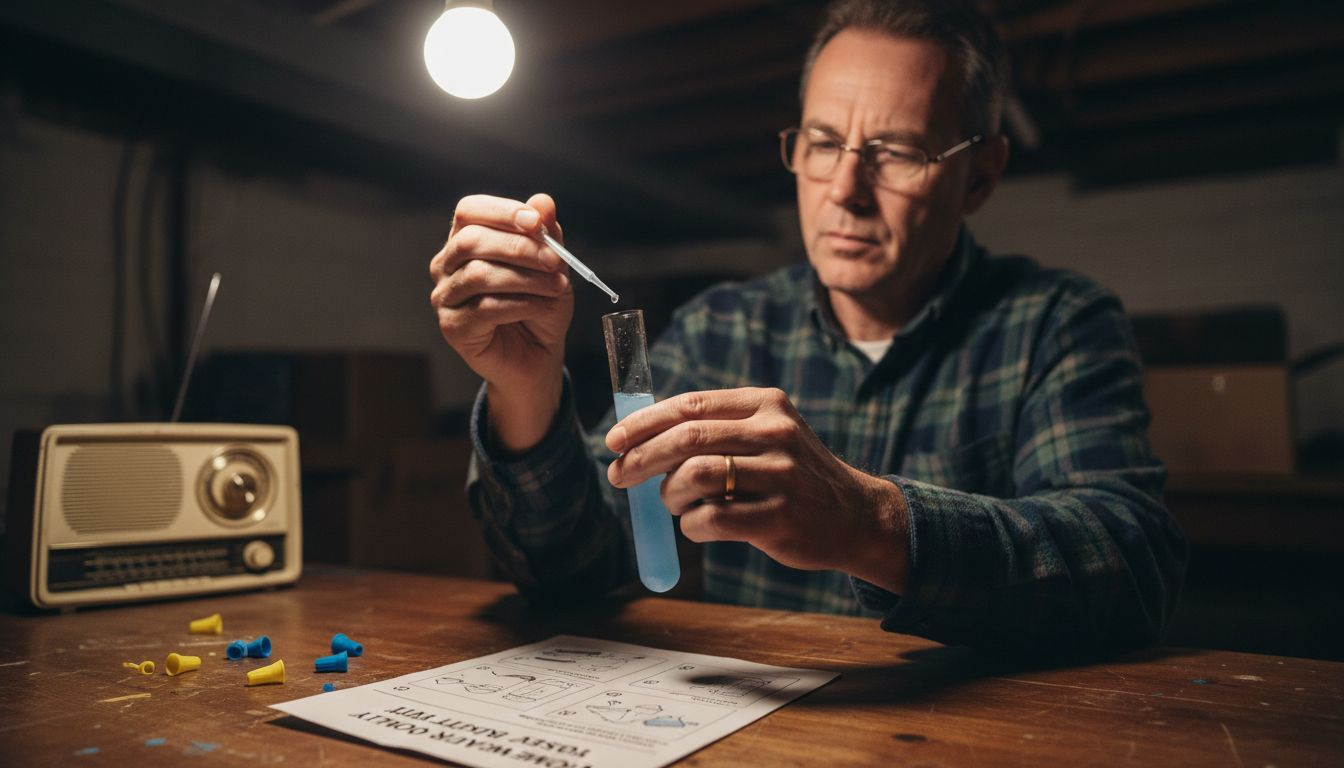
Essential water quality measurements encompass multiple dimensions beyond basic chemical analysis. Homeowners should understand biological components like microorganism presence, radiological factors, and specific contaminant thresholds. Advanced testing can reveal subtle water quality nuances that simple home test kits might miss, including trace heavy metals, emerging chemical compounds, and microscopic biological threats that could compromise household water safety.
Pro tip: Request a comprehensive professional water quality test that screens for at least 15 different parameters, providing a more thorough assessment than basic home testing kits.
Testing Methods for Household Water
Home water testing methods provide crucial insights into the safety and quality of residential water systems. Homeowners have multiple options for detecting potential contaminants, ranging from simple home test kits to comprehensive professional laboratory analyses that offer detailed chemical and biological assessments.
Professional laboratory testing represents the most thorough approach to water quality evaluation. These comprehensive assessments typically screen for a wide range of microbiological contaminants such as coliform bacteria and E. coli, chemical parameters including lead, nitrates, and arsenic, and physical characteristics like turbidity and mineral content. Certified laboratories follow strict protocols to ensure accurate and reliable results, using advanced techniques like spectrometry, chromatography, and microbiological culturing to detect even trace amounts of potential hazards.
Private well owners should test water annually to monitor potential changes in water composition. Home test kits offer a preliminary screening option, though they provide less comprehensive analysis compared to professional laboratory testing. These kits can quickly check for basic parameters like pH levels, chlorine content, and the presence of some heavy metals, providing homeowners with immediate preliminary insights into their water quality.
The following table summarizes key differences between home water test kits and professional laboratory testing:
| Feature | Home Test Kits | Professional Lab Testing |
|---|---|---|
| Number of parameters | Usually 3-6 | Often 15 or more |
| Turnaround time | Immediate | Several days to a week |
| Detection sensitivity | Limited | Very high |
| Cost | Low to moderate | Higher |
| Recommendation | Basic screening | Comprehensive assessment |
Pro tip: Collect water samples during peak usage times and from multiple faucets to get the most representative assessment of your home’s overall water quality.
Understanding U.S. Water Quality Standards
The Safe Drinking Water Act establishes critical standards for protecting public health through comprehensive water quality regulation. These federal guidelines represent a crucial framework for ensuring safe drinking water across the United States, defining specific requirements for water treatment and contaminant management in public water systems.
The Environmental Protection Agency (EPA) sets Maximum Contaminant Levels (MCLs) for over 90 different potential water contaminants. These standards cover a comprehensive range of potential hazards, including microbiological organisms, chemical compounds, radiological elements, and physical parameters. Each MCL is carefully determined through rigorous health risk assessments that balance scientific research, treatment feasibility, and public safety considerations.
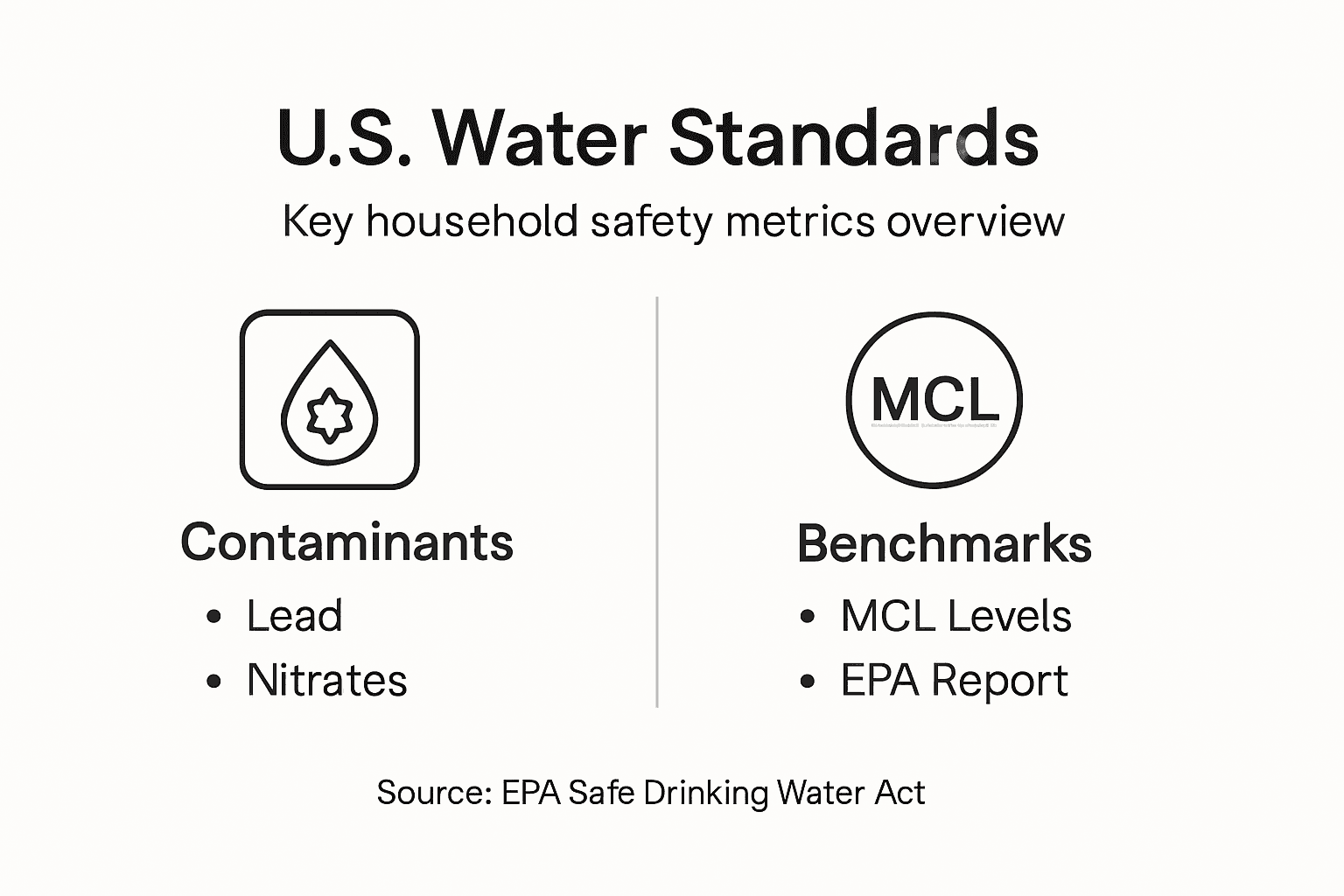
EPA standards help homeowners interpret water quality by establishing clear benchmarks for acceptable contamination levels. While public water systems must legally comply with these regulations, private well owners face unique challenges. Homeowners with private wells must proactively understand and voluntarily apply these standards to ensure their drinking water meets essential safety requirements, as these systems are not automatically regulated by municipal water treatment protocols.
Pro tip: Request a comprehensive water quality report from your local water utility annually, comparing the results against EPA standards to understand your specific water safety profile.
Common Contaminants and Health Risks
U.S. drinking water contains multiple hazardous contaminants that pose significant health risks across different geographic regions. These substances range from industrial chemicals to naturally occurring minerals, each presenting unique challenges to residential water safety and human health.
The most prevalent contaminants include arsenic, lead, nitrates, disinfection byproducts, PFAS, and uranium. These substances can trigger serious health consequences, including potential neurological damage, developmental disorders, and increased cancer risk. Different water sources and regional infrastructure variations contribute to varying exposure levels, making comprehensive water quality assessment critical for protecting household health.
Here’s a comparison of common water contaminants and their associated health risks:
| Contaminant | Main Source | Potential Health Risk |
|---|---|---|
| Lead | Aging pipes | Neurological damage |
| Arsenic | Natural deposits | Increased cancer risk |
| Nitrates | Fertilizers, septic tanks | Infant developmental issues |
| PFAS | Industrial runoff | Hormone disruption |
| Disinfection byproducts | Water treatment chemicals | Increased health complications |
| Uranium | Rocks, soil | Kidney toxicity |
Regulated drinking water contaminants pose complex risks across multiple health dimensions. The Environmental Protection Agency tracks over 90 potential contaminants, categorizing them into microbiological pathogens, inorganic chemicals, organic compounds, and radioactive substances. Aging water infrastructure and industrial pollution significantly contribute to contamination risks, particularly in older urban and rural communities with outdated water distribution systems.
Pro tip: Request a detailed water quality report from local authorities and invest in a professional multi-stage water filtration system that targets multiple contaminant categories simultaneously.
Next Steps After Water Quality Assessment
After conducting comprehensive water quality testing, homeowners must carefully evaluate their results and develop a strategic response plan. Understanding the specific contaminants present is crucial for determining the most appropriate water treatment approach and protecting household health.
The initial assessment requires comparing test results against established Environmental Protection Agency (EPA) standards. If any contaminants exceed recommended safety thresholds, homeowners should consider targeted filtration solutions. These may include point-of-use filters, reverse osmosis systems, or whole-house water treatment technologies designed to address specific chemical, biological, or mineral contamination challenges.
Water quality management involves continuous monitoring and proactive intervention strategies. Consulting local health departments can provide additional insights into regional water quality challenges and recommended mitigation techniques. Periodic retesting is essential, as water composition can change due to infrastructure modifications, environmental shifts, and seasonal variations that might introduce new contamination risks.
Pro tip: Create a water quality tracking log to document test results, installed treatments, and periodic retest dates, enabling a comprehensive long-term approach to household water safety.
Ensure Safer Homes with Advanced Water Purification Solutions
Understanding how to assess water quality is a crucial step toward protecting your family from hidden contaminants like lead, arsenic, and nitrates that can threaten your health. After careful water quality testing, it becomes clear how important it is to take action with reliable water purification technology that goes beyond basic filtering to deliver clean, safe water for your entire home.
Discover cutting-edge water purifiers designed to target multiple contaminants using advanced filtration methods and UV sanitization. Our solutions at Coway Water Purifier provide easy installation, dependable performance, and complete peace of mind. Whether you need countertop, under-sink, or whole-house units, take charge of your household water safety today by exploring our trusted offerings in the Uncategorized Archives – Coway Water Purifier.
Don’t wait until contaminants impact your health—visit https://cowayswaterpurifier.com now to browse products, compare features, and get yours delivered and installed with expert support. Start your journey to healthier water and a safer home environment right away.
Frequently Asked Questions
What are the key indicators of water quality I should monitor in my home?
Key indicators include coliform bacteria, lead concentration, nitrate levels, pH balance, water hardness, and total dissolved solids. Monitoring these parameters can help you understand your water safety.
How can I effectively test the quality of my home’s water?
You can test your water quality using home test kits for basic parameters or opt for professional laboratory testing for a more comprehensive analysis. Professional tests screen for a broader range of contaminants and provide more accurate results.
What should I do if my water quality test shows high levels of contaminants?
If contaminants exceed recommended safety thresholds, consider installing targeted filtration solutions such as point-of-use filters or reverse osmosis systems that can effectively address specific contamination issues.
How often should I test my water for quality?
Homeowners with private wells should test their water annually to monitor changes in water composition, while those on municipal systems should also consider periodic testing to stay informed about their water quality.
Recommended
- How to Ensure Safe Drinking Water for Home and Business – Coway Water Purifier
- Understanding the Importance of Water Quality at Home – Coway Water Purifier
- Why Test Water Quality in Offices Today – Coway Water Purifier
- Understanding Why Test Drinking Water for Safety – Coway Water Purifier
- Professional Drain Surveys for New Home Buyers in 2024
