
Uncategorized
How to Ensure Safe Drinking Water for Home and Business
Dec
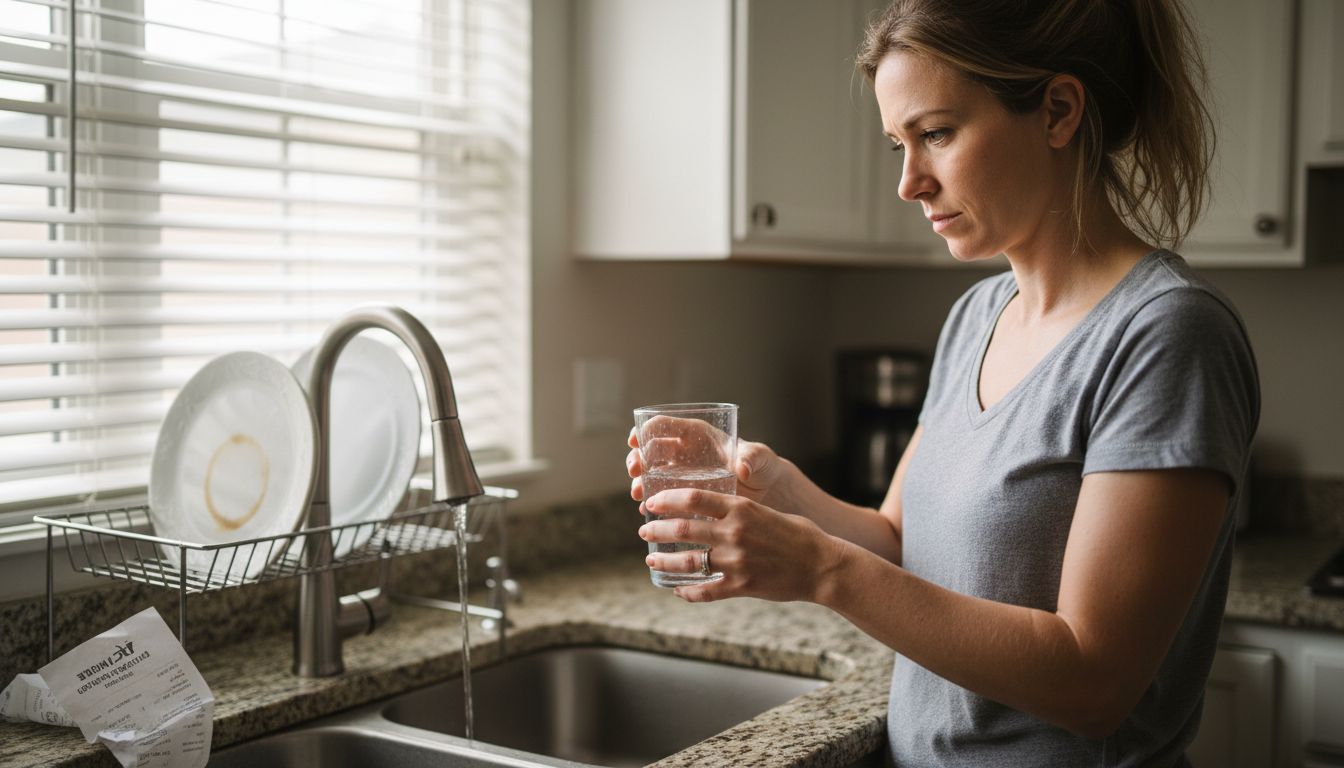
Nearly fifty percent of American households express concerns about the safety of their drinking water each year. Clean water is a basic expectation, yet contamination risks can vary widely depending on your location and water source. Understanding how to assess, filter, and maintain your water supply puts you in control of what your family drinks, and this guide breaks down the most effective steps for securing reliable access to safe water.
Table of Contents
- Step 1: Assess Your Water Source and Risks
- Step 2: Select the Right Water Filtration System
- Step 3: Install a Certified Water Purifier
- Step 4: Maintain Your Water Filtration Equipment
- Step 5: Verify Water Safety with Regular Testing
Quick Summary
| Key Message | Explanation |
|---|---|
| 1. Assess Your Water Source | Determine if your water comes from a municipal supply or private well, as each has unique contamination risks requiring different assessment strategies. |
| 2. Choose the Right Filtration System | Select a water filtration system based on identified contaminants and your specific needs to ensure safe drinking water. |
| 3. Install Purifiers Properly | Ensure installation of water purifiers is done by certified professionals to prevent leaks and maintain system efficiency. |
| 4. Maintain Filtration Equipment Regularly | Schedule systematic maintenance like filter replacements and system checks to maximize performance and safeguard water quality. |
| 5. Conduct Regular Water Testing | Perform annual water testing to detect contaminants early, especially if relying on private wells or older plumbing systems. |
Step 1: Assess Your Water Source and Risks
Understanding your water source is the critical first step in ensuring safe drinking water for your home or business. Water quality varies dramatically depending on whether you rely on public municipal systems or private wells, with each source presenting unique potential contamination risks that require targeted assessment strategies.
Municipal water systems undergo regular quality testing mandated by EPA standards, but private well owners must take proactive measures to evaluate their water safety. This assessment involves comprehensive steps like identifying potential contamination sources near your water supply, conducting professional laboratory testing, and understanding the geological characteristics of your local watershed. By systematically examining your water source, you can pinpoint specific risks such as industrial runoff, agricultural chemical seepage, mineral content, bacterial presence, and other potential health hazards.
A strategic approach includes obtaining a detailed water quality report from local authorities, scheduling professional water testing at least annually, and investing in home testing kits to monitor changes between professional assessments. Remember that water contamination can change seasonally or after environmental events, so continuous monitoring provides the most reliable protection for your drinking water.
Step 2: Select the Right Water Filtration System
Selecting the right water filtration system is a crucial decision that directly impacts your health and water quality. Your choice depends on understanding the specific contaminants present in your water and matching those challenges with an appropriate filtration technology.
Water filtration technologies offer varied approaches to purification. Activated carbon filters excel at removing chlorine, sediment, and organic compounds, while more advanced systems like reverse osmosis can eliminate a broader range of potential health risks. Different water softener systems including salt-based and salt-free options address mineral content and hardness, each with unique benefits for home and business environments.
Consider multiple factors when choosing your filtration system: water test results, budget, maintenance requirements, flow rate, and specific contaminant removal capabilities. Professional water quality experts can help analyze your specific needs, recommending a tailored solution that provides maximum protection. Investing time in understanding your water filtration options ensures you select a system that delivers clean, safe drinking water consistently and efficiently.
Step 3: Install a Certified Water Purifier
Installing a water purifier requires careful consideration and precision to ensure optimal performance and water safety. Your goal is to implement a filtration system that meets rigorous safety standards and provides consistent protection for your drinking water.
Certified devices and materials are critical when setting up your water purification system, as they guarantee compliance with established health and safety regulations. Professional installation is recommended for most advanced water purifiers, especially complex under-sink or whole-house systems that require precise plumbing connections and technical expertise. While some homeowners might attempt self-installation, working with a certified technician ensures proper setup, minimizes potential leaks or contamination risks, and maintains manufacturer warranties.
Before installation, gather all necessary tools, review the manufacturer’s specific instructions, and prepare your installation area. Double-check your water purifier matches your home’s specific water quality needs, plumbing configuration, and available space. Consider factors like filter replacement schedules, maintenance requirements, and long-term performance guarantees to maximize your investment in clean, safe drinking water.
Step 4: Maintain Your Water Filtration Equipment
Maintaining your water filtration equipment is critical to ensuring consistent water quality and protecting your investment in clean drinking water. Regular maintenance prevents system degradation and ensures optimal performance throughout your equipment’s lifecycle.
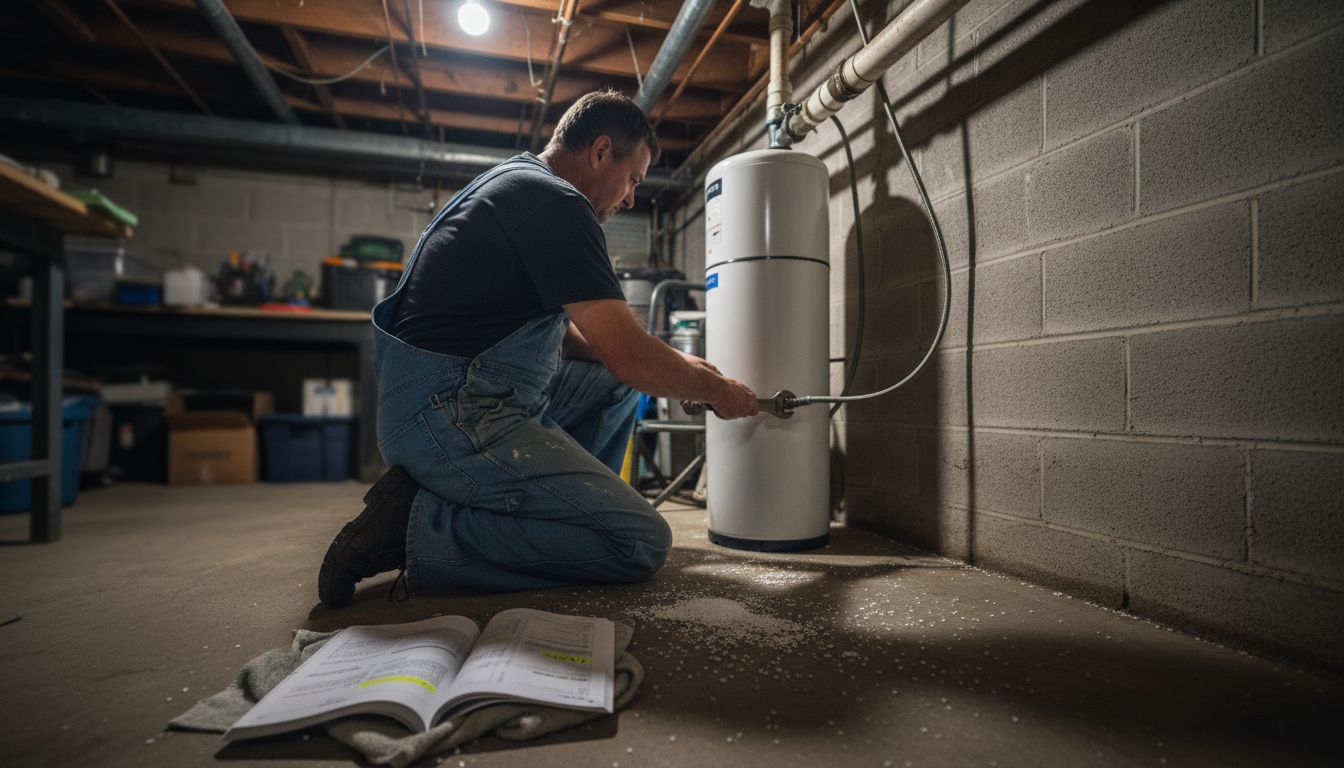
Regular maintenance of water softeners involves systematic tasks like resin regeneration, salt replenishment, and comprehensive system checks. Routine cleaning of faucet aerators and periodic water quality testing are essential practices that help detect potential issues before they compromise your water filtration system. Develop a maintenance schedule that includes filter replacements, system sanitization, and comprehensive performance evaluations to guarantee your equipment continues delivering high quality water.
Professional servicing at least once annually can help identify potential mechanical issues, validate system efficiency, and extend the lifespan of your water filtration equipment. Keep detailed maintenance records, track filter replacement dates, and stay proactive about system performance to ensure your home or business always has access to safe, clean drinking water.
Step 5: Verify Water Safety with Regular Testing
Regular water testing is your primary defense against potential health risks hidden in your drinking water. Understanding the quality of your water supply allows you to take proactive measures to protect your family or business from contamination.
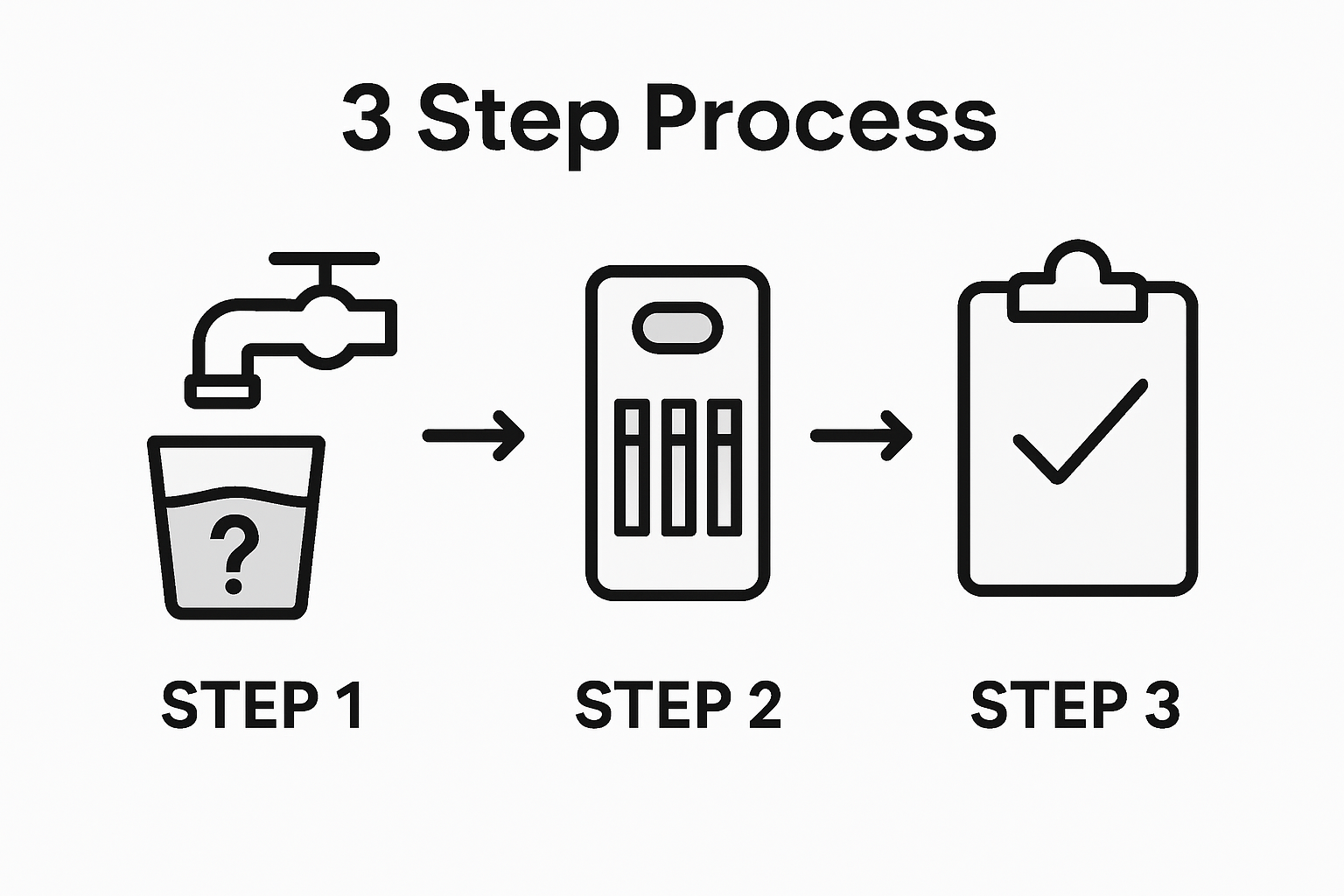
Public water systems must conduct regular quality assessments, but private well owners and homeowners need to be especially vigilant. Annual home water testing is recommended to identify potential contaminants, particularly in homes with older plumbing infrastructure or those drawing water from private sources. Professional water testing kits can analyze critical parameters like bacterial presence, heavy metal content, pH levels, and potential chemical pollutants.
Consider comprehensive testing approaches that include laboratory analysis and home testing kits. Track your results over time, looking for consistent patterns or sudden changes that might indicate emerging water quality issues. Remember that water composition can shift due to environmental factors, infrastructure changes, or seasonal variations, making regular monitoring an essential practice for maintaining safe drinking water.
Secure Your Home and Business with Trusted Water Purification Solutions
Ensuring safe drinking water is a vital challenge for every homeowner and business owner. From assessing your water source risks to selecting the right filtration system, it can feel overwhelming to guarantee consistent water safety. Key concerns like contaminant removal, professional installation, and ongoing maintenance demand trusted solutions that provide peace of mind and protect your health.
At Coway Water Purifier, we understand these needs deeply and offer advanced water filtration systems with cutting-edge technology designed to address the specific challenges highlighted in this article. Our range includes expertly engineered countertop, under-sink, and large-capacity purifiers that combine UV sanitization and multi-stage filters to remove potentially harmful bacteria, chemicals, and minerals from your water. You can discover reliable options and detailed guidance in our Uncategorized Archives – Coway Water Purifier.
Don’t wait to ensure your drinking water is safe and refreshing. Visit https://cowayswaterpurifier.com today, explore our products, and take control of your water quality with free delivery, professional installation, and dedicated customer support. Your health deserves nothing less than the best filtration technology available.
Frequently Asked Questions
How can I assess the safety of my drinking water?
Understanding your water source is key to assessing its safety. Identify potential contamination sources near your water supply and conduct professional laboratory testing at least once a year to ensure safe drinking water.
What type of water filtration system should I choose for my home or business?
Select a water filtration system based on the specific contaminants found in your water. Consider options like activated carbon filters for chlorine removal or reverse osmosis systems for broader contaminant elimination, and consult a water quality expert for tailored recommendations.
How should I install a water purifier system?
Ensure your water purifier is certified to meet health and safety standards before installation. For complex systems, hire a professional technician to guarantee optimal setup and to avoid leaks or potential contamination.
What maintenance does my water filtration system require?
Regular maintenance is essential for effective water filtration, including filter replacements and routine checks on system performance. Develop a maintenance schedule and consider professional servicing at least once a year to keep your system in top working condition.
How often should I test my water quality?
Regular water testing is crucial for maintaining safe drinking water. Homeowners and private well owners should test their water annually, and track results over time to identify any significant changes in water quality.
What steps can I take if my water tests show contamination?
If your water tests reveal contamination, immediately consult a water quality expert to identify the best filtration system for your needs. Take action, such as installing a certified water purification system, and retest your water after implementing changes to ensure safety.
Recommended
- The Essential Guide to Safe Drinking Water – Coway Water Purifier
- Understanding Why Test Drinking Water for Safety – Coway Water Purifier
- Improve Drinking Water Safety: Essential Steps for Families – Coway Water Purifier
- Essential Guide to Safe Drinking Water for Homeowners – Coway Water Purifier
- Understanding the Effects of Water Contamination – My WordPress
- Water Quality Salt Lake City | Request Your Free Water Test
- Water Filtration And Softening Installation Project in Land O’ Lakes FL 34637 – Home Therapist Cooling, Heating, and Plumbing
