
Uncategorized
Why to Avoid Bottled Water: Health and Eco Facts
Jun
TL;DR:
- Bottled water contains higher levels of microplastics and harmful chemicals, posing health risks. Its environmental impact from energy use and plastic waste surpasses that of tap water, making it an unsustainable choice. Switching to filtered tap water in reusable containers offers a safer, eco-friendlier alternative.
Bottled water is defined as commercially packaged drinking water sold in single-use plastic containers, and the scientific case against routine consumption has grown significantly stronger in 2026. Research from Ohio State University and studies published in PLOS Water confirm that bottled water carries measurable health risks from microplastics and chemical leaching that tap water typically does not. The environmental toll is equally serious. Understanding the disadvantages of bottled water gives you the information you need to make a smarter, healthier choice every day.
Why to avoid bottled water: the contamination problem
Bottled water contains about 6 million plastic particles per liter on average, roughly three times more than tap water’s 2 million per liter. That gap matters because more than half of those particles are nanoplastics, small enough to cross the gut lining and enter the bloodstream or brain tissue in lab studies. This is not a theoretical risk. It is a measurable difference in what you swallow with every sip.
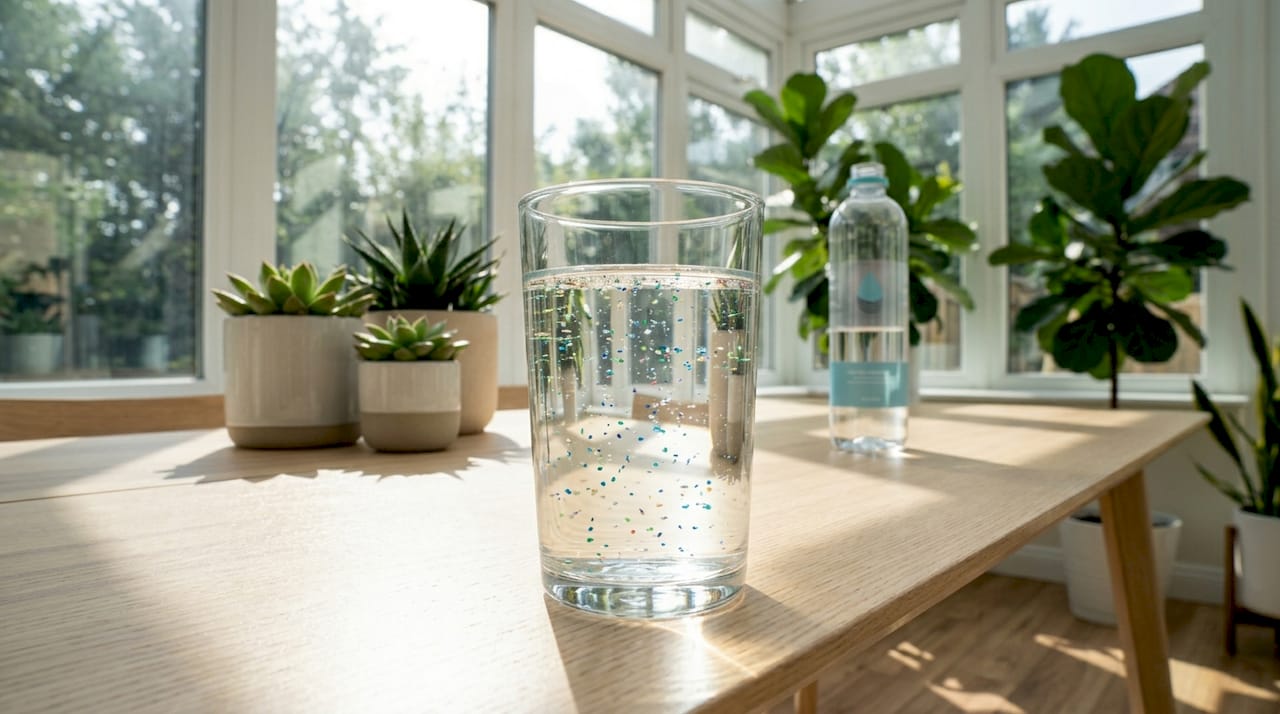
The contamination picture gets more complicated when you look at what else is in the bottle. Chemical additives including bisphenol A (BPA), bisphenol S (BPS), bisphenol F (BPF), and antimony are present in many plastic bottles and can leach into the water over time. Antimony, a metalloid used in PET bottle production, is classified as a possible carcinogen by the International Agency for Research on Cancer. These chemicals are linked with inflammation, hormone disruption, and organ accumulation in humans.
Bacterial contamination adds another layer of concern. Reusing single-use plastic bottles creates warm, moist conditions where bacteria multiply rapidly. Even factory-sealed bottles stored for months can develop microbial growth if the seal is compromised or storage conditions are poor.
The key risks of drinking bottled water break down into three categories:
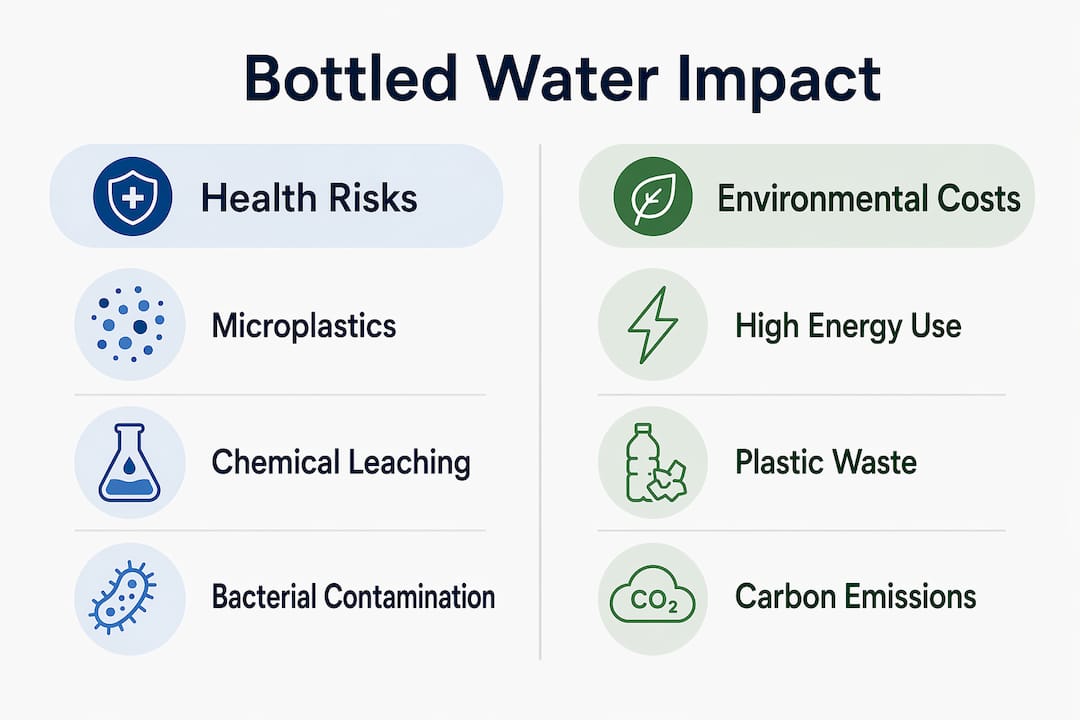
- Microplastics and nanoplastics: Present in concentrations far exceeding tap water, with potential to enter human tissue.
- Chemical leaching: BPA, BPS, BPF, and antimony migrate from plastic into water, especially under heat or prolonged storage.
- Microbial growth: Reuse and long storage periods create conditions for bacterial contamination.
- Endocrine disruption: Bisphenol compounds mimic estrogen and interfere with hormonal signaling even at low doses.
Pro Tip: If you must use bottled water temporarily, choose glass-bottled water over plastic. Glass does not leach chemicals and contributes zero plastic particles to your drink.
Is bottled water actually purer than tap water?
Bottled water is often no purer than tap water and in some cases contains higher levels of harmful bacteria or contaminants. That finding runs counter to decades of marketing that positioned bottled water as the cleaner, safer option. The reality is that the perception of purity comes from branding, not from measurable water quality.
The regulatory gap explains a lot. Municipal tap water in the United States is regulated by the Environmental Protection Agency (EPA) under the Safe Drinking Water Act, which requires continuous monitoring, public reporting, and strict contaminant limits. Bottled water is regulated by the Food and Drug Administration (FDA) as a food product, which means testing is less frequent and results are not always publicly disclosed. Spring water regulations can even allow water to be sold without chemical treatment, which sounds natural but removes a key safety layer.
Here is how the two sources compare directly:
| Factor | Tap water | Bottled water |
|---|---|---|
| Regulatory body | EPA (Safe Drinking Water Act) | FDA (food product classification) |
| Testing frequency | Continuous, publicly reported | Periodic, not always disclosed |
| Microplastic levels | ~2 million particles per liter | ~6 million particles per liter |
| Chemical treatment required | Yes, in most municipal systems | Not always (spring water exemptions) |
| Carbon footprint per liter | Minimal | ~80 grams CO2 including transport |
| Cost per liter | Fractions of a cent | $1 to $3 on average |
The one clear exception is during boil-water notices or emergency situations where municipal supply is compromised. In those cases, no research shows bottled water is generally healthier or safer than tap water under normal conditions, but it becomes a practical short-term solution. Outside of emergencies, the data does not support choosing bottled water over treated tap water for routine hydration. For a detailed breakdown of what separates these two sources, the tap vs. filtered water guide from Cowayswaterpurifier covers the distinctions clearly.
How the environmental impact of plastic bottles adds up
Bottled water production consumes up to 2,000 times more energy than supplying tap water and carries a carbon footprint averaging about 80 grams of CO2 per liter when bottling and transport are included. That energy cost is not an abstract number. It represents fossil fuel consumption, greenhouse gas emissions, and resource depletion at a scale that dwarfs every other beverage category.
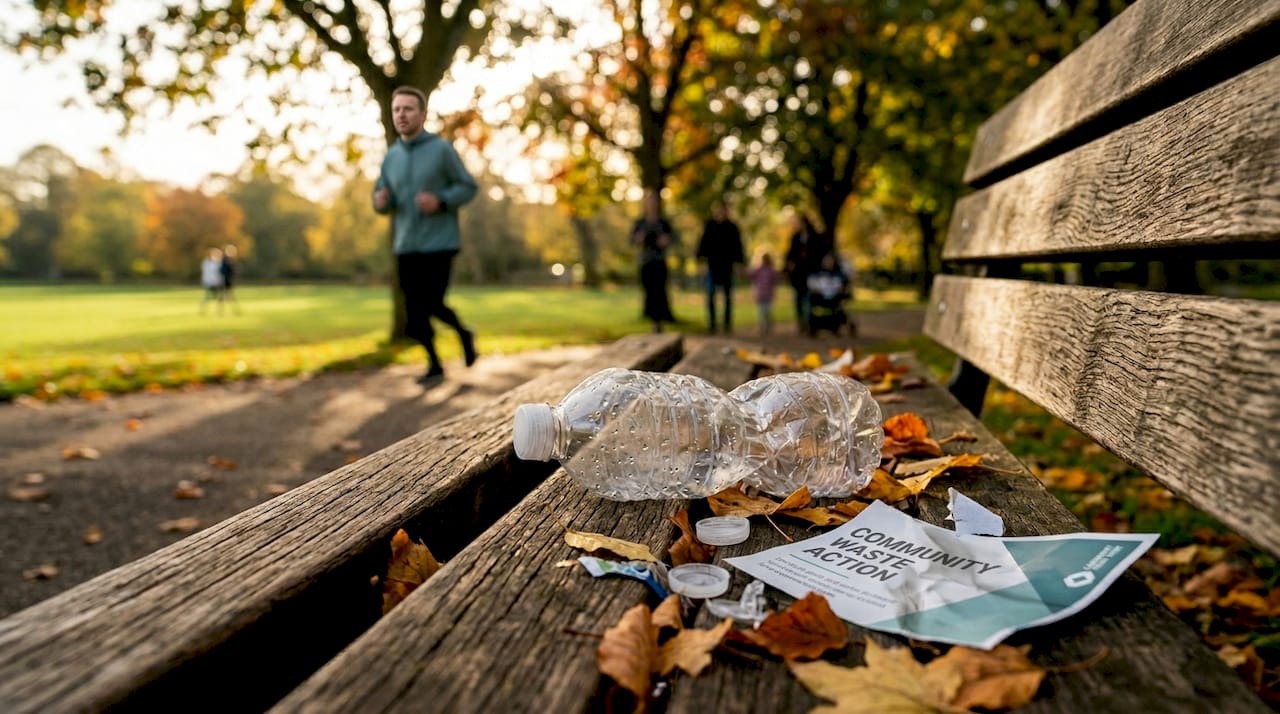
The plastic waste problem compounds the energy issue. Around one million plastic bottles are purchased every minute globally. Less than 30% of those bottles are recycled in the United States, according to the Container Recycling Institute. The rest end up in landfills, waterways, and eventually oceans, where they break down into the same microplastics that end up back in drinking water sources. The impact of plastic bottles on marine ecosystems is now well-documented, with microplastic particles detected in fish tissue, sea salt, and even rainfall.
The environmental case against bottled water includes:
- Energy consumption: Production requires up to 2,000 times more energy than tap water delivery.
- Carbon emissions: Approximately 80 grams of CO2 per liter from production and transport alone.
- Plastic waste: The majority of single-use bottles are not recycled and persist in the environment for centuries.
- Microplastic pollution: Degrading bottles shed particles that enter soil, water, and food chains.
- Water resource depletion: Large-scale water extraction by bottling companies strains local aquifers and watersheds.
Choosing tap water over bottled water is one of the highest-impact individual environmental decisions available to consumers. The math is straightforward: a household that drinks two liters of bottled water daily generates roughly 730 plastic bottles per year. Switching to filtered tap water eliminates that waste entirely.
How storage conditions make bottled water riskier
Prolonged storage of bottled water in high heat, specifically at temperatures around 158°F sustained over weeks, increases leaching of antimony and BPA into the water at measurable levels. This finding is particularly relevant during summer months when bottles are left in cars, garages, or outdoor storage areas. A brief stop in a hot car is generally considered low risk, but repeated or prolonged heat exposure changes the equation significantly.
Usage behaviors also affect contamination levels in ways most people do not consider. Research shows that plastic contamination from bottle handling, cap opening, and storage time contributes more to microplastic exposure than the water source itself. Every time you open and close a plastic cap, you shed microscopic plastic fragments directly into the water. The longer a bottle sits open or partially consumed, the greater the microbial and chemical exposure.
Here are the practical steps to minimize risk if you do use bottled water:
- Never leave plastic water bottles in a hot car for more than a few hours.
- Discard any bottle that has been stored in heat for multiple days or smells or tastes unusual.
- Do not refill single-use plastic bottles. The plastic degrades with each wash and use cycle.
- Store sealed bottles in a cool, dark location away from direct sunlight.
- Check the bottle’s manufacturing date. Older stock sitting in warehouse heat carries higher leaching risk.
Pro Tip: Inspect the bottom of any plastic bottle for the resin identification code. Bottles marked with recycling codes 3 or 7 are more likely to contain BPA or phthalates. Codes 1, 2, and 4 are generally considered lower risk for chemical leaching.
What are the best eco-friendly alternatives to bottled water?
Switching to filtered tap water stored in reusable glass or stainless steel containers significantly reduces plastic micro-particle exposure and environmental impact. This is the single most effective change a health-conscious consumer can make. It addresses the health concerns of bottled water, eliminates plastic waste, and costs a fraction of the price over time.
The best eco-friendly water alternatives include:
- Home water purifiers: Countertop, under-sink, and whole-house filtration systems remove chlorine, heavy metals, sediment, and in some cases microplastics. Coway’s filtration systems use multi-stage filtration and UV sanitization to deliver water that meets or exceeds bottled water quality without the plastic.
- Reusable stainless steel bottles: Brands like Hydro Flask and YETI use food-grade stainless steel that contributes zero plastic particles and maintains water temperature. These bottles last years with basic care.
- Reusable glass bottles: Glass is chemically inert and contributes no leachable compounds. Brands like Lifefactory produce glass bottles with protective silicone sleeves for everyday use.
- Refill stations: Many airports, gyms, and public spaces now offer filtered water refill stations. Using these with a reusable bottle eliminates single-use plastic entirely.
- Pitcher filters: Products like Brita and PUR use activated carbon to reduce chlorine, lead, and some contaminants from tap water at low cost.
If you want to understand what is actually in your tap water before committing to a filtration approach, Cowayswaterpurifier’s guide on testing tap water safety walks through the process step by step. Knowing your baseline is the most informed starting point for choosing the right filtration solution.
Key takeaways
Bottled water carries measurable health risks from microplastics and chemical leaching, is not more regulated than tap water, and produces an environmental footprint that makes routine use difficult to justify.
| Point | Details |
|---|---|
| Microplastic contamination | Bottled water contains three times more plastic particles per liter than tap water. |
| Regulatory gap | Tap water faces stricter, more frequent testing than bottled water under FDA food classification. |
| Heat increases risk | Prolonged heat exposure accelerates chemical leaching of BPA and antimony into bottled water. |
| Environmental cost | Bottled water production uses up to 2,000 times more energy than tap water delivery. |
| Better alternatives exist | Filtered tap water in reusable glass or stainless steel bottles reduces both health and environmental risk. |
The precautionary case is already strong enough
I have spent years reading the research on water quality, and the most common mistake I see is waiting for absolute scientific certainty before changing behavior. A Barcelona study published in PLOS Water found no clear trend in human biological samples when people switched between bottled and tap water sources. Some people interpret that as reassurance. I read it differently. Small sample sizes and detection sensitivity limits mean absence of evidence is not evidence of absence. The precautionary logic is sound: when one option carries known contamination risks and the other does not, you choose the cleaner option.
What I find most compelling is how small the behavioral shift actually is. Buying a quality stainless steel bottle and pairing it with a home filtration system costs less than two months of bottled water for most households. The health upside is real, the environmental upside is measurable, and the inconvenience is minimal. The Washington Post’s wellness reporting in 2026 noted that bottled water may increase microplastic exposure even for consumers trying to avoid tap water contaminants. That tradeoff is worth understanding clearly before your next grocery run.
— Soldierboy
Ditch bottled water with Coway’s purification systems
If you are ready to move away from single-use plastic bottles, Cowayswaterpurifier offers a range of home water purification systems built for exactly this transition.
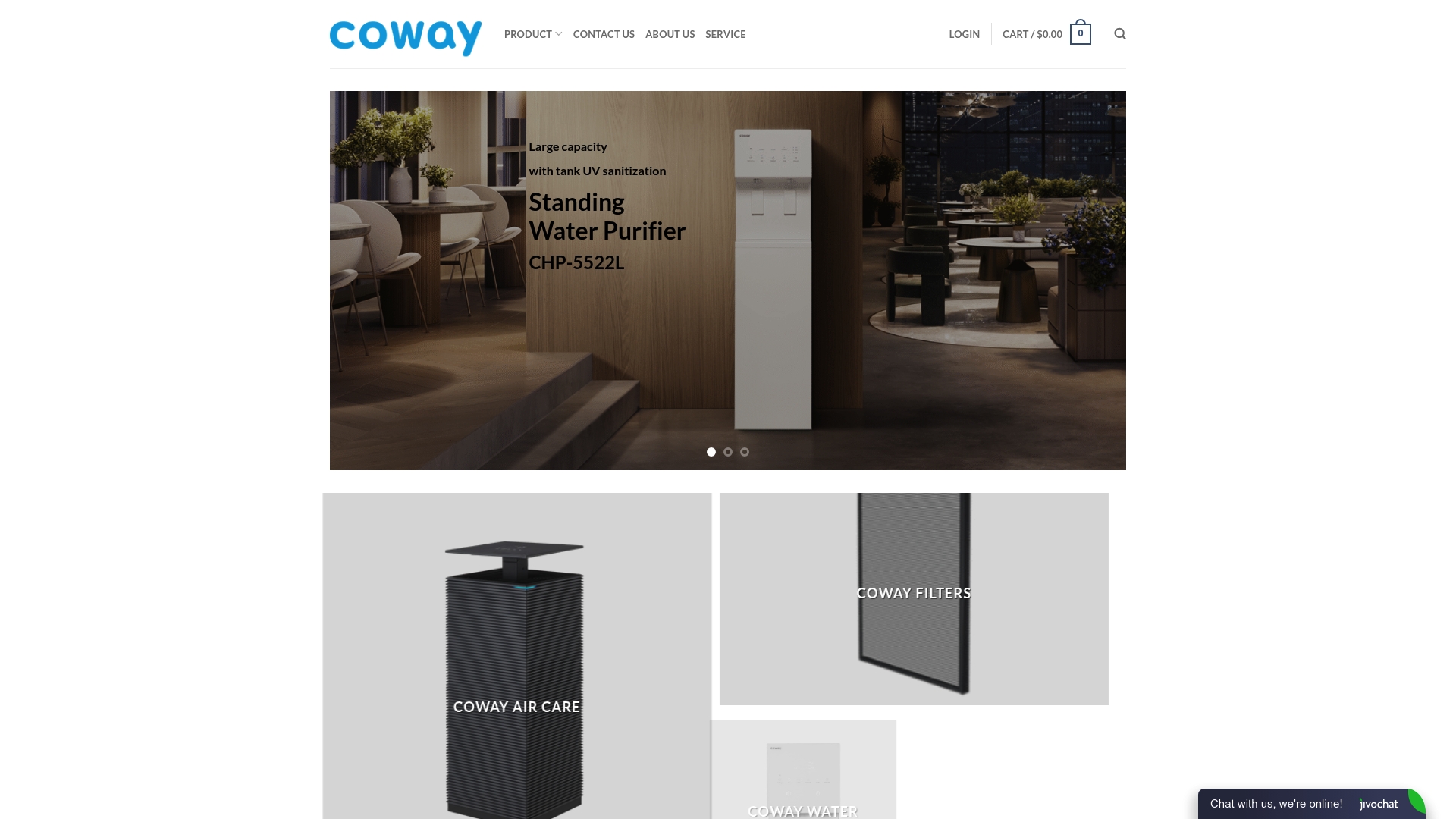
Coway’s countertop, under-sink, and large-capacity purifiers use multi-stage filtration combined with UV sanitization to remove bacteria, heavy metals, chlorine, and sediment from your tap water. The result is water that is cleaner than most bottled options, delivered without plastic waste or recurring purchase costs. Free delivery, installation, and maintenance are included with most models. Explore the full water purification process to understand what each filtration stage removes, or browse the countertop ice water purifier for a convenient, space-saving option that fits any kitchen.
FAQ
What makes bottled water harmful to health?
Bottled water contains roughly three times more microplastic particles per liter than tap water, along with chemical compounds like BPA and antimony that can leach from the plastic container. These substances are linked to endocrine disruption and inflammation in human studies.
Is tap water safer than bottled water?
In most developed countries, tap water is subject to stricter and more frequent testing than bottled water under regulations like the EPA’s Safe Drinking Water Act. Bottled water is classified as a food product by the FDA, which requires less frequent public disclosure of test results.
How does heat affect bottled water safety?
Prolonged exposure to high heat, around 158°F sustained over days or weeks, accelerates the leaching of antimony and BPA from plastic bottles into the water. Short periods in a hot car are generally low risk, but repeated or extended heat exposure increases chemical contamination significantly.
What are the best alternatives to bottled water?
Filtered tap water stored in reusable stainless steel or glass bottles is the most effective alternative. Home purification systems from brands like Coway use multi-stage filtration and UV sanitization to match or exceed bottled water quality without plastic waste.
Does bottled water have a bigger environmental footprint than tap water?
Bottled water production uses up to 2,000 times more energy than tap water delivery and generates approximately 80 grams of CO2 per liter. Combined with the fact that most plastic bottles are not recycled, the environmental impact of routine bottled water consumption is substantially higher than tap water use.
Recommended
- Filtered vs bottled water: Which is healthier for you? – Coway Water Purifier
- Benefits of Pure Water for Health – Why Purity Matters – Coway Water Purifier
- Eco-Friendly Filtration: Health And Environmental Impact – Coway Water Purifier
- Eco-Friendly Water Purification Guide for Healthy Homes – Coway Water Purifier
