
Uncategorized
Eco-Friendly Filtration: Health And Environmental Impact
Jan
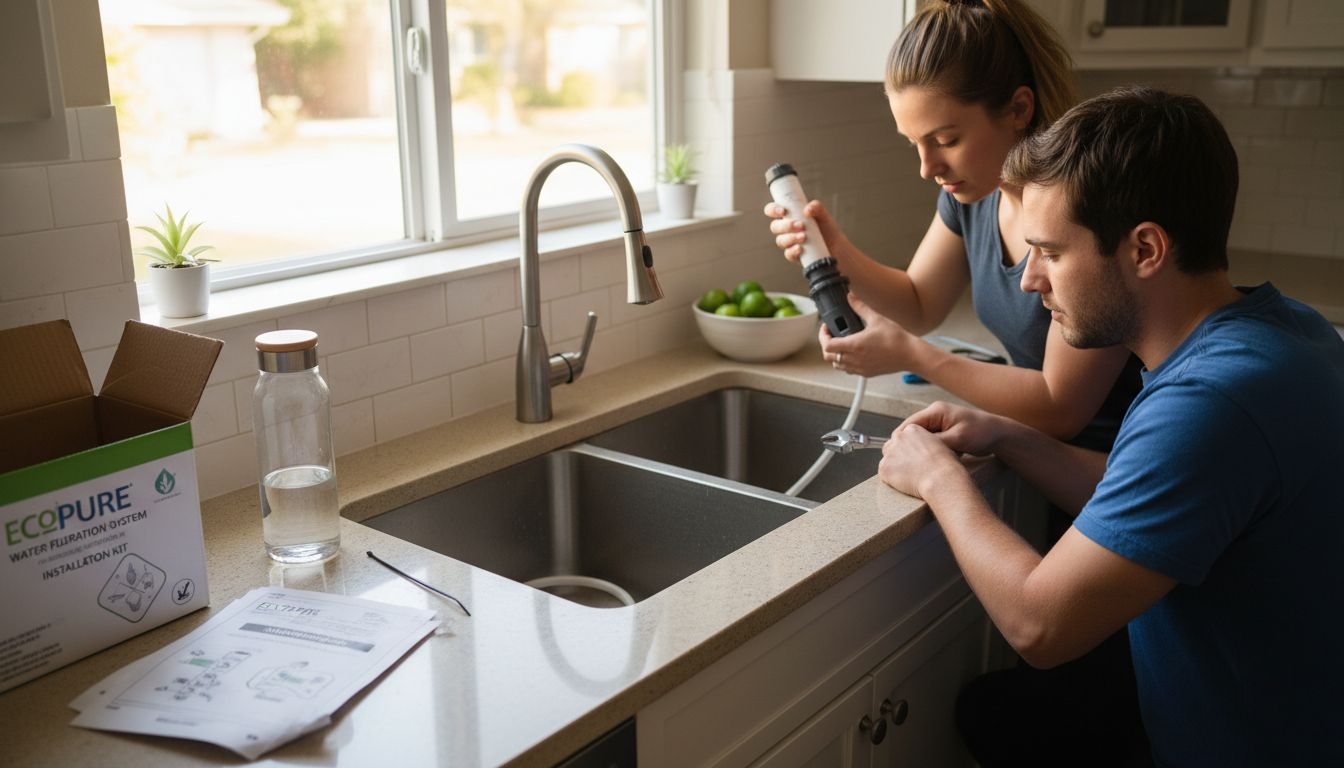
Finding a reliable way to protect your family’s water while reducing your home’s environmental impact can feel overwhelming. Many American homeowners today want solutions that address concerns about chemical pollutants and sustainability, especially as awareness grows about the risks of persistent contaminants like PFAS and heavy metals. This guide explains how eco-friendly filtration solutions use advanced, renewable materials and energy-efficient technologies to deliver cleaner water and a healthier home environment.
Table of Contents
- Defining Eco-Friendly Filtration Solutions
- Types Of Eco-Friendly Water Filtration Systems
- How Eco-Friendly Filtration Works At Home
- Comparing Eco-Friendly And Traditional Filters
- Health, Cost, And Sustainability Implications
Key Takeaways
| Point | Details |
|---|---|
| Eco-Friendly Filtration | Innovative filtration solutions prioritize environmental sustainability while ensuring effective contaminant removal. |
| Material and Energy Efficiency | Using biodegradable materials and low energy consumption reduces ecological impacts and waste generation. |
| Variety of Systems | Different filtration types, such as activated carbon and ceramic filters, serve distinct water quality needs and geographical conditions. |
| Health and Economic Benefits | Sustainable filtration enhances public health, lowers healthcare costs, and supports community empowerment through accessible solutions. |
Defining Eco-Friendly Filtration Solutions
Eco-friendly filtration solutions represent an innovative approach to water purification that prioritizes environmental sustainability without compromising water quality. These advanced systems are designed to remove contaminants effectively while minimizing ecological impact, utilizing sustainable filtration technologies that protect both human health and natural ecosystems.
At the core of eco-friendly filtration are materials and processes that reduce waste, conserve energy, and eliminate harmful chemical interactions. Researchers have developed groundbreaking solutions like biodegradable filtration materials made from natural proteins and cellulose, which can remove persistent contaminants such as PFAS and heavy metals. Innovative filtration materials now offer antimicrobial properties and comprehensive pollutant removal without relying on synthetic chemicals.
Key characteristics of eco-friendly filtration solutions include:
- Utilization of renewable and biodegradable materials
- Minimal energy consumption during water treatment
- Reduction of plastic waste in filtration systems
- Efficient removal of chemical and biological contaminants
- Low environmental footprint throughout the product lifecycle
Pro Tip: When selecting an eco-friendly water filtration system, look for certifications that validate sustainable manufacturing processes and materials efficiency.
Types Of Eco-Friendly Water Filtration Systems
Eco-friendly water filtration systems encompass several innovative technologies designed to provide clean water while minimizing environmental impact. Activated carbon filters represent one of the most popular sustainable filtration methods, effectively removing chlorine, sediment, and microplastics from water sources without generating significant waste.
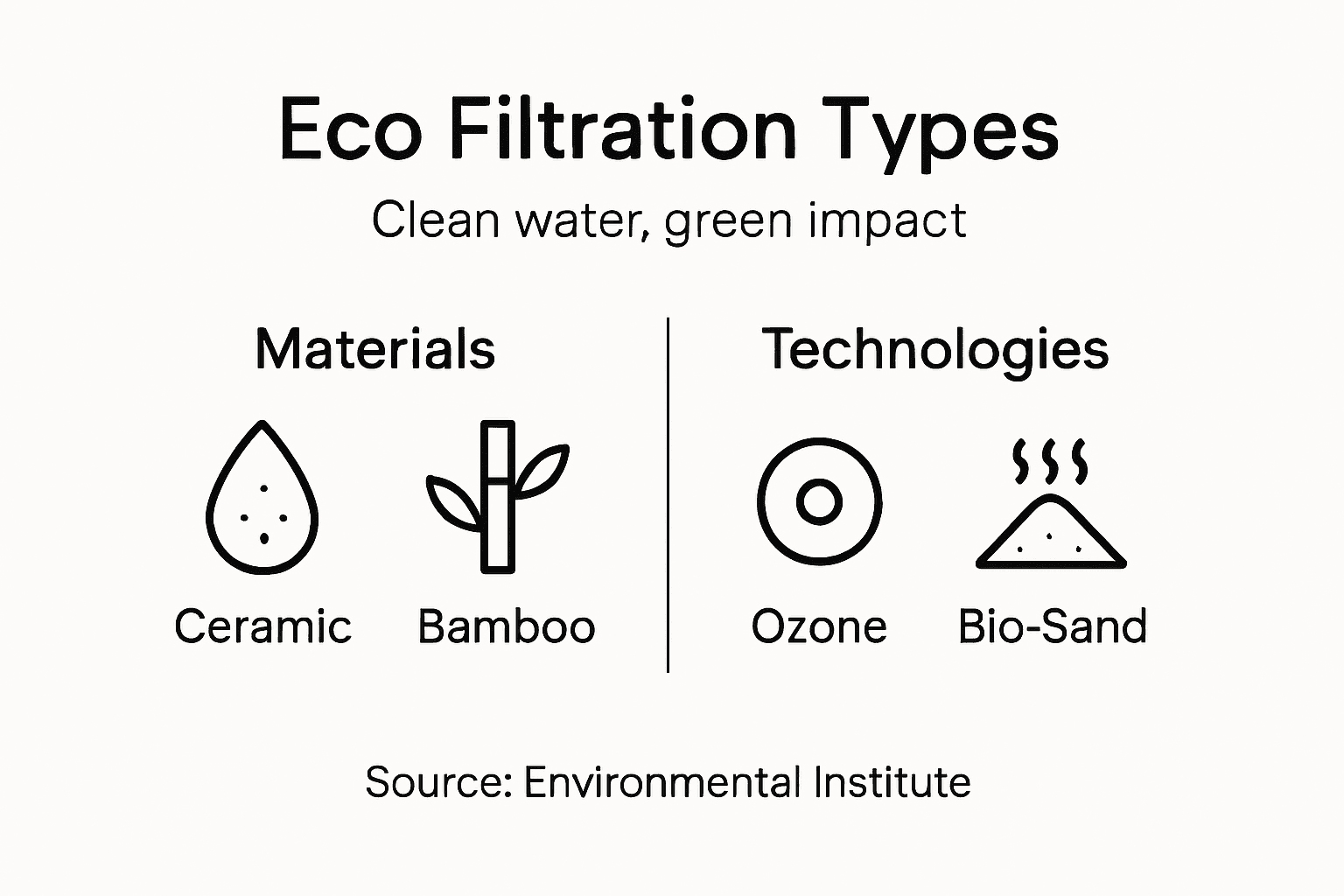
Another critical eco-friendly filtration approach includes ceramic filters, which utilize porous materials to capture bacteria and potential pathogens. These filters are particularly valuable in regions with limited water treatment infrastructure, offering a sustainable solution for removing biological contaminants. Reverse osmosis systems provide an advanced filtration method that uses semi-permeable membranes to eliminate heavy metals, salts, and complex chemical compounds, ensuring comprehensive water purification with minimal environmental disruption.
The primary types of eco-friendly water filtration systems include:
- Activated Carbon Filters: Adsorb organic pollutants and improve water taste
- Ceramic Filters: Capture bacteria and particulate matter through microscopic pores
- Reverse Osmosis Systems: Multi-stage filtration removing chemical and heavy metal contaminants
- Whole-House Filtration Units: Comprehensive water treatment at point of entry
- Biodegradable Membrane Filters: Utilize natural materials for contaminant removal
Understanding the specific characteristics of each filtration system enables homeowners to select water treatment methods that balance environmental sustainability with effective water purification.
Here’s a comparison of major eco-friendly water filtration system types and their best-use scenarios:
| System Type | Ideal For | Longevity |
|---|---|---|
| Activated Carbon | Urban tap water | 4-6 months per filter |
| Ceramic | Rural/remote locations | Up to 1 year with care |
| Reverse Osmosis | High-contaminant sources | 1-2 years per membrane |
| Biodegradable Membrane | Eco-conscious households | 3-6 months; fully compostable |
| Whole-House Unit | Whole property coverage | System lasts 5-10 years |
Pro Tip: Before selecting a water filtration system, conduct a comprehensive water quality test to identify specific contaminants and choose the most appropriate eco-friendly solution.
How Eco-Friendly Filtration Works At Home
Eco-friendly home filtration systems leverage innovative technologies that transform household water treatment into an environmentally conscious process. These systems operate through multiple sophisticated mechanisms designed to remove contaminants while minimizing energy consumption and waste generation.
At the core of home eco-friendly filtration are advanced filtering technologies like activated carbon and reverse osmosis membranes. These methods physically and chemically interact with water contaminants, trapping chemical pollutants, sediments, and microorganisms through intricate filtration layers. Activated carbon filters, for instance, use microscopic porous structures to adsorb impurities, effectively improving water taste and removing potentially harmful chemicals without introducing additional toxins into the environment.
Various home filtration approaches include:
- Layered Sand Filtration: Natural filtration using locally sourced materials
- Activated Carbon Filters: Chemical adsorption of organic compounds
- Reverse Osmosis Systems: Membrane-based comprehensive purification
- Ceramic Filter Technologies: Microscopic pore filtration of bacteria and particles
- Gravity-Based Filtration: Low-energy water treatment methods
Low-cost DIY filtration systems demonstrate how households can create sustainable water treatment solutions using simple, accessible materials like fine sand, gravel, and natural filtering media. These community-driven approaches not only provide clean water but also reduce dependence on energy-intensive commercial filtration technologies.
Pro Tip: Regularly replace your home water filter cartridges and maintain your filtration system to ensure optimal performance and sustained water quality.
Comparing Eco-Friendly And Traditional Filters
Traditional water filters represent a significant environmental challenge, typically constructed from non-biodegradable synthetic materials that contribute extensively to plastic waste and environmental pollution. These conventional systems often prioritize immediate filtration performance without considering long-term ecological consequences.

Eco-friendly water filtration systems fundamentally differ by integrating sustainability into their core design philosophy. While traditional filters rely on synthetic plastics and disposable components, eco-friendly alternatives utilize renewable materials like ceramic, activated carbon from sustainable sources, and natural fibers such as cellulose. These innovative filters not only effectively remove contaminants but also minimize carbon footprint and waste generation through thoughtful material selection and design optimization.
Key comparative aspects between eco-friendly and traditional filters include:
- Material Composition: Synthetic vs. Biodegradable
- Waste Generation: High disposability vs. Minimal environmental impact
- Energy Consumption: Higher energy requirements vs. Efficient, low-energy processes
- Contaminant Removal: Varied effectiveness vs. Comprehensive, targeted filtration
- Long-Term Sustainability: Limited environmental consideration vs. Holistic ecological approach
Certified eco-friendly water filters demonstrate superior performance by combining advanced filtration technologies like activated carbon and reverse osmosis with environmentally responsible design principles. These systems optimize water treatment while actively reducing environmental strain through innovative engineering and sustainable material choices.
This summary highlights the primary advantages and trade-offs between eco-friendly and traditional filters:
| Aspect | Eco-Friendly Filters | Traditional Filters |
|---|---|---|
| Main Materials | Biodegradable, renewable | Synthetic plastics |
| Typical Waste | Minimal, often compostable | High, non-recyclable |
| Upfront Cost | Moderate to high | Lower initial cost |
| Replacement Rate | Less frequent, sustainable | Frequent, landfill-destined |
| Health Impact | Reduces chemical exposure | May leach plastics over time |
Pro Tip: When selecting a water filter, prioritize certifications and sustainable manufacturing practices to ensure both effective water purification and minimal environmental impact.
Health, Cost, And Sustainability Implications
Innovative water filtration technologies are transforming the landscape of public health by addressing critical challenges of water contamination, affordability, and environmental sustainability. These advanced systems go beyond traditional water treatment methods, offering comprehensive solutions that simultaneously protect human health, reduce economic burden, and minimize ecological impact.
The interconnected dimensions of health, cost, and sustainability reveal profound benefits of eco-friendly filtration approaches. By utilizing biodegradable materials like nanocellulose hydrogels, these systems can remove pathogens and microplastics with remarkable efficiency, potentially eliminating nearly 100% of harmful contaminants. This approach not only safeguards individual health but also reduces long-term healthcare expenses associated with waterborne illnesses, creating a multi-layered positive impact on community well-being.
Key implications of sustainable water filtration include:
- Health Protection: Near-total removal of dangerous pathogens
- Economic Advantage: Reduced healthcare costs and increased productivity
- Environmental Conservation: Minimal waste generation
- Accessibility: Low-cost solutions for underserved regions
- Community Empowerment: Local, collaborative water treatment strategies
Community-driven DIY filtration systems demonstrate how locally sourced materials and collaborative approaches can create sustainable water treatment solutions. These innovative methods not only provide clean water but also foster social engagement and economic resilience in resource-limited settings.
Pro Tip: Investigate local water quality and explore community-based filtration solutions that balance effectiveness, affordability, and environmental sustainability.
Experience Cleaner Healthier Water with Eco-Friendly Filtration
Many households face the challenge of finding water purification solutions that not only protect family health but also reduce environmental impact. This article highlights key concerns such as minimizing plastic waste using biodegradable materials and advanced filtration technologies like activated carbon and reverse osmosis. If you want a filtration system that aligns with these sustainable values while ensuring safe chemical and biological contaminant removal you have options that combine innovation with eco-conscious design.
Explore how eco-friendly filtration solutions can transform your home water quality.
Don’t wait to enjoy fresh clean water from a trusted brand focused on health safety and sustainable technology. Visit Coway Water Purifier today to discover water purifiers featuring advanced eco-friendly filtration methods UV sanitization and comprehensive service options. Take control of your water quality with products designed for lasting performance and a reduced environmental footprint. Get yours now and make a positive impact on your health and the planet.
Frequently Asked Questions
What are eco-friendly filtration solutions?
Eco-friendly filtration solutions prioritize environmental sustainability in water purification, using advanced technologies and materials to effectively remove contaminants while minimizing ecological impact.
How do eco-friendly filtration systems compare to traditional filters?
Eco-friendly filtration systems utilize biodegradable and renewable materials, resulting in minimal waste generation and lower energy consumption compared to traditional filters, which often rely on synthetic materials and generate significant plastic waste.
What types of contaminants can eco-friendly filtration systems remove?
Eco-friendly filtration systems can effectively remove various contaminants, including bacteria, heavy metals, microplastics, and chemical pollutants, utilizing technologies such as activated carbon, ceramic filters, and reverse osmosis.
How can I ensure the optimal performance of my eco-friendly water filtration system?
To ensure optimal performance, regularly replace filter cartridges, conduct periodic water quality tests to identify specific contaminants, and maintain your filtration system according to the manufacturer’s guidelines.
Recommended
- Role of Filtration in Health – Why It Matters – Coway Water Purifier
- Understanding the Role of Filtration Technology – Coway Water Purifier
- Advanced Filtration Technology: Cleaner Home Wellness – Coway Water Purifier
- Role of Sustainability in Water Purification: Complete Guide – Coway Water Purifier
- Le dentifrice naturel : une alternative saine pour votre hygiène
