
Uncategorized
Role of Filtration in Health – Why It Matters

Dec
Every American family relies on clean water and air, yet over 60 percent of households experience at least one indoor quality concern each year. Poor filtration quietly exposes people to invisible risks, from respiratory irritants to bacteria in their tap water. As the demand for healthier environments rises, understanding how filtration works and why it matters becomes the foundation for making homes and businesses truly safe.
Table of Contents
- Filtration Defined: Health and Wellness Perspectives
- Types of Filtration: Water and Air Solutions
- How Filtration Systems Remove Contaminants
- Impacts on Home and Business Well-Being
- Risks of Poor Filtration and Common Issues
Key Takeaways
| Point | Details |
|---|---|
| Importance of Filtration | Filtration is essential for removing harmful contaminants from water and air, significantly impacting human health and wellness. |
| Advanced Technologies | Innovative filtration technologies like HEPA and activated carbon filters improve air and water quality across various environments. |
| Health Risks of Poor Filtration | Inadequate filtration can lead to serious health issues, including respiratory problems and exposure to harmful microorganisms. |
| Benefits of Effective Filtration | Implementing comprehensive filtration systems can enhance cognitive performance, reduce absenteeism, and support overall health and wellness. |
Filtration Defined: Health and Wellness Perspectives
Filtration represents a critical process for protecting human health by systematically removing harmful contaminants from water and air. At its core, filtration is a scientific method designed to separate undesirable particles and substances from liquid or gaseous environments, ensuring cleaner, safer resources for consumption and interaction.
The fundamental mechanism of filtration involves physically trapping or chemically neutralizing potentially dangerous elements. Water filtration specifically removes sediment, microorganisms, and chemical impurities through specialized techniques like sediment filters and activated carbon systems. These sophisticated filters work at microscopic levels, blocking particles that could compromise human wellness.
Air filtration follows similar principles, targeting airborne pollutants that can significantly impact respiratory health. Advanced filtration systems reduce exposure to allergens, dust, bacteria, and microscopic contaminants, creating healthier indoor environments. The process involves multiple layers of filtering media designed to capture progressively smaller particles, ranging from large dust elements to nanoscale microorganisms.
Key aspects of effective filtration include:
- Particle size interception
- Chemical absorption capabilities
- Multi-stage filtering mechanisms
- Consistent performance across different environmental conditions
By understanding filtration as more than a simple screening process, individuals can appreciate its profound role in maintaining personal health and protecting against invisible environmental threats.
Types of Filtration: Water and Air Solutions
Filtration technologies have evolved dramatically, offering sophisticated solutions for purifying water and air across residential, commercial, and industrial environments. Water filtration and air filtration represent two critical domains that protect human health by systematically removing potentially harmful contaminants through advanced technological approaches.
Water filtration systems utilize multiple specialized techniques to eliminate impurities, including sediment filters that trap larger particles, activated carbon filters that absorb chemical contaminants, and mixed media filters combining different filtering strategies. These systems work at microscopic levels to ensure water quality, removing everything from visible sediment to dissolved chemical compounds that might compromise health.
Air filtration solutions encompass diverse technologies designed to capture airborne pollutants, including high-efficiency particulate air (HEPA) filters, electrostatic precipitators, and activated carbon filters. Each technology targets specific types of contaminants, ranging from large dust particles to microscopic allergens and potentially harmful microorganisms.
Key filtration technologies include:
- Sediment filters
- Activated carbon filters
- HEPA filters
- Reverse osmosis systems
- Electrostatic precipitators
- Ultraviolet purification systems
By understanding these diverse filtration approaches, individuals and organizations can select targeted solutions that address specific environmental contamination challenges, ultimately protecting human health and improving overall quality of life.
How Filtration Systems Remove Contaminants
Contaminant removal is a sophisticated process involving multiple scientific mechanisms that work together to protect human health. Filtration systems represent complex technological solutions designed to intercept, neutralize, and eliminate potentially harmful substances from water and air through precise engineering strategies.
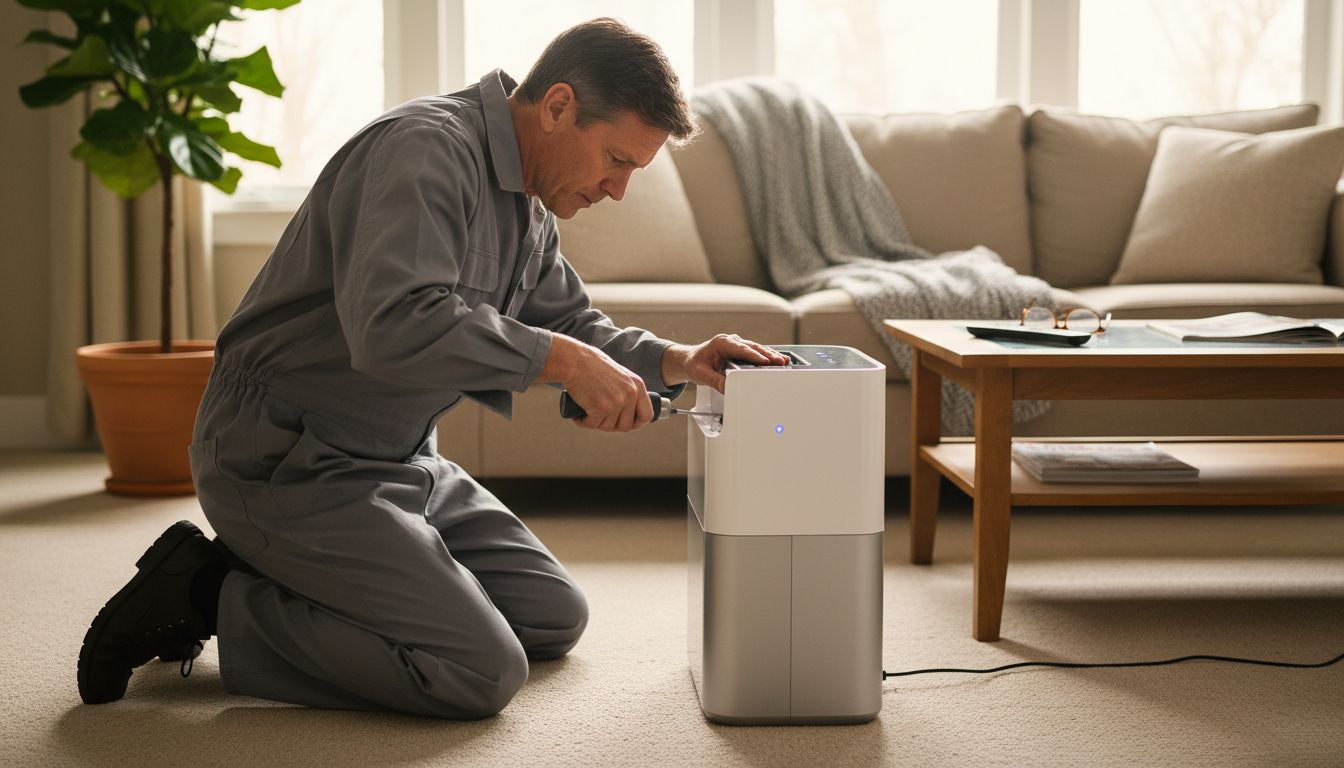
Filtration systems employ three primary mechanisms for removing contaminants: physical barriers, chemical interactions, and biological degradation processes. Physical filtration involves trapping particles through dense mesh or membrane structures with microscopic openings, effectively blocking larger contaminants from passing through. Chemical interactions utilize activated carbon and other specialized media to neutralize dissolved chemicals, heavy metals, and organic compounds through absorption and chemical transformation.
Air filtration technologies utilize advanced capture mechanisms that include mechanical interception, electrostatic attraction, and chemical adsorption. These sophisticated approaches target airborne pollutants with remarkable precision, removing particles ranging from large dust elements to microscopic allergens and potentially harmful microorganisms.
Key contaminant removal strategies include:
- Mechanical particle trapping
- Chemical absorption
- Electrostatic precipitation
- Biological degradation
- Molecular filtration
- Oxidation processes
By understanding these intricate filtration mechanisms, individuals can appreciate the complex scientific principles protecting human health from invisible environmental threats.
Impacts on Home and Business Well-Being
Filtration technologies have emerged as critical solutions for creating healthier indoor environments, transforming how we approach personal and professional wellness. Indoor air quality and water purity directly influence the well-being of individuals across residential and commercial settings, making advanced filtration systems essential investments for long-term health protection.
Implementing advanced air filtration systems has demonstrated significant improvements in health outcomes, reducing respiratory complications and enhancing overall wellness for occupants. These systems act as silent guardians, continuously removing microscopic pollutants that can compromise immune function, trigger allergies, and potentially contribute to chronic health conditions.
Effective filtration contributes to increased productivity and reduced workplace absenteeism by creating cleaner, healthier indoor environments. Businesses and homeowners benefit from reduced exposure to airborne contaminants, which can lead to fewer sick days, improved cognitive performance, and a more robust overall health profile.
Key benefits of comprehensive filtration include:
- Reduced airborne allergen exposure
- Decreased respiratory health risks
- Improved cognitive performance
- Enhanced immune system support
- Lower workplace absenteeism
- Protection against environmental pollutants
By prioritizing advanced filtration technologies, individuals and organizations can create environments that actively support human health, transforming indoor spaces from potential sources of risk to protective sanctuaries of wellness.
Risks of Poor Filtration and Common Issues
Poor filtration represents a significant yet often overlooked threat to human health, potentially exposing individuals to a range of dangerous contaminants that can compromise physiological well-being. Filtration failures can transform seemingly safe environments into sources of potential health risks, making understanding these challenges crucial for proactive protection.
Inadequate water filtration can result in serious health complications, introducing harmful microorganisms and chemical contaminants that lead to gastrointestinal illnesses, weakened immune responses, and long-term health challenges. Unfiltered water may contain heavy metals, pesticide residues, bacterial colonies, and other microscopic threats that bypass traditional treatment processes, creating invisible but potent health hazards.
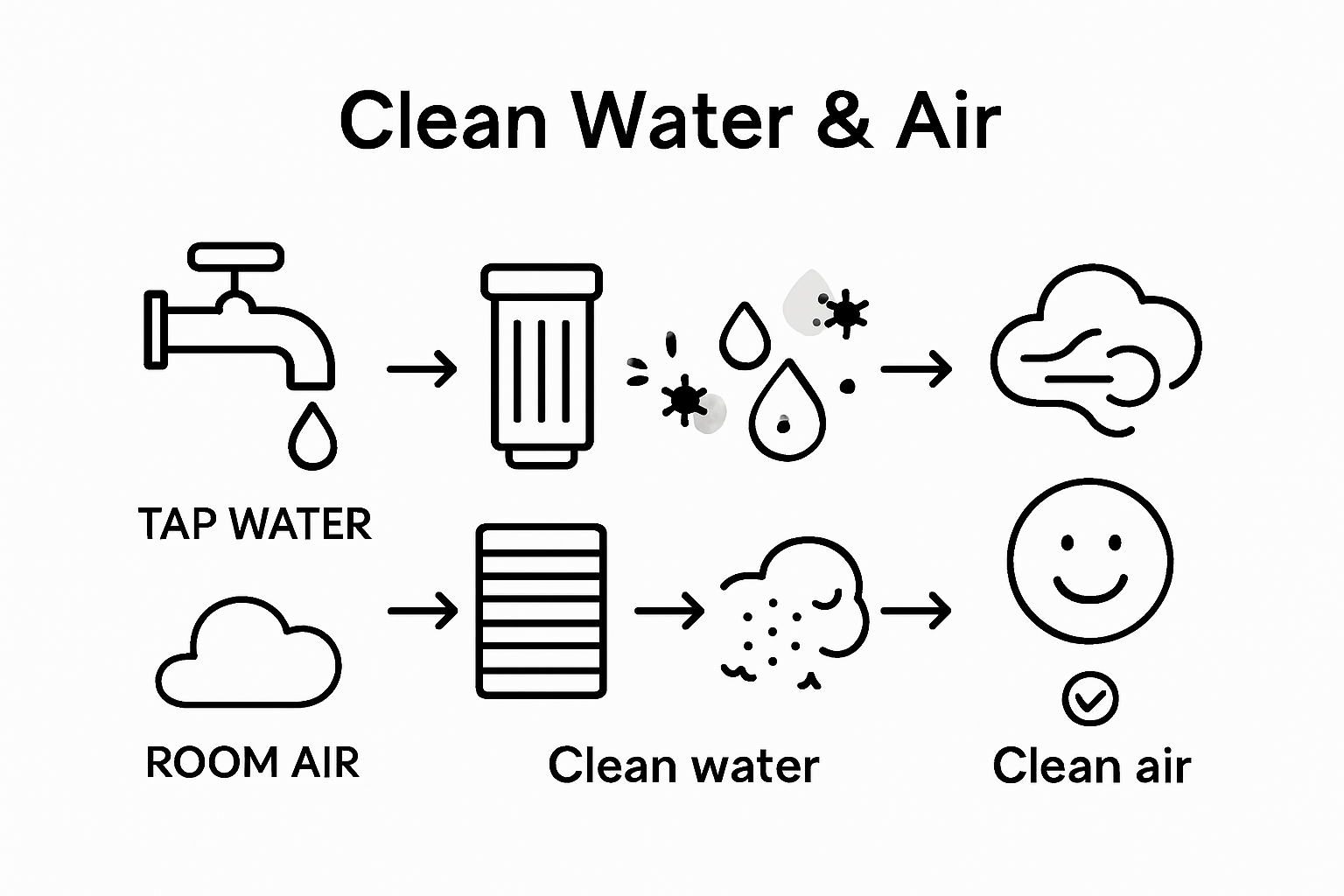
Compromised air filtration allows dangerous pollutants to circulate freely, potentially triggering respiratory problems, allergic reactions, and chronic health conditions. Indoor environments without proper filtration can accumulate particulate matter, volatile organic compounds, mold spores, and other airborne contaminants that continuously challenge human respiratory and immune systems.
Key risks associated with poor filtration include:
- Increased susceptibility to waterborne diseases
- Higher risk of respiratory infections
- Potential long-term organ damage
- Compromised immune system function
- Higher exposure to environmental toxins
- Reduced overall health and wellness
Recognizing these risks underscores the critical importance of maintaining high-quality, consistently monitored filtration systems that protect against both visible and invisible environmental health threats.
Protect Your Health with Advanced Filtration Solutions from Coway
The article highlights the vital role of filtration in removing harmful water and air contaminants that threaten your well-being. Problems such as exposure to microorganisms, chemical impurities, allergens, and airborne pollutants demand reliable filtration technology that works continuously and efficiently. Key challenges include intercepting microscopic particles, neutralizing chemicals, and maintaining consistent performance to support your immune system and respiratory health.
Experience peace of mind by investing in Coway’s state-of-the-art water and air purifiers that combine multi-stage filtration with UV sanitization. Our systems are designed to eliminate invisible risks and create safer indoor environments for you and your family. Discover how advanced filtration technology can transform your home or workplace today.
Explore our selection of innovative products on the Uncategorized Archives – Coway Water Purifier.
Take control of your health by choosing trusted filtration solutions now at https://cowayswaterpurifier.com. Protect your living space with Coway’s expert technology, free delivery, installation, and maintenance services. Don’t wait until filtration failures impact your wellness. Get yours and breathe easier today.
Frequently Asked Questions
What is the importance of filtration for health?
Filtration is crucial for maintaining health as it effectively removes harmful contaminants from water and air, ensuring that we consume and breathe safer resources, which can significantly enhance overall wellness.
How do water filtration systems work to remove contaminants?
Water filtration systems utilize various techniques, such as sediment filters, activated carbon filters, and mixed media filters, to eliminate impurities ranging from visible particles to dissolved chemical compounds, thereby improving water quality.
What types of air filtration technologies are available for residential use?
Residential air filtration technologies include HEPA filters, activated carbon filters, and electrostatic precipitators, each designed to capture specific airborne pollutants, such as allergens, dust, and harmful microorganisms, enhancing indoor air quality.
What are the risks associated with poor filtration systems?
Poor filtration can lead to serious health risks, including exposure to waterborne diseases, respiratory infections, and long-term organ damage, as inadequate systems may fail to remove harmful microorganisms and chemical impurities effectively.
Recommended
- Understanding the Role of Filtration Technology – Coway Water Purifier
- What is Water Filtration? Understanding Its Importance – Coway Water Purifier
- Complete Guide to Why Water Filters Are Important – Coway Water Purifier
- 7 Benefits of Water Filtration for Your Home and Health – Coway Water Purifier
- Diesel Particulate Filter Maintenance for Professionals – My WordPress
