
Uncategorized
Advanced Filtration Technology: Cleaner Home Wellness

Dec
A surprising one in three American homes may have unsafe levels of contaminants in tap water or indoor air, posing risks that go far beyond taste or comfort. For urban homeowners focused on health, choosing advanced filtration technology can be the difference between everyday exposure and true peace of mind. This guide breaks down exactly how today’s sophisticated systems deliver cleaner water and air, helping you protect your family’s well-being in ways older methods simply cannot match.
Table of Contents
- What Defines Advanced Filtration Technology
- Types of Filtration for Home Use
- How Multi-Stage Filtration Systems Work
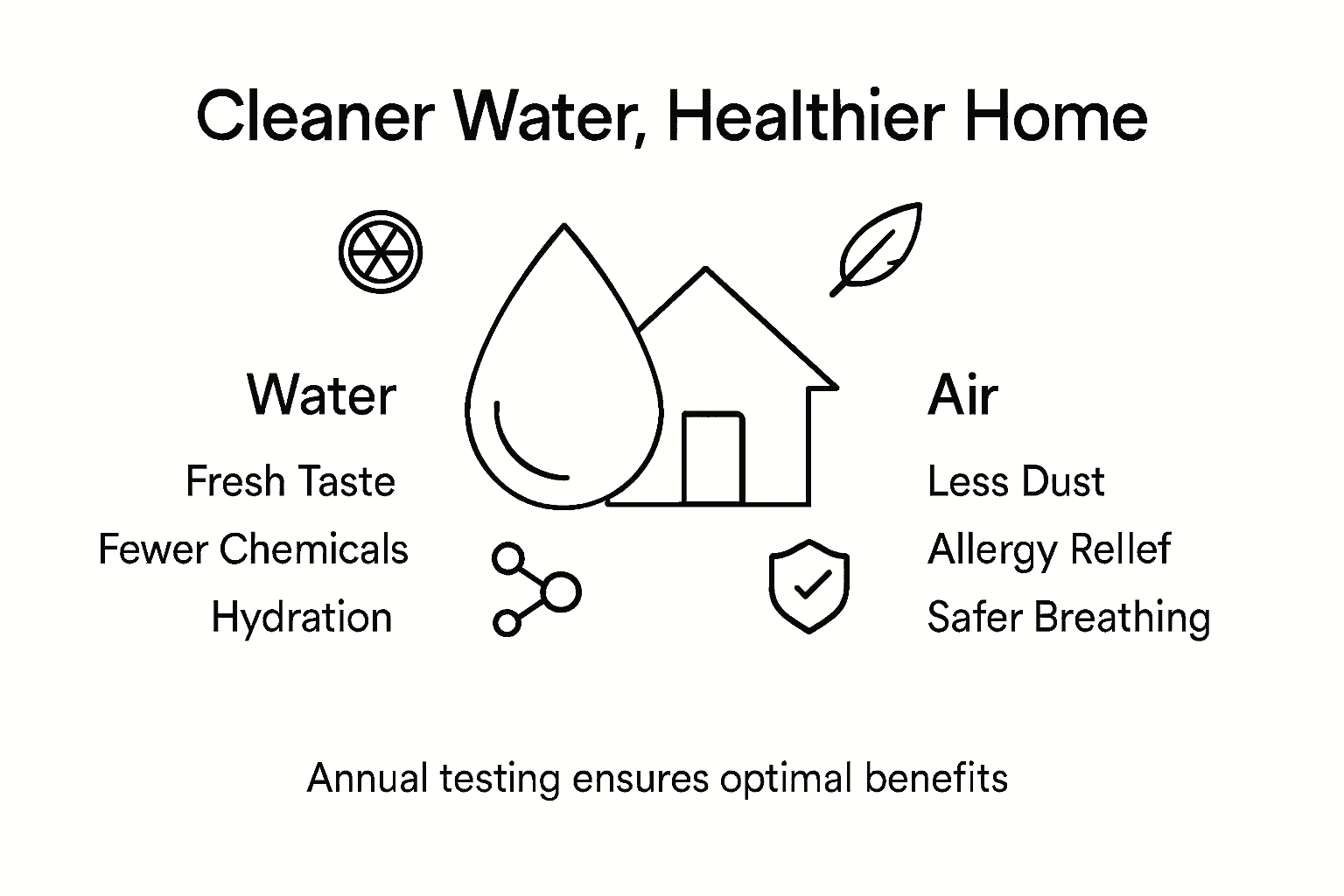
- Health Benefits of Cleaner Water and Air
- Costs, Upkeep, and Choosing the Right System
Key Takeaways
| Point | Details |
|---|---|
| Advanced Filtration Technology | Employs multi-stage processes to remove contaminants at molecular levels, ensuring thorough purification of water and air. |
| Home Filtration Options | Various systems like sediment, activated carbon, and reverse osmosis are tailored to address specific contaminant profiles for effective purification. |
| Health Benefits | Cleaner water and air can significantly improve respiratory health, enhance immune function, and reduce exposure to harmful pollutants. |
| Cost Considerations | Evaluate initial purchase, maintenance, and long-term operational costs when selecting a filtration system to ensure it meets specific needs. |
What Defines Advanced Filtration Technology
Advanced filtration technology represents a sophisticated approach to purifying water and air by utilizing complex, multi-stage mechanisms designed to eliminate contaminants at molecular and microscopic levels. Cutting-edge filtration systems rely on precision engineering that goes far beyond traditional filtering methods, targeting impurities with unprecedented accuracy and efficiency.
The core distinguishing factor of advanced filtration technology lies in its comprehensive approach to purification. Unlike basic filters that merely strain out large particles, these sophisticated systems employ multiple stages of treatment, including pre-filtration, membrane separation, and advanced molecular screening. By combining different filtration techniques, these systems can remove an extensive range of contaminants such as suspended particles, chlorine, heavy metals, microorganisms, and even molecular-level impurities that conventional methods might miss.
Key characteristics of advanced filtration technology include:
- High-precision semipermeable membranes
- Multi-stage purification processes
- Molecular-level contaminant removal
- Rigorous safety and performance standards
- Adaptability to different water and air quality challenges
Pro tip: When evaluating advanced filtration systems, look beyond marketing claims and request detailed performance specifications that demonstrate the technology’s specific contaminant removal capabilities.
Types of Filtration for Home Use
Home water filtration technologies have evolved significantly, offering diverse solutions to address specific water quality challenges. Household water filters encompass multiple types designed to target different contaminants, ensuring comprehensive water purification for residential environments.
The primary categories of home filtration systems include sediment filters, activated carbon filters, and mixed media filters. Sediment filters effectively remove larger particles like sand, rust, and debris, acting as the first line of defense in water treatment. Activated carbon filters excel at eliminating chlorine, organic compounds, and unpleasant odors, while mixed media filters combine multiple filtration technologies to provide more comprehensive water treatment.
Key home filtration types include:
- Sediment filters for particle removal
- Activated carbon filters for chemical and odor reduction
- Reverse osmosis systems for comprehensive purification
- UV filtration systems for microbial elimination
- Ceramic filters for pathogen removal
- Ion exchange filters for water softening
Pro tip: Conduct a comprehensive water quality test before selecting a filtration system to ensure you choose the most appropriate technology for your specific contaminant profile.
Here’s a comparison of common home filtration systems and their ideal use scenarios:
| Filtration System | Best For | Typical Maintenance | Cost Range |
|---|---|---|---|
| Sediment Filter | Removing sand and debris | Quarterly cleaning | Low |
| Activated Carbon | Taste and odor improvement | Filter replacement | Moderate |
| Reverse Osmosis | Comprehensive purification | Annual checks | High |
| UV Filtration | Microbial elimination | Bulb replacement | Moderate-High |
| Ceramic Filter | Pathogen reduction | Regular scrubbing | Low |
| Ion Exchange | Water softening/mineral removal | Salt refills | Moderate |
How Multi-Stage Filtration Systems Work
Multi-stage filtration systems represent a sophisticated approach to water purification, employing complex mechanisms to progressively remove contaminants. Multi-media filters utilize multiple layers of specialized media such as anthracite coal, sand, and garnet to systematically eliminate impurities through intricate filtration processes.
The core functionality of these advanced systems revolves around three primary particle removal mechanisms: straining, sedimentation, and adhesion. Each filtration stage is strategically designed to target specific types and sizes of contaminants. The initial stages typically focus on removing larger particulate matter, while subsequent layers address progressively smaller particles, ultimately producing water with exceptional purity and clarity.
Key components of multi-stage filtration systems include:
- Sediment pre-filters for large particle removal
- Activated carbon layers for chemical and organic compound elimination
- Ceramic or membrane filters for microbial and microscopic contaminant reduction
- Ion exchange stages for mineral and heavy metal extraction
- Final polishing filters to ensure water clarity and taste
Pro tip: When selecting a multi-stage filtration system, compare the specific contaminant removal capabilities of each stage to ensure comprehensive water treatment tailored to your local water quality profile.
Health Benefits of Cleaner Water and Air
Access to safe water and sanitation represents a critical foundation for human health, significantly impacting overall well-being and disease prevention. By implementing advanced filtration technologies, households can dramatically reduce exposure to harmful contaminants, protecting family members from potential waterborne and airborne health risks.
The health implications of clean water and air extend far beyond simple hydration and breathing. Respiratory health and immune system function are directly influenced by the quality of our environmental exposures. Reducing pollutants through comprehensive filtration can mitigate risks of chronic conditions such as asthma, cardiovascular diseases, and long-term respiratory complications. Clean indoor air strategies involving high-efficiency particulate air (HEPA) filters and advanced ventilation systems play a crucial role in maintaining optimal health.
Key health benefits of advanced filtration include:
- Reduction of waterborne disease risks
- Elimination of harmful chemical contaminants
- Improved respiratory function
- Enhanced immune system performance
- Decreased exposure to environmental pollutants
- Better overall metabolic and cellular health
Pro tip: Conduct annual water and air quality testing to understand your specific environmental health risks and adjust your filtration strategy accordingly.
Costs, Upkeep, and Choosing the Right System
Investing in a home filtration system requires careful consideration of multiple factors beyond initial purchase price, including long-term maintenance costs, performance capabilities, and specific household water quality needs. Understanding the total cost of ownership helps homeowners make informed decisions that balance economic considerations with comprehensive water and air purification requirements.

The key financial aspects of filtration systems include upfront equipment costs, replacement filter expenses, installation charges, and ongoing maintenance requirements. Different filtration technologies vary significantly in their pricing structures, with more advanced multi-stage systems typically demanding higher initial investments but offering more comprehensive contaminant removal. Homeowners should evaluate their specific water quality challenges, budget constraints, and desired performance levels when selecting an appropriate filtration solution.
Critical considerations when choosing a filtration system include:
- Initial purchase price
- Filter replacement frequency and cost
- Energy consumption requirements
- Compatibility with existing plumbing
- Specific contaminant removal capabilities
- Warranty and service support
- Professional installation needs
- Long-term operational expenses
Pro tip: Request comprehensive performance data and total lifetime cost estimates from manufacturers before making a final purchase decision, ensuring you understand the complete financial commitment of your chosen filtration system.
To help select the optimal system, see this summary of cost and upkeep for popular home filtration options:
| System Type | Upfront Cost Estimate | Annual Upkeep Cost | Filter Lifespan |
|---|---|---|---|
| Sediment Filter | $40–$80 | $30–$60 | 3–6 months |
| Carbon Filter | $60–$200 | $50–$100 | 6–12 months |
| Reverse Osmosis | $250–$750 | $100–$250 | 1–2 years |
| UV Filtration | $100–$350 | $70–$150 | 1 year (bulb) |
| Ceramic Filter | $50–$120 | $20–$40 | 6–12 months |
Elevate Your Home Wellness with Advanced Filtration Solutions
The challenge of maintaining truly clean water and air at home requires more than basic filters. As the article explains, advanced filtration technology targets contaminants at the microscopic and molecular levels through multi-stage purification. This approach solves key pain points like removing harmful chemicals, microbes, and odors that affect your family’s health and comfort.
At Coway, we understand your goal to protect loved ones with reliable, scientifically backed filtration. Our range of water purifiers features semipermeable membranes, UV sanitization, and multi-layer filtration designed for comprehensive contaminant removal. To match your unique water and air quality needs, Coway offers countertop, under-sink, and large-capacity systems backed by free delivery and expert installation.
Discover how advanced filtration can transform your home wellness today by exploring our solutions at Coway Water Purifier. For insights and tips reflecting the latest in home purification technology, visit our Uncategorized Archives – Coway Water Purifier.
Take control of your environment now and invest in peace of mind. Visit https://cowayswaterpurifier.com to find your perfect purifier and experience the health benefits of truly clean water and air.
Frequently Asked Questions
What is advanced filtration technology?
Advanced filtration technology encompasses sophisticated systems designed to purify water and air by removing contaminants at molecular and microscopic levels, utilizing multi-stage mechanisms that provide more effective purification than traditional methods.
How do multi-stage filtration systems work?
Multi-stage filtration systems operate by progressively removing contaminants through various layers of specialized media, focusing on larger particles first and then eliminating smaller impurities, resulting in exceptionally pure water.
What are the health benefits of using advanced filtration systems?
Implementing advanced filtration systems can reduce the risk of waterborne diseases, eliminate harmful chemical contaminants, improve respiratory function, enhance immune system performance, and decrease exposure to environmental pollutants, contributing to better overall health.
What factors should I consider when choosing a home filtration system?
When selecting a home filtration system, consider the initial purchase price, maintenance costs, filter replacement frequency, energy consumption, specific contaminant removal capabilities, warranty, and whether professional installation is needed.
Recommended
- Role of Filtration in Health – Why It Matters – Coway Water Purifier
- 7 Must-Have Filtration Technologies for Home Wellness – Coway Water Purifier
- Understanding the Role of Filtration Technology – Coway Water Purifier
- Health Benefits of Air and Water Purification at Home – Coway Water Purifier
