
Uncategorized
Health Benefits of Air and Water Purification at Home
Dec
Over 80 percent of American families live with air or water quality concerns that could impact their children’s health. With invisible pollutants threatening wellness inside the home, finding trusted solutions takes on greater urgency. This guide reveals how today’s advanced purification technologies can protect your family by removing contaminants from the resources you depend on every day.
Table of Contents
- Defining Air and Water Purification Technologies
- Comparing Types and Filtration Methods
- How Purified Air and Water Impact Health
- Risks of Poor Indoor Air and Water Quality
- Mistakes to Avoid When Choosing Purifiers
Key Takeaways
| Point | Details |
|---|---|
| Invest in Comprehensive Systems | Combining multiple air and water purification technologies ensures a broader range of contaminants are addressed, enhancing indoor environmental safety. |
| Understand Filtration Techniques | Familiarize yourself with various filtration methods, such as HEPA and activated carbon, to choose the most effective solutions for your specific contaminants. |
| Monitor Environmental Quality | Regular testing of air and water quality is crucial for identifying potential hazards and ensuring optimal home safety. |
| Avoid Common Pitfalls | Select purification systems based on specific needs rather than cost alone, and consider ongoing maintenance to ensure long-term effectiveness. |
Defining Air and Water Purification Technologies
Modern home environments face increasing challenges from invisible contaminants that can compromise health and wellness. Air and water purification technologies represent sophisticated solutions designed to eliminate harmful substances, creating safer living spaces for families. These advanced systems utilize multiple scientific approaches to remove potentially dangerous pollutants from our most essential resources.
Water purification technologies encompass several key filtration methods, including mechanical, chemical, and biological processes. Biofilters utilize microorganisms to degrade pollutants by passing contaminated water through biologically active media, effectively breaking down volatile organic compounds and other harmful substances. Similarly, packed tower aeration techniques remove volatile contaminants by transferring them from water to air, providing multi-stage treatment strategies that significantly improve water quality.
Air purification technologies work through complementary mechanisms, including mechanical filtration, activated carbon absorption, and advanced UV sanitization. High-efficiency particulate air (HEPA) filters capture microscopic particles like dust, pollen, and bacteria, while activated carbon filters neutralize odors and trap gaseous pollutants. Ultraviolet light systems provide an additional layer of protection by destroying microbial DNA, preventing bacterial and viral reproduction in indoor environments.
Pro Tip for Home Wellness: Invest in comprehensive purification systems that combine multiple filtration technologies, ensuring you’re addressing a wide range of potential contaminants across both air and water treatment strategies.
Here’s a quick comparison of major air and water purification methods and their targeted contaminants:
| Purification Method | Main Contaminant Targeted | Typical Application |
|---|---|---|
| HEPA Filtration | Dust, pollen, bacteria | Air purification |
| Activated Carbon | Gaseous pollutants, odors | Air & water filtration |
| UV Sanitization | Microbial pathogens | Air & water treatment |
| Reverse Osmosis | Dissolved salts, heavy metals | Water purification |
| Biological Biofilter | Organic pollutants, VOCs | Water purification |
Comparing Types and Filtration Methods
Water and air purification technologies have evolved dramatically, offering multiple sophisticated approaches to removing contaminants. Filtration methods represent a complex spectrum of techniques, each designed to target specific types of pollutants and environmental challenges. Understanding these approaches helps homeowners make informed decisions about protecting their indoor environments.
Water filtration technologies showcase remarkable diversity in their mechanisms. Novel modified sand with silver demonstrates advanced antibacterial capabilities and iron ion removal efficiencies, representing cutting-edge developments in water treatment. Shock electrodialysis presents a multifunctional approach to water purification, simultaneously addressing deionization, filtration, separation, and disinfection challenges. These innovative methods extend far beyond traditional filtering techniques, offering comprehensive contaminant management.
Comparative filtration approaches can be categorized into several primary types. Mechanical filtration physically removes particles through dense media like ceramic or fiber filters. Chemical filtration neutralizes contaminants using activated carbon or chemical reactions. Biological filtration leverages microorganisms to break down organic pollutants. Advanced technologies like reverse osmosis, ultraviolet purification, and ion exchange represent increasingly sophisticated methods that combine multiple purification strategies.
Pro Tip for Filtration Selection: Evaluate your specific water and air quality needs by conducting professional testing, then choose purification technologies that directly address the most prevalent contaminants in your home environment.
How Purified Air and Water Impact Health
Pure air and water are fundamental to human health, serving as critical foundations for overall wellness and disease prevention. Environmental quality directly influences our physiological systems, with contamination posing significant risks to both short-term functionality and long-term health outcomes. Modern scientific research increasingly demonstrates the profound connections between environmental purity and human biological performance.
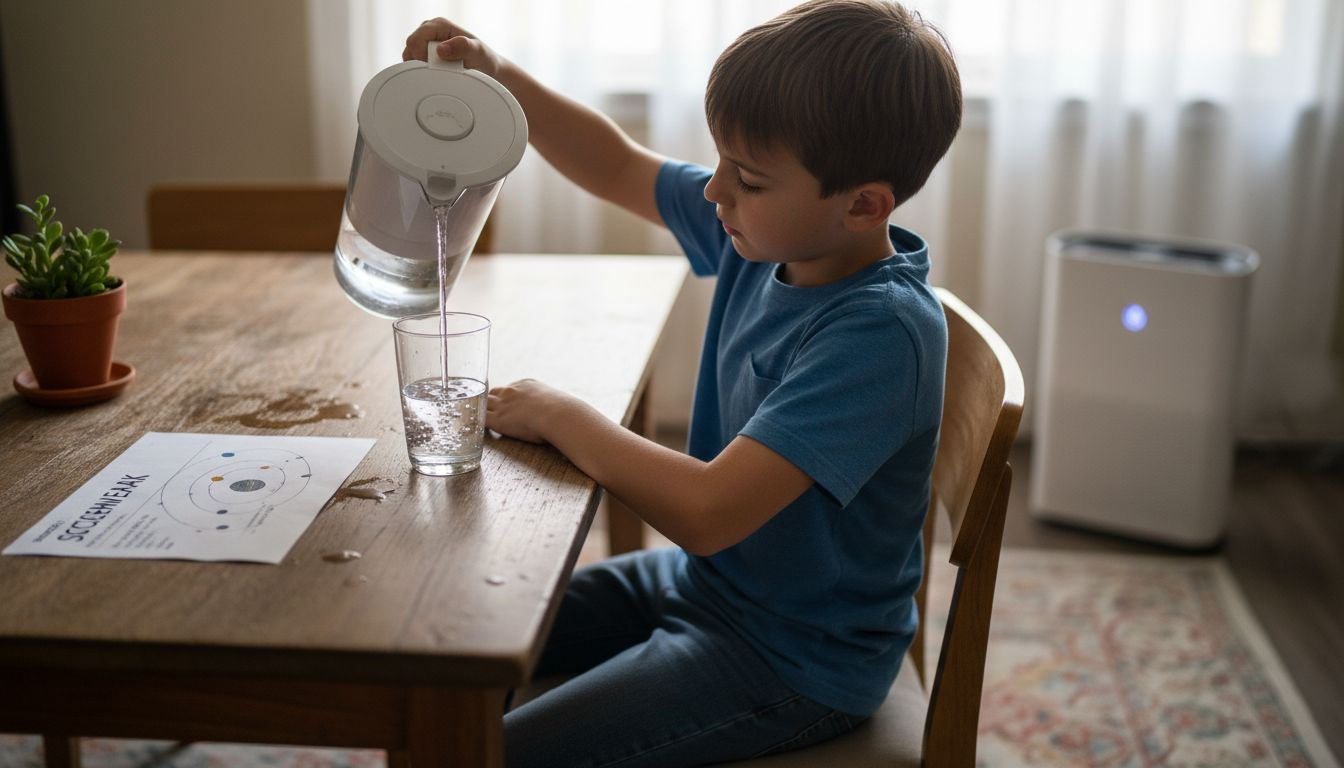
Integrated environmental management research reveals dramatic public health improvements, particularly in regions where comprehensive water and air purification strategies are implemented. These studies highlight substantial reductions in childhood diseases, including dramatic decreases in respiratory infections and digestive disorders. Advanced atmospheric pollutant removal technologies offer promising strategies for enhancing climate and health objectives, suggesting that targeted environmental interventions can create measurable health benefits.
The health impacts of purified air and water extend across multiple physiological domains. Contaminant-free water supports optimal cellular hydration, metabolic processes, and immune system functionality. Clean air reduces inflammatory responses, minimizes respiratory stress, and prevents the introduction of harmful particulates into the bloodstream. Persistent exposure to unfiltered air and water can lead to chronic health conditions, including compromised immune responses, increased susceptibility to infections, and potential long-term organ damage.
Pro Tip for Health Protection: Implement comprehensive home filtration systems that address both air and water purification, creating a holistic approach to environmental health management and personal wellness.
Below is a concise overview of common health impacts of purified versus unpurified air and water:
| Quality Level | Short-Term Effects | Long-Term Health Impact |
|---|---|---|
| Purified | Better breathing, fewer symptoms | Reduced disease risk |
| Poor/Unfiltered | Headaches, irritation, infections | Chronic illness, organ damage |
Risks of Poor Indoor Air and Water Quality
Poor indoor air and water quality represent silent yet pervasive threats to human health, capable of causing significant long-term damage to our physiological systems. Environmental contamination lurks invisibly in seemingly safe home environments, potentially exposing families to a range of serious health risks that often go unnoticed until serious symptoms emerge. Understanding these hidden dangers is crucial for proactive health management.
Environmental research highlights critical health risks associated with indoor air and water contaminants, with specific concerns around particulate matter and chemical pollutants. High levels of PM2.5 particles and environmental toxins like arsenic can trigger severe respiratory complications, cardiovascular stress, and long-term cellular damage. The Environmental Protection Agency emphasizes the critical importance of comprehensive drinking water treatment technologies to mitigate potential health hazards that can arise from untreated water sources.
The spectrum of health risks from poor indoor environments is broad and deeply concerning. Contaminated water can introduce harmful microorganisms, heavy metals, and chemical compounds that compromise immune function and potentially lead to chronic diseases. Polluted indoor air can cause immediate symptoms like headaches, respiratory irritation, and allergic reactions, while prolonged exposure may contribute to more serious conditions including asthma, cardiovascular diseases, and increased cancer risks. Children, elderly individuals, and those with pre-existing health conditions are particularly vulnerable to these environmental threats.
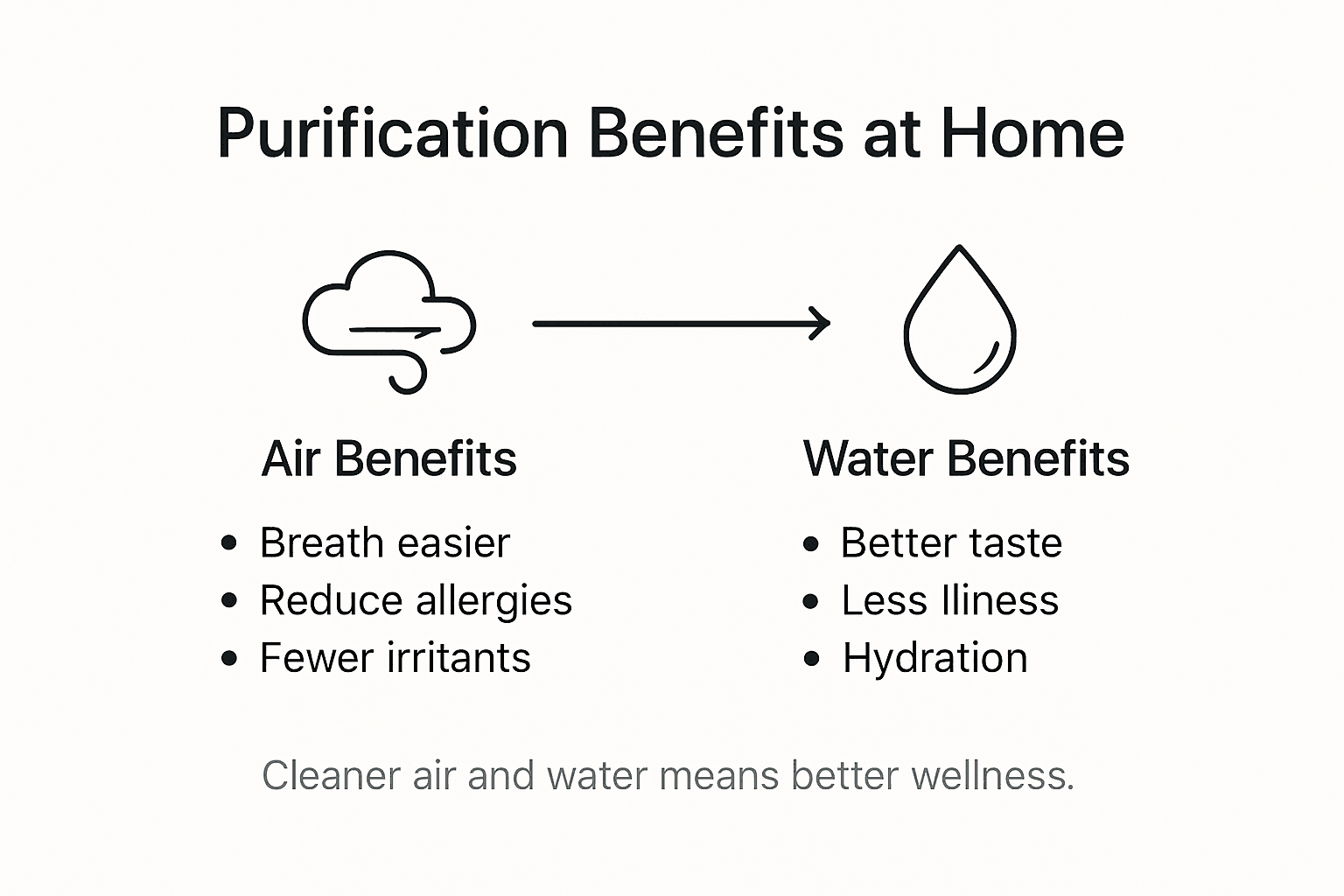
Pro Tip for Environmental Health: Conduct annual professional testing of your home’s air and water quality, and invest in comprehensive filtration systems that address multiple types of potential contaminants to create a safer living environment.
Mistakes to Avoid When Choosing Purifiers
Selecting the right air and water purification system requires careful consideration and strategic decision-making. Purification technology is complex, and homeowners often make critical errors that compromise their health and financial investment. Understanding these common pitfalls can help families make more informed choices about protecting their indoor environment.
The Environmental Protection Agency cautions against overlooking essential factors when selecting water treatment technologies, emphasizing the importance of matching purification systems to specific contaminant types and household needs. Advanced research on electrodialysis underscores the risks of misapplying purification technologies, highlighting the need for comprehensive understanding of each system’s capabilities and limitations.
Common mistakes in purifier selection include prioritizing cost over performance, failing to match the system to specific environmental contaminants, and neglecting ongoing maintenance requirements. Many consumers choose low-cost options that appear economical but ultimately provide minimal protection. Others mistakenly assume that a single purification method can address all potential pollutants, when in reality, comprehensive protection often requires multi-stage filtration strategies. Overlooking critical factors like filter replacement schedules, system compatibility with existing plumbing or HVAC systems, and the specific pollutant profile of their home environment can lead to ineffective purification.
Pro Tip for Smart Purifier Selection: Conduct a professional home environmental assessment before purchasing any purification system, ensuring you select a solution precisely matched to your specific air and water quality challenges.
Elevate Your Home Health with Coway’s Advanced Air and Water Purifiers
Protecting your family from harmful contaminants in indoor air and water is essential for lasting wellness. This article highlights the critical challenges of poor indoor environmental quality and the profound health benefits of purification technologies like HEPA filtration, UV sanitization, and biofiltration. If you are concerned about respiratory irritation, microbial pathogens, or chemical pollutants negatively affecting your home, it is time to invest in comprehensive purification solutions designed to tackle a broad spectrum of contaminants.
Discover how Coway’s innovative products use advanced filtration methods to create safer living spaces while supporting your health goals. With options ranging from countertop and under-sink water purifiers to powerful air purifiers featuring multi-stage filtration, Coway offers reliable technology that aligns with proven scientific approaches.
Explore our collection and see how integrating both air and water purification in your home can help you breathe easier and hydrate better every day.
Take control of your home’s air and water quality now. Visit Coway Water Purifier to find expertly designed solutions backed by health research. Don’t wait until symptoms appear – act today and invest in your family’s long-term health with Coway’s trusted purification systems.
Frequently Asked Questions
What are the health benefits of air and water purification at home?
Purified air and water provide numerous health benefits, including improved respiratory function, reduced risk of allergies and asthma, better hydration, and enhanced immune system performance. Clean air and water help to prevent exposure to harmful pollutants that can lead to chronic health conditions.
How do air and water purification technologies work?
Air purification technologies generally utilize mechanical filtration, activated carbon absorption, and UV sanitization to remove pollutants from indoor air. Water purification methods, including mechanical, chemical, and biological processes, effectively eliminate contaminants, ensuring safe drinking water and reducing health risks.
What are common contaminants that air and water purifiers can eliminate?
Air purifiers can target dust, pollen, bacteria, and gaseous pollutants. Water purifiers address contaminants such as heavy metals, organic pollutants, and volatile organic compounds, helping to ensure cleaner and safer resources for families.
How can I choose the right air and water purification systems for my home?
To choose the right systems, evaluate your specific air and water quality needs through professional testing. Select purification technologies that directly address the prevalent contaminants in your environment and consider systems that combine multiple filtration methods for comprehensive protection.
Recommended
- 7 Key Benefits of Water Purification for Your Home – Coway Water Purifier
- 7 Key Water Purification Benefits for Homeowners – Coway Water Purifier
- Understanding Air vs Water Purifiers: Key Differences Explained – Coway Water Purifier
- Role of Filtration in Health – Why It Matters – Coway Water Purifier
- 7 Essential Immune Health Tips for Adults Over 40 – Real Healthy Haven
