
Uncategorized
The Essential Guide to Safe Drinking Water

Nov
More than two billion people worldwide lack access to safe drinking water, putting their health at serious risk every single day. Clean water is not just about quenching thirst, but about preventing disease and supporting daily life. With water safety tied directly to well-being, understanding the standards and methods that keep our water clean has never been more vital. This overview reveals what makes water truly safe and why every household should care.
Table of Contents
- Defining Safe Drinking Water Standards
- Health Benefits And Essential Functions
- Common Sources And Types Of Contamination
- Water Purification Methods And Technologies
- Legal Regulations And Quality Guidelines
- Risks Of Unsafe Water And Prevention Strategies
Key Takeaways
| Point | Details |
|---|---|
| Safe Drinking Water is a Human Right | Access to clean water is essential for health and well-being, governed by standards set under the Safe Drinking Water Act to minimize contaminants. |
| Health Benefits of Clean Water | Safe drinking water is vital for hydration, metabolic processes, immune function, and cognitive performance, reinforcing its importance in daily life. |
| Sources of Contamination | Water quality can be compromised by biological contaminants and chemical pollutants from agricultural, industrial, and urban sources, necessitating proactive measures. |
| Importance of Water Purification | Advanced purification technologies are crucial for removing contaminants and ensuring public health, empowering consumers to protect their water quality. |
Defining Safe Drinking Water Standards
Water safety isn’t just a luxury. It’s a fundamental human right that directly impacts our health and wellbeing. According to the EPA, the Safe Drinking Water Act (SDWA) establishes critical national standards designed to protect public health by regulating contaminants in drinking water systems.
The regulatory framework for safe drinking water is comprehensive and scientifically driven. CDC regulations set legally enforceable standards that limit over 90 different potential contaminants. These standards aren’t arbitrary but meticulously crafted to address both naturally occurring and human-made threats to water quality.
Key components of drinking water standards include:
- Maximum Contaminant Levels (MCLs): Specific numerical limits for harmful substances
- Treatment Techniques: Required processes to reduce contamination risks
- Monitoring Requirements: Regular testing and reporting protocols
- Public Notification Rules: Mandatory communication about water quality issues
Understanding these standards empowers consumers to make informed decisions about their water safety.
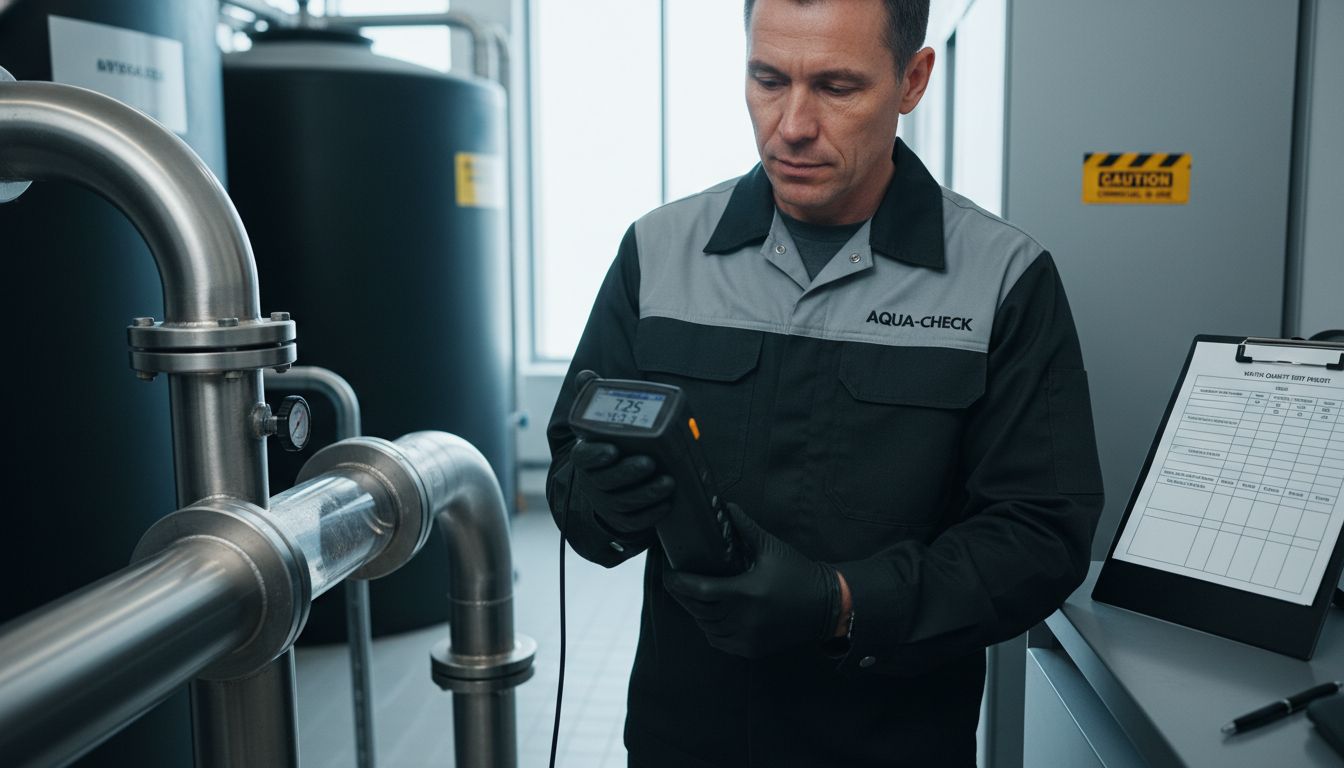 While public water systems are regulated, individual awareness remains crucial in maintaining and verifying water quality at home.
Health Benefits and Essential Functions
Clean water is far more than a simple beverage. It’s a critical component of human survival and wellness. WHO emphasizes that safe drinking water plays a pivotal role in preventing life-threatening diseases such as cholera, dysentery, typhoid, and polio, which can devastate communities through contaminated water sources.
The human body relies on water for numerous essential functions that maintain our overall health and biological processes. Hydration is just the beginning. Water supports critical bodily systems including temperature regulation, nutrient transportation, waste elimination, joint lubrication, and cellular metabolism. Without adequate clean water, these fundamental processes become compromised, leading to potential health complications.
Key health benefits of consuming safe drinking water include:
- Optimal Cellular Function: Supports efficient cellular communication and energy production
- Metabolic Efficiency: Helps metabolize food and regulate body temperature
- Immune System Support: Assists in flushing toxins and supporting immune responses
- Cognitive Performance: Maintains mental clarity and prevents dehydration-related cognitive decline
Understanding water’s multifaceted role in human health transforms our perspective from seeing it as a simple liquid to recognizing it as a complex, life-sustaining resource.
Regular access to clean, safe drinking water isn’t just recommended — it’s absolutely essential for maintaining long-term physical and mental well-being.
Common Sources and Types of Contamination
Water contamination is a complex issue with multiple potential origins that can compromise drinking water safety. Biological contaminants, chemical pollutants, and environmental toxins represent the primary categories of substances that can infiltrate water systems and pose significant health risks.
Natural and human-made sources contribute to water contamination in diverse ways. Biological contaminants include bacteria, viruses, parasites, and microorganisms that can enter water through animal waste, sewage leaks, and inadequate sanitation. Chemical pollutants emerge from industrial processes, agricultural runoff, pharmaceutical residues, and underground mineral deposits.
Key sources of water contamination include:
- Agricultural Runoff: Pesticides, fertilizers, and animal waste
- Industrial Discharge: Heavy metals, chemical solvents, and manufacturing byproducts
- Underground Mineral Leaching: Naturally occurring substances like arsenic, lead, and mercury
- Urban Infrastructure: Aging pipe systems, road salt, and municipal waste
- Environmental Factors: Groundwater pollution, surface water contamination, and climate-related changes
Understanding these contamination sources is crucial for developing effective water treatment strategies and protecting public health.
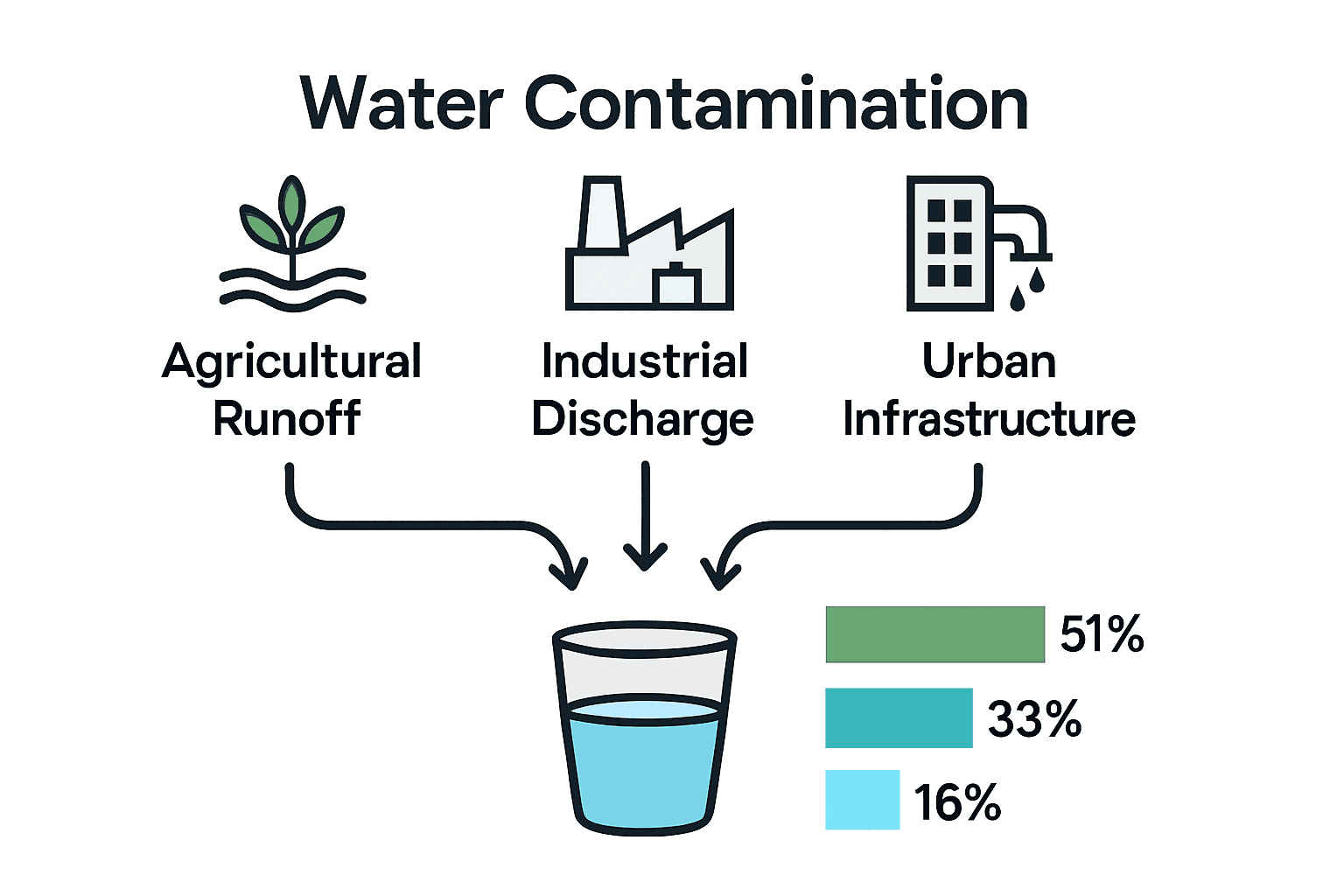 Proactive monitoring, advanced filtration technologies, and comprehensive water quality assessments are essential in mitigating the risks associated with these potential water quality threats.
Water Purification Methods and Technologies
EPA guidelines reveal that water purification is a sophisticated, multi-stage process designed to transform potentially contaminated water into safe, consumable liquid. Water treatment technologies have evolved dramatically, offering increasingly advanced methods to remove harmful substances and ensure public health.
The primary water purification methods include several critical techniques. Coagulation and flocculation involve adding chemical substances that bind contaminant particles together, making them easier to remove. Sedimentation follows, allowing these larger particle clusters to settle, while filtration passes water through specialized membranes that trap remaining microscopic impurities. Disinfection represents the final crucial step, typically using chlorine or ultraviolet light to eliminate remaining microorganisms.
Key water purification technologies encompass:
- Reverse Osmosis: Removes up to 99% of dissolved contaminants
- Activated Carbon Filtration: Eliminates chlorine, sediment, and organic compounds
- UV Purification: Destroys bacteria and viruses without chemical additives
- Ceramic Filtration: Provides mechanical barrier against pathogens
- Ion Exchange: Softens water by removing mineral ions
For those seeking comprehensive water safety, 7 Effective Water Purification Methods for Your Home offers deeper insights into selecting the right purification approach for specific household needs. Understanding these technologies empowers consumers to make informed decisions about their water quality and protection.
Legal Regulations and Quality Guidelines
EPA regulations form the backbone of drinking water safety in the United States, establishing a comprehensive framework to protect public health. The Safe Drinking Water Act represents a critical legislative effort that empowers federal agencies to set and enforce national standards for water quality, ensuring that every citizen has access to safe, clean drinking water.
CDC highlights the National Primary Drinking Water Regulations as the cornerstone of legal water quality control. These legally enforceable standards meticulously define maximum contaminant levels, treatment requirements, and monitoring protocols that water suppliers must follow. Compliance is not optional but a mandatory requirement designed to safeguard community health and prevent waterborne diseases.
Key aspects of water quality regulations include:
- Contaminant Limits: Strict numerical thresholds for harmful substances
- Testing Frequency: Mandatory regular water quality assessments
- Reporting Requirements: Detailed documentation and public disclosure
- Treatment Standards: Specific purification and filtration protocols
- Enforcement Mechanisms: Penalties for non-compliance
Understanding these regulations empowers consumers to make informed decisions about their water sources. For those seeking deeper insights into water safety standards, Understanding Sustainable Water Purification Methods provides a comprehensive exploration of how legal guidelines translate into practical water treatment strategies.
Risks of Unsafe Water and Prevention Strategies
WHO warns that unsafe drinking water represents a critical global health threat, capable of transmitting devastating diseases that impact millions of lives annually. Waterborne illnesses can range from mild digestive disruptions to life-threatening conditions, making water quality a fundamental public health concern.
The primary health risks associated with contaminated water include widespread infectious diseases. Bacterial pathogens like E. coli, viral agents, and parasitic organisms can rapidly proliferate in untreated water sources, causing severe gastrointestinal infections, cholera, dysentery, and potentially fatal dehydration. Chronic exposure to contaminated water can also lead to long-term health complications, including compromised immune systems and developmental challenges.
Effective prevention strategies encompass multiple comprehensive approaches:
- Source Protection: Safeguarding water resources from industrial and agricultural contamination
- Advanced Filtration: Implementing multi-stage water treatment technologies
- Regular Testing: Conducting comprehensive water quality assessments
- Infrastructure Maintenance: Upgrading and repairing water distribution systems
- Public Education: Raising awareness about water safety and hygiene practices
To gain deeper insights into water safety protocols, Understanding Why Test Drinking Water for Safety provides essential guidance for proactively protecting your water supply and minimizing potential health risks.
Ensure Your Family’s Health with Trusted Water Purification Solutions
The journey to safe drinking water begins with understanding the critical challenges of contaminants, health risks, and purification methods outlined in this essential guide. When your goal is to protect your loved ones from harmful substances like bacteria, heavy metals, and chemicals, it’s vital to rely on proven technology that meets strict safety standards. Key concepts like Maximum Contaminant Levels and advanced filtration deserve your attention when choosing the right system for your home.
Experience peace of mind by exploring a range of water purifiers equipped with UV sanitization and multi-stage filtration at Uncategorized Archives – Coway Water Purifier.
Take control of your water quality today by visiting https://cowayswaterpurifier.com to select a purifier that combines cutting-edge technology with health-oriented design. Act now to enjoy free installation and maintenance that guarantees your drinking water remains clean and safe every day. Don’t wait for a water quality crisis; make a life-changing investment in your family’s health and wellness now.
Frequently Asked Questions
What are safe drinking water standards?
Safe drinking water standards are regulations established under the Safe Drinking Water Act to protect public health by limiting contaminants in drinking water systems. They include maximum contaminant levels, treatment techniques, and monitoring requirements.
What are the health benefits of drinking safe water?
Drinking safe water supports optimal cellular function, metabolic efficiency, immune system health, and cognitive performance, while preventing diseases associated with contaminated water.
What are common sources of water contamination?
Common sources of water contamination include agricultural runoff, industrial discharge, underground mineral leaching, urban infrastructure, and environmental factors affecting surface and groundwater quality.
What are the main methods of water purification?
Main methods of water purification include reverse osmosis, activated carbon filtration, ultraviolet purification, ceramic filtration, and ion exchange. Each method targets different contaminants and improves water safety.
Recommended
- Understanding Why Test Drinking Water for Safety – Coway Water Purifier
- Understanding Why Purify Tap Water for Health and Safety – Coway Water Purifier
- Essential Guide to Safe Drinking Water for Homeowners – Coway Water Purifier
- Improve Drinking Water Safety: Essential Steps for Families – Coway Water Purifier
