
Uncategorized
How to Maintain Home Air Quality for Better Health

Jun
TL;DR:
- Maintaining home air quality requires source control, moisture management, proper ventilation, and filtering working together. Focusing solely on air purifiers is ineffective without addressing pollutant sources, humidity, and ventilation habits for lasting indoor health.
Maintaining home air quality is the process of controlling indoor pollution sources, managing moisture, ensuring proper ventilation, and using filtration to protect your health and comfort. The American Lung Association confirms that indoor air can be more polluted than outdoor air, posing real health risks even when you see no visible signs of a problem. The US EPA, Vermont Department of Health, and HealthyChildren.org all agree that a multi-pronged approach, not a single fix, is what actually works. This guide gives homeowners and renters the specific, practical steps to get that done.
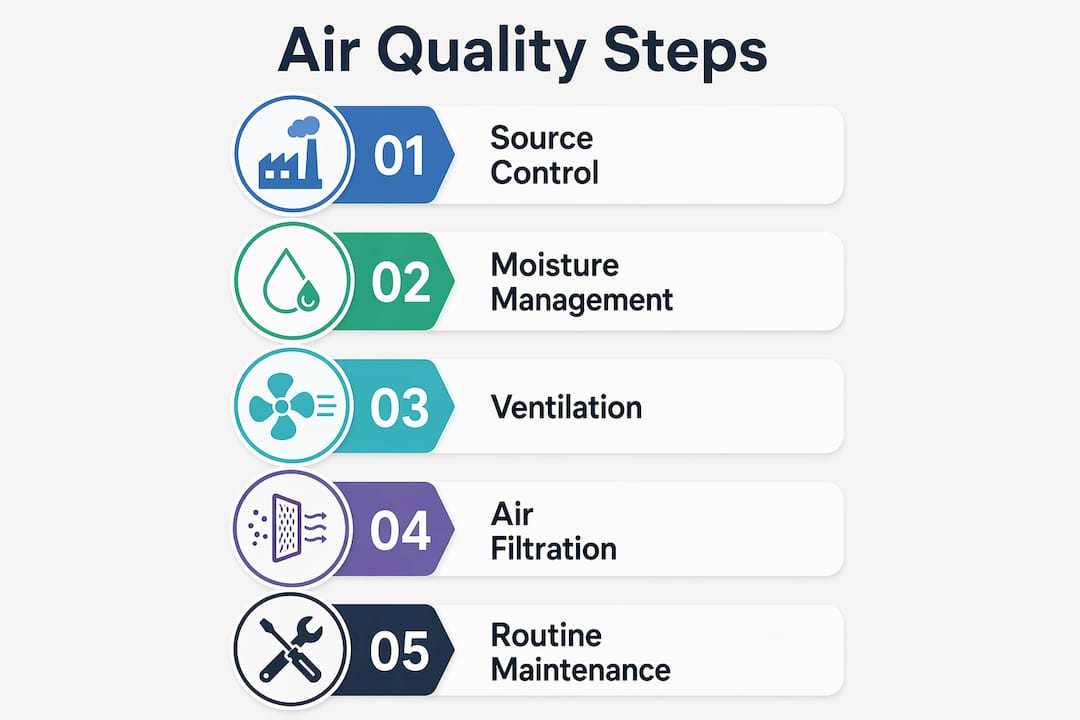
How to maintain home air quality through source control
Source control is the most effective first step because it stops pollutants from entering or accumulating in the first place. Every other strategy, including ventilation and filtration, works better when the sources of contamination are reduced. Think of it as plugging a leak before mopping the floor.
Here are the most impactful source control actions you can take right now:
- Swap toxic cleaners. Replace conventional household cleaners with EPA Safer Choice certified products or plain mild soap and water. Many standard cleaners release volatile organic compounds (VOCs) that linger in the air for hours.
- Stop burning scented products indoors. Candles, incense, and air fresheners release VOCs and particulates that degrade air quality. Switch to unscented alternatives or open a window when fragrance is unavoidable.
- Eliminate indoor smoking and e-cigarettes. There is no safe level of secondhand smoke indoors. This applies to vaping as well, which releases ultrafine particles and chemical aerosols.
- Use integrated pest management (IPM). Pesticide sprays and foggers leave chemical residue on surfaces and in the air. IPM uses traps, sealing entry points, and targeted treatments to minimize chemical exposure.
- Declutter and damp dust regularly. Clutter traps dust and allergens. Wiping surfaces with a damp cloth captures particles instead of redistributing them into the air.
- Test for radon. Radon is the second leading cause of lung cancer, and testing is especially important for homes below the third floor. Inexpensive test kits are available at hardware stores.
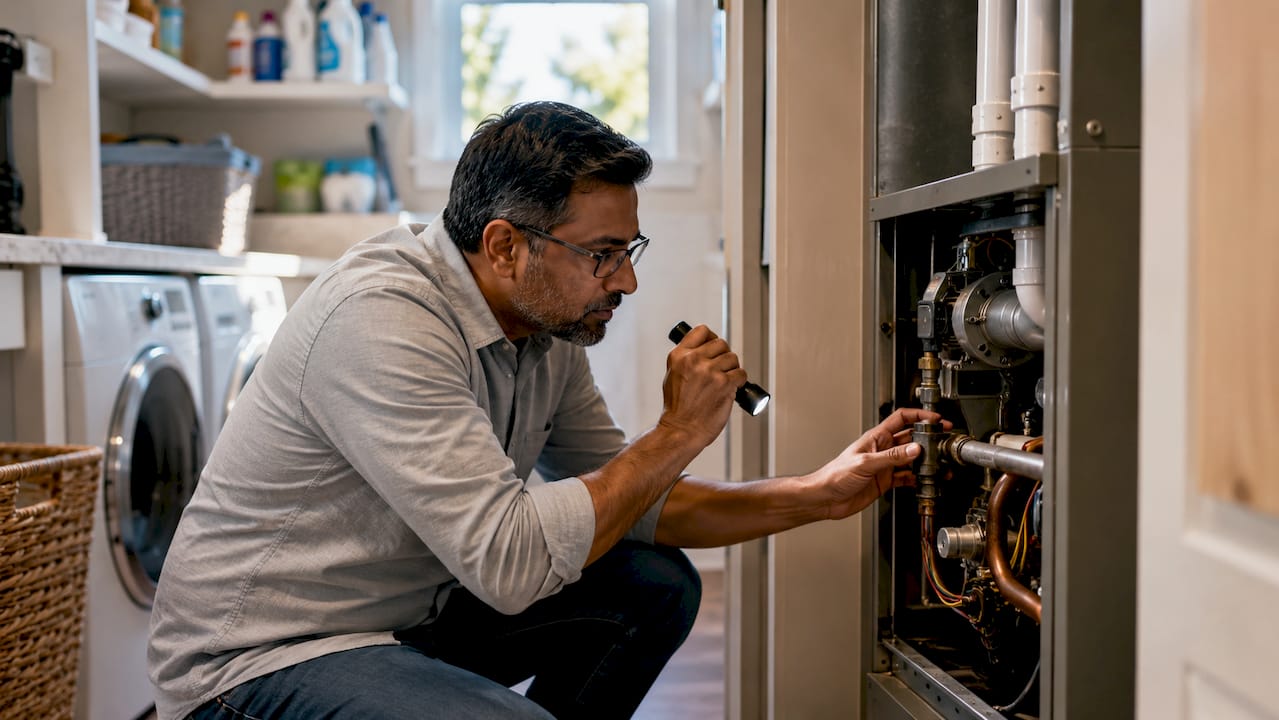
Pro Tip: Have combustion appliances like gas stoves, furnaces, and water heaters inspected annually. A poorly vented appliance is one of the most dangerous and overlooked sources of indoor carbon monoxide and nitrogen dioxide.
How does managing indoor moisture impact air quality?
Moisture is the single most common trigger for biological contamination in homes. When relative humidity rises above 50%, mold, dust mites, and bacteria multiply rapidly on surfaces and in the air. The EPA recommends keeping indoor humidity between 30 and 50% to prevent these biological contaminants from taking hold. That range is not arbitrary. It reflects the threshold at which mold spore germination slows significantly.
Follow these steps to keep moisture under control:
- Fix leaks immediately. A slow drip under a sink or a roof leak creates the perfect conditions for mold within 24 to 48 hours. Dry wet materials completely within that window before sealing or repairing.
- Run exhaust fans in bathrooms and kitchens. These rooms generate the most moisture in a typical home. Run the fan during and for at least 15 minutes after showering or cooking.
- Use a dehumidifier in problem areas. Basements, laundry rooms, and poorly ventilated spaces often hold excess humidity. A dehumidifier set to 45% relative humidity handles the load when ventilation alone is not enough.
- Maintain humidifiers correctly. If you use a humidifier in winter, fill it with distilled water rather than tap water. Tap water disperses mineral particles into the air, and a dirty humidifier tank can spread bacteria and mold spores directly into your breathing zone.
- Do not seal wet materials. One of the most common mistakes is painting over or sealing a damp wall to hide a moisture problem. Trapped moisture accelerates mold growth behind the surface and makes remediation far more expensive later.
Pro Tip: A basic digital hygrometer costs under $15 and gives you a real-time humidity reading for any room. Place one in your basement and one in your main living area to catch moisture problems before they become visible.
When and how should you ventilate your home?
Inadequate ventilation raises indoor pollutant concentrations because without fresh air exchange, emissions from cooking, cleaning, furniture, and occupants simply accumulate. Ventilation is not just about comfort. It is a direct mechanism for diluting and removing pollutants from your living space.
There are two types of ventilation to understand and use together:
- Natural ventilation uses open windows and doors to bring in outdoor air. It works well when outdoor air quality is good, temperatures are moderate, and pollen counts are low. Check your local Air Quality Index (AQI) on AirNow.gov before opening windows, especially during wildfire season or high-ozone days.
- Mechanical ventilation includes bathroom exhaust fans, kitchen range hoods, and whole-house ventilation systems like heat recovery ventilators (HRVs). These move air deliberately and work regardless of outdoor conditions.
The EPA advises limiting ventilation when outdoor air quality is poor, such as during wildfire smoke events, high pollen days, or extreme heat. Bringing in heavily polluted outdoor air defeats the purpose entirely. On those days, rely on mechanical ventilation and air filtration instead.
Running kitchen and bathroom exhaust fans during cooking and showering is one of the most effective ongoing ventilation habits you can build. A range hood that vents to the outside removes grease particles, combustion byproducts, and steam before they spread through the home. Recirculating range hoods that filter and return air to the kitchen are far less effective for this purpose.
For homes with tight insulation, especially newer construction, a mechanical ventilation system is not optional. Tight homes trap pollutants efficiently. An HRV or energy recovery ventilator (ERV) exchanges stale indoor air with fresh outdoor air while recovering most of the thermal energy, so you are not paying to heat or cool air you immediately exhaust.
What role does air filtration play in maintaining home air quality?
Air filtration supplements source control and ventilation by capturing airborne particles that remain after other measures are in place. The EPA is clear that filters cannot substitute for ventilation or source control. A HEPA air purifier running in a room with an active mold problem will not solve the mold. It will only reduce the number of spores temporarily in the air.
Here is a comparison of the two main filtration options available to homeowners:
| Filter type | Best use case | Key limitation |
|---|---|---|
| HVAC system filters (MERV 11-13) | Whole-home particle reduction through central air | Does not address rooms without duct access |
| Portable HEPA air cleaners | Targeted room-level filtration for bedrooms, nurseries | Covers one room at a time; requires regular filter replacement |
When selecting a portable air cleaner, choose a unit that does not emit ozone. Some ionizers and electrostatic precipitators produce ozone as a byproduct, which is itself a respiratory irritant. Look for devices certified by the California Air Resources Board (CARB) or tested by organizations like the Association of Home Appliance Manufacturers (AHAM).
For HVAC filters, a MERV rating between 11 and 13 captures most fine particles without restricting airflow enough to strain the system. MERV 14 and above filters can reduce airflow in residential systems not designed for that resistance. Replace HVAC filters every 60 to 90 days, or more often if you have pets or allergies.
Pro Tip: Place a portable HEPA air cleaner in the bedroom first. You spend roughly a third of your life there, and reducing particulate exposure during sleep has a measurable impact on respiratory health. For guidance on choosing the right model, the air purifier selection guide from Cowayswaterpurifier covers the key specs to evaluate.
What maintenance routines keep indoor air quality consistent?
Sustaining good indoor air quality requires consistent habits, not one-time fixes. The following routines address the most common ways air quality degrades over time.
Weekly and biweekly tasks:
- Vacuum all carpets, rugs, and upholstered furniture using a vacuum with a HEPA filter. HEPA vacuums reduce dust and allergens more effectively than standard vacuums, which can exhaust fine particles back into the air.
- Wet-mop hard floors after vacuuming to capture remaining particles.
- Wipe down kitchen surfaces and range hood filters.
Monthly tasks:
- Check and clean bathroom exhaust fan covers. Dust buildup on fan grilles reduces airflow and effectiveness.
- Inspect humidifier and dehumidifier tanks for mineral buildup or mold, and clean according to manufacturer instructions.
- Check carbon monoxide and smoke detector batteries. CO detectors are your primary warning system for combustion appliance failures.
Seasonal and annual tasks:
- Replace HVAC filters every 60 to 90 days, or per manufacturer guidance.
- Schedule annual inspection of gas appliances, including furnaces, water heaters, and gas stoves.
- Test radon levels every two years, or after any major renovation that affects the foundation or basement.
One underrated monitoring practice is tracking dust accumulation patterns. If you notice dust building up faster than usual on surfaces, or if household members start experiencing more frequent headaches, congestion, or eye irritation, those are signals that a pollutant source or ventilation issue needs attention. A basic indoor air quality monitor from brands like Airthings or IQAir can track particulate matter, CO2, VOCs, and humidity in real time, giving you data to act on rather than symptoms to guess from.
Pro Tip: Vacuum when children and pets are out of the room. Vacuuming stirs up fine particles temporarily before the filter captures them, and reducing that brief exposure matters most for the most vulnerable people in your home.
Key takeaways
Maintaining home air quality requires source control, moisture management, timed ventilation, and filtration working together. No single strategy is sufficient on its own.
| Point | Details |
|---|---|
| Source control comes first | Eliminate or reduce pollutant sources before relying on ventilation or filtration. |
| Humidity target is 30 to 50% | Staying within this range prevents mold growth and reduces biological contaminants. |
| Ventilate based on outdoor AQI | Open windows only when outdoor air quality is good; use mechanical ventilation otherwise. |
| Filtration supplements, not replaces | HEPA purifiers and MERV 11 to 13 HVAC filters reduce particles but cannot fix moisture or source problems. |
| Consistent routines sustain results | Weekly HEPA vacuuming, monthly fan checks, and annual appliance inspections prevent gradual air quality decline. |
What I’ve learned from actually maintaining indoor air quality
Most people start with an air purifier and consider the job done. I understand the appeal. It is a visible, purchasable action that feels like progress. But in my experience, the homes with the worst air quality problems almost always have an unmanaged moisture issue or an unaddressed pollutant source sitting right underneath the purifier.
The insight that changed how I think about this is the common IAQ mistake of focusing only on air purifiers while neglecting persistent moisture and pollutant sources. A HEPA unit in a bathroom with a slow leak behind the wall is fighting a losing battle. The mold wins. Every time.
What actually works is treating ventilation as a daily habit rather than a seasonal task. Running the exhaust fan every single time you cook or shower takes about zero extra effort once it becomes automatic. That one habit removes more moisture and combustion byproducts than most air purifiers can compensate for after the fact.
I also think people underestimate how much checking the AQI before opening windows matters. During wildfire season or high-pollen weeks, opening windows to “freshen the air” can spike indoor particulate levels dramatically. The indoor air optimization process is not complicated, but it does require paying attention to what is happening both inside and outside your home simultaneously.
Small, consistent actions compound. A home where someone vacuums with a HEPA vacuum weekly, runs exhaust fans consistently, keeps humidity at 45%, and replaces filters on schedule will have measurably better air than a home with a premium air purifier and none of those habits.
— Soldierboy
How Coway can support your home air quality goals
If you have worked through source control, moisture management, and ventilation and are ready to add filtration that actually performs, Cowayswaterpurifier offers a range of air purifiers built for real home environments.
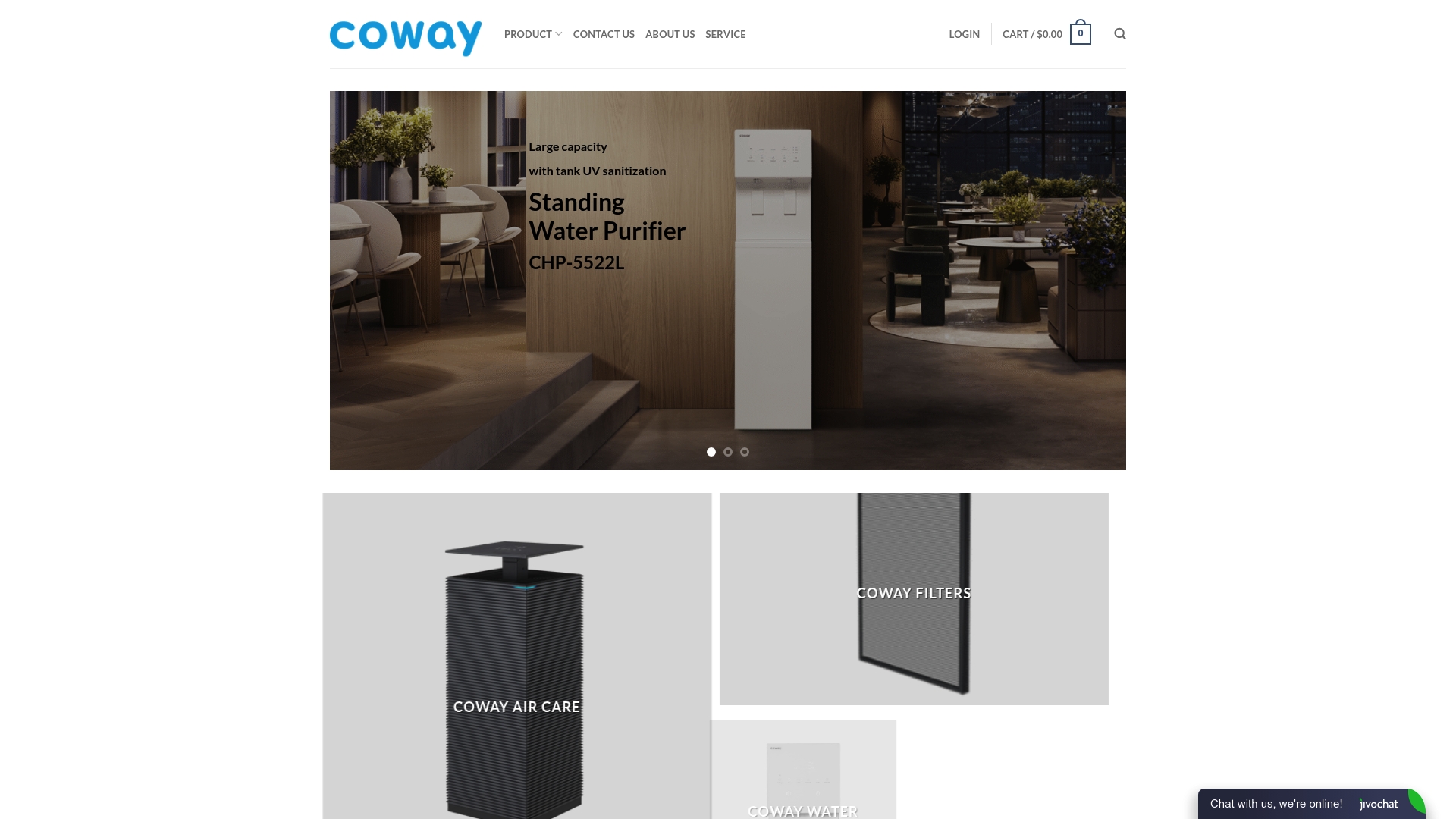
Coway air purifiers use multi-stage filtration, including true HEPA technology, to capture fine particles, allergens, and airborne contaminants without producing ozone. The 2026 air purifier selection guide on Cowayswaterpurifier walks you through coverage area, filter type, and maintenance requirements so you choose a unit matched to your space. For homeowners and renters who want a structured starting point, the full Coway Air Care product range covers options from compact bedroom units to whole-room systems designed for larger living spaces.
FAQ
What is the most effective way to improve indoor air quality?
Source control is the most effective strategy, meaning you reduce or eliminate pollutant sources before relying on ventilation or filtration. Swapping toxic cleaners, stopping indoor smoking, and fixing moisture problems deliver more lasting results than any single device.
How often should I replace my HVAC air filter?
Replace HVAC filters every 60 to 90 days for most households, or every 30 to 45 days if you have pets, allergies, or live in a high-dust environment. A MERV rating between 11 and 13 balances particle capture with adequate airflow for residential systems.
Can an air purifier alone maintain good indoor air quality?
No. The EPA confirms that filtration cannot substitute for source control or ventilation. Air purifiers reduce airborne particles effectively, but they cannot address moisture problems, combustion byproducts from poorly vented appliances, or VOCs from ongoing chemical sources.
What humidity level should I maintain indoors?
The EPA recommends keeping indoor humidity between 30 and 50% to prevent mold growth and reduce dust mites and other biological contaminants. A digital hygrometer placed in key rooms lets you monitor and adjust levels in real time.
How do I know if my indoor air quality is poor?
Common signs include persistent dust buildup on surfaces, frequent headaches or congestion among household members, visible mold, musty odors, or worsening allergy symptoms indoors. An indoor air quality monitor from brands like Airthings tracks particulate matter, CO2, VOCs, and humidity to give you objective data rather than guesswork.
Recommended
- Indoor Air Optimization Process for Healthier Homes – Coway Water Purifier
- 8 Indoor Air Quality Tips for a Healthier Home – Coway Water Purifier
- Spot the signs of poor air quality for a healthier home – Coway Water Purifier
- Essential air quality improvement checklist for a healthier home – Coway Water Purifier
