
Uncategorized
Spot the signs of poor air quality for a healthier home
Apr
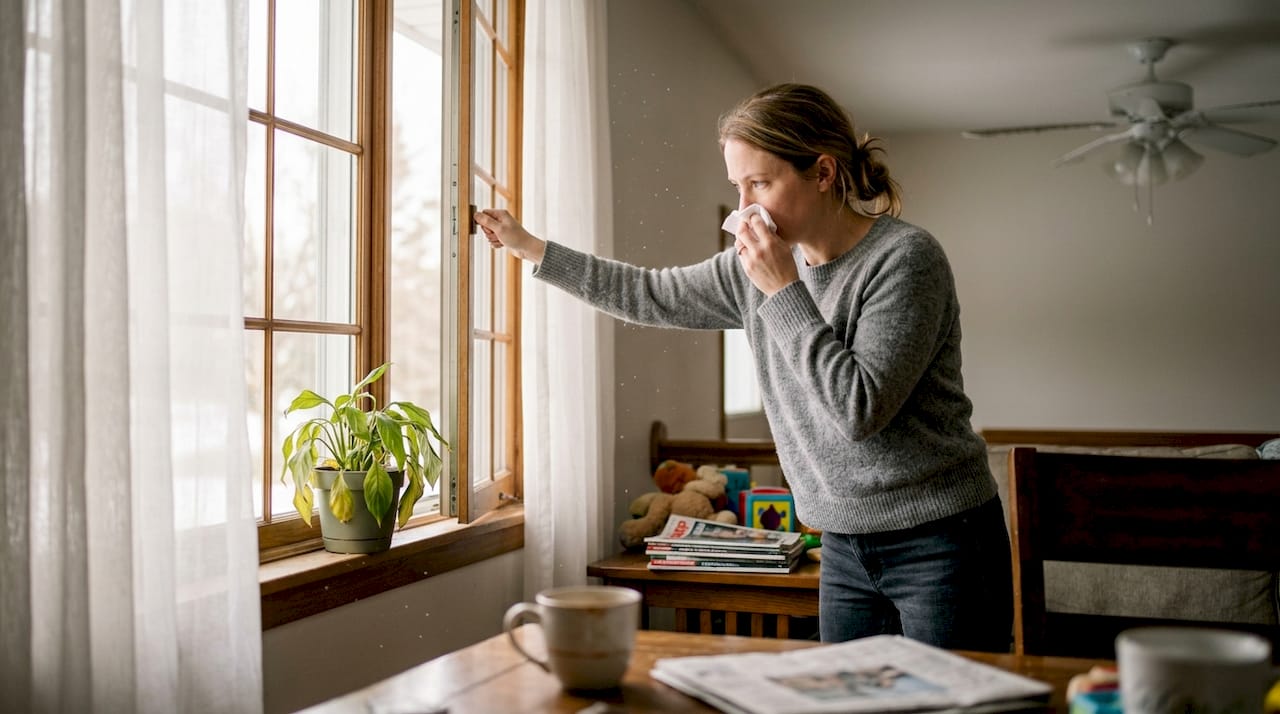
Most families assume their home is a safe haven, but the air inside can quietly work against your health without a single visible clue. We spend about 90% of our time indoors, and poor indoor air quality can trigger everything from minor irritation to serious respiratory and heart problems over time. The tricky part is that many of the warning signs are easy to dismiss as allergies, tiredness, or just “one of those days.” This guide walks you through the visual, physical, and measurement-based signals that your home’s air may need attention, so you can protect everyone under your roof before small problems become big ones.
Table of Contents
- Most common visual and sensory signs in your home
- Health symptoms your family shouldn’t ignore
- Top pollutants and how to detect them
- Emergency signs you must act on immediately
- How to interpret air quality readings and standards
- A fresh take: Why home air quality is everyone’s issue (and not only in problem houses)
- Improve your home air quality with proven solutions
- Frequently asked questions
Key Takeaways
| Point | Details |
|---|---|
| Visible warning signs | Mold, musty odors, and excess dust often mean your indoor air isn’t safe. |
| Pay attention to symptoms | Persistent headaches, fatigue, or allergy-like reactions at home can signal poor air quality. |
| Check for hidden risks | Use home air monitoring devices to spot invisible threats like PM2.5 or carbon monoxide. |
| Act on emergencies | Immediate responses to gas leaks, CO alarms, or sewage spills protect your health. |
| Understand your readings | Learning what air quality numbers mean helps you decide when it’s time to act. |
Most common visual and sensory signs in your home
Your eyes and nose are often the first tools you have for detecting air quality problems. Before any monitor or test kit, what you see and smell can tell you a lot.
Signs of poor indoor air quality include mold or mildew growth, musty odors, standing water or leaks, dust accumulation, and chemical smells from cleaners or paints. These are not just cosmetic issues. They point to underlying conditions that affect what your family breathes every day.
Here are the most common visual and sensory red flags to watch for:
- Mold or mildew on walls, ceilings, or window frames, especially in bathrooms or basements
- Musty or stale odors that linger even after cleaning
- Chemical smells from paints, adhesives, or cleaning products that don’t dissipate quickly
- Unusual dust buildup on surfaces, furniture, and especially on air vents
- Condensation on windows or damp spots near sinks and pipes
- Standing water or visible leaks that can feed mold growth behind walls
“If a room smells off but looks clean, trust your nose. Odors are often the first signal of a hidden moisture or chemical problem that a visual check alone will miss.”
Understanding indoor vs outdoor air pollution helps put these signs in context. Indoor air can actually be more polluted than outdoor air because contaminants get trapped with limited ventilation.
Pro Tip: Check your HVAC vents monthly. Heavy dust or dark discoloration around vent covers is a strong indicator that particles are circulating through your air system and settling throughout your home. Cleaning vents regularly and replacing filters on schedule makes a real difference.

If you want a broader understanding of what affects the air inside your home, the indoor air quality basics are a solid starting point before diving into testing or solutions.
Health symptoms your family shouldn’t ignore
Physical signs in your environment are often coupled with how you feel. Your body can act as a sensitive detector for air quality problems, sometimes before any visible sign appears.
Health symptoms linked to poor indoor air quality include irritation of the eyes, nose, and throat; headaches, dizziness, and fatigue; coughing, wheezing, and shortness of breath; worsening asthma; and symptoms that improve when you leave home and return when you come back.
That last point is the most telling. If your headache clears up during a weekend trip and comes back the moment you walk through your front door, your home’s air is worth investigating.
Key symptoms to watch for in your household:
- Frequent headaches or brain fog, especially in the morning or after spending time indoors
- Eye, nose, or throat irritation without an obvious cause like a cold
- New or worsening cough or wheeze, particularly in children
- Unexplained fatigue that doesn’t improve with rest
- Allergy flare-ups that seem worse at home than anywhere else
- Shortness of breath during normal activity indoors
Children, the elderly, and anyone with asthma or heart conditions are more vulnerable to these effects. Their symptoms may appear faster and be more severe, so pay close attention to how they feel at home versus elsewhere.
Pro Tip: Keep a simple symptom journal for two weeks. Note when and where symptoms appear. Patterns tied to specific rooms or times of day can point directly to a pollution source.
Learning more about monitoring indoor pollution can help you connect the dots between symptoms and specific pollutants. The long-term risks of air quality exposure are serious enough that early action is always worth it.
Top pollutants and how to detect them
If you see or feel something off, it may relate to specific indoor air pollutants. Knowing what they are and where they come from helps you target the problem directly.
Key indoor pollutants include PM2.5, VOCs, CO2, CO, radon, and mold, and indoor levels of these pollutants are often higher than outdoor air because of limited airflow and concentrated sources.
| Pollutant | Common sources | How to detect |
|---|---|---|
| PM2.5 | Cooking, candles, dust, smoke | Air quality monitor |
| VOCs | Paints, cleaners, furniture | VOC sensor or smell |
| CO2 | Breathing, poor ventilation | CO2 monitor |
| CO | Gas appliances, fireplaces | CO alarm (required) |
| Radon | Soil beneath foundation | Radon test kit |
| Mold | Moisture, leaks, humidity | Visual check, mold test |
Here is what to prioritize based on your home setup:
- Install a CO alarm on every floor. Carbon monoxide is odorless and can be fatal without warning.
- Use a radon test kit if you have a basement or live in a high-radon area. Radon is the second leading cause of lung cancer in the U.S.
- Get a multi-pollutant air monitor that tracks PM2.5, VOCs, and CO2 in real time.
- Check humidity levels with a simple hygrometer. High humidity feeds mold; low humidity dries out airways.
A practical at-home air quality assessment can guide you through testing without expensive equipment. Once you know what you’re dealing with, optimizing indoor air becomes a much more targeted process.
Emergency signs you must act on immediately
While most signs are subtle, some demand immediate response. These emergencies can be life-threatening and require fast, decisive action.
Emergency air quality signs include gas leaks, sewage spills, sudden headaches, nausea, or dizziness that signal CO poisoning, and widespread breathing difficulties affecting multiple people at once.
Here is what to do in each scenario:
- Smell gas? Leave immediately. Do not flip any light switches or use your phone inside. Call your gas company from outside.
- Suspect CO poisoning? Get everyone outside into fresh air right away. Call 911. Symptoms include sudden headache, confusion, nausea, and dizziness affecting multiple people at once.
- Sewage or rotten egg smell? This can signal a sewer gas leak, which contains hydrogen sulfide. Ventilate immediately and call a plumber.
- Multiple people having breathing trouble at the same time? This is a medical emergency. Get outside, call 911, and do not re-enter until cleared.
- CO alarm sounds? Treat it as real every time. Never silence it and go back to sleep.
“Carbon monoxide poisoning kills hundreds of people in the U.S. every year, and most victims never knew there was a problem. A working CO alarm is not optional.”
For a broader plan on what to do after an emergency, the step-by-step air quality improvement guide covers how to restore safe conditions after a serious incident.
How to interpret air quality readings and standards
You might have monitors or smart sensors. Here is how to make sense of those numbers and know when indoor air is not safe.
EPA benchmarks for indoor air set PM2.5 as good below 12 µg/m³, moderate between 12 and 35, and unhealthy above 35. CO2 is considered good below 1,000 ppm and poor above 2,000 ppm. Ideal humidity sits between 30% and 50%. The AQI scale runs from 0 to 50 for good air and 101 to 150 for air that is unhealthy for sensitive groups.
| Measurement | Good range | Caution zone | Take action |
|---|---|---|---|
| PM2.5 | Below 12 µg/m³ | 12 to 35 µg/m³ | Above 35 µg/m³ |
| CO2 | Below 1,000 ppm | 1,000 to 2,000 ppm | Above 2,000 ppm |
| Humidity | 30% to 50% | 50% to 60% | Above 60% or below 30% |
| AQI | 0 to 50 | 51 to 100 | 101 and above |
It is worth noting that indoor and outdoor air quality standards can differ. While CO2 below 1,000 ppm is widely promoted, health researchers often flag PM2.5 and NO2 as the more urgent concerns for long-term health.
Pro Tip: Place your air quality monitor in the room where your family spends the most time, not in a hallway or corner. Readings vary significantly by location, and you want data from where it matters most.
A detailed air quality checklist can help you track readings over time and spot trends before they become problems.
A fresh take: Why home air quality is everyone’s issue (and not only in problem houses)
Here is the uncomfortable truth most air quality articles skip: you do not need a moldy basement or a 1970s home to have a serious indoor air problem. We have seen families in brand-new, spotless homes with PM2.5 readings that would concern any doctor. New construction materials off-gas VOCs for months. Airtight, energy-efficient homes trap pollutants that older, draftier homes simply let escape.
The idea that only “problem houses” have bad air is one of the most dangerous assumptions a health-conscious family can make. Clean surfaces do not mean clean air. A home that smells like fresh paint or new carpet is actively releasing chemicals into the space your kids breathe.
Children are especially at risk because their lungs are still developing, and they breathe more air relative to their body weight than adults do. The effects may not show up for years, which makes routine air monitoring not a luxury but a basic part of responsible home management. Proactive families who monitor and respond to air quality data are not overreacting. They are simply paying attention to something that affects everyone, every day, whether they realize it or not.
Improve your home air quality with proven solutions
Ready to take control of your home’s air quality? Knowing the signs is the first step, but acting on them is what actually protects your family.
Start with the air purifier selection guide to find the right unit for your home’s size and specific pollutant concerns. If you want a structured plan, the air purification checklist walks you through every step from identifying sources to verifying results. For families ready to invest in a long-term solution, Coway Air Care products are built around advanced filtration technology designed to reduce the pollutants covered in this guide. Clean air at home is not a luxury. It is a decision you make for the people you care about most.
Frequently asked questions
What is the most common sign of poor air quality in a house?
Visible signs like mold and musty odors are the most common indicators, often paired with unexplained dust buildup or allergy symptoms that worsen indoors. If you notice any of these, it is worth investigating further.
How can I test my home’s air quality?
Home air quality monitors can check for key pollutants like PM2.5 and CO2, while radon and CO testing requires dedicated kits or professional assessment. For a thorough picture, combining both approaches gives you the most reliable results.
Are air quality symptoms always obvious?
No. Symptoms like fatigue and irritation are easy to attribute to other causes, and they often improve when you leave home and return when you come back. That pattern is one of the clearest signals that your indoor air needs attention.
What does a high PM2.5 reading mean for my family?
PM2.5 above 35 µg/m³ is classified as unhealthy and can aggravate breathing and heart conditions, particularly for children, the elderly, and anyone with existing health issues. Reducing sources and improving filtration are the most effective responses.
Recommended
- Indoor Air Optimization Process for Healthier Homes – Coway Water Purifier
- How to Assess Indoor Air Quality Effectively at Home – Coway Water Purifier
- Air purification checklist: 6 steps for healthier home air – Coway Water Purifier
- 8 Indoor Air Quality Tips for a Healthier Home – Coway Water Purifier
- Breakthrough Research: Air Pollution Linked to Increased Dementia Risk – LifeUnlocked
