
Uncategorized
Indoor Air Quality: Everything You Need to Know
Nov
Did you know that the average person spends about 90 percent of their time indoors where air can be up to five times more polluted than outside? The quality of the air you breathe inside your home or office can affect everything from your allergies to your long-term health. Understanding what shapes indoor air quality helps you spot hidden risks and make choices that support a healthier life.
Table of Contents
- What Is Indoor Air Quality
- Common Indoor Air Pollutants And Sources
- How Indoor Air Quality Affects Health
- U.S. Standards And Regulatory Framework
- Effective Strategies To Improve Indoor Air Quality
Key Takeaways
| Point | Details |
|---|---|
| Impact of IAQ | Indoor air quality significantly affects health, comfort, and well-being, necessitating effective management strategies. |
| Common Pollutants | Key indoor air pollutants include particulate matter, chemical pollutants, and biological contaminants from various sources. |
| Health Risks | Poor IAQ can lead to immediate and long-term health issues, particularly affecting vulnerable populations like children and the elderly. |
| Improvement Strategies | Enhance indoor air quality through source control, improved ventilation, and advanced filtration technologies for optimal protection. |
What Is Indoor Air Quality
Indoor air quality (IAQ) represents the invisible environment that surrounds us daily, impacting our health, comfort, and overall well-being. According to the EPA, IAQ refers to the air quality within and around buildings and structures, specifically concerning the health and comfort of occupants.
Understanding indoor air quality involves recognizing the complex mix of pollutants, temperature, humidity, and environmental characteristics that can affect human health. IAQ Science explains that indoor air quality characteristics encompass pollutant concentrations, air temperature, and humidity levels that potentially influence human performance and comfort.
The key components of indoor air quality include:
- Particulate matter and dust
- Chemical pollutants
- Biological contaminants
- Temperature and humidity levels
- Ventilation efficiency
By monitoring and managing these elements, individuals can create healthier indoor environments.
 Understanding Why Indoor Air Quality Matters provides deeper insights into how these factors directly impact our daily lives and long-term health.
Common Indoor Air Pollutants And Sources
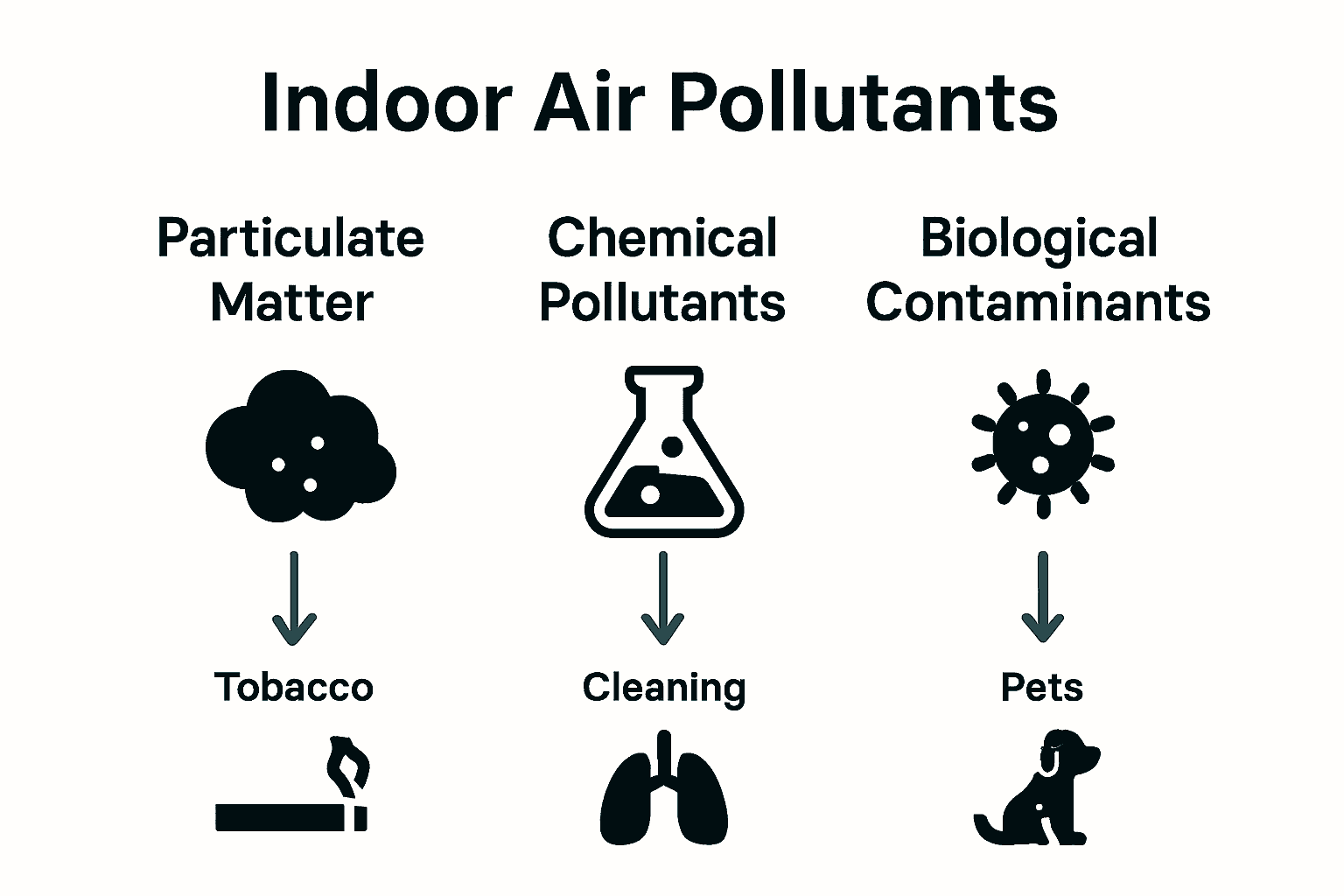
Indoor air pollutants are complex substances that can silently compromise the health and comfort of our living spaces. EPA identifies that indoor pollution sources releasing gases or particles into the air are the primary cause of indoor air quality problems, with common culprits including tobacco smoke, building materials, furnishings, and household cleaning products.
The sources of these pollutants are diverse and often unexpected. According to OSHA, indoor air contamination can stem from multiple origins, including:
- Inadequate ventilation
- Interior building contamination (like mold)
- Exterior pollution sources (such as vehicle exhaust)
- Chemical emissions from furniture and carpets
- Personal care and cleaning product residues
Biological pollutants represent another significant category, encompassing allergens like dust mites, pet dander, bacteria, viruses, and pollen. These microscopic invaders can trigger respiratory issues, allergic reactions, and long-term health complications.
Here’s a summary of common indoor air pollutants and their primary sources:
| Pollutant Type | Examples | Main Sources |
|---|---|---|
| Particulate Matter | Dust Smoke Pollen |
Tobacco use Outdoor pollution Carpets |
| Chemical Pollutants | VOCs Formaldehyde Pesticides |
Cleaning products Furniture Paints |
| Biological Contaminants | Mold spores Pet dander Bacteria |
Damp areas Pets Humidifiers |
| Gases | Carbon monoxide Radon Nitrogen dioxide |
Faulty appliances Building materials |
| Allergens | Dust mites Pollen |
Bedding Windows Ventilation |
Understanding these pollution sources is the first step toward creating a healthier indoor environment.
 For comprehensive strategies to mitigate these risks, our guide on indoor pollutants and air purifiers offers in-depth insights into protecting your living spaces from harmful contaminants.
How Indoor Air Quality Affects Health
EPA warns that health effects from indoor air pollutants can manifest both immediately and potentially years after exposure. Short-term impacts include immediate physiological responses such as eye, nose, and throat irritation, accompanied by symptoms like headaches, dizziness, and unusual fatigue.
The long-term health consequences of poor indoor air quality are even more concerning. According to the American Lung Association, prolonged exposure can lead to serious health complications including:
- Chronic respiratory conditions
- Increased allergy sensitivity
- Asthma exacerbation
- Potential development of life-threatening conditions like lung cancer
- Compromised immune system functioning
Vulnerable populations face heightened risks from poor indoor air quality. Children, elderly individuals, and those with pre-existing respiratory conditions are particularly susceptible to the negative health impacts of indoor pollutants. Their weakened immune systems and developing or declining respiratory capabilities make them more prone to experiencing severe symptoms.
Recognizing these potential health risks underscores the importance of proactive air quality management. For comprehensive strategies to protect your health, explore our guide on why filtering indoor air matters, which provides actionable insights into creating a healthier indoor environment.
U.S. Standards And Regulatory Framework
The landscape of indoor air quality regulation in the United States is complex and multifaceted. OSHA does not have specific, comprehensive indoor air quality standards, but instead relies on the General Duty Clause of the OSH Act, which fundamentally requires employers to provide workplaces free from known hazards that could cause serious injury or death.
Federal agencies play crucial roles in guiding indoor air quality management. The Environmental Protection Agency (EPA) serves as the primary resource for individuals and organizations seeking to improve indoor air quality, offering extensive guidelines and resources that address:
- Common indoor air pollutants
- Mitigation strategies
- Health risk assessments
- Recommended monitoring techniques
While no single comprehensive federal standard exists for indoor air quality, various regulatory mechanisms work together to protect public health. Different agencies like OSHA, EPA, and state-level departments collaborate to establish guidelines, recommendations, and best practices for maintaining safe indoor environments.
Understanding these regulatory frameworks is essential for proactive air quality management. For practical insights into implementing these standards, our guide on indoor air quality tips provides actionable strategies for maintaining healthier indoor spaces.
Effective Strategies To Improve Indoor Air Quality
Improving indoor air quality requires a multi-faceted approach. EPA recommends three primary strategies: source control, improved ventilation, and advanced filtration techniques. Source control involves directly eliminating or reducing indoor pollution sources, which can dramatically minimize contaminant introduction at their origin.
According to IAQ Science, effective indoor air quality management involves a comprehensive strategy that includes:
- Identifying and removing pollution sources
- Implementing robust ventilation systems
- Using high-quality air filtration technologies
- Regular maintenance of air handling systems
- Monitoring indoor air quality consistently
Ventilation plays a critical role in maintaining healthy indoor environments. While essential, ventilation alone may not completely resolve air quality challenges. Supplementing natural and mechanical ventilation with advanced air purification technologies can provide more comprehensive protection against indoor pollutants.
For homeowners seeking practical solutions, our guide on why filtering indoor air matters offers actionable insights into creating cleaner, healthier indoor spaces.
Protect Your Health by Improving Indoor Air Quality Today
The challenges of poor indoor air quality described in this article show how invisible pollutants can affect your comfort and well-being. From allergens and chemical contaminants to inadequate ventilation, these hidden threats demand proactive solutions. You deserve a safe home environment where you and your loved ones can breathe freely without worries about long-term health risks.
Discover how advanced air purification technology can help you take control of your indoor environment. Coway air purifiers use cutting-edge filtration to reduce dust, allergens, and harmful gases that compromise air quality. With easy installation, reliable service, and proven results, these solutions address the exact issues highlighted by experts. Visit Coway’s official site now to explore effective options and learn why why filtering indoor air matters can transform your home comfort. Don’t wait for symptoms to appear. Act now to protect your health with trusted air purifiers designed to fit your lifestyle.
Frequently Asked Questions
What is indoor air quality and why is it important?
Indoor air quality (IAQ) refers to the quality of air within and around buildings, significantly impacting health, comfort, and well-being. Poor indoor air quality can lead to various health issues, ranging from short-term symptoms like irritation to long-term conditions such as chronic respiratory diseases.
What are common indoor air pollutants?
Common indoor air pollutants include particulate matter (like dust and smoke), chemical pollutants (like VOCs and formaldehyde), biological contaminants (such as mold and pet dander), and gases like carbon monoxide and radon. Understanding these pollutants is essential for creating a healthier indoor environment.
How can I improve indoor air quality in my home?
Improving indoor air quality can be achieved through source control (eliminating or reducing pollution sources), enhancing ventilation (using both natural and mechanical systems), and incorporating effective air filtration systems. Regular maintenance and consistent monitoring are also crucial for maintaining healthy air quality.
What health risks are associated with poor indoor air quality?
Health risks from poor indoor air quality can include immediate effects like eye and throat irritation, headaches, and fatigue, as well as long-term consequences such as chronic respiratory conditions, increased allergy sensitivity, and potential development of serious diseases like lung cancer. Vulnerable populations such as children and the elderly are particularly at greater risk.
Recommended
- Why Filter Indoor Air: Complete Guide for Homeowners – Coway Water Purifier
- Understanding Why Monitor Indoor Air Quality Matters – Coway Water Purifier
- Why Filter Indoor Air: Complete Homeowner Guide – Coway Water Purifier
- 8 Indoor Air Quality Tips for a Healthier Home – Coway Water Purifier
