
Uncategorized
Understanding Why Monitor Indoor Air Quality Matters
Sep
Indoor air quality has a bigger impact on everyday health than most people realize and it affects everyone at home, work, and school. Most would guess outdoor pollution is the real villain but indoor air can actually contain up to five times more pollutants than what you breathe outside, according to the EPA. That flips everything on its head because the air inside your own living room could be the riskiest air you breathe all day.
Table of Contents
- What Is Indoor Air Quality And Why Is It Important?
- The Health Effects Of Poor Indoor Air Quality
- Understanding Common Indoor Air Pollutants
- The Role Of Air Quality Monitoring Devices
- Practical Benefits Of Monitoring Indoor Air Quality
Quick Summary
| Takeaway | Explanation |
|---|---|
| Monitor indoor air quality regularly | Regular monitoring helps identify harmful pollutants early, protecting health. |
| Understand common indoor air pollutants | Know the different types of pollutants to manage your indoor environment effectively. |
| Vulnerable populations need more attention | Children, the elderly, and those with pre-existing conditions are at higher risk for health issues. |
| Use air quality monitoring devices | Advanced devices provide real-time data and alerts for pollution levels, enhancing safety. |
| Improve ventilation to reduce risks | Proper ventilation helps minimize indoor pollutants and supports a healthier living space. |
What is Indoor Air Quality and Why is it Important?
Indoor air quality represents the condition of air within and around buildings, directly influencing the health, comfort, and overall well-being of occupants. The U.S. Environmental Protection Agency defines it as a comprehensive measure of airborne pollutants, temperature, humidity, and ventilation that can significantly impact human health.
Understanding Indoor Air Quality Components
Indoor air quality encompasses multiple critical elements that determine the air’s purity and safety. These include:
- Particulate matter like dust, pollen, and microorganisms
- Chemical pollutants from household products and building materials
- Biological contaminants such as mold spores and bacteria
- Gaseous pollutants like carbon monoxide and volatile organic compounds
Knowing these components helps individuals understand potential health risks and take proactive measures to improve their indoor environment. Explore our comprehensive guide on indoor air quality tips to learn more about managing these elements.
Health Implications of Poor Indoor Air Quality
Poor indoor air quality is not just a minor inconvenience but a significant public health concern. Research shows prolonged exposure to indoor air pollutants can lead to various health problems, ranging from mild irritations to serious chronic conditions. Vulnerable populations such as children, elderly individuals, and those with pre-existing respiratory conditions are particularly at risk.
Common health effects associated with poor indoor air quality include:
- Respiratory diseases and asthma exacerbation
- Headaches and persistent fatigue
- Allergic reactions and skin irritations
- Potential long-term cardiovascular and neurological complications
By understanding and monitoring indoor air quality, individuals can create healthier living environments and mitigate potential health risks.
The Health Effects of Poor Indoor Air Quality
Poor indoor air quality poses significant health risks that extend far beyond simple discomfort. The American Lung Association reveals that prolonged exposure to indoor air pollutants can trigger complex health complications affecting multiple bodily systems.
Immediate and Short-Term Health Consequences
Short-term exposure to contaminated indoor air can produce immediate physiological responses. These quick-onset symptoms often serve as early warning signs of potential environmental health hazards:
- Respiratory irritation and increased mucus production
- Persistent headaches and unexplained fatigue
- Eye, nose, and throat inflammation
- Dizziness and cognitive disruption
- Allergic reactions and skin sensitivity
These symptoms frequently emerge within hours or days of exposure and can significantly impact daily functioning and overall quality of life. Check out our comprehensive indoor air quality guide for deeper insights into recognizing these indicators.
Long-Term Health Implications
Chronic exposure to poor indoor air quality can lead to more severe and potentially permanent health complications. Vulnerable populations such as children, elderly individuals, and those with pre-existing conditions face heightened risks. Extended contact with indoor air pollutants may contribute to serious medical conditions including:
- Chronic respiratory diseases like asthma and bronchitis
- Cardiovascular system deterioration
- Increased cancer risk, particularly lung-related malignancies
- Neurological disorders and cognitive decline
- Compromised immune system functionality
Understanding these potential consequences underscores the critical importance of proactive indoor air quality management and regular environmental monitoring.
To summarize the immediate and long-term effects of poor indoor air quality, this table contrasts short-term and chronic health outcomes associated with indoor air pollution exposure.
| Exposure Duration | Typical Health Consequences |
|---|---|
| Short-term (hours/days) | Respiratory irritation, headaches, fatigue, dizziness, allergic reactions |
| Long-term (months/years) | Asthma, chronic respiratory disease, cardiovascular issues, cancer risk |
Understanding Common Indoor Air Pollutants
Indoor air pollutants represent a complex ecosystem of harmful substances that can compromise human health and environmental quality. The U.S. Environmental Protection Agency identifies multiple categories of contaminants that frequently circulate within residential and commercial spaces.
Biological Pollutants
Biological pollutants are living or previously living microorganisms that can significantly impact indoor air quality. These microscopic entities thrive in environments with excess moisture and organic materials:
- Mold spores and fungal growth
- Bacteria and viral particles
- Pet dander and dust mites
- Pollen and plant-based allergens
- Insect fragments and waste products
These biological contaminants can trigger allergic reactions, respiratory complications, and persistent immune system responses. Learn more about managing indoor pollutants to protect your living environment.
Chemical and Gaseous Pollutants
Chemical pollutants represent a diverse range of synthetic and natural compounds that can contaminate indoor air. These substances originate from multiple sources and can have profound health implications:
- Volatile organic compounds (VOCs) from paints and cleaning products
- Carbon monoxide from combustion appliances
- Formaldehyde from furniture and building materials
- Radon gas from soil and rock underneath buildings
- Pesticides and chemical residues
Understanding the sources and potential health risks of these pollutants is crucial for maintaining a safe and healthy indoor environment.
To help clarify the various sources and effects of indoor air contaminants, the following table categorizes common indoor air pollutants and describes their associated health risks.
| Pollutant Type | Common Sources | Potential Health Effects |
|---|---|---|
| Biological Pollutants | Mold, bacteria, pet dander, dust mites, pollen | Allergies, asthma, respiratory issues |
| Chemical Pollutants | Paints, cleaning products, furniture, pesticides | Headaches, irritation, long-term chronic illness |
| Gaseous Pollutants | Carbon monoxide, radon, combustion appliances | Fatigue, dizziness, increased cancer risk |
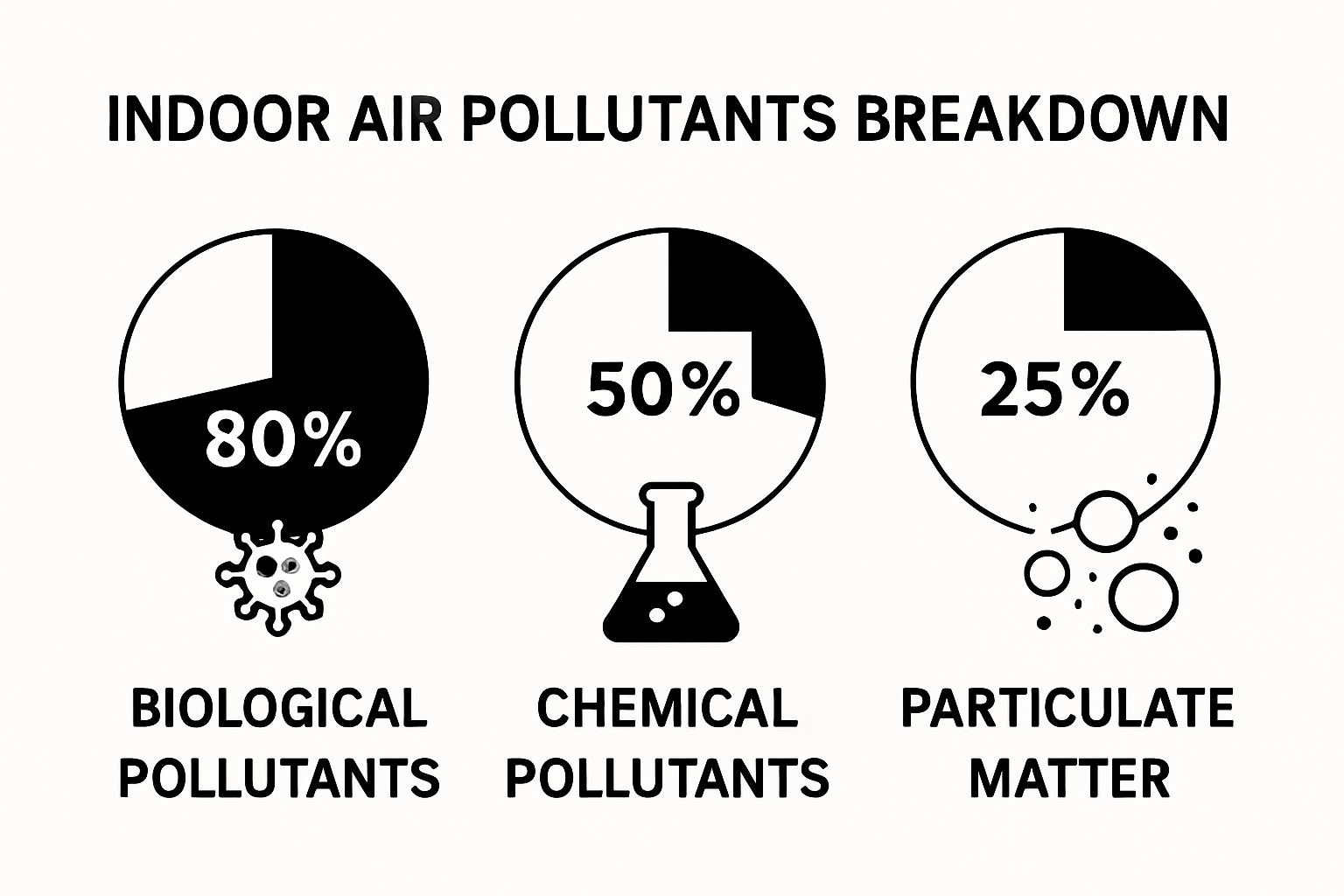 Continuous monitoring and proper ventilation can significantly reduce exposure to these harmful substances.
The Role of Air Quality Monitoring Devices
The U.S. Environmental Protection Agency highlights the crucial importance of air quality monitoring devices in detecting and managing indoor environmental health risks. These sophisticated instruments serve as critical guardians of indoor air safety, providing real-time insights into potential pollutant concentrations.
Types of Air Quality Monitoring Devices
Modern air quality monitoring technology encompasses a diverse range of specialized devices designed to detect and measure different pollutant categories:
- Particulate matter sensors tracking microscopic particle concentrations
- Carbon dioxide and carbon monoxide detectors
- Volatile organic compound (VOC) analyzers
- Humidity and temperature monitoring instruments
- Radon detection devices
These devices transform invisible environmental threats into quantifiable data, enabling proactive health management.
VIDEO:video_content] [Explore our comprehensive indoor air quality solutions to understand how monitoring can protect your living spaces.
Advanced Monitoring Technologies
Contemporary air quality monitoring devices integrate cutting-edge technologies to provide comprehensive environmental assessments. Smart sensors now offer features like continuous real-time monitoring, mobile app connectivity, and predictive analysis capabilities. These advanced systems can:
- Generate instant air quality index readings
- Send automatic alerts for dangerous pollutant levels
- Record historical air quality data for trend analysis
- Integrate with home automation and air purification systems
- Provide personalized recommendations for improving indoor air quality
By transforming complex environmental data into actionable insights, these monitoring devices empower individuals to take control of their indoor air health and create safer, cleaner living environments.
Practical Benefits of Monitoring Indoor Air Quality
The U.S. Environmental Protection Agency emphasizes that proactive indoor air quality monitoring provides substantial health and environmental advantages. Understanding and tracking air quality parameters enables individuals to create safer, healthier living and working environments.
Health Protection and Prevention
Monitoring indoor air quality serves as a critical preventive healthcare strategy. By identifying potential pollutant sources and concentration levels, individuals can take targeted actions to mitigate health risks:
- Early detection of harmful pollutant accumulations
- Reduction of respiratory disease triggers
- Minimization of potential long-term health complications
- Prevention of allergic and asthmatic reactions
- Enhanced overall immune system protection
Regular air quality monitoring transforms invisible environmental threats into manageable, actionable information. Discover comprehensive indoor air quality management strategies to safeguard your health effectively.
Performance and Environmental Optimization
Beyond health considerations, indoor air quality monitoring offers significant performance and environmental benefits. Precise tracking enables individuals and organizations to:
- Improve workplace and residential productivity
- Optimize ventilation systems for energy efficiency
- Reduce potential infrastructure damage from moisture and pollutants
- Create more comfortable living and working environments
- Implement targeted interventions based on scientific data
By transforming complex environmental data into clear insights, air quality monitoring empowers proactive decision making and sustainable environmental management.

Take Control of Your Indoor Air: Protect What Matters Most
Are you worried about invisible pollutants affecting your family’s health? The article highlighted just how much indoor air quality influences everything from allergies to long-term illness. If you are concerned about dust, pet dander, chemical pollutants, or even mold spores circulating in your air, you are not alone. Many households face the daily struggle of managing these hidden threats. These risks can go undetected for months but can have lasting consequences on your loved ones.
You do not have to settle for uncertainty. Take action today by discovering our full range of advanced air purifiers that feature powerful filtration and air quality monitoring. Shop now at Coway’s official store and turn your home into a safe haven. Looking for practical ways to tackle indoor air challenges? Explore our indoor air quality solutions for science-backed strategies that really work. Make every breath count—choose cleaner, safer air for your home right now.
Frequently Asked Questions
What is indoor air quality and why is it important?
Indoor air quality refers to the condition of air within buildings, impacting health, comfort, and overall well-being. It includes factors like airborne pollutants, temperature, and ventilation.
What are the common health effects of poor indoor air quality?
Poor indoor air quality can lead to a range of health issues, including respiratory diseases, headaches, fatigue, allergic reactions, and long-term complications like cardiovascular problems.
How can monitoring indoor air quality benefit my health?
Monitoring indoor air quality helps identify harmful pollutants, leading to early detection and prevention of health risks associated with poor air quality, such as respiratory and allergic reactions.
What types of pollutants are typically found in indoor air?
Common indoor air pollutants include biological contaminants like mold and pet dander, chemical pollutants like volatile organic compounds (VOCs) from household products, and gaseous pollutants such as carbon monoxide and radon.
Recommended
- 8 Indoor Air Quality Tips for a Healthier Home – Coway Water Purifier
- Understanding Why Indoor Air Quality Matters – Coway Water Purifier
- Understanding Indoor Pollutants and Air Purifiers – Coway Water Purifier
- Understanding Air vs Water Purifiers: Key Differences Explained – Coway Water Purifier
