
Uncategorized
Why Monitor Indoor Pollution for Family Health

Jan
Every American parent wants their home to feel like a safe haven, but indoor air often hides unseen dangers. Research shows that the air inside many American homes can be up to 100 times more polluted than outdoor air, which is a serious concern for families with young children. Understanding what causes indoor pollution and how to reduce it can protect your household and support your children’s health from the inside out.
Table of Contents
- Defining Indoor Pollution In American Homes
- Major Sources Of Indoor Air Contamination
- Health Impacts On Children And Families
- Effective Monitoring And Air Purification Tools
- Common Mistakes When Addressing Indoor Pollution
Key Takeaways
| Point | Details |
|---|---|
| Indoor Air Quality is Crucial | Americans spend 90% of their time indoors, making understanding and improving indoor air quality vital for health. |
| Pollutants Have Diverse Sources | Common indoor pollutants include VOCs, biological agents, and combustion byproducts from everyday items like cleaning products and appliances. |
| Children Are Most Vulnerable | Children are particularly susceptible to the adverse health effects of indoor air pollution due to their developing respiratory systems. |
| Effective Monitoring is Essential | Utilizing air quality monitors and advanced purification technologies can help families reduce exposure to harmful indoor pollutants. |
Defining Indoor Pollution in American Homes
Indoor air pollution represents a significant yet often overlooked health challenge in American households. Indoor air quality research reveals that the air inside our homes can be substantially more contaminated than outdoor environments, posing serious risks to family health. Americans spend approximately 90% of their time indoors, making understanding and mitigating these invisible threats crucial.
Contrary to popular belief, indoor pollution isn’t just about dust or occasional odors. It encompasses a complex mixture of chemical, biological, and particulate contaminants originating from multiple sources within our living spaces. These pollutants can emerge from everyday household items like cleaning products, furniture, carpets, cooking appliances, and even building materials. Lung health experts have documented that indoor air can be 2-5 times, and in some cases up to 100 times, more polluted than outdoor air.
The primary categories of indoor pollutants include volatile organic compounds (VOCs), biological agents like mold and bacteria, particulate matter, combustion byproducts, and chemical emissions. Common sources range from gas stoves and fireplaces releasing carbon monoxide to furniture emitting formaldehyde, and personal care products releasing potentially harmful chemical compounds. Electronics, carpets, and even some types of insulation can continuously release microscopic particles that compromise respiratory health.
Here is a summary of major indoor air pollutants, their sources, and possible health effects:
| Pollutant Type | Common Source Examples | Potential Health Impact |
|---|---|---|
| Volatile Organic Compounds (VOCs) | Paint, furniture, cleaning products | Headaches, irritation, neurological issues |
| Biological Agents | Mold, dust mites, pet dander | Allergies, asthma, infections |
| Particulate Matter | Cooking, fireplaces, insulation | Respiratory problems, reduced lung function |
| Combustion Byproducts | Gas stoves, heating systems | Carbon monoxide poisoning, lung damage |
| Chemical Emissions | Personal care, electronics | Eye/throat irritation, long-term effects |
Pro tip: Conduct a simple indoor air quality audit by purchasing an affordable air quality monitor that can detect particulate matter, VOC levels, and humidity to understand your home’s specific pollution profile.
Major Sources of Indoor Air Contamination
Indoor air pollution stems from a complex network of contaminant sources that can silently compromise household health. Major indoor air pollutant sources include fuel-burning appliances, building materials, biological agents, and household chemicals that release harmful substances into our living environments. These invisible threats can originate from seemingly innocuous everyday items and activities, making awareness critical for family protection.
Fuel-burning appliances represent a significant contamination source, with gas stoves, fireplaces, and heating systems potentially emitting dangerous compounds like carbon monoxide and nitrogen dioxide. Cooking and heating processes generate particulate matter that can accumulate in poorly ventilated spaces. Building materials such as paint, carpets, insulation, and furniture also contribute substantial chemical emissions, releasing volatile organic compounds (VOCs) that can cause long-term health complications.
Biological contaminants present another major indoor pollution challenge. Mold, dust mites, pet dander, and bacteria thrive in humid environments, multiplying quickly and compromising air quality. Energy-efficient homes can actually exacerbate this issue by reducing air circulation, effectively trapping these pollutants inside. Personal care products, cleaning supplies, and even printer emissions contribute additional layers of chemical contamination that many homeowners overlook.
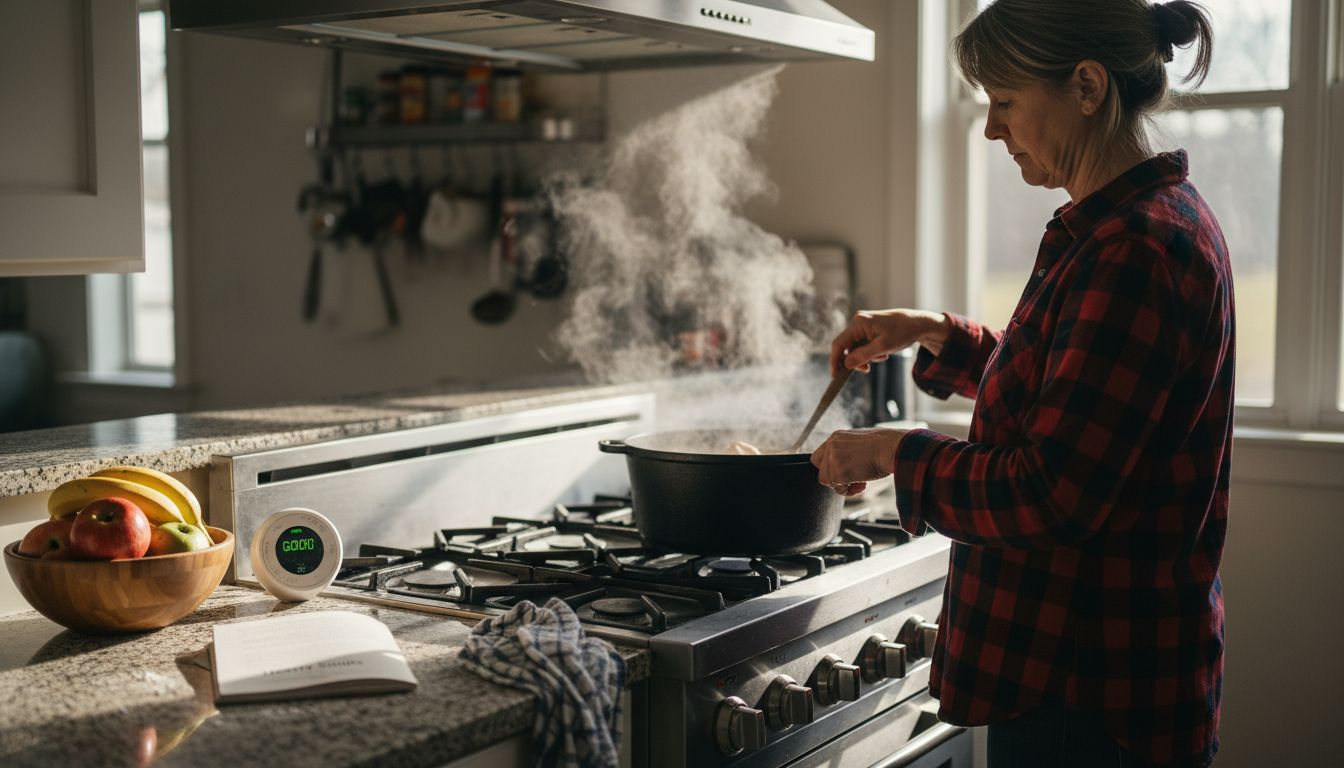
Pro tip: Create a weekly cleaning routine that focuses on reducing indoor air pollutants by using HEPA filters, opening windows for cross-ventilation, and selecting low-VOC household products to minimize contamination.
Health Impacts on Children and Families
Children represent the most vulnerable population when it comes to indoor air pollution, with their developing respiratory systems making them uniquely susceptible to long-term health complications. Indoor air pollutant exposure can trigger serious respiratory conditions, including asthma, chronic lung diseases, and increased susceptibility to infections. Their smaller body size and faster breathing rates mean children absorb significantly higher concentrations of airborne contaminants compared to adults, amplifying potential health risks.
The range of potential health impacts is surprisingly broad and deeply concerning. Mold spores, dust mites, pet dander, and chemical emissions can provoke immediate allergic reactions and respiratory distress. Children’s health research indicates that prolonged exposure to indoor pollutants can lead to reduced lung function, increased risk of developing chronic respiratory conditions, and potential neurological complications. Families with children who have pre-existing conditions like asthma face even greater challenges, as indoor air quality can directly trigger or exacerbate their symptoms.
Beyond respiratory concerns, indoor air pollution can impact children’s cognitive development and overall well-being. Volatile organic compounds and particulate matter have been linked to decreased cognitive performance, attention deficits, and potential long-term neurological impacts. Parents must recognize that the invisible nature of these pollutants does not diminish their potential for causing significant health problems, making proactive monitoring and mitigation strategies essential for protecting family health.
Pro tip: Create a monthly indoor air quality checklist that includes checking ventilation systems, replacing air filters, and conducting simple dust and moisture control measures to minimize potential health risks for children.
Effective Monitoring and Air Purification Tools
Comprehensive indoor air quality management requires a strategic approach combining advanced monitoring technologies and targeted purification solutions. Effective indoor air control involves understanding key measurement tools, filtration techniques, and environmental management strategies that can significantly reduce pollutant levels. Modern homeowners now have access to sophisticated devices that provide real-time insights into their indoor air composition, empowering them to make informed decisions about their family’s health environment.
Air quality monitoring devices have become increasingly sophisticated, offering homeowners precise measurements of multiple pollutant types. These tools can detect particulate matter, volatile organic compounds, humidity levels, and specific allergen concentrations. Low-cost air quality monitoring solutions range from portable digital monitors to smart home integration systems that continuously track environmental conditions. Specialized sensors can identify specific contaminants like carbon monoxide, formaldehyde, and fine particulate matter, giving families unprecedented visibility into their indoor air composition.
Purification technologies have also evolved dramatically, with high-efficiency particulate air (HEPA) filters representing the gold standard for removing microscopic pollutants. Advanced air purification systems now incorporate multiple filtration stages, including activated carbon layers for chemical absorption, UV light sanitization for biological contaminants, and electrostatic precipitators that capture ultra-fine particles. These comprehensive systems can remove up to 99.97% of airborne pollutants as small as 0.3 microns, providing a robust defense against potential health risks associated with indoor air contamination.
Here is a comparison of popular indoor air purification technologies:
| Technology Type | Main Mechanism | Key Strength | Notable Limitation |
|---|---|---|---|
| HEPA Filter | Physical particle trapping | Removes tiny particles (0.3µm) | Cannot remove gases or odors |
| Activated Carbon | Chemical adsorption | Captures odors and chemicals | Does not capture particulates |
| UV Light | Germicidal irradiation | Kills bacteria, mold, viruses | No effect on dust or gases |
| Electrostatic | Electric charge attraction | Traps ultra-fine particles | May produce ozone |
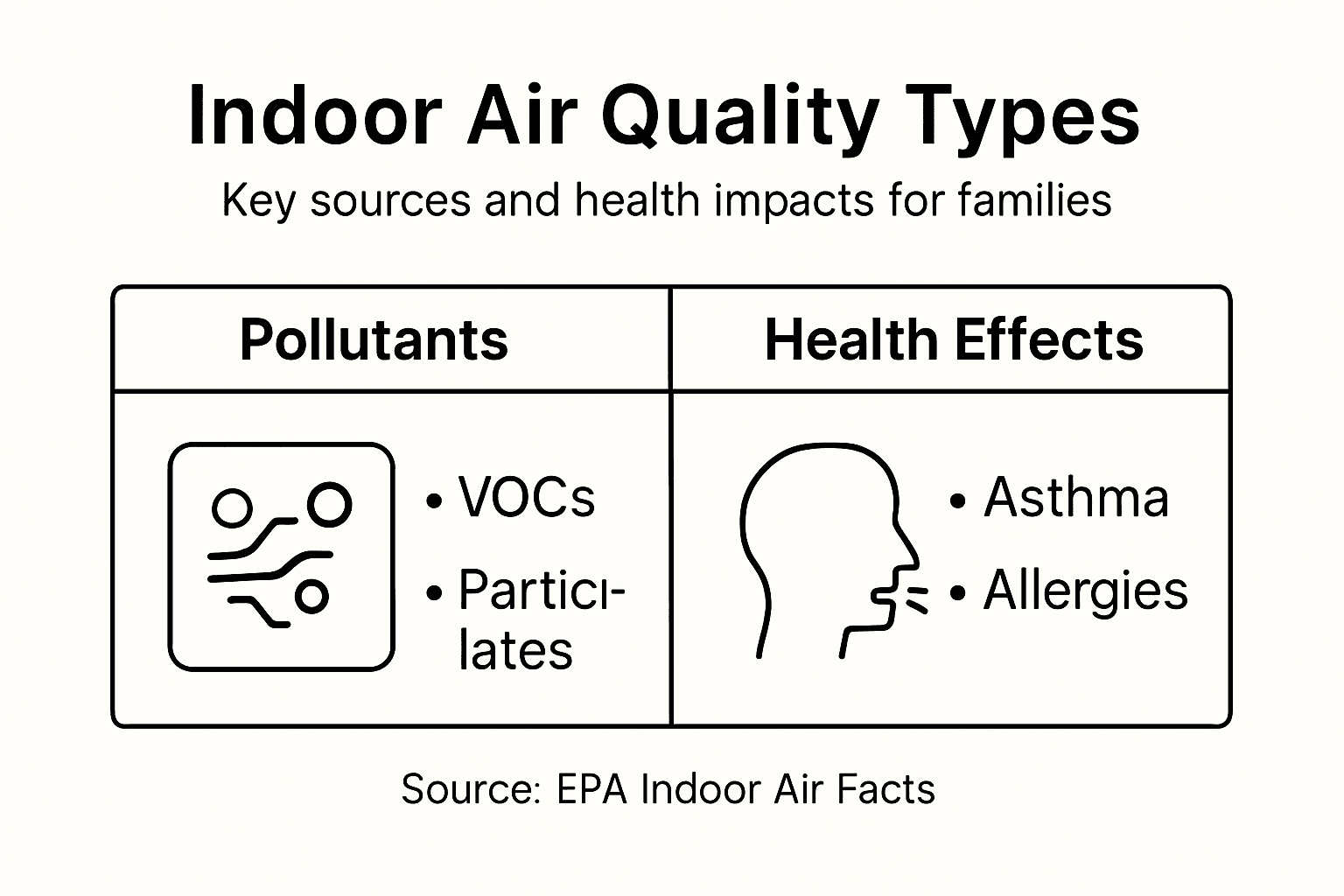
Pro tip: Invest in a multi-function air quality monitor that provides real-time data and connects to smartphone apps, enabling you to track indoor air health trends and receive immediate alerts about potential pollution spikes.
Common Mistakes When Addressing Indoor Pollution
Homeowners often approach indoor air quality management with well-intentioned but misguided strategies that can inadvertently worsen pollution levels. Indoor pollution control mistakes frequently stem from a fundamental misunderstanding of how pollutants accumulate and interact within enclosed spaces. Many families mistakenly believe that simply opening windows or running an occasional air purifier is sufficient to maintain healthy indoor environments.
One critical error is neglecting comprehensive source identification and control. Homeowners frequently overlook hidden pollution sources like off-gassing furniture, cleaning chemical residues, and combustion byproducts from cooking appliances. Comprehensive air quality management requires a holistic approach that goes beyond surface-level solutions. This means identifying and systematically addressing each potential contaminant source, rather than applying generic or one-size-fits-all remediation techniques that may provide only temporary relief.
Another significant mistake involves improper maintenance of air purification systems. Many families invest in air purifiers but fail to replace filters regularly, rendering these devices ineffective over time. Some consumers choose low-quality air purification equipment that lacks the necessary filtration capabilities to capture microscopic pollutants. Additionally, people often create false security by assuming that air purifiers can completely eliminate all indoor contaminants, when in reality, these devices are most effective as part of a comprehensive indoor air quality strategy that includes source reduction, ventilation, and regular monitoring.
Pro tip: Create a detailed indoor air quality maintenance calendar that tracks filter replacements, identifies potential pollution sources, and schedules regular air quality assessments to ensure consistent and effective home environmental management.
Take Control of Your Family’s Indoor Air Quality Today
Indoor pollution challenges like volatile organic compounds, biological agents, and particulate matter pose real risks to your loved ones’ health. This article clearly highlights how invisible threats such as mold, gas stove emissions, and chemical contaminants can silently impact children and adults alike. Don’t wait for symptoms to appear when you can proactively monitor and purify your home’s air.
At Coway Water Purifier, we understand these critical concerns and offer advanced air purification solutions designed to tackle the pollutants discussed here. Our range includes products featuring HEPA filtration, activated carbon layers, and UV sanitization that effectively reduce allergens, VOCs, and harmful gases. Combine this with regular air quality monitoring and strategic maintenance for a healthier home environment.
Start safeguarding your family’s health now by exploring our cutting-edge air purifiers. Visit the Uncategorized Archives – Coway Water Purifier to find the right model for your home. Learn more about how innovative technology can help you breathe easier and act today because your family deserves air that supports wellness. Discover your best solution at Coway Water Purifier.
Frequently Asked Questions
What is indoor pollution, and why is it a concern for family health?
Indoor pollution refers to the contamination of air within homes due to various pollutants like chemical emissions, biological agents, and particulate matter. It’s a concern for family health because indoor air can be significantly more polluted than outdoor air, posing risks such as respiratory issues and allergies, particularly for vulnerable populations like children.
How can I effectively monitor indoor air quality?
You can monitor indoor air quality by using air quality monitoring devices that measure pollutants including particulate matter, volatile organic compounds (VOCs), and humidity levels. These devices provide real-time insights and can help you track changes in air quality over time.
What are the most common sources of indoor air pollution?
Common sources of indoor air pollution include fuel-burning appliances like gas stoves and fireplaces, building materials releasing volatile organic compounds, biological agents like mold and dust mites, and household chemicals found in cleaning supplies and personal care products.
How can I reduce indoor air pollution in my home?
To reduce indoor air pollution, conduct regular cleaning to minimize dust and allergens, ensure proper ventilation, use low-VOC products, and invest in air purifiers equipped with HEPA filters. Regular maintenance of HVAC systems and air filters is also crucial for maintaining good indoor air quality.
Recommended
- Understanding Why Monitor Indoor Air Quality Matters – Coway Water Purifier
- How to Assess Indoor Air Quality Effectively at Home – Coway Water Purifier
- Indoor Air Quality: Everything You Need to Know – Coway Water Purifier
- Why Filter Indoor Air: Complete Guide for Homeowners – Coway Water Purifier
- Eco Friendly Cleaning Tips For Busy European Mums – The Zoofamily
