
Uncategorized
Step-by-Step Guide to Indoor Air Quality Improvement
Nov
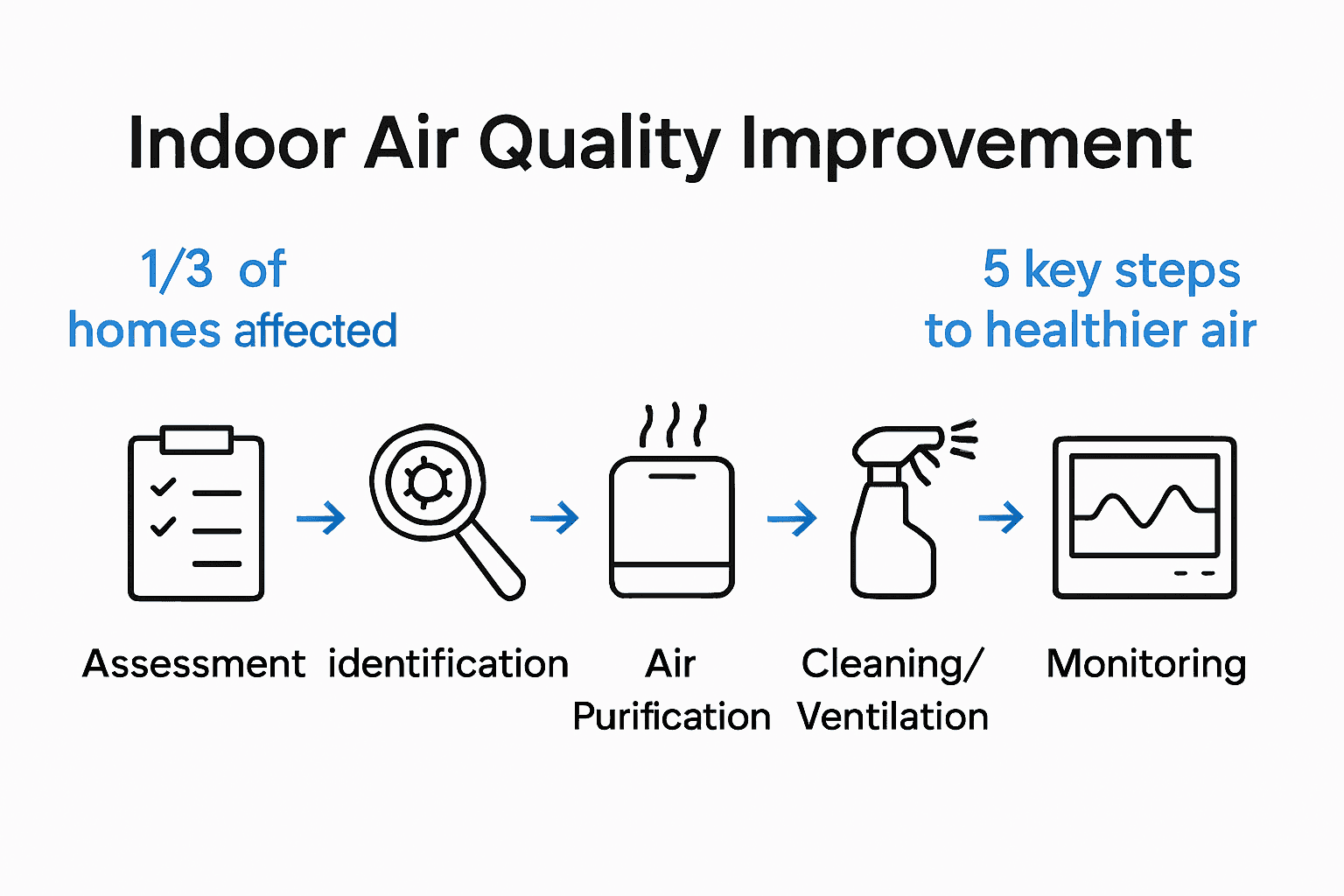
Over one third of homes have detectable levels of at least one indoor air pollutant, according to recent studies. Good indoor air quality affects everything from sleep to allergy symptoms, yet many people overlook the hidden sources inside their own homes. With the right steps, you can uncover and address these invisible threats, ensuring a healthier and more comfortable living space for you and your family.
Table of Contents
- Step 1: Assess Current Indoor Air Quality
- Step 2: Identify Major Sources Of Indoor Pollutants
- Step 3: Select Effective Air Purification Solutions
- Step 4: Implement Regular Cleaning And Ventilation Routines
- Step 5: Monitor And Verify Air Quality Improvements
Quick Summary
| Key Insight | Clarification |
|---|---|
| 1. Assess indoor air quality first | Conduct a room-by-room evaluation for dust, moisture, or mold to understand potential pollution sources. |
| 2. Identify major pollutant sources | Examine common household items like appliances, building materials, and biological contaminants contributing to air pollution. |
| 3. Select the right air purifier | Match air purification systems to specific pollutants and consider room size for effective results. |
| 4. Maintain regular cleaning routines | Implement systematic cleaning and ventilation practices to prevent pollutant accumulation and improve air quality. |
| 5. Monitor air quality improvements | Use indoor air quality monitors for ongoing assessment and document changes to ensure effectiveness of your strategies. |
Step 1: Assess current indoor air quality
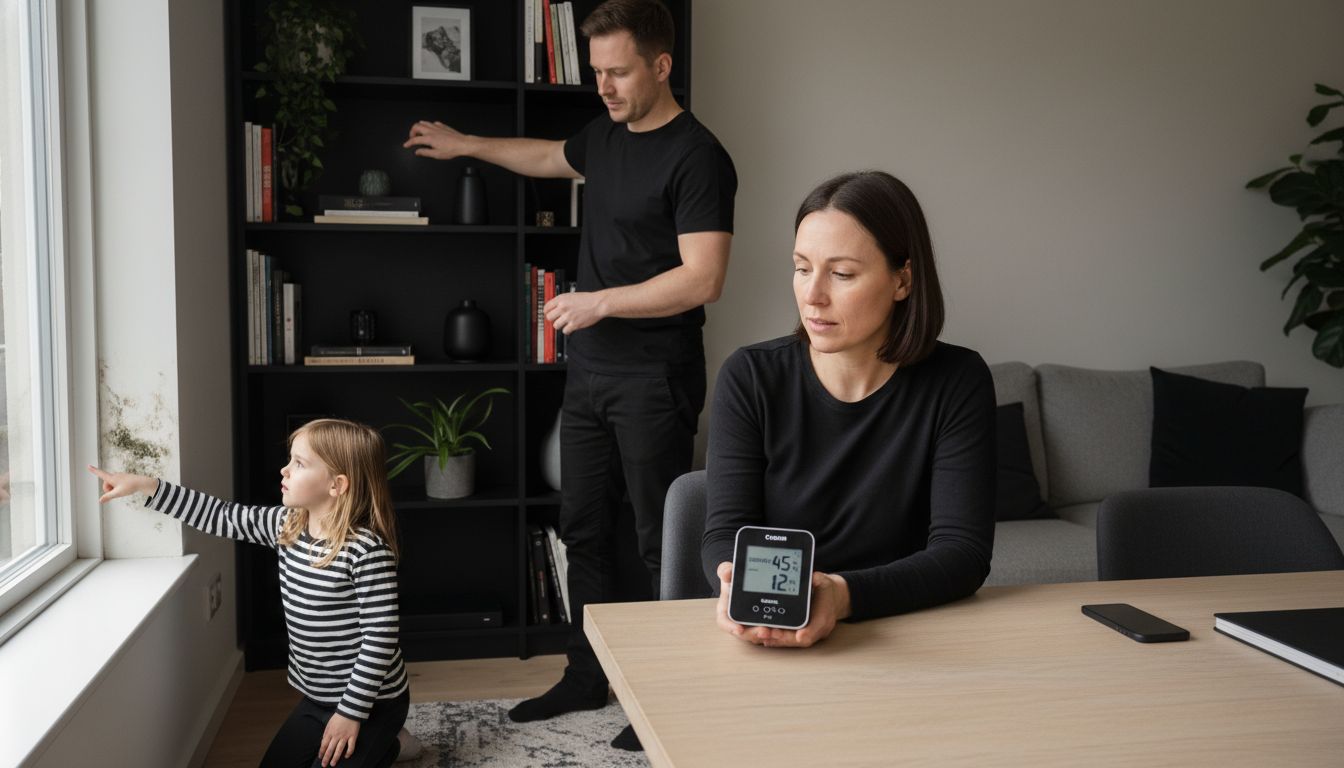
To improve your home’s air quality, you first need a comprehensive understanding of its current state. According to the Consumer Product Safety Commission, assessing indoor air quality requires carefully identifying potential pollution sources and understanding your space’s unique environmental conditions.
Begin your assessment by conducting a systematic room-by-room evaluation. Look for visible indicators like dust accumulation, musty odors, unexplained moisture spots, or signs of mold growth. Pay special attention to areas with poor ventilation such as bathrooms, basements, and kitchens. As recommended by the EPA, observe areas where condensation frequently occurs, as these zones often signal potential air quality challenges.
To gain deeper insights, consider using indoor air quality monitors that can detect particulate matter, humidity levels, and specific pollutant concentrations. These devices provide objective data beyond visual inspections, helping you understand hidden air quality issues. Pro tip: Document your findings with photographs and notes to track changes and develop a targeted improvement strategy.
With a clear assessment complete, you’re now ready to move forward and address specific air quality concerns in the next steps of your indoor wellness journey.
Step 2: Identify major sources of indoor pollutants
Understanding the origins of indoor air pollutants is crucial for creating a healthier home environment. Indoor pollutant sources are more diverse and complex than many people realize. According to the EPA, these pollutants originate from a wide range of everyday household items and activities.
Start by examining common pollution sources in different areas of your home. Combustion appliances like gas stoves, fireplaces, and heating systems can release carbon monoxide and particulate matter. Building materials such as paint, carpets, and furniture often emit volatile organic compounds (VOCs). Biological contaminants including mold, dust mites, pet dander, and bacteria thrive in areas with high humidity or poor ventilation. Pay special attention to spaces like bathrooms, basements, and kitchens where moisture and organic matter accumulate.
Look beyond indoor sources and consider external pollutants that can infiltrate your living space. Outdoor air pollution, radon from ground soil, pesticides, and tobacco smoke can all compromise your indoor air quality. Pro tip: Create a detailed room-by-room inventory of potential pollution sources, noting specific items like cleaning products, air fresheners, and electronic equipment that might contribute to indoor air contamination.
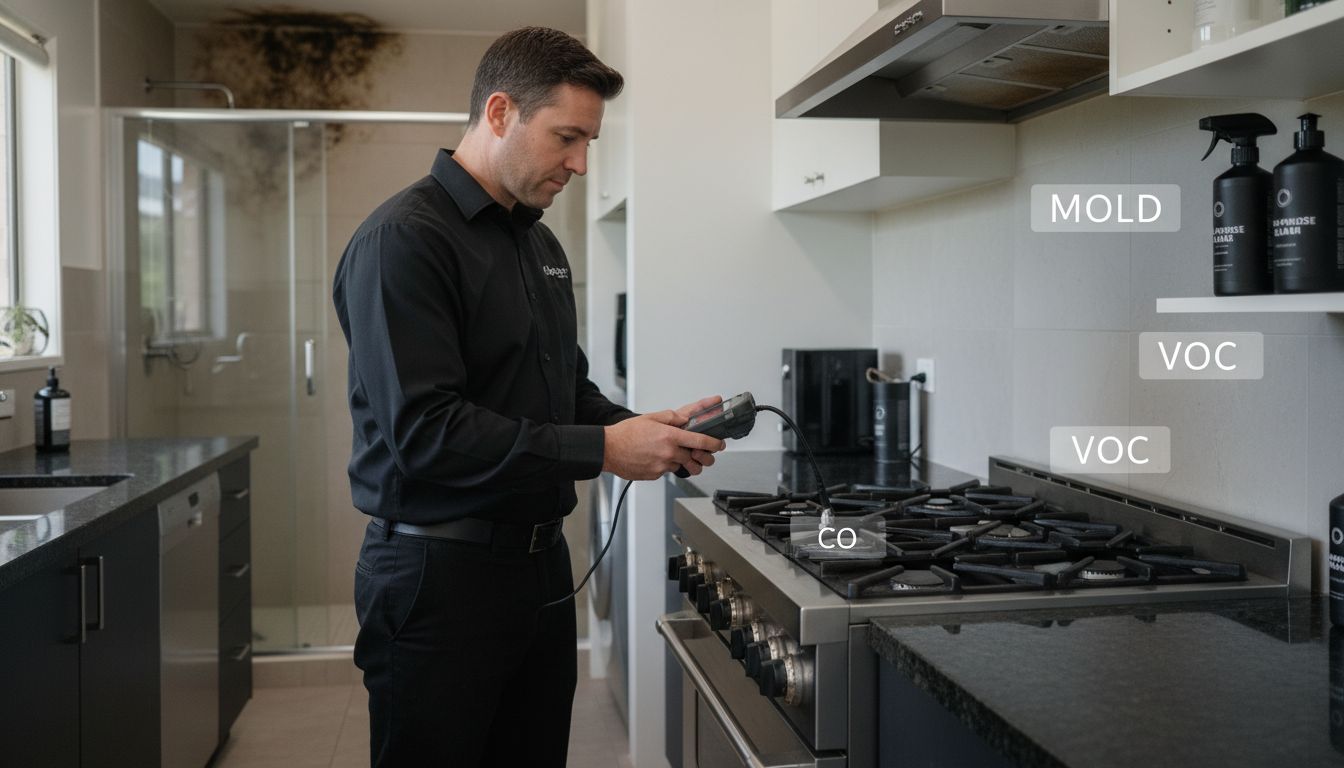
With a comprehensive understanding of your home’s pollution sources, you are now equipped to develop targeted strategies for improving your indoor air quality.
Step 3: Select effective air purification solutions
Choosing the right air purification system is critical for transforming your indoor air quality. When exploring air purifier technologies, understanding their specific capabilities becomes essential. According to the EPA, different air cleaning systems target various pollutants with varying levels of effectiveness.
Begin by matching air purification solutions to the specific pollutants identified in your earlier assessment. HEPA filters excel at capturing particulate matter like dust, pollen, and pet dander. Activated carbon filters are exceptional at removing odors and chemical vapors. For biological contaminants such as mold spores and bacteria, look for purifiers with UV light or photocatalytic oxidation technologies. The CDC recommends considering the Clean Air Delivery Rate (CADR) to understand a device’s performance across different pollutant types.
Consider the size of your space when selecting an air purifier. Measure your room dimensions and match them with a purifier’s coverage area. Pro tip: Invest in multiple smaller units for larger spaces instead of relying on a single device, which can create more uniform air circulation. Look for additional features like smart sensors, air quality indicators, and adjustable fan speeds that provide real-time monitoring and customized purification.
With a strategic air purification solution selected, you are now ready to implement your comprehensive indoor air quality improvement plan.
Step 4: Implement regular cleaning and ventilation routines
Maintaining excellent indoor air quality requires consistent cleaning and strategic ventilation practices. Regular maintenance routines are essential for preventing pollutant buildup and ensuring a healthy living environment.
According to the EPA, your cleaning strategy should focus on comprehensive dust and particle removal. Invest in a vacuum cleaner with a HEPA filter to trap microscopic particles effectively. Develop a systematic cleaning schedule that includes frequent dusting with microfiber cloths, washing bedding in hot water weekly, and cleaning or replacing air purifier filters every three to six months. Pay special attention to high-humidity areas like bathrooms and kitchens, where moisture can promote mold and bacteria growth.
Ventilation is equally critical in your air quality improvement plan. Open windows strategically to create cross ventilation, allowing fresh outdoor air to circulate and push out stale indoor air. During moderate weather conditions, aim for 10 to 15 minutes of open window ventilation daily. Pro tip: Use window fans or install window filters to help control the quality of incoming air and reduce outdoor pollutant entry. By combining thorough cleaning with smart ventilation techniques, you will significantly enhance your indoor air environment and protect your health.
With these routines established, you are now prepared to monitor and maintain your improved indoor air quality.
Step 5: Monitor and verify air quality improvements
Now that you have implemented comprehensive air quality strategies, tracking your progress becomes crucial. Understanding why monitor indoor air quality will help you maintain long term health and comfort.
According to the CDC, establishing baseline measurements is essential for verifying air quality improvements. Invest in a reliable indoor air quality monitor that can track multiple parameters such as particulate matter, humidity, volatile organic compounds (VOCs), and carbon dioxide levels. Take initial readings before implementing your improvement plan, then conduct regular measurements every two to three weeks to observe changes. Pay special attention to variations in particle concentration, humidity levels, and overall air composition.
Compare your current readings with your baseline measurements to quantify improvements. Create a simple tracking spreadsheet to document your findings, noting specific changes in different rooms and environmental conditions. Pro tip: Schedule your monitoring during different times of day and under various activities to get a comprehensive understanding of your indoor air dynamics. By consistently tracking and analyzing your air quality data, you will gain valuable insights into the effectiveness of your air quality improvement strategies.
With a systematic monitoring approach in place, you can now confidently maintain and optimize your indoor air environment.
Take Control of Your Indoor Air Quality Today
Improving your home’s air quality is more than just a task it is a journey toward a healthier living space. If you have assessed your indoor environment and identified pollutants like dust, VOCs, or biological contaminants you understand the challenge of maintaining fresh clean air. You need effective tools that work in harmony with your cleaning and ventilation efforts. That is where trusted air purification solutions come in to provide real results supported by advanced filtration technologies that eliminate airborne hazards.
Discover how Coway’s innovative air purifiers—featuring HEPA filters activated carbon and UV sanitization—can transform your home environment starting now. Visit our Uncategorized Archives – Coway Water Purifier to explore diverse air purification options designed with your unique needs in mind. Take advantage of free delivery installation and maintenance offers at https://cowayswaterpurifier.com and experience cleaner safer air today. Don’t wait for problems to worsen act now to protect your health and comfort.
Frequently Asked Questions
How can I assess my current indoor air quality?
To assess your indoor air quality, conduct a room-by-room evaluation for visible signs of pollution such as dust, moisture, or mold. Use indoor air quality monitors to measure particulate matter and humidity levels, ensuring you document your findings for future reference.
What are common sources of indoor air pollutants to look for?
Common sources of indoor air pollutants include combustion appliances, certain building materials, and biological contaminants like mold and dust mites. Check areas with poor ventilation, such as bathrooms and kitchens, and create a detailed inventory of items such as cleaning products that may contribute to indoor air contamination.
What factors should I consider when selecting an air purifier?
When choosing an air purifier, consider the specific pollutants you need to target, the size of your space, and the Clean Air Delivery Rate (CADR) of the unit. Ensure the purifier matches the dimensions of your room and look for features like air quality indicators and adjustable fan speeds for improved performance.
How often should I perform cleaning and ventilation routines?
Establish a cleaning routine that includes frequent dusting and vacuuming with a HEPA filter, washing bedding weekly, and replacing air purifier filters every three to six months. Ventilate your home for 10 to 15 minutes daily by opening windows when weather permits to allow fresh air circulation.
Why is monitoring air quality important after improvements?
Monitoring air quality is crucial to verify the effectiveness of your indoor air quality improvements over time. Use a reliable monitoring device to track air parameters every two to three weeks, and compare the readings to your baseline measurements to quantify changes in your indoor environment.
How can I effectively document and analyze my air quality data?
Create a tracking spreadsheet to document your air quality readings, noting the specific changes in different rooms and environmental conditions. Regularly analyze this data, especially during different times of day or activities, to gain insights into the effectiveness of your air quality improvement strategies.
Recommended
- Indoor Air Quality: Everything You Need to Know – Coway Water Purifier
- Indoor Air Quality: Everything You Need to Know – Coway Water Purifier
- Why Filter Indoor Air: Complete Guide for Homeowners – Coway Water Purifier
- 8 Indoor Air Quality Tips for a Healthier Home – Coway Water Purifier
- Car Interior Cleaning Guide for Spotless Results in Texas
