
Uncategorized
Why Purification Matters for Food Safety: 54% Gap
Apr
TL;DR:
- True food purification requires physical, chemical, and thermal processes, not just simple rinsing or cooking.
- Methods like antimicrobial washes and proper cooking temperatures significantly reduce foodborne pathogens.
- Relying on a single step, like rinsing or dehydration, is ineffective without layering multiple safety practices.
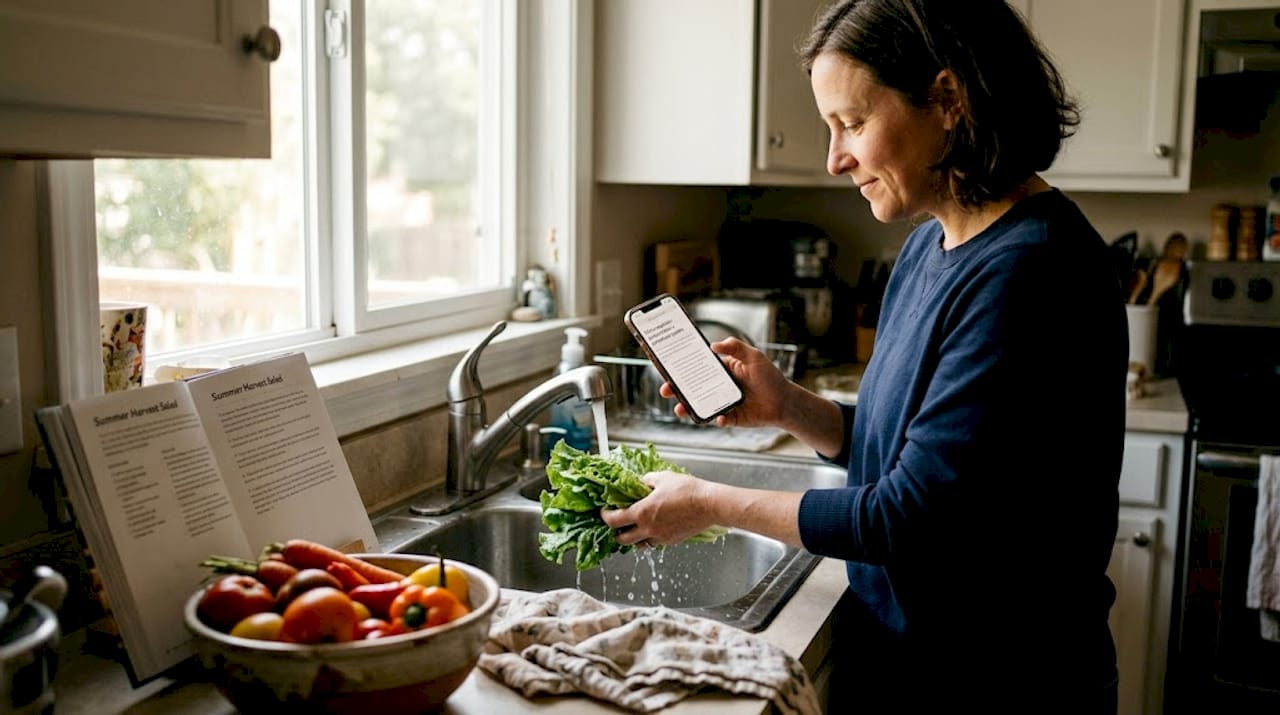
Most home kitchens carry a false sense of security. You rinse your produce, cook your chicken, and call it safe. But hidden contaminants, from pesticide residues to antibiotic-resistant bacteria, survive basic rinsing and even some cooking methods when temperatures aren’t precise. True food purification goes far beyond a quick rinse under the faucet. It involves layering physical, chemical, and thermal processes that work together to actively remove threats. This article breaks down what purification really means, which methods work, where most people go wrong, and how science-backed practices can raise your home food safety standard in practical, measurable ways.
Table of Contents
- What purification really means in food safety
- Home-friendly purification methods and their impact
- Common pitfalls: What purification does—and doesn’t—do
- From industry to kitchen: How science-driven purification protects you
- Our perspective: Why most home purification advice isn’t enough
- Take your food and water safety to the next level
- Frequently asked questions
Key Takeaways
| Point | Details |
|---|---|
| More than rinsing | True food safety goes beyond water rinsing and requires targeted purification methods. |
| Layered approaches work | Combining purification methods gives the best protection against foodborne risks. |
| Science-backed strategies | Following evidence-based guidelines and avoiding common myths sharply reduces contamination risk. |
| Upgrade for wellness | Choosing certified water purifiers and smart kitchen practices boosts your home’s long-term health outcomes. |
What purification really means in food safety
Most people think of purification as washing something until it looks clean. That’s a surface-level view. Real purification in food safety is a set of deliberate processes designed to remove or neutralize specific threats, not just visible dirt.
Purification in food safety refers to separation and decontamination processes that remove physical, chemical, and microbial contaminants from food and water. That definition covers three broad categories of techniques:
- Physical methods: Filtration, centrifugation, and mechanical separation physically remove particles and microorganisms from food or water without chemical intervention.
- Chemical methods: Disinfection using chlorine, ozone, or antimicrobial washes targets bacteria and viruses at the molecular level.
- Thermal methods: Boiling and pasteurization use heat to destroy pathogens that survive other treatments.
The contaminants these methods target are just as varied. You’re dealing with microorganisms like Salmonella and E. coli, chemical residues from pesticides and herbicides, heavy metals like lead and arsenic, and physical particulates like sediment or plastic fragments. No single method eliminates all of them.
Purification is not one action. It’s a system. The goal is to reduce risk at every point of contact, from water source to table.
Here’s a quick look at how contaminant types match up with the right purification approach:
| Contaminant type | Example | Best purification method |
|---|---|---|
| Microorganisms | E. coli, Salmonella | Thermal (boiling, cooking), UV |
| Chemical residues | Pesticides, herbicides | Filtration, activated carbon |
| Heavy metals | Lead, arsenic | Reverse osmosis, ion exchange |
| Physical particulates | Sediment, microplastics | Mechanical filtration |
This matters at home just as much as in commercial food production. The benefits of purified water extend directly into food prep, since the water you use to wash, boil, or steam your food carries its own contamination risks. A kitchen that takes purification seriously treats water quality as step one, not an afterthought.
Understanding this scope is the foundation. Once you see purification as a system rather than a single action, you can start making smarter, more targeted choices.
Home-friendly purification methods and their impact
Knowing the theory is one thing. Knowing what actually works in your kitchen is another. The good news is that several evidence-based methods are easy to apply at home and deliver measurable results.
Washing produce the right way
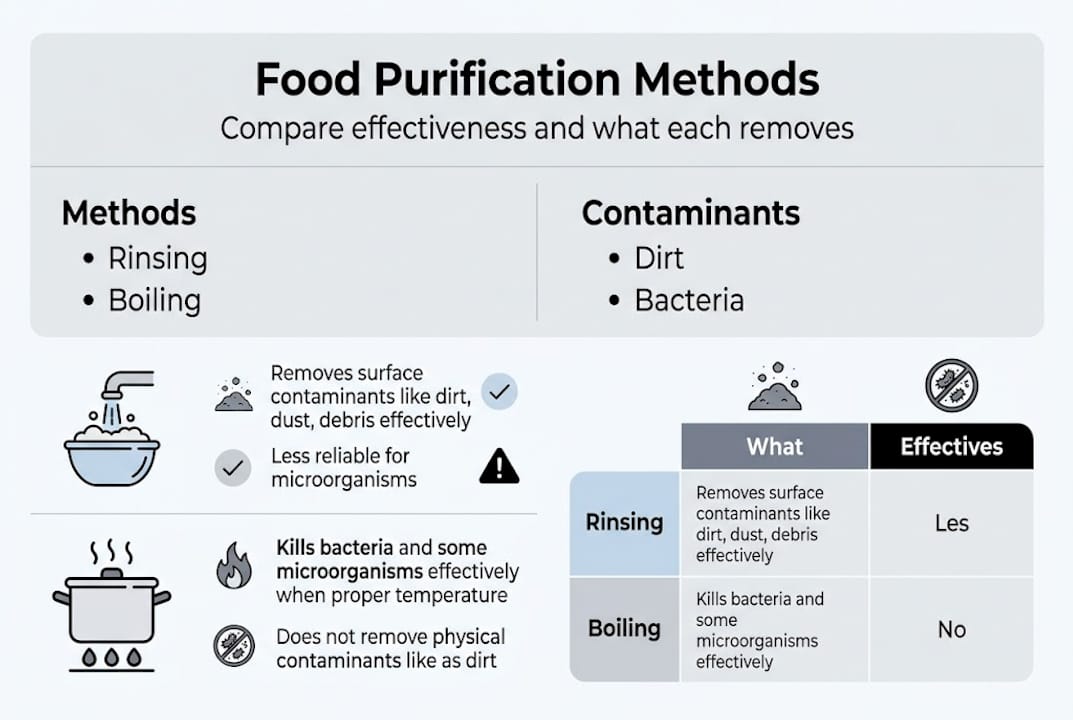
CDC and FDA recommendations for home food safety are clear: wash produce under running water, boil water for one minute, cook to safe internal temperatures, and keep utensils separate. Running water works because the mechanical action dislodges contaminants. Standing water in a bowl does not provide the same effect.
For higher-risk produce, antimicrobial washes make a real difference. Antimicrobial washing can reduce E. coli on cucumbers by up to 3.72 log CFU/g, which translates to a reduction of over 99.9%. That’s a meaningful gap compared to plain water rinsing.
Cooking to safe temperatures
Heat is your most reliable pathogen killer. But it only works when you hit the right temperature throughout the food, not just on the surface. Here are the targets you need to know:
- Poultry (whole and ground): 165°F
- Ground beef and pork: 160°F
- Whole cuts of beef, pork, lamb: 145°F with a 3-minute rest
- Fish and shellfish: 145°F
- Eggs: Cook until yolk and white are firm
Pro Tip: A food thermometer is the single most reliable tool in your kitchen. Guessing by color or texture leads to undercooking, which leaves pathogens alive even when food looks done.
Preventing cross-contamination
Purification doesn’t stop at the food itself. How you handle it matters just as much. Separate cutting boards for raw meat and produce, dedicated utensils, and consistent handwashing are all part of the purification system in your kitchen. Following water purification best practices and understanding water purity importance in food prep rounds out a complete approach.
| Method | Effectiveness | Contaminants targeted |
|---|---|---|
| Running water rinse | Moderate | Dirt, some bacteria |
| Antimicrobial wash | High | Bacteria, some pesticides |
| Boiling | Very high | Microorganisms |
| Cooking to temp | Very high | All pathogens in food |
| Filtration | High (water) | Chemicals, metals, particulates |
Common pitfalls: What purification does—and doesn’t—do
Even well-intentioned home cooks make mistakes that undercut their purification efforts. Knowing where the gaps are helps you close them before they become a health risk.
Washing does not equal decontamination
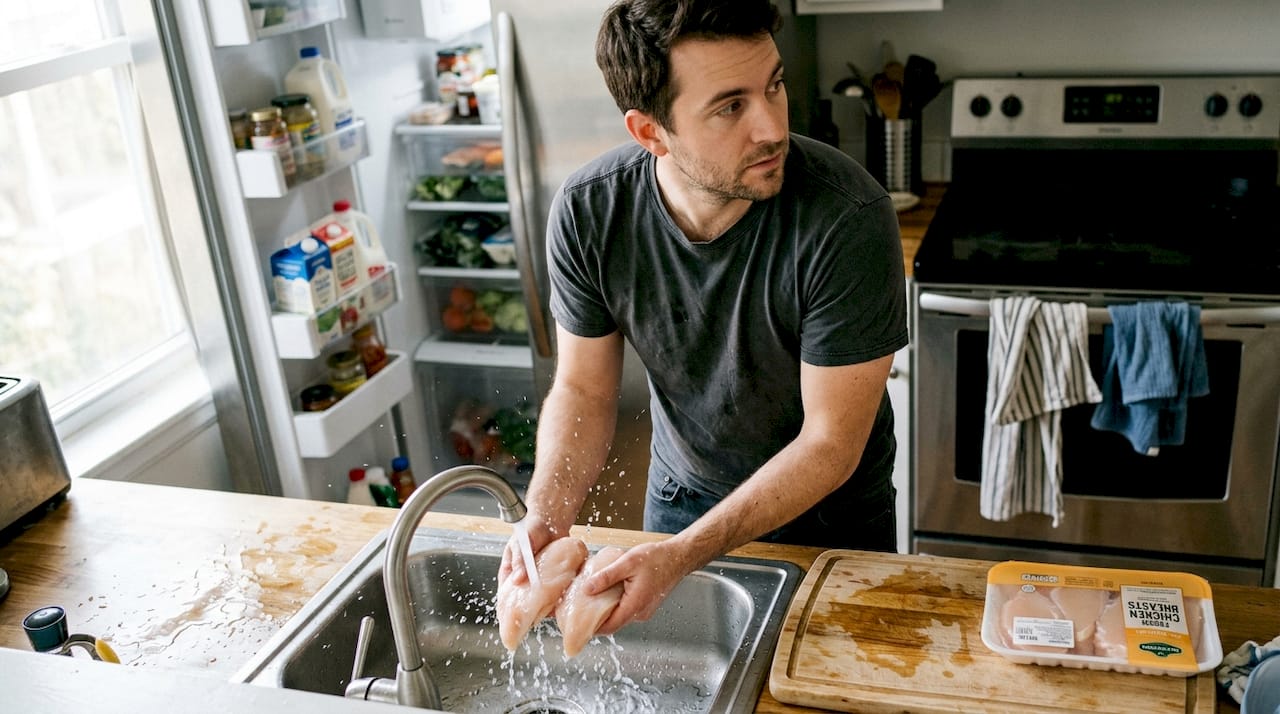
Washing does not eliminate all bacteria and should never be used on raw meat. Rinsing raw chicken or beef under the faucet doesn’t remove pathogens. It spreads them. Water droplets carry bacteria to surrounding surfaces, utensils, and even your clothing. This is one of the most common and dangerous kitchen myths.
Dehydration is another method people misuse. Removing moisture from food does reduce microbial growth, but it does not kill pathogens already present. Meat must be pre-cooked to 160°F or 165°F before dehydrating to be fully safe.
Filtration has real limits
A water filter removes many contaminants, but not all. Standard carbon filters handle chlorine, some pesticides, and taste compounds well. They don’t reliably remove viruses, some heavy metals, or pharmaceutical residues without additional stages. Understanding what your filter actually does is critical for making smart choices.
Pro Tip: When you’re unsure whether one method is enough, combine it with another. This is called the hurdle approach, and it’s the same strategy food manufacturers use. Layering methods creates overlapping protection where one method’s weakness is covered by another’s strength. You can read more about the key benefits of water purification to understand how filtration fits into this layered system.
Top 5 common purification mistakes at home
- Rinsing raw meat under the faucet
- Washing produce in standing water instead of running water
- Relying on a single filter stage for all water contaminants
- Skipping a food thermometer and judging doneness by appearance
- Dehydrating meat without pre-cooking it to a safe internal temperature
From industry to kitchen: How science-driven purification protects you
Food manufacturers operate under strict regulatory frameworks that require measurable, documented safety outcomes. Your home kitchen doesn’t have inspectors, but you can still borrow the principles.
Both homes and industry rely on physical, chemical, and thermal techniques. The difference is precision and verification. Good home hygiene practices, including handwashing and proper food handling, close a 54% food safety gap compared to households with poor hygiene habits. That’s not a small number. It means your daily habits carry real, quantifiable weight.
Industry certifications like NSF/ANSI standards exist to verify that household filters perform at scientifically validated benchmarks. When choosing a home water purifier, looking for certified systems means you’re getting performance that’s been independently tested, not just marketed.
Cutting-edge methods from food science are also making their way into home kitchens. Vinegar or peracetic acid washing further reduces pesticides and bacteria on produce surfaces. These aren’t complicated steps. A diluted vinegar wash before rinsing with running water adds a chemical purification layer that plain water can’t provide.
Here’s how to close the gap between home and industrial food safety standards:
- Use certified water filtration systems for all cooking and drinking water.
- Apply the hurdle approach: combine washing, antimicrobial rinses, and thermal methods.
- Invest in a reliable food thermometer and use it every time.
- Store food at correct temperatures to prevent microbial growth between prep steps.
- Learn what your filter actually removes and upgrade if it doesn’t cover your water’s specific risks.
For a deeper look at how these principles apply beyond the home, purified water benefits in restaurants and professional food service settings show just how much water quality shapes food safety outcomes. The science behind separation technologies in food processing continues to evolve, and home applications are following closely behind.
Our perspective: Why most home purification advice isn’t enough
Most food safety tips you find online stop at the surface. Rinse your produce. Cook your chicken. Wash your hands. These aren’t wrong, but they’re incomplete in a way that matters.
The real issue is that surface actions create a feeling of safety without delivering full protection. A quick rinse feels like purification. It isn’t. True purification requires intention, layering, and some basic understanding of what you’re actually trying to remove.
We’ve seen how industrial food safety works, and the biggest lesson isn’t about equipment. It’s about benchmarking. Manufacturers measure outcomes. They verify that their processes actually reduce contamination to acceptable levels. Home cooks rarely do this, and that gap is where risk lives.
The households that genuinely improve their food safety outcomes are the ones that stop treating purification as a single step and start treating it as a system. They know why purity matters at every stage of food prep. They invest in tools that give measurable results. And they layer methods deliberately, not randomly.
Upgrading your home food safety doesn’t require a commercial kitchen. It requires a shift in how you think about risk and a willingness to go one step further than the basics.
Take your food and water safety to the next level
Understanding purification is the first step. Acting on it is where your family’s health actually improves. Modern water purifiers and upgraded kitchen systems are designed to close the safety gaps that basic habits leave open.
If you want to go from knowing to doing, start with a solid foundation. The water purification process guide walks you through how different filtration stages work and which contaminants each one targets. For a practical home upgrade, the countertop ice water purifier delivers certified filtration without major installation. And if you want to understand how these principles scale up, the guide on filtration in food service shows what best-in-class water safety looks like in practice.
Frequently asked questions
Does rinsing fruits and vegetables really make food safe?
Rinsing under running water removes dirt and some bacteria, but antimicrobial washes reduce pathogens by 0.79 to 2.41 log CFU/g, making them significantly more effective than water alone for food safety.
Can I safely drink tap water if I boil it?
Boiling water for 1 minute disinfects it from most microbes, but it does not remove chemical contaminants like pesticides or heavy metals, which require filtration.
Is washing raw meat recommended to make it safer?
Never wash raw meat. Rinsing raw meat spreads pathogens to surrounding surfaces rather than removing them, making proper cooking to safe internal temperatures the only reliable safety step.
How effective is dehydration for making food safe?
Dehydration requires pre-cooking meat to 160°F or 165°F before the drying process, because removing moisture alone does not kill pathogens already present in the food.
Recommended
- Why Water Purity Matters for Food Businesses – Coway Water Purifier
- Role of Purification in Ensuring Customer Safety – Coway Water Purifier
- Purification Industry Standards Explained: Impact on Health – Coway Water Purifier
- Benefits of Purified Water in Restaurants – Coway Water Purifier
- Cookware Stainless Steel: Making the Right Choice – Brass & Steel
