
Uncategorized
How air quality affects wellness: risks, evidence, solutions
Apr
TL;DR:
- Americans spend 90% of time indoors where air pollution can be 2-5 times higher than outside.
- Indoor pollutants like PM2.5, VOCs, and mold harm lungs, heart, and brain over time.
- Building habits like source control, ventilation, and filtration significantly improve home air quality.
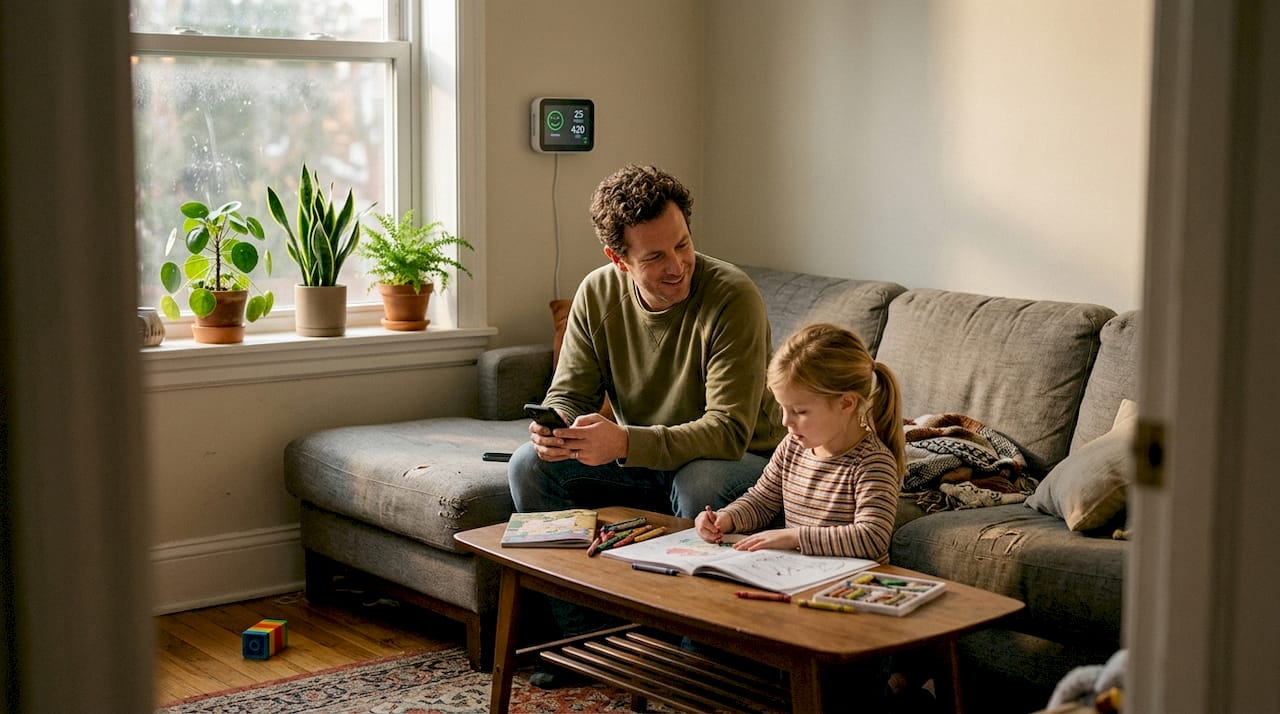
Most families assume their home is a safe refuge from pollution. The reality is sharper and more unsettling. The EPA confirms that Americans spend roughly 90% of their time indoors, where air can be two to five times more polluted than outside. Invisible contaminants like fine particles, mold spores, and chemical vapors circulate through living rooms and bedrooms every day, quietly affecting breathing, sleep, and long-term health. Understanding exactly what is in your home’s air, who it harms most, and what you can do about it is one of the most practical steps any family can take toward lasting wellness.
Table of Contents
- What is air quality and why does it matter?
- How does air quality affect the body and mind?
- Who is most at risk from poor air quality?
- Practical actions to improve home air quality
- Our perspective: What most families overlook about air quality and wellness
- Healthy air, healthy home: Take the next step
- Frequently asked questions
Key Takeaways
| Point | Details |
|---|---|
| Indoor air threats | Home air often contains hidden pollutants that impact your family’s wellness even if you don’t notice immediate symptoms. |
| Multiple health impacts | Poor air quality affects not just your lungs but also your heart, brain, and immune system. |
| Vulnerable groups | Children, elderly family members, and pregnant women face the greatest risks from indoor air pollutants. |
| Practical improvements | Simple actions like better ventilation, filtration, and regular air quality monitoring can make a big difference at home. |
| No safe level | Even low levels of air pollution can harm your health, so proactive steps matter for everyone. |
What is air quality and why does it matter?
Air quality is a measure of how clean or contaminated the air is in a given space. Outdoors, agencies track pollutants released by traffic, industry, and wildfires. Indoors, the picture is different and often worse, because pollutants get trapped and concentrate inside sealed buildings.
WHO identifies the key threats as particulate matter (PM2.5 and PM10), carbon monoxide (CO), ozone (O3), nitrogen dioxide (NO2), and sulfur dioxide (SO2). PM2.5 is especially dangerous because its microscopic size allows it to pass through the lungs directly into the bloodstream. Indoors, you also face volatile organic compounds (VOCs) released by paints, cleaning products, and furniture, plus biological hazards like mold and radon gas seeping up from soil.
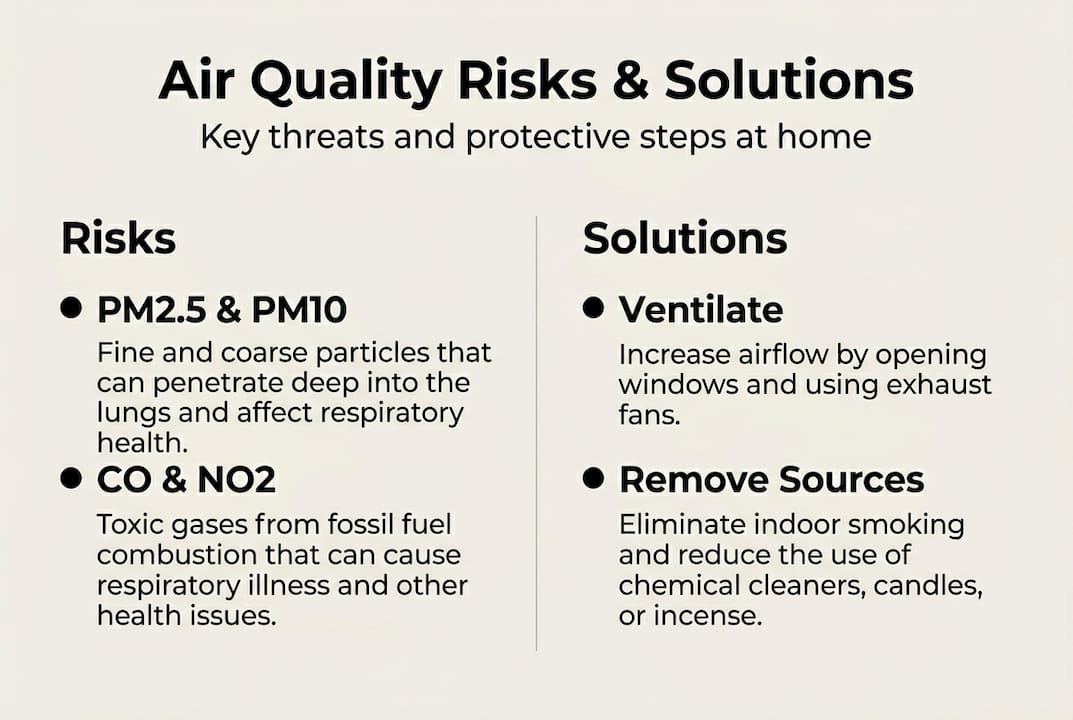
Here is a quick look at the most common pollutants, where they come from, and what they do to the body:
| Pollutant | Common indoor sources | Main health risk |
|---|---|---|
| PM2.5 / PM10 | Cooking, candles, dust | Lung and heart disease |
| Carbon monoxide | Gas stoves, heaters | Headache, poisoning |
| VOCs | Paints, cleaning sprays | Irritation, liver damage |
| Mold spores | Damp walls, HVAC | Allergies, asthma |
| Radon | Soil beneath foundation | Lung cancer |
| NO2 | Gas appliances, smoking | Airway inflammation |
Why is indoor air particularly hazardous? Several factors stack against you:
- Modern homes are built tighter for energy efficiency, reducing natural airflow
- Pollutant sources (cooking, cleaning, furniture off-gassing) are concentrated in small spaces
- People sleep and breathe deeply indoors for hours every night
- Ventilation systems can recirculate rather than remove contaminants
- Indoor air pollution is invisible, so families rarely realize there is a problem
Understanding the indoor vs. outdoor air impact helps you prioritize where to focus your protective efforts. The short answer: start at home.
How does air quality affect the body and mind?
Pollutants do not just irritate the nose. Once inhaled, fine particles and gases trigger a cascade of biological responses. WHO research shows that air pollution causes inflammation, oxidative stress, and immune suppression as particles travel through the respiratory tract to the lungs, heart, brain, and other organs.
Here is how that plays out across three major body systems:
- Respiratory system: Particles and gases inflame airway linings, reduce lung capacity, and worsen conditions like asthma and chronic obstructive pulmonary disease.
- Cardiovascular system: Fine particles entering the bloodstream promote arterial inflammation, raising the risk of heart attack, stroke, and high blood pressure over time.
- Neurological system: Pollutants cross the blood-brain barrier, contributing to cognitive decline, mood changes, and memory problems.
The cognitive angle surprises most people. PM2.5 exposure is linked to lower IQ in children, reduced attention and executive function after short-term exposure, and an elevated risk of dementia in older adults. That means the air in your child’s bedroom is not just a breathing issue. It is a learning issue.
Short-term and long-term effects look very different:
| Timeframe | Poor air quality symptoms | Healthy air experience |
|---|---|---|
| Short-term (days) | Coughing, eye irritation, headaches, fatigue | Clear breathing, good energy |
| Long-term (years) | Chronic lung disease, heart disease, cognitive decline | Reduced disease risk, better sleep |
“There is no safe threshold for PM2.5. Even low levels cause measurable harm to the lungs and cardiovascular system.”
Pro Tip: If you or your family members feel consistently tired, foggy, or congested at home but better outside, poor indoor air quality may be the reason. Monitoring indoor pollution is the first step to finding out. You can also read more about why indoor air matters to understand the full scope of the risk.
Who is most at risk from poor air quality?
Not everyone in your household faces the same level of risk. Biology, age, and health status all determine how much damage poor air quality does.
The most vulnerable groups include:
- Children: Their lungs are still developing, and they breathe faster than adults, taking in more air relative to body weight. Early exposure shapes lung capacity for life.
- Elderly individuals: Aging lungs and hearts have less reserve to cope with inflammation. Seniors with existing conditions face compounded risk.
- Pregnant women: Prenatal exposure to air pollution is linked to low birth weight and preterm birth, outcomes that affect a child’s health for decades.
- People with asthma or heart disease: Pre-existing conditions amplify every exposure.
Consider a real-life scenario. A child in a home with a gas stove, older carpeting, and limited ventilation may develop persistent coughing and frequent respiratory infections. Parents often attribute this to daycare germs or seasonal allergies. The actual cause can be common indoor air pollutants building up in a space that is never properly aired out.
Homes with combustion sources (gas stoves, fireplaces, attached garages), smokers, or aging appliances require special attention. These environments generate CO, NO2, and fine particles continuously. EPA research confirms that children, the elderly, and pregnant women should be the priority when families assess and improve indoor air.
Pro Tip: Watch for patterns. If a family member feels worse at home than at school or work, or if symptoms improve on vacation, those are strong signs of poor air quality in your living space.
Practical actions to improve home air quality
Knowing the risks is only useful if it leads to action. The good news is that most meaningful improvements cost little or nothing to start.
Here are the essential steps, in order of impact:
- Control the source: Remove or reduce what produces pollution. Stop indoor smoking, switch to low-VOC cleaning products, and service gas appliances annually.
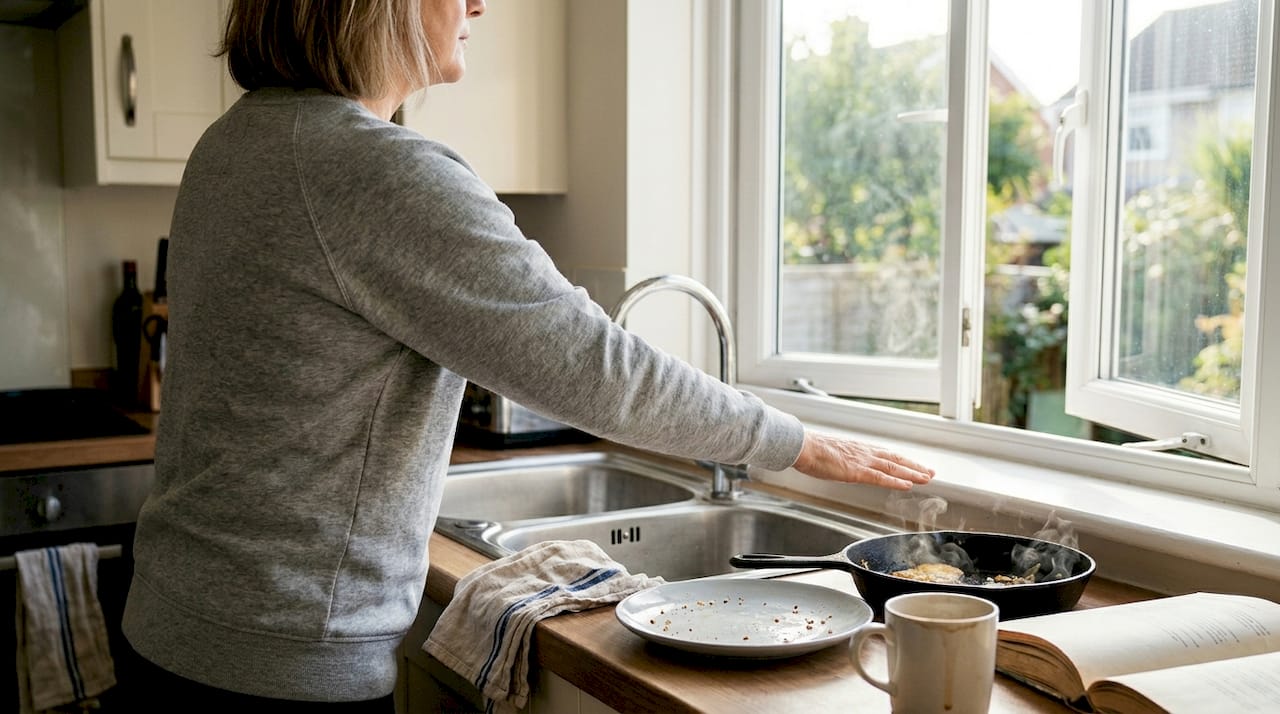
- Ventilate regularly: Open windows when outdoor air quality is good. Use exhaust fans in kitchens and bathrooms every time you cook or shower.
- Filter the air: Use a certified air purifier with a HEPA filter in bedrooms and main living areas. EPA indoor air quality guidance consistently ranks filtration among the most effective interventions.
- Control humidity: Keep indoor humidity between 30% and 50% to prevent mold and dust mite growth.
- Clean strategically: Vacuum with a HEPA-equipped machine and use damp cloths to avoid stirring up settled particles.
Tools that support better air quality at home:
- Air quality monitors (track PM2.5, CO2, humidity, and VOCs in real time)
- HEPA air purifiers rated for your room size
- Indoor plants, which play a wellness role as a natural complement to filtration
- Carbon monoxide detectors on every floor
Pro Tip: The single most impactful free action is removing combustion sources from sleeping areas and cooking with the range hood on every time. Pair that with indoor air optimization tips and a consistent air quality improvement routine for lasting results. You can also find practical air quality tips organized by room and budget. The 90% time indoors figure is a reminder that home air quality deserves the same attention as diet or exercise.
Our perspective: What most families overlook about air quality and wellness
Most homeowners treat air quality as a one-time fix. They crack a window, buy a plant, and consider the problem solved. That mindset is the real hazard.
Air quality is not a state. It is a condition that changes hour by hour based on cooking, cleaning, occupancy, and outdoor conditions. A single action does not hold. What works is building habits: running the range hood every time you cook, replacing filters on schedule, and checking your monitor readings the same way you check the weather.
The payoff is measurable. Reducing PM2.5 from 12 to 7 µg/m³ can add up to 0.29 years of life expectancy. That is not a marketing claim. That is epidemiology.
Families who prioritize air quality consistently report better sleep, fewer sick days, and sharper focus at home. These are not placebo effects. They are the predictable result of removing a chronic stressor from the body.
Pro Tip: Schedule an air quality check every season, just as you would a fire alarm test or water filter change. Make it a household routine, not a reaction to symptoms.
Healthy air, healthy home: Take the next step
Understanding the science is the foundation, but protection comes from acting on it. If you are ready to move from awareness to action, the right tools make all the difference.

Start with our air purifier selection guide to find the right unit for your home’s size and specific concerns. If you want a broader comparison of top-rated options, our best air purifier guide for 2026 breaks down performance, filtration technology, and value. Not sure where to begin? Walk through our air purification checklist to identify the biggest gaps in your home’s air quality before spending a dollar. Your family’s health is worth that first step.
Frequently asked questions
What are the most important air pollutants to watch at home?
PM2.5, CO, O3, NO2, and SO2 are the primary threats, along with VOCs and mold spores that are especially common indoors. A monitor that tracks PM2.5 and CO2 covers the most critical bases for most households.
How quickly does air pollution impact health?
Short-term exposure can reduce lung function and trigger infections within days, while years of exposure raise the risk of heart disease, stroke, and cancer significantly. The effects begin faster than most people expect.
Are children more vulnerable to indoor air pollution?
Yes. Children, the elderly, and pregnant women face the highest risks, and prenatal exposure specifically is linked to low birth weight and preterm delivery. Protecting these groups should be the top priority for any household.
Can indoor plants help improve air quality?
Plants offer a wellness benefit and can absorb some pollutants, but they are not a substitute for source control and mechanical filtration. Use them as a complement, not a solution on their own.
Is there a safe level of indoor air pollution?
No. Even low PM2.5 levels cause measurable harm over time, which is why consistent monitoring and filtration matter even in homes that feel and smell clean.
Recommended
- Spot the signs of poor air quality for a healthier home – Coway Water Purifier
- Home air quality checklist for a healthier 2026 – Coway Water Purifier
- How Allergens Affect Air Quality and Health – Coway Water Purifier
- Office Wellness via Air Quality: Healthier Workplaces – Coway Water Purifier
- Aromatherapy benefits, evidence, and practice explained
