
Uncategorized
Role of Filtration Stages: Improving Home Water Safety
Dec
More than 60 percent of American households report concerns about water quality affecting their family’s health. Safeguarding those you care about starts with understanding how advanced filtration stages protect your drinking water. If you want cleaner water and greater peace of mind, this guide clarifies how layered filtration systems remove threats and reveal the real benefits for family wellness and safety.
Table of Contents
- What Filtration Stages Mean For Water Safety
- Common Types Of Filtration In Purifiers
- How Multi-Stage Filtration Systems Work
- Health And Wellness Benefits Explained
- Comparing Filtration Stages And Alternatives
Key Takeaways
| Point | Details |
|---|---|
| Importance of Filtration Stages | Multi-stage filtration systems systematically remove contaminants, ensuring safe drinking water through targeted processes. |
| Common Filtration Methods | Technologies like activated carbon, reverse osmosis, and UV purification address specific contaminants for improved water quality. |
| Health Benefits of Filtration | Advanced water filtration significantly reduces pathogens and harmful chemicals, enhancing overall health and hydration. |
| Comparison with Alternatives | Multi-stage systems offer broader protection compared to traditional methods like chlorination, which may leave contaminants behind. |
What Filtration Stages Mean for Water Safety
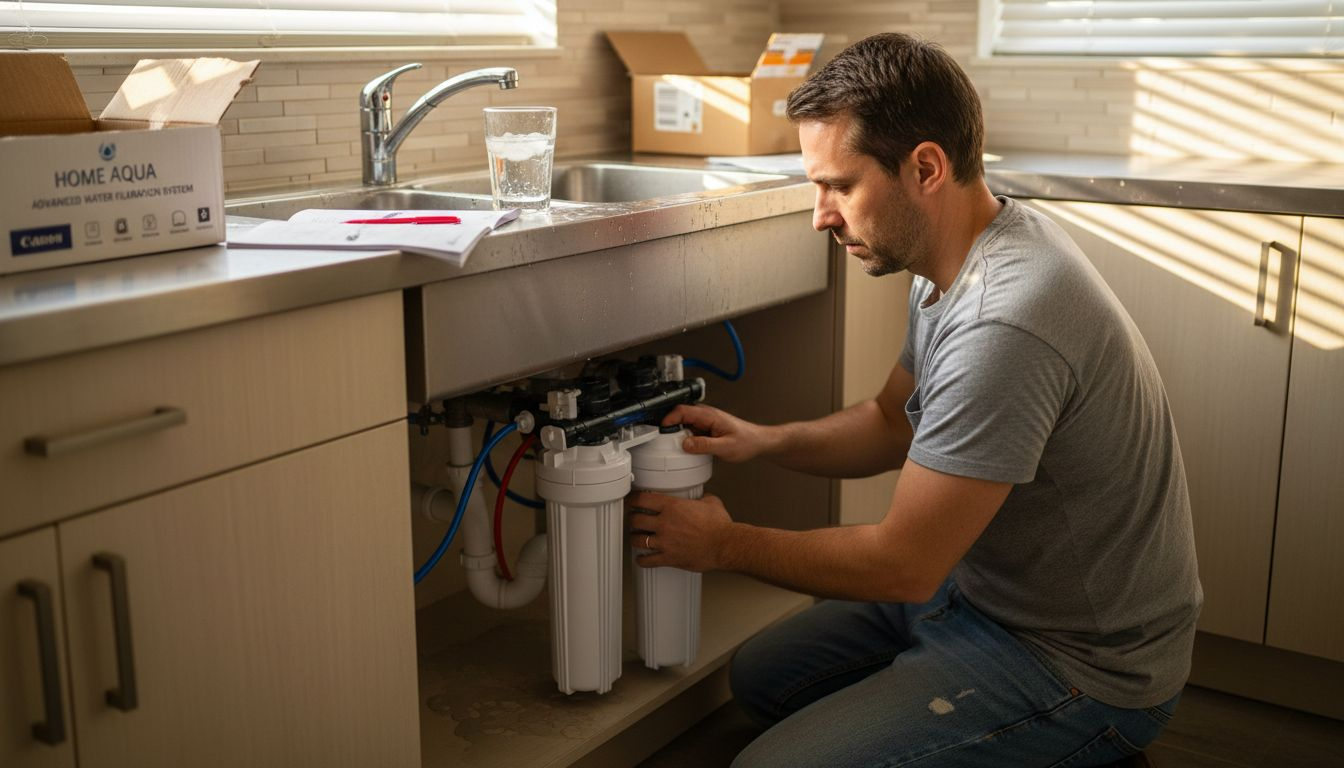
Water filtration stages represent a sophisticated, multilayered defense system designed to systematically remove dangerous contaminants and ensure household drinking water meets rigorous safety standards. Understanding water treatment processes reveals a complex sequence of steps that progressively eliminate potential health risks through targeted interventions.
The typical water filtration process involves multiple critical stages, each serving a specific protective function. Initial stages focus on removing larger particulate matter through mechanical filtration, using physical barriers that trap sediment, rust, and debris. Subsequent chemical and biological filtration stages target microscopic contaminants like bacteria, viruses, heavy metals, and chemical pollutants. Advanced filtration technologies employ techniques such as activated carbon absorption, reverse osmosis membranes, and ultraviolet sanitization to neutralize harmful substances that might pass through earlier screening processes.
Each filtration stage plays a crucial role in transforming potentially contaminated water into a safe drinking resource. Comprehensive water treatment approaches demonstrate how layered filtration methods systematically address different types of water quality challenges. The sequential nature of these stages ensures that water progressively becomes cleaner and safer, with each stage removing specific categories of contaminants that could compromise human health.
Pro Tip – Water Safety Assessment: Conduct an annual water quality test for your home to understand the specific filtration needs of your local water supply and ensure your current filtration system provides comprehensive protection against potential contaminants.
Common Types of Filtration in Purifiers
Home water purification technologies employ multiple filtration methods, each designed to target specific contaminants and improve overall water quality. Advanced filtration research reveals a diverse range of filter technologies that address different water safety challenges, from mechanical particle removal to chemical and biological contaminant elimination.
The most common types of filtration in home purifiers include activated carbon filters, which excel at removing chlorine, sediment, and organic compounds that affect taste and odor. Ceramic filters provide an additional physical barrier, trapping bacteria and microorganisms through their microscopic pore structure. Reverse osmosis systems represent a more sophisticated approach, using semipermeable membranes to remove dissolved solids, heavy metals, and even some viruses. These systems often combine multiple filtration stages to create a comprehensive water treatment solution.
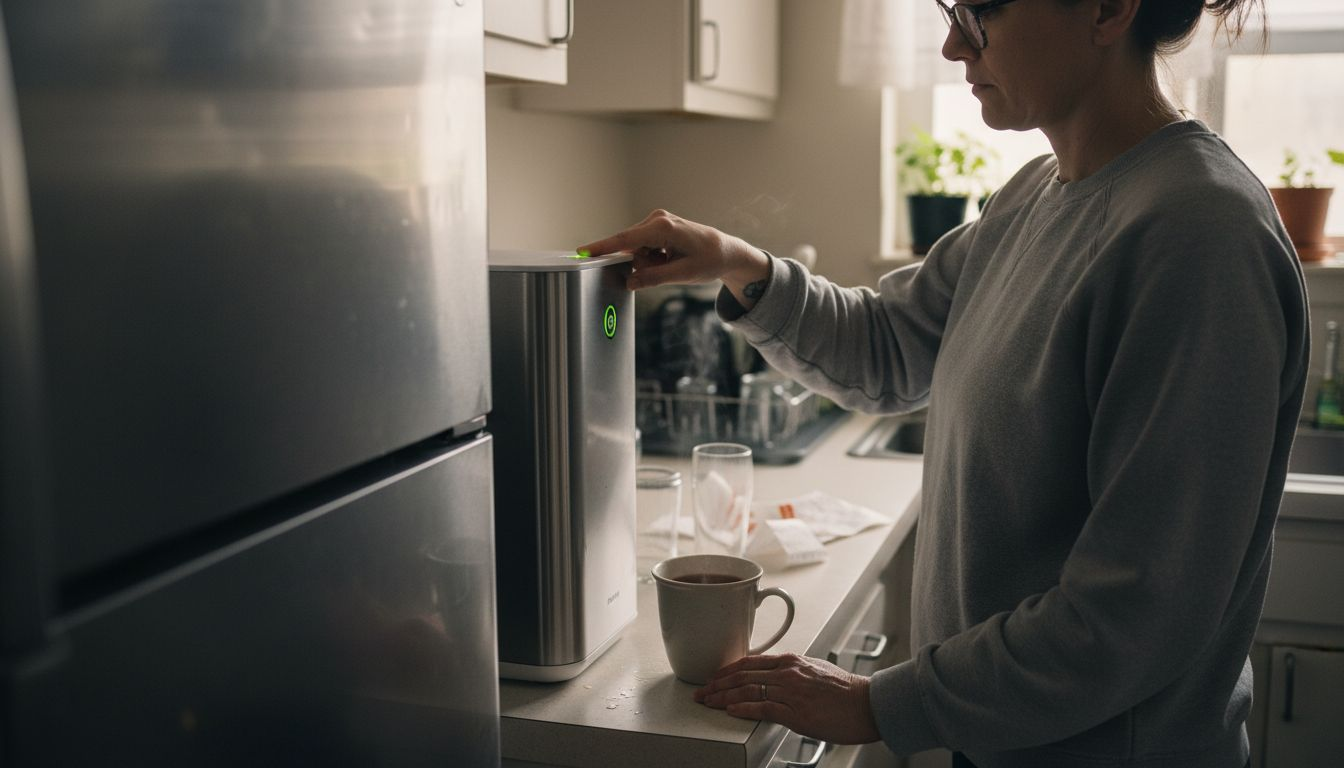
Some advanced purification technologies go beyond traditional filtration methods. Ultraviolet (UV) purification uses intense light to neutralize microorganisms, while bio-sand filters leverage natural biological processes to remove pathogens. Comprehensive water filter technologies demonstrate that modern home water purification is a sophisticated process involving layered approaches to ensure maximum water safety and quality.
Pro Tip – Filter Selection: Conduct a water quality test for your home before selecting a filtration system, as different regions and water sources require specific filtration approaches to address unique contaminant profiles.
Here is a summary of common home water filtration methods and what they target:
| Filtration Method | Main Contaminants Removed | Advantages |
|---|---|---|
| Activated Carbon | Chlorine, organic compounds | Improves taste and odor |
| Ceramic | Bacteria, microorganisms | Long-lasting, no chemicals needed |
| Reverse Osmosis | Dissolved solids, heavy metals | Removes a wide contaminant range |
| Ultraviolet (UV) | Viruses, bacteria | Chemical-free disinfection |
| Bio-sand | Pathogens, particulates | Uses natural filtration processes |
How Multi-Stage Filtration Systems Work
Multi-stage filtration systems represent a sophisticated approach to water purification, systematically removing contaminants through carefully engineered sequential processes. Water filtration techniques demonstrate how complex engineering can transform potentially hazardous water into a safe drinking resource by targeting different types of impurities across multiple treatment stages.
Typical multi-stage filtration systems begin with a mechanical pre-filter designed to capture large particles like sediment, rust, and debris. This initial stage protects subsequent filtration layers by removing larger contaminants that could quickly clog more refined filtering mechanisms. The second stage often involves activated carbon filtration, which effectively reduces chlorine, organic compounds, and chemicals that impact water taste and odor. Advanced systems incorporate additional stages such as reverse osmosis membranes that eliminate dissolved solids, heavy metals, and microscopic contaminants through ultra-fine molecular screening.
Advanced filtration engineering reveals how strategic layering of different filter technologies maximizes contaminant removal efficiency. Some cutting-edge systems integrate specialized techniques like ultraviolet purification or ion exchange to address specific water quality challenges. These multiple filtration stages work synergistically, with each layer complementing the others to progressively improve water purity, ensuring that progressively smaller and more complex contaminants are systematically removed before reaching the final drinking water output.
Pro Tip – Filtration System Maintenance: Replace your multi-stage filter cartridges according to manufacturer recommendations, typically every 6-12 months, to maintain optimal performance and prevent potential contamination from saturated filter media.
Health and Wellness Benefits Explained
Home water filtration systems offer profound health advantages that extend far beyond simple water treatment. By systematically removing harmful contaminants, these advanced purification technologies provide a critical defense mechanism against potential health risks associated with unfiltered drinking water, protecting families from a wide range of environmental and chemical hazards.
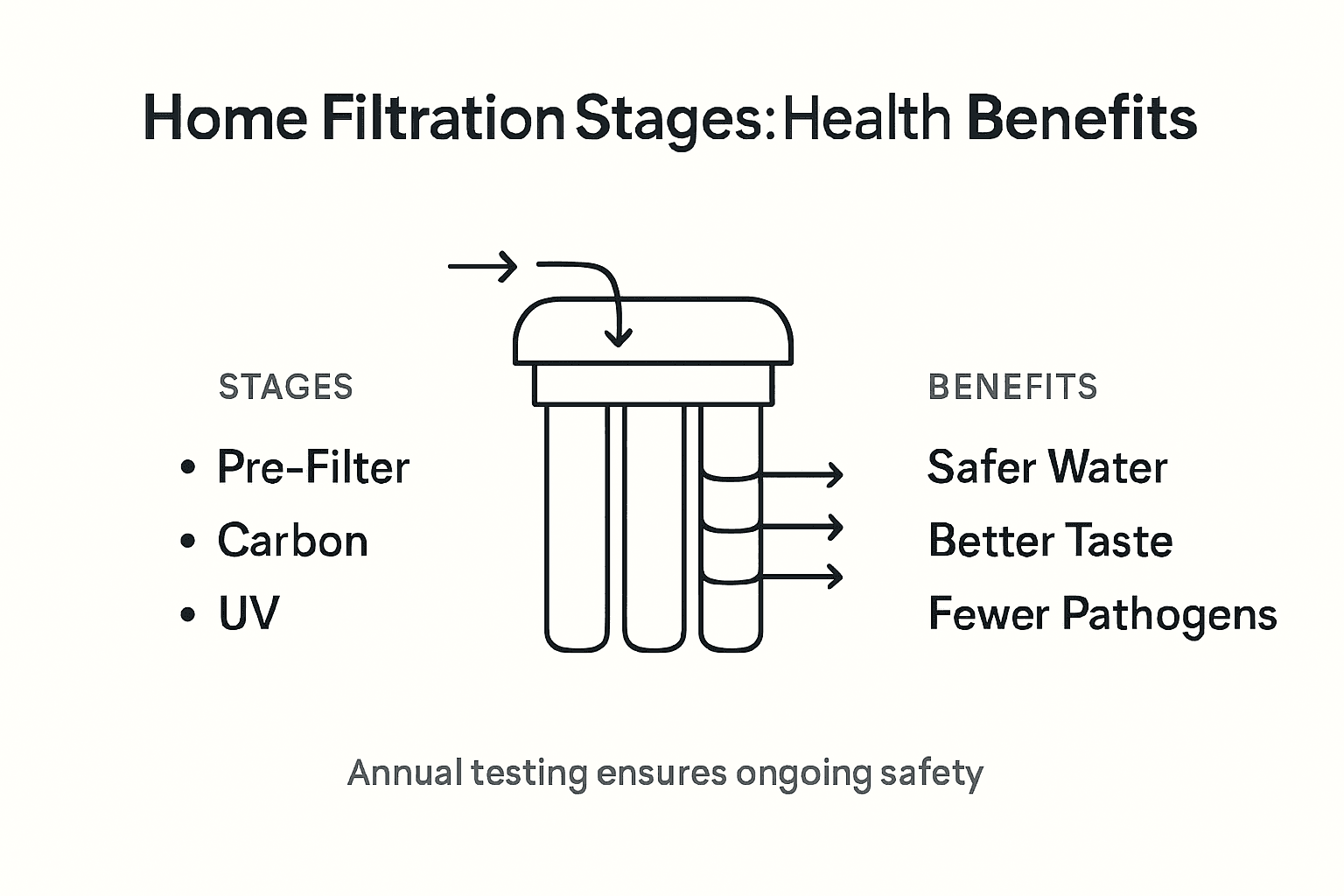
The primary health benefits of comprehensive water filtration include significant reduction of waterborne pathogens, heavy metals, and chemical contaminants that can compromise immune system function. Filtered water eliminates dangerous substances like lead, chlorine, pesticide residues, and microorganisms that may cause serious illnesses. Advanced water quality research demonstrates that consistent use of multi-stage filtration systems can dramatically decrease the risk of gastrointestinal diseases, neurological disorders, and potential long-term health complications associated with prolonged exposure to water-based pollutants.
Beyond physical health protection, water filtration systems contribute to overall wellness by improving hydration quality and enhancing water’s sensory characteristics. Removing unpleasant tastes and odors encourages increased water consumption, supporting metabolic functions, cellular hydration, and potentially contributing to better nutritional absorption. Advanced filtration technologies not only remove harmful substances but also preserve essential mineral content, ensuring that drinking water remains a positive contributor to personal health and well-being.
Pro Tip – Water Quality Assessment: Schedule an annual comprehensive water quality test to understand your specific filtration needs and verify the ongoing effectiveness of your home water purification system.
Comparing Filtration Stages and Alternatives
Advanced water purification research reveals a complex landscape of water treatment technologies, each with unique strengths and limitations in addressing specific contaminant challenges. Multi-stage filtration systems represent a comprehensive approach, offering systematic removal of diverse pollutants through carefully engineered sequential processes that outperform many alternative treatment methods.
Traditional water treatment alternatives include chemical disinfection methods like chlorination, ultraviolet purification, and reverse osmosis. While each technique offers distinct advantages, multi-stage filtration stands out by combining multiple mechanisms. Chemical treatments often rely on single-step processes that may introduce secondary contaminants, whereas comprehensive filtration systems progressively remove particles, microorganisms, chemicals, and dissolved solids through strategically designed layers. Difference between filter technologies demonstrates that integrated approaches provide more thorough and consistent water quality improvements compared to isolated treatment methods.
The key differentiator in multi-stage filtration is its ability to address water quality comprehensively. Alternatives like boiling or single-membrane filters offer limited protection, targeting only specific contaminant types. Advanced filtration systems incorporate mechanical pre-filtering, activated carbon treatment, reverse osmosis, and sometimes ultraviolet sanitization to create a robust, multilayered defense against a broad spectrum of potential water quality threats. This approach ensures more complete removal of sediments, chemicals, heavy metals, microorganisms, and other potentially harmful substances that can compromise drinking water safety.
Pro Tip – Filtration Comparison: Conduct a local water quality test to identify specific contaminants in your water supply, which will help you select the most appropriate filtration technology tailored to your unique environmental and health requirements.
The table below compares multi-stage filtration systems with common water treatment alternatives:
| Method | Scope of Protection | Notable Limitation |
|---|---|---|
| Multi-stage Filtration | Broad spectrum (all types) | Higher upfront cost |
| Chlorination | Bacteria, viruses | Chemical taste, by-products |
| Ultraviolet Purification | Microbes only | Does not remove chemicals |
| Boiling | Microbes only | Does not remove metals or solids |
| Single-stage Filter | Limited specific contaminants | Shorter filter lifespan |
Enhance Your Home Water Safety with Advanced Filtration Solutions
Understanding the role of filtration stages reveals how critical each layer is in removing contaminants and safeguarding your family’s health. If you are looking to address challenges like heavy metals, bacteria, and chemical pollutants, our multi-stage water purifiers at Coway Water Purifier offer tailored solutions designed to meet those needs. Experience superior filtration technologies including activated carbon, reverse osmosis, and UV sanitization all integrated to deliver cleaner, safer water right at your tap.
Explore our range of innovative water filtration systems today at Uncategorized Archives – Coway Water Purifier and discover how expert engineering can transform your drinking water into a source of wellness and peace of mind. Don’t wait to protect your loved ones from unseen water contaminants. Visit Coway Water Purifier now to get yours with free delivery, installation, and maintenance support. Your healthier hydration journey starts here.
Frequently Asked Questions
What are the main filtration stages in a home water purification system?
The main filtration stages typically include mechanical pre-filtration to remove larger particles, activated carbon filtration to eliminate chlorine and organic compounds, and advanced techniques like reverse osmosis and ultraviolet sanitation for removing microscopic contaminants and ensuring high water quality.
How often should I replace the filters in my multi-stage filtration system?
It is recommended to replace filter cartridges according to the manufacturer’s guidelines, which is usually every 6-12 months, to maintain optimal performance and ensure effective contaminant removal.
What contaminants can be removed by multi-stage filtration systems?
Multi-stage filtration systems can effectively remove a wide range of contaminants, including waterborne pathogens, heavy metals, chlorine, dissolved solids, and chemical pollutants, offering a comprehensive solution for safe drinking water.
How do I determine the specific filtration needs for my home?
Conducting an annual water quality test for your home will help you understand the specific contaminants present in your water supply, enabling you to select the most appropriate filtration system tailored to your unique needs.
Recommended
- 7 Benefits of Water Filtration for Your Home and Health – Coway Water Purifier
- Role of Filtration in Health – Why It Matters – Coway Water Purifier
- Improve Drinking Water Safety: Essential Steps for Families – Coway Water Purifier
- How to Ensure Safe Drinking Water for Home and Business – Coway Water Purifier
