
Uncategorized
Difference Between Filter and Purifier: Complete Guide
Nov
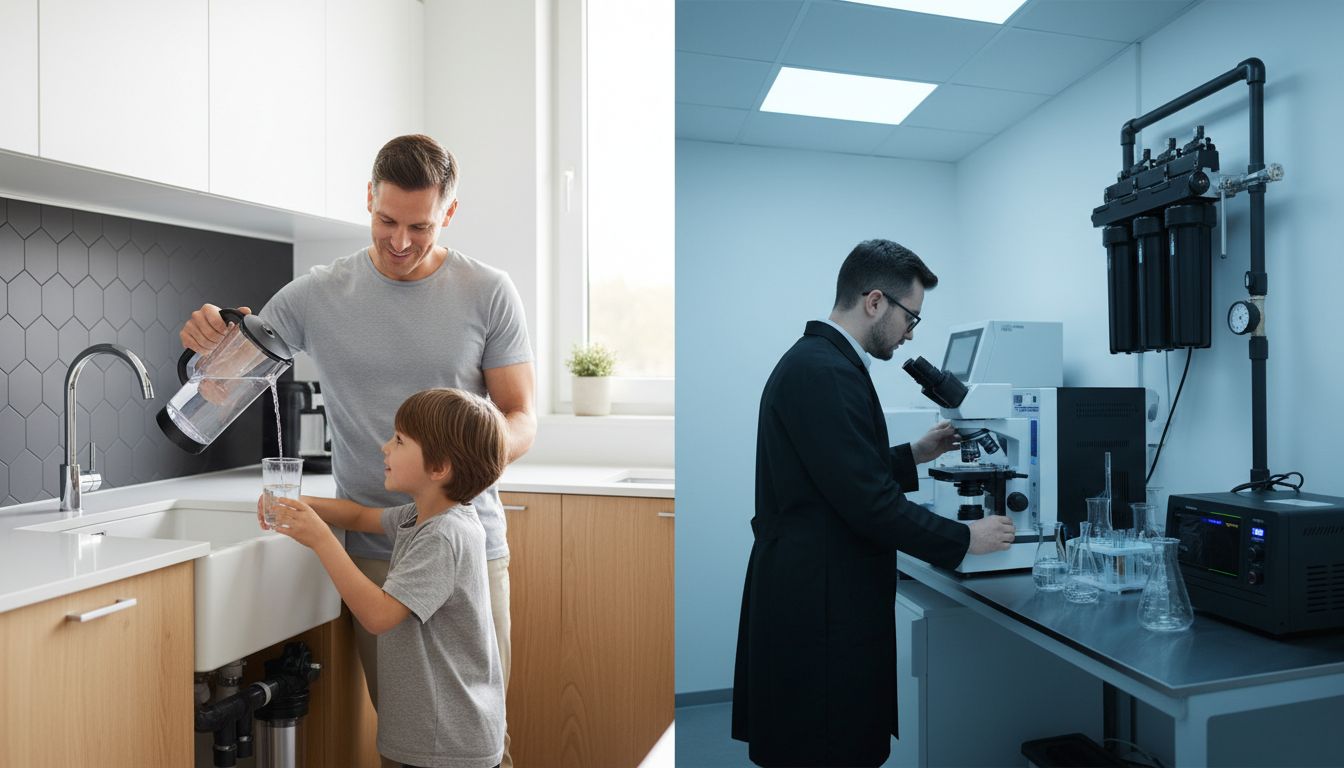
Nearly 90 percent of american households express concerns about water quality at home. Clean, safe water is a top priority, but choosing between filters and purifiers often leads to confusion. These technologies might seem similar, yet they differ dramatically in how they tackle contaminants. Gaining a clear understanding of their core functions and benefits will help you make smarter choices for your family’s health and peace of mind.
Table of Contents
- Defining Filters And Purifiers: Core Concepts
- Types Of Filters And Purifiers Compared
- How Filtration And Purification Work
- Key Features And Use Case Scenarios
- Risks, Benefits, And Common Mistakes
Key Takeaways
| Point | Details |
|---|---|
| Difference between Filters and Purifiers | Filters remove specific impurities while purifiers eliminate a broader range of contaminants, including bacteria and viruses. |
| Types of Filters | Filters can be categorized into mechanical, chemical, and biological types, each tailored to address different contamination challenges. |
| Function Mechanisms | Filtration methods include physical filtration, chemical adsorption, membrane separation, UV neutralization, and ion exchange for effective contaminant removal. |
| Risks and Benefits | While water filters improve quality, improper selection and maintenance can pose risks; awareness of these factors is crucial for safe water use. |
Defining Filters and Purifiers: Core Concepts
When exploring water treatment technologies, understanding the fundamental differences between filters and purifiers is crucial for making informed decisions about your water quality. According to groundwaterworld, these two technologies serve distinct purposes in removing contaminants from water, with each offering unique approaches to improving water safety.
Water filters are primarily designed to target specific types of impurities. They focus on removing physical particles like sediments, certain chemicals, and chlorine from water sources. In contrast, water purifiers employ more advanced technological processes that go beyond basic filtration. As drinking-water.org explains, purifiers utilize sophisticated methods such as reverse osmosis, UV purification, and deionization to eliminate a comprehensive range of contaminants, including microscopic organisms like bacteria and viruses.
The key distinction lies in the depth and breadth of contaminant removal. Filters operate like strategic screening mechanisms, catching larger particles and specific chemical compounds. Purifiers, however, function more like comprehensive defense systems, neutralizing and removing a wider spectrum of potential health risks. This means that while a filter might improve water taste and remove visible sediments, a purifier takes water treatment to a more advanced level by targeting microbiological threats that can pose significant health dangers.
To choose the right water treatment solution, consider your specific water quality concerns. Understanding the Role of Filtration Technology can help you make an informed decision about whether a filter or a purifier best meets your home or business water safety requirements. Whether you need basic particle removal or comprehensive microbial protection, knowing these core differences empowers you to select the most appropriate water treatment technology.

Types of Filters and Purifiers Compared
Navigating the complex world of water treatment technologies requires understanding the diverse types of filters and purifiers available. According to drinking-water.org, water treatment systems encompass several sophisticated methods designed to address varying contamination challenges, each with unique capabilities for improving water quality.
As electronicmanufacturingservice explains, filters can be broadly categorized into three primary types: mechanical, chemical, and biological. Mechanical filters physically strain out sediments and larger particles, chemical filters neutralize harmful substances through absorption or chemical reactions, and biological filters leverage microorganisms to break down contaminants. Common filtration technologies include:
- Activated Carbon Filters: Excellent for removing chlorine, sediment, and organic compounds
- Reverse Osmosis Units: Highly effective at eliminating dissolved solids and microscopic contaminants
- UV Purifiers: Neutralize bacteria and viruses through ultraviolet light exposure
- Ceramic Filters: Provide robust physical filtration for particulate matter
- Ion Exchange Filters: Remove minerals that cause water hardness
7 Essential Types of Water Filters for Every Home can provide deeper insights into selecting the most appropriate filtration method for your specific needs. Understanding these distinctions helps you make informed decisions about water treatment, ensuring you choose a solution that effectively addresses your unique water quality challenges.
How Filtration and Purification Work
Understanding the intricate mechanisms behind water treatment technologies reveals the sophisticated science of contaminant removal. According to drinking-water.org, filtration and purification processes employ distinct strategies to transform water quality, each targeting different types of impurities through specialized techniques.
electronicmanufacturingservice explains that chemical filters operate through an innovative mechanism called adsorption, where contaminants physically adhere to the filter material’s surface. This process is particularly effective in removing microscopic impurities that mechanical methods might miss. The filtration and purification processes can be broken down into several key mechanisms:
- Physical Filtration: Strains out sediments and larger particles
- Chemical Adsorption: Captures dissolved chemical contaminants
- Membrane Separation: Forces water through semi-permeable membranes
- UV Neutralization: Destroys microbiological organisms
- Ion Exchange: Removes mineral compounds that cause water hardness
7 Best Water Filtration Methods for Homes and Businesses can provide deeper insights into the nuanced world of water treatment technologies. By understanding these intricate processes, you can make informed decisions about selecting the most appropriate water treatment solution for your specific needs, ensuring clean, safe water for your home or business.
Key Features and Use Case Scenarios
Selecting the right water treatment technology depends on understanding specific use case scenarios and the unique features of different filtration and purification systems. According to drinking-water.org, activated carbon filters excel in improving water aesthetics by effectively removing chlorine and organic compounds, making them an ideal solution for households prioritizing taste and odor quality.
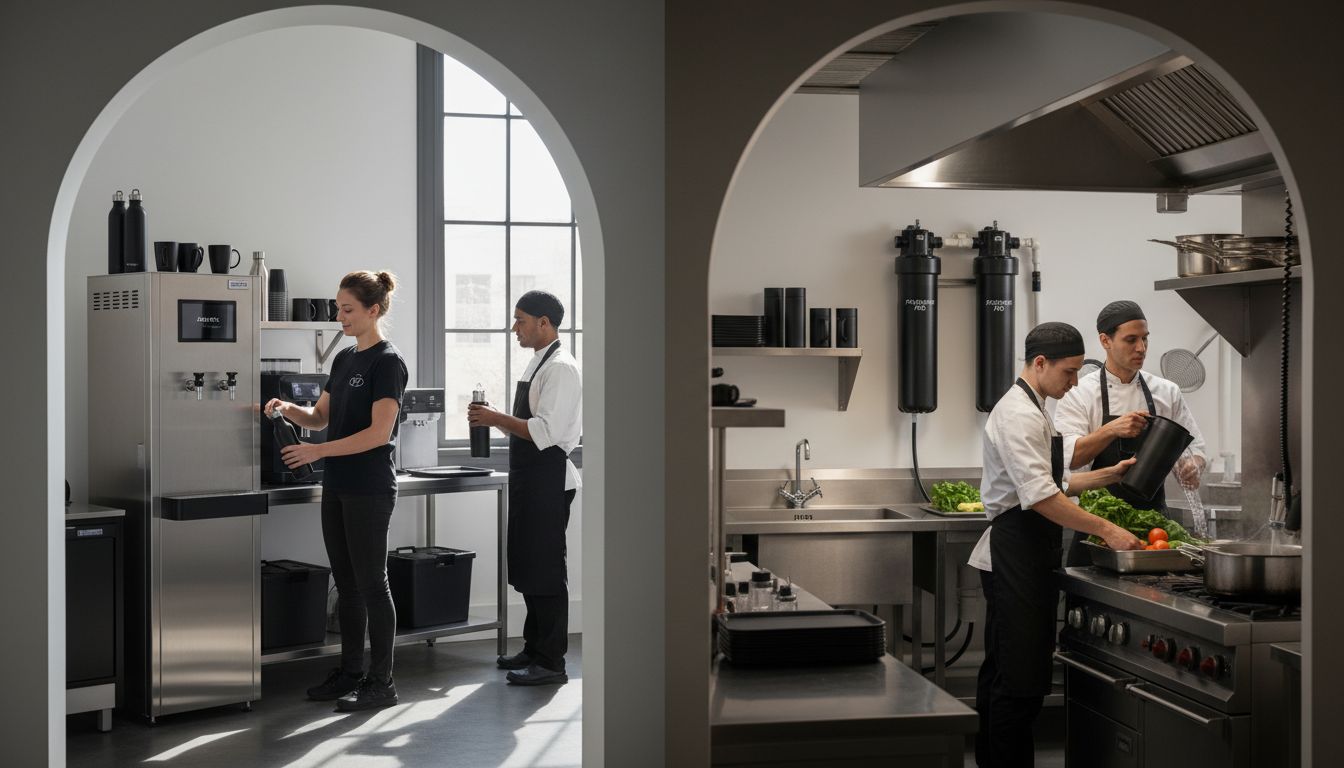
Beyond residential applications, water treatment technologies serve diverse environments with specialized requirements. Different filters and purifiers are strategically designed to address specific contamination challenges:
-
Residential Settings
- Improve drinking water taste
- Remove chlorine and organic compounds
- Protect against sediment buildup
-
Commercial Environments
- Maintain high water quality standards
- Reduce scale and mineral deposits
- Ensure consistent water performance
-
Industrial Applications
- Handle complex chemical contaminants
- Manage high-volume water treatment
- Prevent equipment degradation
Understanding Water Purification Terms Explained Clearly can help you navigate the nuanced world of water treatment technologies. By matching your specific needs with the right filtration or purification system, you can ensure optimal water quality across various contexts, from home kitchens to large-scale industrial operations.
Risks, Benefits, and Common Mistakes
Navigating water treatment technologies requires a nuanced understanding of potential risks and substantial benefits. According to drinking-water.org, water filters can create a false sense of security if not carefully selected and maintained, potentially leaving some harmful substances unaddressed.
electronicmanufacturingservice highlights that improper filter selection and maintenance can lead to significant operational challenges. Here are the critical risks and benefits to consider:
Benefits:
- Improved water quality and taste
- Reduction of harmful contaminants
- Protection against waterborne diseases
- Enhanced overall health and wellness
Potential Risks:
- Incomplete contaminant removal
- Increased operational costs
- Potential bacterial growth if filters are not replaced
- Reduced filtration efficiency over time
Common Mistakes to Avoid:
- Neglecting regular filter maintenance
- Using incorrect filter type for specific water challenges
- Ignoring manufacturer’s replacement recommendations
- Failing to test water quality periodically
What is Water Filtration? Understanding Its Importance provides additional insights into making informed water treatment decisions. By understanding these nuanced considerations, you can develop a proactive approach to water filtration that maximizes protection while minimizing potential risks.
Choose the Perfect Water Solution for Your Health and Home
Understanding the difference between water filters and purifiers is essential for protecting your family from unseen contaminants and improving your water quality. If you are concerned about removing sediments, chemicals, or even harmful microorganisms from your water supply, it is important to select a system that matches your unique water needs. The right solution can ensure safe drinking water that supports your health and peace of mind.
Explore a range of advanced water purification technologies that combine features like UV sanitization and multi-stage filtration. Whether you want a countertop unit for easy installation or a large-capacity purifier for comprehensive protection, Uncategorized Archives – Coway Water Purifier offers detailed insights and product options to guide your choice.
Don’t settle for less when it comes to water safety. Visit Coway Water Purifier today to discover state-of-the-art water purifiers and filters designed with your health in mind. Take action now to get yours with free delivery, installation, and expert maintenance support and enjoy cleaner, safer water at home.
Frequently Asked Questions
What is the main difference between a water filter and a water purifier?
The main difference lies in their functions: water filters primarily remove physical particles and specific chemicals, while water purifiers use advanced technologies to eliminate a broader range of contaminants, including bacteria and viruses.
What types of contaminants can filters and purifiers remove?
Filters can remove sediment, chlorine, and some chemicals, while purifiers can tackle a wider spectrum including dissolved solids and microbiological organisms through methods like reverse osmosis and UV purification.
When should I use a water filter instead of a water purifier?
You should use a water filter if your primary concern is sediment and taste, and your water source is generally safe. A purifier is recommended if you need to eliminate harmful microorganisms and more complex contaminants.
How can I determine which water treatment solution is right for me?
Consider your specific water quality concerns and potential contaminants in your water supply. Assess whether you need basic filtration for taste or comprehensive purification for health protection.
Recommended
- Complete Guide to Air Purifier Technologies – Coway Water Purifier
- Role of Air Purifiers: Everything You Need to Know – Coway Water Purifier
- Understanding Why Change Purifier Filters Matters for Health – Coway Water Purifier
- Complete Guide to Under Sink vs Countertop Purifiers – Coway Water Purifier
- Why Use Filters in Photography: Complete Guide – Amateur Photographer Guide
