
Uncategorized
How sensors enhance air purifiers for healthier home air
Mar
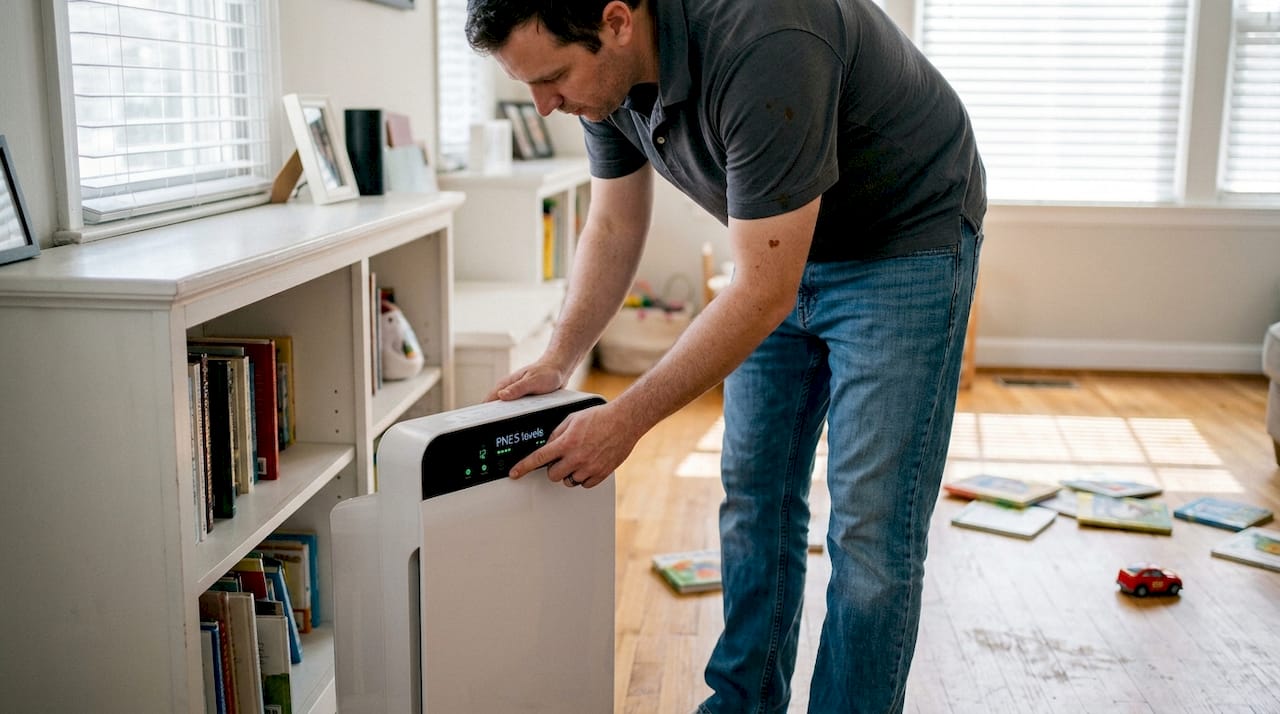
Most homeowners assume their air purifier simply runs at a constant speed, filtering whatever passes through. The reality is far more sophisticated. Modern air purifiers use sensors to detect specific pollutants in real time, automatically adjusting performance to match your home’s air quality needs. These sensors monitor everything from microscopic particles to volatile organic compounds, enabling your device to respond intelligently rather than blindly. Understanding how these sensors work, their capabilities, and their limitations helps you make smarter choices for your family’s health and indoor environment.
Table of Contents
- Key takeaways
- How air purifier sensors detect indoor pollutants
- Accuracy, limitations, and challenges of air purifier sensors
- The practical benefits of sensors for families and homeowners
- Expert insights and choosing the right sensor-equipped air purifier
- Explore sensor-equipped air purifiers for your home
- Frequently asked questions about air purifier sensors
Key Takeaways
| Point | Details |
|---|---|
| Sensor types | Modern air purifiers rely on multiple sensors such as particle, VOC, CO2, humidity, and temperature to assess indoor air quality and guide performance. |
| Real time adjustment | Real time data from sensors lets the purifier automatically adjust fan speed to respond to changing pollution levels. |
| Accuracy limitations | Low cost PM2.5 sensors can underestimate wildfire smoke by 30 to 65 percent, high humidity above 60 percent causes false positives, and VOC sensors can have high false positives under humidity changes. |
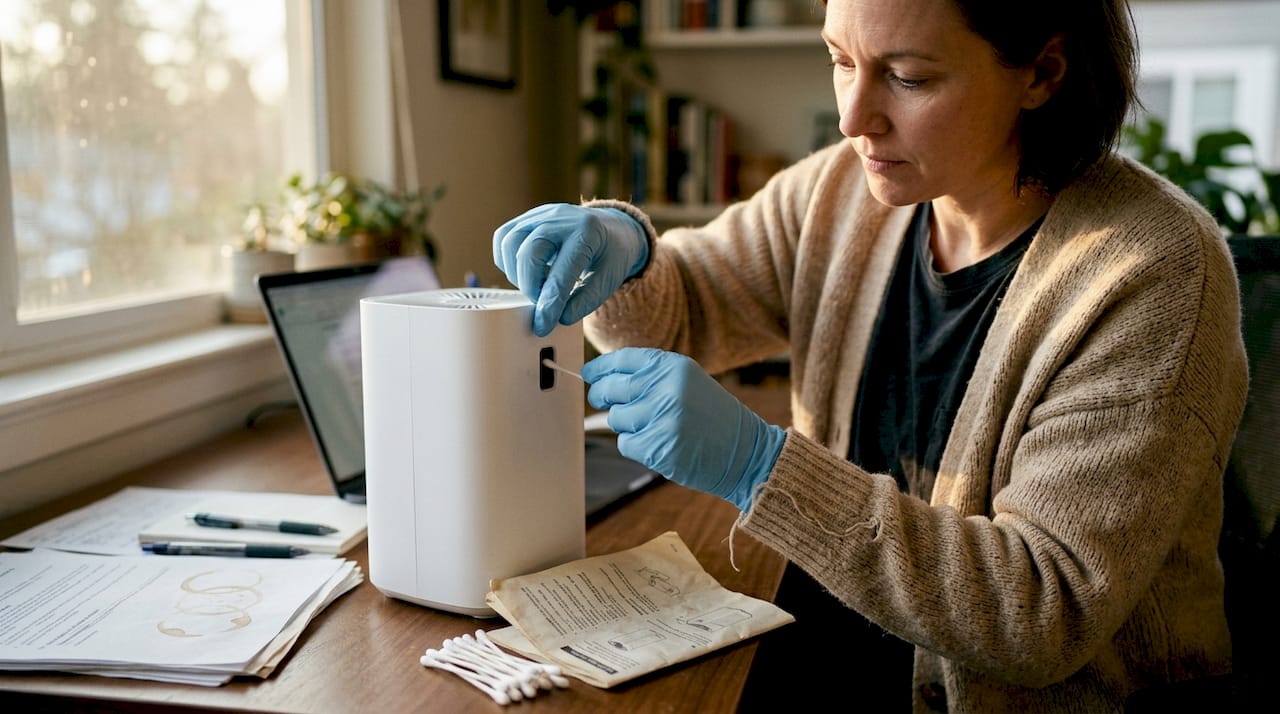
| Pro tip cleaning | A pro tip is to clean your particle sensor every two to three months by gently wiping the optical chamber with a dry cotton swab to prevent dust buildup that causes false high readings and unnecessary fan cycling. |
How air purifier sensors detect indoor pollutants
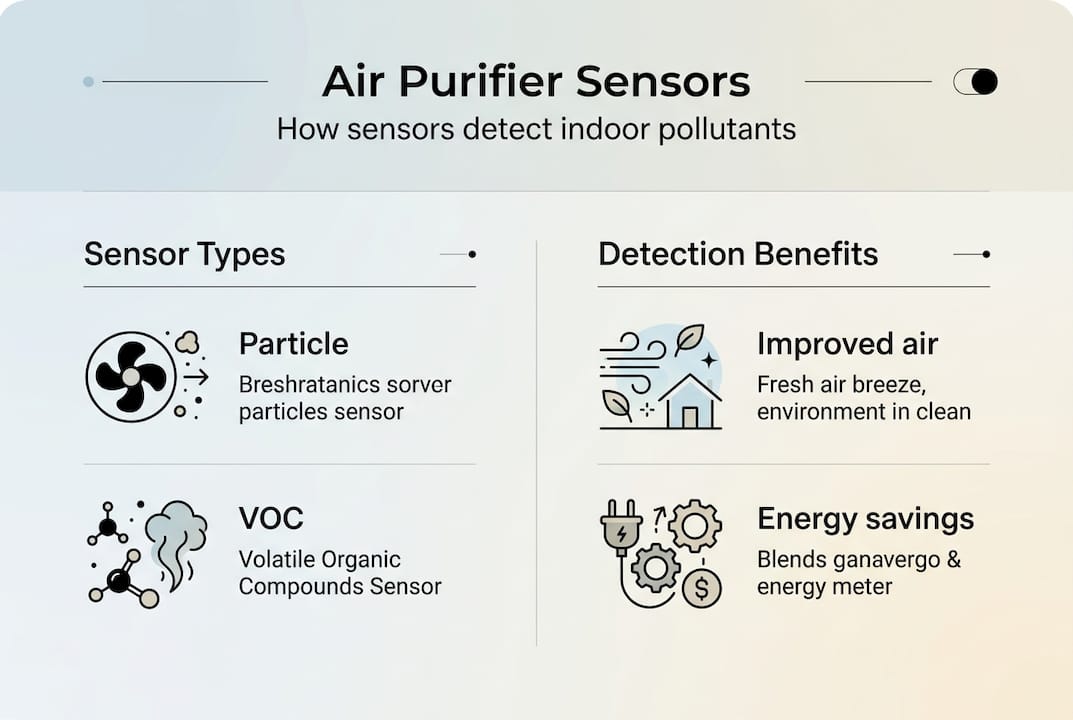
Air purifiers rely on multiple sensor types to build a complete picture of your indoor air quality. The most common sensors include particle sensors for PM2.5 and PM10, volatile organic compound sensors, carbon dioxide sensors, humidity sensors, and temperature sensors. Each sensor targets specific pollutants using distinct detection methods. Particle sensors typically use laser scattering technology, where a laser beam illuminates airborne particles and a photodetector measures the scattered light to estimate particle concentration and size. VOC sensors use metal-oxide semiconductor technology, which changes electrical resistance when exposed to organic gases, though this method shows cross-sensitivity and struggles with accuracy for specific compounds like formaldehyde. CO2 sensors employ non-dispersive infrared technology, measuring how much infrared light gas molecules absorb at specific wavelengths.
These sensors enable your air purifier to move beyond simple on/off operation. Real-time data feeds into the device’s control system, which automatically adjusts fan speed based on detected pollution levels. When particle counts spike from cooking or someone enters with outdoor allergens on their clothing, the purifier ramps up immediately. During clean periods, it throttles back to conserve energy and reduce noise. This dynamic response maintains consistently clean air without wasting electricity or creating unnecessary sound disruption.
The pollutants these sensors monitor directly impact your family’s health:
- PM2.5 and PM10 particles from dust, pollen, pet dander, and combustion that penetrate deep into lungs
- Volatile organic compounds from cleaning products, furniture, paints, and personal care items that cause headaches and respiratory irritation
- Carbon dioxide buildup indicating poor ventilation and potential cognitive impairment
- Excess humidity creating conditions for mold growth and dust mite proliferation
- Temperature fluctuations affecting comfort and air quality perception
Pro Tip: Clean your particle sensor every 2-3 months by gently wiping the optical chamber with a dry cotton swab to prevent dust buildup that causes false high readings and unnecessary fan cycling.
The table below compares sensor types, their target pollutants, and typical detection methods:
| Sensor Type | Pollutants Detected | Detection Method | Typical Range |
|---|---|---|---|
| Particle (PM) | PM2.5, PM10, dust, pollen | Laser scattering | 0-500 μg/m³ |
| VOC | Formaldehyde, benzene, cleaning fumes | Metal-oxide semiconductor | 0-5000 ppb |
| CO2 | Carbon dioxide | Non-dispersive infrared | 400-5000 ppm |
| Humidity | Moisture content | Capacitive/resistive | 0-100% RH |
| Temperature | Air temperature | Thermistor | 0-50°C |
Understanding these detection mechanisms helps you recognize why your air purifier behaves differently in various situations. When you cook, VOC and particle sensors both trigger, creating a stronger response than either pollutant alone would generate. This multi-sensor approach provides more comprehensive indoor pollutant monitoring than single-sensor systems.
Accuracy, limitations, and challenges of air purifier sensors
While sensors enable smart air purification, they face significant accuracy challenges that homeowners should understand. Low-cost PM2.5 sensors underestimate wildfire smoke by 30-65% because smoke particles have different optical properties than the calibration particles manufacturers use. High humidity above 60% causes similar problems, as water droplets scatter light similarly to particles, generating false positive readings. VOC sensors show even more dramatic limitations, with high false positive rates when humidity changes rapidly or when exposed to alcohol-based cleaners that aren’t actually harmful at detected concentrations.
Several environmental factors complicate accurate sensor readings:
- Wildfire smoke with irregular particle shapes confuses optical sensors calibrated for spherical particles
- Sudden humidity spikes from showers or cooking create temporary false particle readings
- Open windows introducing variable outdoor air faster than sensors can recalibrate
- Strong air currents from HVAC systems creating localized concentration differences
- Temperature gradients causing air stratification that sensors in fixed positions miss
Sensor drift represents another critical challenge. Sensors degrade over time causing 15% or greater bias in readings as dust accumulates on optical surfaces, chemical sensing elements lose sensitivity, and electronic components age. Manufacturers often apply smoothing algorithms to reduce noise in sensor data, but this processing can mask sudden pollution spikes that require immediate response. The placement of your air purifier also matters tremendously. A sensor near a window reads very differently than one in a central hallway, yet most purifiers have fixed sensor locations that may not represent your whole-home air quality.
“Low-cost sensors should not be solely relied upon to protect public health, but they can provide useful information when used appropriately and with an understanding of their limitations. Combining sensor data with proper ventilation and reference-grade monitoring provides the most reliable indoor air quality assessment.” – EPA Indoor Air Quality Division
Pro Tip: Place a separate, calibrated air quality monitor in a different room from your purifier to cross-check sensor accuracy and identify whole-home air quality patterns the purifier’s built-in sensors might miss.
These limitations don’t make sensors useless, but they do require realistic expectations. Your air purifier’s sensor readings should inform decisions rather than serve as absolute truth. When sensors show elevated readings, investigate the source rather than assuming the reading perfectly represents actual pollution levels. Similarly, when sensors show clean air but you notice odors or irritation, trust your observations and consider assessing indoor air quality through additional methods. Combining automated sensor data with manual observation and periodic professional testing creates the most reliable approach to maintaining healthy indoor air.
The practical benefits of sensors for families and homeowners
Despite their limitations, sensors deliver substantial practical benefits that improve daily life for families concerned about indoor air quality. The convenience and health protection they enable often outweigh their accuracy constraints when used appropriately.
Key benefits of sensor-equipped air purifiers include:
- Automatic fan speed adjustment eliminates manual monitoring, ensuring protection during sleep or when away from home
- Energy savings of 25-45% compared to constant high-speed operation reduce electricity costs while maintaining air quality
- Real-time feedback through display lights or app notifications helps you identify pollution sources and adjust activities
- Predictive maintenance alerts warn when filters need replacement based on actual usage rather than arbitrary timelines
- Historical data tracking reveals patterns in your home’s air quality, enabling targeted improvements
For families with children, elderly members, or individuals with asthma or allergies, sensors provide critical early warnings. When pollen counts spike or someone brings in outdoor pollutants, the purifier responds immediately rather than waiting for symptoms to appear. Parents can check air quality remotely through smartphone apps, ensuring their children’s rooms maintain healthy conditions even when they’re not home. This automated vigilance reduces the mental burden of constantly monitoring air quality manually.
Sensor-driven features particularly valuable for families include:
- Nighttime auto-dimming that reduces fan speed and display brightness while maintaining protection during sleep
- Cooking mode detection that automatically boosts performance when VOC and particle levels rise together
- Filter life indicators preventing the health risks of running purifiers with exhausted filters
- Mold risk alerts when humidity and temperature combinations favor fungal growth
- Allergen season notifications increasing filtration during high pollen periods
“Real-time sensor monitoring reduces pollutant exposure for vulnerable populations by enabling immediate responses to air quality changes. For families with asthmatic children, this automated protection can prevent attacks triggered by sudden allergen or irritant spikes that manual operation would miss.”
The lifestyle convenience factor shouldn’t be underestimated. Sensor automation means you don’t need to remember to turn the purifier up when cooking, adjust it for seasonal changes, or monitor filter status. The device handles these tasks automatically, making healthy air as effortless as setting your thermostat. This “set and forget” capability increases the likelihood that families actually use their air purifiers consistently rather than letting them sit idle because manual operation feels burdensome. Consistent use, even with imperfect sensors, delivers better health outcomes than perfectly accurate devices that remain off due to inconvenience.
For homeowners interested in monitoring indoor pollution trends, sensor data creates valuable long-term records. You might discover that your air quality consistently degrades on weekends when you’re home cooking and cleaning more, or that certain rooms always show higher particle counts. These insights enable targeted interventions like improved kitchen ventilation or addressing dust sources in specific areas.
Expert insights and choosing the right sensor-equipped air purifier
Experts emphasize that sensor quality varies dramatically between air purifier models, making informed selection critical. Validated sensors like the Sensirion SPS30 provide reliable readings, while generic low-cost sensors often generate misleading data. The EPA specifically warns against relying on unvalidated sensors as standalone air quality monitors, though they acknowledge these sensors can effectively trigger purifier responses when calibrated properly within the device ecosystem.
The debate between auto and manual modes depends heavily on your specific situation. Auto modes generally outperform manual operation for maintaining indoor air quality in closed environments where pollutant levels fluctuate throughout the day. However, manual high-speed operation proves more effective during extreme pollution events like nearby wildfires or when windows remain open, as sensors struggle to keep pace with rapidly changing conditions. Some experts recommend using auto mode as your default but switching to manual high during known high-pollution periods.
| Sensor Feature | Budget Models | Mid-Range Models | Premium Models |
|---|---|---|---|
| PM2.5 accuracy | ±50% typical | ±25% typical | ±15% with validation |
| VOC specificity | Generic detection only | Multiple gas detection | Compound-specific analysis |
| Calibration | Factory only | Periodic auto-calibration | Machine learning adjustment |
| Sensor lifespan | 2-3 years | 3-5 years | 5-7 years with maintenance |
| Data logging | None | Basic app tracking | Comprehensive analytics |
When selecting a sensor-equipped air purifier, consider these factors:
- Sensor validation and third-party testing results rather than marketing claims
- Your home’s specific challenges like high humidity, frequent cooking, or pet ownership
- Maintenance requirements including sensor cleaning accessibility and replacement costs
- Integration capabilities with other smart home systems for comprehensive environmental control
- Manual override options allowing you to take control when sensor readings seem questionable
Pro Tip: Choose air purifiers with machine learning calibration that improves accuracy over time by learning your home’s specific air quality patterns and adjusting sensor interpretation accordingly.
The most effective approach combines sensor automation with informed human oversight. Use sensors to handle routine air quality management, but don’t blindly trust their readings. When you smell something off or experience symptoms despite good sensor readings, investigate further. Conversely, when sensors show poor air quality but you can’t identify a source, consider whether humidity, temperature, or other factors might be creating false readings. This balanced approach leverages sensor benefits while compensating for their limitations.
Ventilation remains essential regardless of sensor sophistication. Even the best sensor-equipped purifier cannot replace fresh air exchange. Open windows periodically when outdoor air quality permits, use exhaust fans when cooking or showering, and ensure your HVAC system provides adequate outdoor air intake. Sensors work best as part of a comprehensive indoor air quality strategy rather than as a standalone solution.
Explore sensor-equipped air purifiers for your home
Understanding how sensors enhance air purifier performance helps you make informed decisions about protecting your family’s health. The technology enables automatic, energy-efficient air quality management that adapts to your home’s changing conditions throughout the day and across seasons. While sensors have limitations, their benefits for convenience, energy savings, and responsive protection make them valuable tools in maintaining healthier indoor environments.
Coway specializes in air purification solutions that combine validated sensor technology with advanced filtration systems. Our product line includes models with sophisticated multi-sensor arrays that monitor particles, gases, and environmental conditions simultaneously. Each unit balances automated intelligence with user control, allowing you to leverage sensor benefits while maintaining oversight of your home’s air quality.
Explore our comprehensive air purifier selection guide to find the sensor-equipped model that matches your family’s specific needs, room sizes, and air quality concerns. Browse our full range of Coway air care products to discover how advanced sensor technology combined with proven filtration delivers cleaner, healthier air for every room in your home.
Frequently asked questions about air purifier sensors
What pollutants do air purifier sensors detect?
Most air purifier sensors detect PM2.5 and PM10 particles, volatile organic compounds, carbon dioxide, humidity, and temperature. Particle sensors identify dust, pollen, pet dander, and smoke, while VOC sensors respond to gases from cleaning products, furniture, and cooking. Some advanced models include formaldehyde-specific sensors or additional gas detection capabilities for comprehensive monitoring.
How often should I clean or maintain sensors?
Clean particle sensors every 2-3 months by gently wiping the optical chamber with a dry cotton swab or following your manufacturer’s specific instructions. VOC and gas sensors typically don’t require cleaning but may need replacement every 3-5 years as their sensitivity degrades. Regular filter changes also protect sensors from excessive dust accumulation that accelerates drift and reduces accuracy.
Can sensors detect wildfire smoke accurately?
Sensors significantly underestimate wildfire smoke, typically reading 30-65% lower than actual concentrations because smoke particles have irregular shapes that scatter light differently than calibration particles. During wildfire events, rely on official air quality index reports rather than your purifier’s sensor readings, and run your device on high manual mode regardless of what sensors indicate for maximum protection.
Do sensor-based purifiers save energy?
Yes, sensor-based auto modes reduce energy consumption by 25-45% compared to running constantly at high speed. Sensors enable the purifier to throttle back during clean air periods while ramping up only when needed, balancing air quality maintenance with power efficiency. This automated adjustment delivers both cost savings and environmental benefits without compromising protection.
Should I use manual mode over auto in some situations?
Switch to manual high-speed mode during extreme pollution events like nearby wildfires, when windows are open, or when you notice odors despite good sensor readings. Auto mode works best in closed environments with typical daily pollution fluctuations. Manual operation gives you direct control when sensor limitations or rapidly changing conditions make automated responses inadequate for your health protection needs.
Recommended
- 7 Must-Have Air Purifier Features for Healthier Homes – Coway Water Purifier
- How to Select Air Purifier for Healthy Home Air Quality – Coway Water Purifier
- Air purification checklist: 6 steps for healthier home air – Coway Water Purifier
- Best air purifier 2026: health-focused selection guide – Coway Water Purifier
- 7 Best Indoor Air Purifiers for Cleaner Air – HVAC Service and Repair | Louisville, KY | Project Heating & Cooling
