
Uncategorized
Warranties in Purifier Selection: What Buyers Must Know

Jun
TL;DR:
- Warranties protect consumers by legally ensuring purifiers are defect-free for a specified period, influencing repair costs and satisfaction. Understanding the difference between manufacturer and extended warranties, along with coverage details and support infrastructure, is essential for analyzing true ownership costs. Careful review of warranty exclusions and support timelines, especially for smart purifiers, helps prevent costly claim denials and device obsolescence.
A warranty is a legally enforceable promise that a purifier will be free from defects for a defined period, giving you real legal recourse if the product fails. The role of warranties in purifier selection goes well beyond paperwork. Brands like Coway, Blueair, and Livpure use warranty terms to signal product confidence, and those terms directly affect your repair costs, filter replacement obligations, and long-term satisfaction. Understanding what a warranty actually covers before you buy is the single most effective way to protect a purchase that often costs several hundred dollars.
What types of warranties cover water and air purifiers?
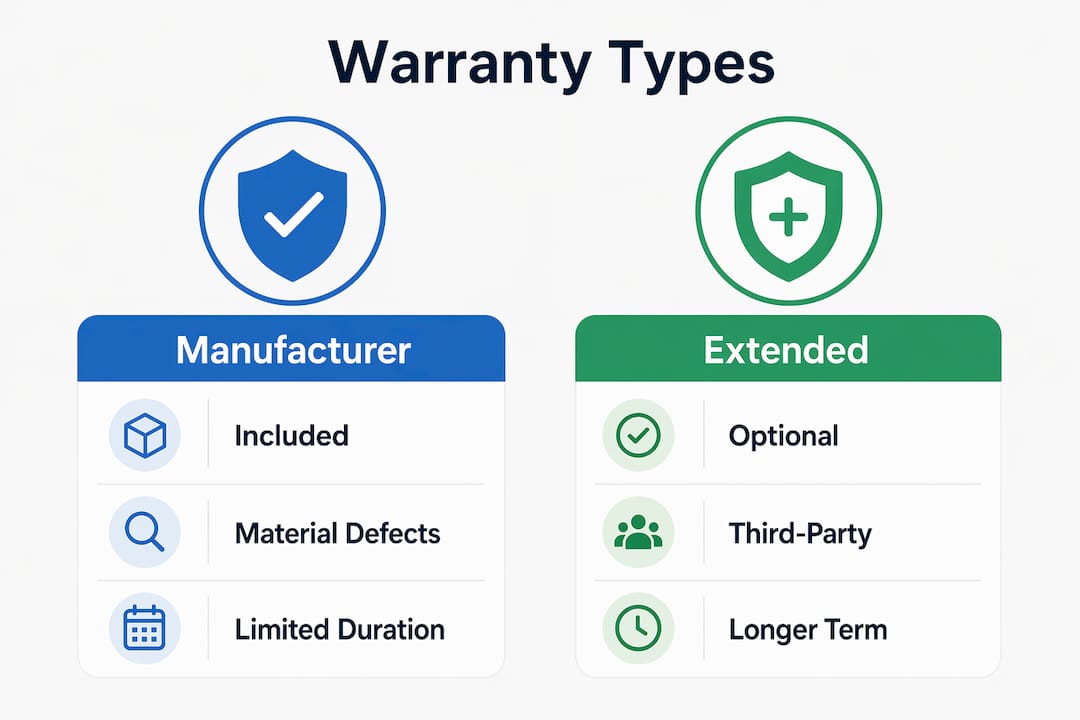
Two distinct warranty categories apply to purifiers: manufacturer warranties and extended warranties. Knowing the difference determines how protected you actually are.
Manufacturer warranties are included in the purchase price. They cover defects in materials or workmanship, typically for one year, though premium brands sometimes extend this to two or three years. These carry direct legal weight because the manufacturer stands behind them.
Extended warranties, also called service contracts, are sold separately and administered by third parties. They may overlap with existing manufacturer coverage, making them less cost-effective than they appear. More critically, coverage can vanish if the service provider goes bankrupt. That risk is real and often ignored at the point of sale.
Coverage scope varies significantly across brands. Here is what to look for when comparing warranty terms:
- Core hardware: Motors, compressors, UV lamps, and electronic control boards are usually covered under standard manufacturer warranties.
- Consumables: Filters are frequently excluded. Coway and similar brands often treat filter replacements as a maintenance obligation, not a warranty claim.
- IoT and firmware: Smart purifiers from brands like Coway may include limited software support promises, though the duration varies by model.
- Labor and service visits: Some warranties cover parts only. Others include technician visits. Confirm which applies before signing.
Common exclusions include physical damage, unauthorized repairs, and use of non-OEM components. Unclear or overly broad exclusions can legally invalidate protections, so consumers benefit when coverage for filters, sensors, and consumables is spelled out clearly.
Pro Tip: Before purchasing, ask the retailer to show you the full warranty document, not just the summary card. The fine print on exclusions is where most claims get denied.
How do warranty terms affect total cost of ownership?
Warranty terms shape the true price of owning a purifier over three to five years. A unit priced $50 lower than a competitor may cost significantly more once you factor in uncovered repairs and mandatory service fees.
Here is how to think through total cost of ownership when evaluating warranty terms:
- Identify mandatory maintenance clauses. Some brands require scheduled service visits to keep warranties valid. Missing a single visit can void coverage entirely, even on units marketed as having unconditional warranties.
- Calculate filter replacement costs separately. Filters are consumables and rarely covered. A purifier with a $30 annual filter cost and a two-year warranty is cheaper to own than one with a $90 annual filter cost and a three-year warranty.
- Check authorized repair networks. A warranty’s value depends on the manufacturer’s support infrastructure and how easily you can access repairs. A brand with one service center in your region offers weaker real-world protection than one with a national network.
- Compare labor coverage. Parts-only warranties leave you paying technician fees. Full coverage warranties that include labor protect you from the costs that often exceed the part itself.
- Factor in voiding risks. Using a third-party filter to save $15 can void a warranty worth hundreds of dollars in potential coverage. The math rarely favors the shortcut.
Pro Tip: Create a simple spreadsheet with purchase price, annual filter cost, estimated service fees, and warranty duration. The unit with the best warranty coverage on paper often wins on total cost when you run the numbers.
Brands with accessible repair channels and transparent service networks protect your investment better than those with long warranty periods but limited support. The warranty administration system behind the promise matters as much as the promise itself. Proper purifier maintenance also plays a direct role in keeping warranty terms intact throughout the coverage period.

What are the common pitfalls with purifier warranties?
Most warranty claims that get denied share a common cause: the buyer never read the terms carefully. Warranty disclaimers and limitations commonly shift risk back to the consumer through “AS IS” clauses, limited remedies, and exclusions that most buyers discover only after a problem occurs.
The most frequent pitfalls fall into three categories:
- Using non-OEM filters or parts. Manufacturers explicitly exclude non-branded components and unauthorized servicing from warranty coverage. A third-party filter that fits your Coway unit may still void the warranty if the brand’s terms prohibit it.
- Skipping scheduled maintenance. Even warranties labeled “unconditional” often contain clauses requiring periodic service. Missing one scheduled visit gives the manufacturer grounds to deny a claim.
- Failing to document issues properly. Verbal complaints to a retailer rarely count. Submit issues in writing, keep records of all service calls, and photograph any visible defects immediately.
“Warranties act as the key mechanism converting uncertainty about purifier reliability into predictable consumer claims, as long as terms are followed precisely.” — Shutts & Bowen LLP
Brand reputation matters as much as warranty length. A two-year warranty from a brand with a responsive support team is more valuable than a five-year warranty from one that makes claims difficult. Research the air purifier selection guide for your specific use case before committing to a model, and verify that the brand has a documented claims process you can follow.
How do software warranties differ in smart purifiers?
IoT-enabled purifiers add a layer of warranty complexity that hardware-only units do not have. Software warranties in these devices promise firmware support, compliance updates, and functional reliability over time. The distinction matters because limited software updates effectively shorten device lifespan even when the physical hardware remains fully operational.
The table below compares hardware and software warranty characteristics in modern purifiers:
| Warranty Type | What It Covers | Typical Duration | Key Risk |
|---|---|---|---|
| Hardware warranty | Motors, sensors, UV lamps, build defects | 1–3 years | Physical damage exclusions |
| Software warranty | Firmware updates, app connectivity, compliance | 1–2 years | Manufacturer discontinues support |
| Extended service contract | Parts and labor beyond manufacturer period | 1–3 additional years | Provider insolvency risk |
| Consumables coverage | Filters, membranes (rare) | Usually excluded | Ongoing out-of-pocket cost |
Smart purifiers from brands like Coway that include app-based monitoring or smart filtration systems carry software warranty terms worth scrutinizing. A device that loses firmware support after 18 months may become unreliable or non-compliant with updated safety standards, even if the motor runs fine.
Multi-year software support promises are a meaningful differentiator in 2026. When evaluating smart purifiers, ask specifically how long the manufacturer commits to firmware updates and whether the app will remain functional after the hardware warranty expires. Consumer privacy protections tied to data collected by IoT purifiers also fall under software warranty obligations, making this a health and security issue, not just a convenience one.
Key takeaways
Warranties are the most underused factor in purifier selection, yet they directly determine your repair costs, device lifespan, and total ownership value.
| Point | Details |
|---|---|
| Manufacturer vs. extended warranty | Manufacturer warranties carry stronger legal protection; extended service contracts carry insolvency risk. |
| Total cost of ownership | Factor in mandatory service visits, filter costs, and labor coverage before comparing prices. |
| Voiding risks | Using non-OEM filters or skipping scheduled maintenance are the top causes of denied warranty claims. |
| Software warranty scrutiny | Smart purifiers need multi-year firmware support commitments to remain functional and secure. |
| Brand support infrastructure | A warranty is only as strong as the manufacturer’s claims process and repair network accessibility. |
Why i think most buyers get warranties completely wrong
I have reviewed hundreds of purifier purchases, and the pattern is consistent. Buyers spend 45 minutes comparing filter ratings and zero minutes reading warranty terms. Then, 14 months in, a sensor fails and they discover the warranty expired at 12 months, or that the third-party filter they installed six months ago voided coverage entirely.
The conventional wisdom says to buy the longest warranty available. That advice is incomplete. A five-year warranty with a mandatory annual service fee and a single authorized repair center in your state is functionally weaker than a two-year warranty from a brand like Coway that operates a national service network with documented claim procedures.
What I have found actually works is treating the warranty document as a product specification, not an afterthought. Read the exclusions first. Then check whether the brand has a physical service presence in your area. Then look at the coverage duration. That order matters because a warranty you cannot actually use is worth nothing.
The software warranty issue is where I expect the biggest consumer problems in the next three years. Buyers purchasing IoT purifiers today are not asking how long firmware support lasts. Most brands do not volunteer that information. By 2028, a significant number of smart purifiers sold in 2025 and 2026 will be running unsupported firmware, creating both performance and privacy risks that no hardware warranty covers.
My advice: choose brands that publish their software support timelines alongside hardware warranty terms. If a brand cannot tell you how long it will support the app and firmware for a $400 purifier, that silence is the answer.
— Soldierboy
How Cowayswaterpurifier backs its purifiers with real coverage
Cowayswaterpurifier offers water and air purifiers designed with long-term ownership in mind, and that commitment shows up in the warranty and service structure behind every product. Coway’s service model includes accessible repair channels, scheduled maintenance support, and coverage terms that are transparent about what is and is not included.
Whether you are considering a countertop ice water purifier or a full standing unit, Cowayswaterpurifier provides product-specific warranty details so you know exactly what protection you are buying. The brand’s national service infrastructure means claims do not stall because there is no technician nearby. For buyers who want to understand the full picture before purchasing, the water purification process guide on the site explains how Coway’s filtration technology works and why it is built to last. Explore the full range at Cowayswaterpurifier and compare warranty terms across models before you decide.
FAQ
What does a standard purifier warranty typically cover?
A standard manufacturer warranty covers defects in materials and workmanship for a defined period, usually one year. It does not typically cover consumables like filters, physical damage, or repairs performed by unauthorized technicians.
Can using a third-party filter void my purifier warranty?
Yes. Manufacturers commonly exclude non-OEM components from warranty coverage, meaning a third-party filter can void your entire warranty even if the filter fits the unit correctly.
Are extended warranties worth buying for purifiers?
Extended warranties carry risk because they depend on third-party providers who may go out of business. The manufacturer warranty included with your purchase often provides stronger legal protection for the first year or more.
How do i keep my purifier warranty valid?
Follow the manufacturer’s scheduled maintenance requirements, use only authorized replacement parts, and document all service visits and issues in writing. Missing a single mandatory service appointment can void coverage.
Do smart purifiers have separate software warranties?
Yes. IoT-enabled purifiers often include software warranty terms covering firmware updates and app functionality. These run on a separate timeline from hardware warranties and are critical to evaluate before purchasing a smart purifier model.
Recommended
- How to Choose Water Purifier: A Step-by-Step Guide – Coway Water Purifier
- Why Choose Certified Purifiers for Home Safety – Coway Water Purifier
- Understanding the Role of Service in Purifier Lifespan – Coway Water Purifier
- Top purifier features for 2026: clean, healthy air and water – Coway Water Purifier
