
Uncategorized
How water softeners work: healthier home water solutions

Apr
TL;DR:
- Hard water contains high levels of calcium and magnesium, leading to scale and appliance damage.
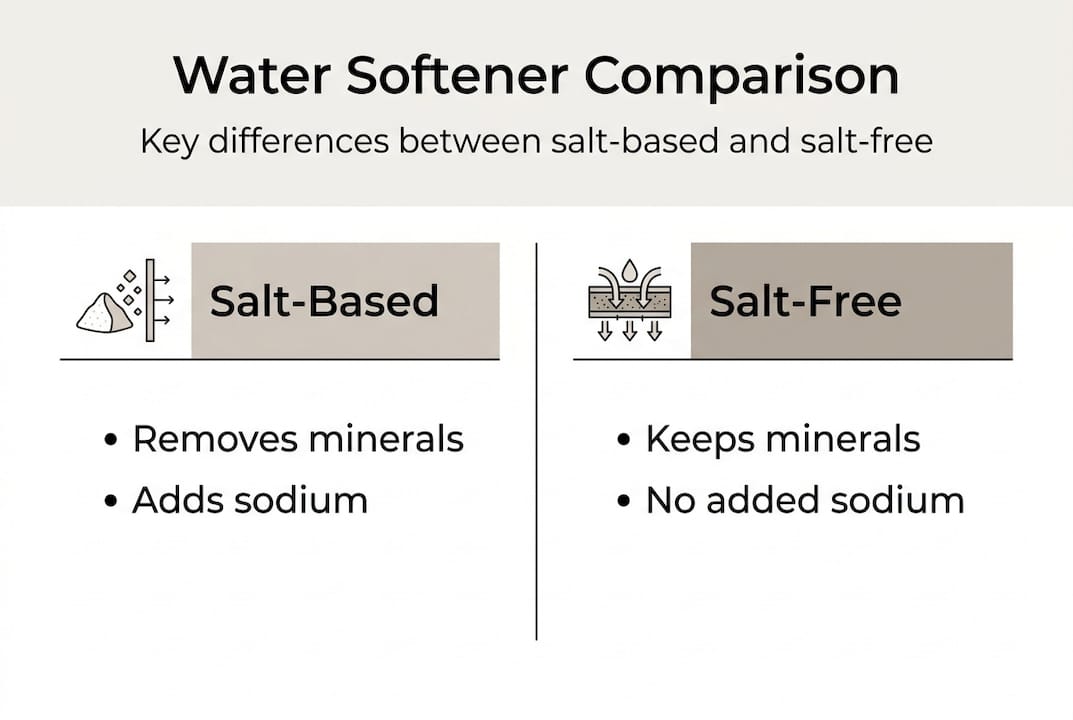
- Salt-based softeners remove minerals and add sodium, which can impact health, especially for sensitive individuals.
- Salt-free conditioners prevent scale without mineral removal or sodium addition, offering a lower-maintenance alternative.
Many homeowners assume that installing a water softener automatically means cleaner, healthier water. That’s only part of the story. Salt-based systems can add significant sodium to every glass you drink, while salt-free alternatives keep minerals intact but work differently than most people expect. Choosing the wrong system for your water type or health needs can create new problems while solving old ones. This guide breaks down how each type of softener works, what it does to your water’s chemistry, and how to make a decision that protects both your appliances and your family’s wellness.
Table of Contents
- Understanding hard water and why it matters
- Types of water softeners: salt-based vs salt-free systems
- How water softeners work: step-by-step breakdown
- Health and practical considerations for choosing a water softener
- The uncomfortable truth most articles miss about water softeners
- Upgrade your home water quality with Coway solutions
- Frequently asked questions
Key Takeaways
| Point | Details |
|---|---|
| Not all softeners remove minerals | Salt-free systems keep calcium and magnesium while preventing scale buildup, unlike salt-based models. |
| Salt-based can add sodium | For health-conscious consumers, salt-based softeners may add significant sodium to your drinking water. |
| Choose based on water hardness | Salt-based softeners are best for very hard water, while salt-free options suit homes with moderate hardness. |
| Consider health and appliance needs | Weigh mineral removal, sodium addition, and maintenance factors for both wellness and protecting household systems. |
Understanding hard water and why it matters
Hard water is simply water that contains elevated levels of dissolved calcium and magnesium. These minerals are picked up as water moves through rock and soil before reaching your home. The U.S. Geological Survey estimates that 85% of American homes have hard or very hard water, making this one of the most widespread household water issues in the country.
You’ve probably noticed the signs already:
- White scale buildup on faucets, showerheads, and inside kettles
- Soap scum that’s difficult to rinse off skin, hair, and tubs
- Reduced lather from soaps and shampoos
- Spotty dishes and glassware straight from the dishwasher
- Shortened appliance lifespan in water heaters, washing machines, and dishwashers
Beyond the inconvenience, hard water creates real costs. Scale buildup inside pipes and water heaters reduces energy efficiency and can shorten appliance life significantly. For health-conscious households, the importance of water quality goes beyond taste. It affects how well your body absorbs hydration and how safe your daily water consumption actually is.
Here’s where sodium becomes a concern. Salt-based softeners work by replacing calcium and magnesium with sodium ions. The EPA suggests that sodium in softened water should stay below 20 mg per liter for people on sodium-restricted diets. At 10 grains per gallon (gpg) of hardness, a salt-based system can push sodium levels to 75 mg/L or higher. That’s not a minor footnote. For someone managing blood pressure or heart health, that number matters every single day.
Understanding the healthier home water benefits starts with knowing what’s actually in your water before you treat it. A simple water hardness test kit, available at most hardware stores, gives you a baseline reading in grains per gallon. That number will guide every decision that follows.
Now that you know why hard water matters, let’s dive into how water softeners tackle this household challenge.
Types of water softeners: salt-based vs salt-free systems
With the basics established, it’s time to explore the actual technology behind water softening. The two main categories operate on completely different principles, and picking the wrong one for your situation is a common and costly mistake.
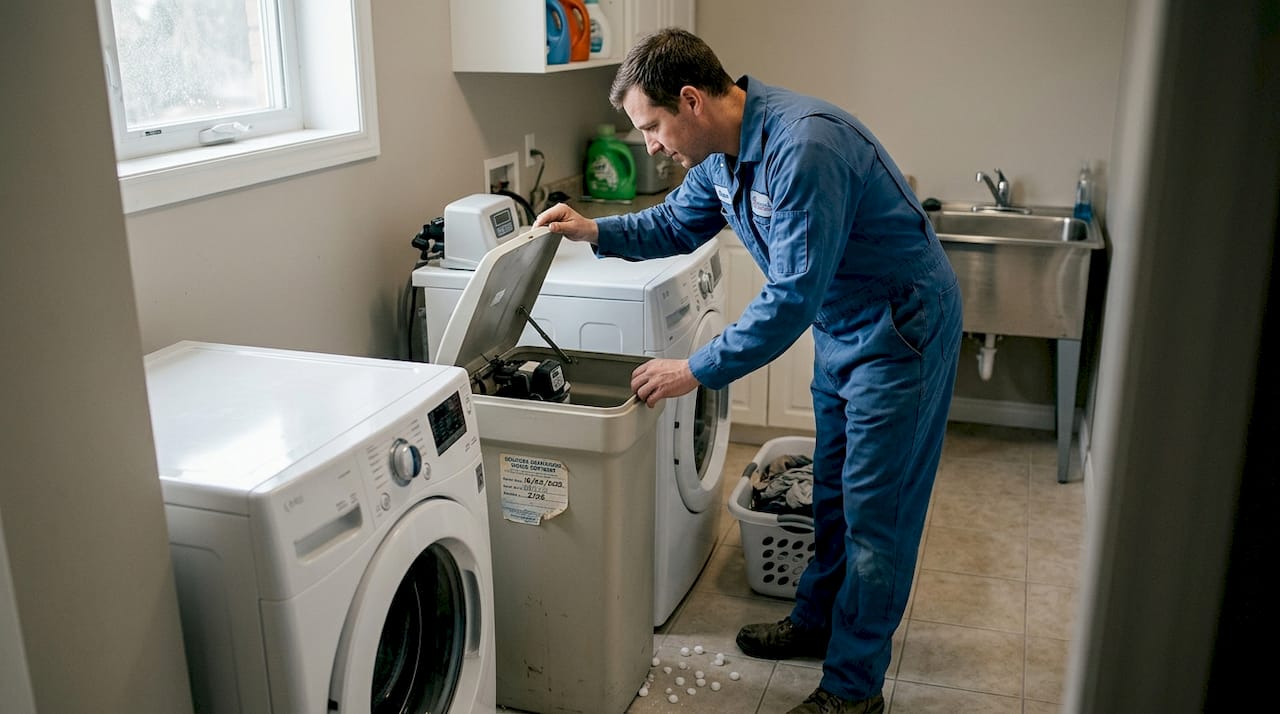
Salt-based ion exchange softeners are the traditional choice. They pull calcium and magnesium out of your water and replace them with sodium ions using a resin bed. The result is genuinely soft water, meaning the hardness minerals are gone. This is highly effective for very hard water (above 10 gpg) and provides real benefits for skin, hair, and appliances.
Salt-free conditioners (also called descalers or template-assisted crystallization systems) take a different approach. They don’t remove minerals. Instead, they alter mineral structure so calcium and magnesium can’t bind to surfaces and form scale. No sodium is added. No minerals are removed. The water is technically still hard, but it behaves more like soft water in terms of scale prevention.
| Feature | Salt-based | Salt-free |
|---|---|---|
| Removes hardness minerals | Yes | No |
| Adds sodium | Yes | No |
| Prevents scale | Yes | Yes |
| Requires salt refills | Yes | No |
| Best for water hardness | Very hard (10+ gpg) | Moderate (7-10 gpg) |
| Environmental impact | Higher (brine discharge) | Lower |
| Maintenance level | Higher | Lower |
Understanding the role of mineralization in water filters helps clarify why keeping or removing minerals matters for your health, not just your pipes.
Pro Tip: If you’re concerned about sodium but still want effective softening, potassium chloride is a direct replacement for sodium chloride in salt-based systems. It costs more but eliminates the sodium addition entirely, making it a smart choice for households with dietary restrictions.
“Salt-free systems are not technically water softeners. They’re water conditioners. The distinction matters because they won’t give you the slippery-skin feel of soft water or reduce soap usage the same way a salt-based system will.”
How water softeners work: step-by-step breakdown
Understanding the core mechanisms sets the stage for evaluating their real-world impact. Let’s walk through each system clearly.
How a salt-based softener works:
- Hard water enters the mineral tank, which contains thousands of negatively charged resin beads.
- Calcium and magnesium ions (positively charged) are attracted to and captured by the resin beads.
- Sodium ions from the brine tank are released into the water in exchange, creating softened water.
- Over time, the resin becomes saturated with calcium and magnesium and needs to be regenerated.
- During regeneration, a strong salt solution (brine) flushes the resin, pushing the captured minerals out.
- The mineral-rich brine is discharged to the drain, and the resin is ready to soften again.
How a salt-free conditioner works:
- Hard water passes through a catalytic media (template-assisted crystallization).
- Calcium and magnesium are converted into microscopic crystals that stay suspended in the water.
- These crystals can’t stick to pipe walls, appliances, or fixtures, so scale doesn’t form.
- No regeneration cycle is needed. No salt. No wastewater discharge.
The water softener comparison between these two systems shows that salt-based softeners are ideal for very hard water where full mineral removal is necessary to protect appliances and plumbing. Salt-free systems perform well in moderate hardness conditions and are a lower-maintenance, eco-friendlier option.
| Water hardness level | Grains per gallon (gpg) | Recommended system |
|---|---|---|
| Slightly hard | 1-3.5 gpg | No treatment needed |
| Moderately hard | 3.5-7 gpg | Salt-free conditioner |
| Hard | 7-10 gpg | Salt-free or salt-based |
| Very hard | 10+ gpg | Salt-based softener |
Knowing what happens inside your system also helps you understand what’s missing. Salt-based softeners remove minerals entirely, which is why pairing them with a system that supports mineralization in purifiers can restore beneficial minerals to your drinking water.
Health and practical considerations for choosing a water softener
Armed with this knowledge, let’s examine how to make the best choice for your household. The health side of this decision is where most guides fall short.
Sodium and your diet. At 10 gpg of hardness, a salt-based softener can add up to 75 mg of sodium per liter of water. If your household drinks two liters per day per person, that’s 150 mg of extra sodium daily before a single bite of food. For most healthy adults, this is manageable. For anyone on a low-sodium diet due to hypertension, kidney disease, or heart conditions, it’s a real concern worth discussing with a doctor.
Calcium and magnesium removal. Salt-based softeners strip out calcium and magnesium, which are minerals your body actually needs. Most people get these from food, not water, so the impact is typically minor. But it’s worth knowing that softened water is not a source of these nutrients.
Here are the most practical steps for managing health and maintenance:
- Test your water hardness before buying any system. Don’t guess.
- Use a reverse osmosis filter for drinking and cooking water in salt-based homes. The health impacts of softened water show that reverse osmosis for clean water effectively removes the added sodium before it reaches your glass.
- Switch to potassium chloride in your brine tank if sodium is a concern.
- Schedule annual maintenance for salt-based systems to prevent salt bridges and resin fouling.
- Consider environmental rules in your area. Some California counties have banned salt-based softener discharge due to its impact on wastewater recycling.
Pro Tip: Pairing a salt-based softener with a point-of-use reverse osmosis system at your kitchen sink is the most effective combo for appliance protection AND safe drinking water. You get the health benefits of purified water without the sodium tradeoff.
Environmental impact is also worth considering. Salt-based systems discharge brine during regeneration, which can affect local water treatment systems. Salt-free systems produce no wastewater, making them a greener choice when they’re appropriate for your hardness level.
The uncomfortable truth most articles miss about water softeners
Most buying guides focus on price, brand reputation, and ease of installation. Almost none of them talk honestly about the sodium problem. At high hardness levels, up to 10% of daily sodium intake can come from salt-based softened water alone. That’s not a fringe scenario. It’s the reality for millions of American households with very hard water.
We also see homeowners treat water softening as a one-and-done appliance decision, like buying a refrigerator. But water treatment is a system, not a single product. Softening your water without thinking about what happens to the minerals you removed, or the sodium you added, is an incomplete solution.
The smartest approach treats your home’s water in layers. Soften for your appliances and pipes. Filter for your drinking water. Consider waterborne contaminants beyond just hardness minerals. A water softener is a useful tool, but it’s not a health solution on its own. Homes that treat it as one are trading one set of problems for another.
Upgrade your home water quality with Coway solutions
If you’re ready to move beyond research, Coway offers tailored solutions for safer, healthier home water. Understanding the full water purification process explained helps you see where softening ends and true purification begins.
For households that want both scale protection and genuinely clean drinking water, Coway’s advanced filtration systems are built to complement your existing water treatment setup. The countertop ice water purifier is a practical, space-saving option that delivers filtered water at the point of use, right where sodium and other concerns matter most. Explore the full range of home water solutions at Coway Water Purifier and find the system that fits your household’s needs and health goals.
Frequently asked questions
How much sodium does a salt-based water softener add to drinking water?
A salt-based softener adds roughly 7.5 to 8 mg of sodium per grain of hardness removed. At 10 gpg, that can reach 75 mg/L in your water, potentially accounting for up to 10% of a person’s daily sodium intake.
Do salt-free water softeners remove minerals from water?
No. Salt-free systems alter mineral crystal structure to prevent scale from forming on surfaces, but calcium and magnesium remain in the water throughout.
What’s the healthiest option for drinking water in homes with a salt-based softener?
A reverse osmosis system at the kitchen tap removes the sodium added by softening. Alternatively, switching to potassium chloride in the brine tank eliminates sodium addition at the source.
Are water softeners necessary if my water is only moderately hard?
For moderate hardness levels between 3.5 and 7 gpg, a salt-free conditioner is often sufficient. It prevents scale buildup, requires minimal maintenance, and avoids the environmental and health tradeoffs of salt-based systems.
Recommended
- Water Softening Explained: Healthier Home Water Benefits – Coway Water Purifier
- How Pre-Filters Enhance Home Water Purification Health – Coway Water Purifier
- Advanced Water Filtration Guide for Healthier Homes – Coway Water Purifier
- Eco-Friendly Water Purification Guide for Healthy Homes – Coway Water Purifier
- Eco-Friendly Cleaning Defined – Healthier Homes in LA
