
Uncategorized
Water Softening Explained: Healthier Home Water Benefits
Dec
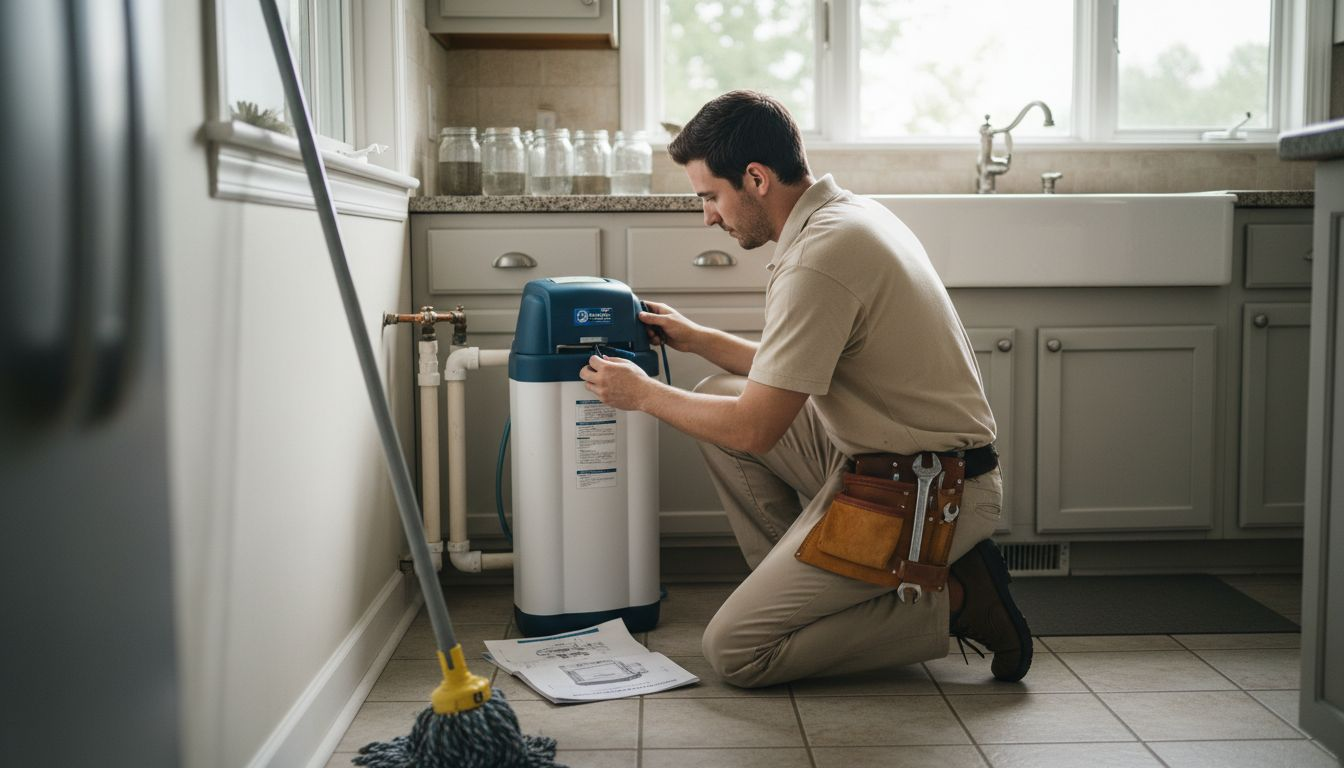
Millions of American households battle hard water every day, with stubborn calcium and magnesium minerals causing scale buildup and costly damage. Clean, healthy water matters for families who want comfortable showers, spotless dishes, and appliances that last. The right water softening solution can dramatically improve water quality while reducing maintenance headaches, offering clear benefits for health-conscious homeowners looking for safer, more efficient water in their United States homes.
Table of Contents
- What Water Softening Really Means
- Choosing The Right Water Softener Type
- How Water Softeners Work In The Home
- Comparing Benefits And Drawbacks Of Softened Water
- Costs, Maintenance, And Common Mistakes To Avoid
Key Takeaways
| Point | Details |
|---|---|
| Understanding Water Softening | Water softening is essential for removing hard minerals like calcium and magnesium to improve water quality in homes. |
| Choosing the Right System | Select a water softener based on household needs, water hardness, and local regulations to optimize efficiency. |
| Maintenance Importance | Regular maintenance, including checking salt levels and cleaning, is crucial for system longevity and performance. |
| Evaluating Benefits vs. Drawbacks | Consider the advantages of softened water against potential downsides, such as increased sodium levels and maintenance costs. |
What Water Softening Really Means
Water softening is a specialized process designed to remove problematic dissolved minerals like calcium and magnesium from household water supplies. These minerals create hard water – a common issue affecting millions of American homes. By understanding water softening techniques, homeowners can effectively transform their water quality and protect their plumbing infrastructure.
The core mechanism of water softening involves ion exchange technology, which systematically replaces hard water mineral ions with sodium or potassium ions. This fundamental chemical process prevents scale buildup in pipes, water heaters, and household appliances. Minerals like calcium and magnesium get trapped in specialized resin beads inside a water softener tank, ensuring that only softened water flows through your home’s plumbing system.
Water softening provides multiple practical benefits beyond preventing mineral deposits. Softened water improves soap and detergent effectiveness, reduces spotting on dishes, prevents scale accumulation in water heaters, and can extend the lifespan of household appliances. Homeowners often report softer skin, shinier hair, and more efficient cleaning results after implementing a water softening system. Scientific research consistently demonstrates that removing hard water minerals leads to significant improvements in both water quality and overall home maintenance.
Pro tip: Test your home’s water hardness using an affordable testing kit to determine the precise level of mineral content and potential need for a water softening solution.
Choosing the Right Water Softener Type
Selecting the appropriate water softener requires understanding the unique characteristics of different system types. Homeowners can choose from multiple water softening technologies, each designed to address specific water hardness challenges and household needs. Residential water softener options vary significantly in their approach to removing mineral content and managing water quality.
The most common water softener types include salt-based ion exchange systems, salt-free water conditioners, and specialized well water solutions. Salt-based systems use an ion exchange process that replaces calcium and magnesium ions with sodium ions, effectively removing hard water minerals. Salt-free conditioners, by contrast, work differently by crystallizing minerals rather than removing them, which can be beneficial for households concerned about sodium intake or seeking a maintenance-friendly solution.
When evaluating water softener types, homeowners should consider several critical factors. EPA guidelines recommend examining water hardness levels, household size, local regulations, and system efficiency. Important considerations include the system’s regeneration method, water and salt consumption, NSF/ANSI certification, and compatibility with specific plumbing configurations. Well water systems, for instance, might require additional filtration stages to address unique mineral and contaminant challenges.
Pro tip: Conduct a comprehensive water test before purchasing a water softener to accurately determine your home’s specific mineral content and choose the most suitable system.
Here is a comparison of popular residential water softener technologies:
| System Type | How It Works | Key Benefit | Ideal Household |
|---|---|---|---|
| Salt-Based Ion Exchange | Replaces minerals with sodium | Maximum hardness removal | Large families |
| Salt-Free Conditioning | Crystallizes mineral content | Low maintenance, less sodium | Health-conscious |
| Well Water Solution | Adds filtration stages | Targets iron and contaminants | Rural properties |
How Water Softeners Work In The Home
Water softeners operate through a sophisticated process of mineral removal and water conditioning that transforms hard water into a more usable household resource. The residential water softening cycle involves complex ion exchange mechanisms that systematically eliminate calcium and magnesium ions responsible for water hardness. As water flows through the system, specialized resin beads inside the tank capture and neutralize these problematic minerals, ensuring cleaner, more efficient water distribution throughout the home.
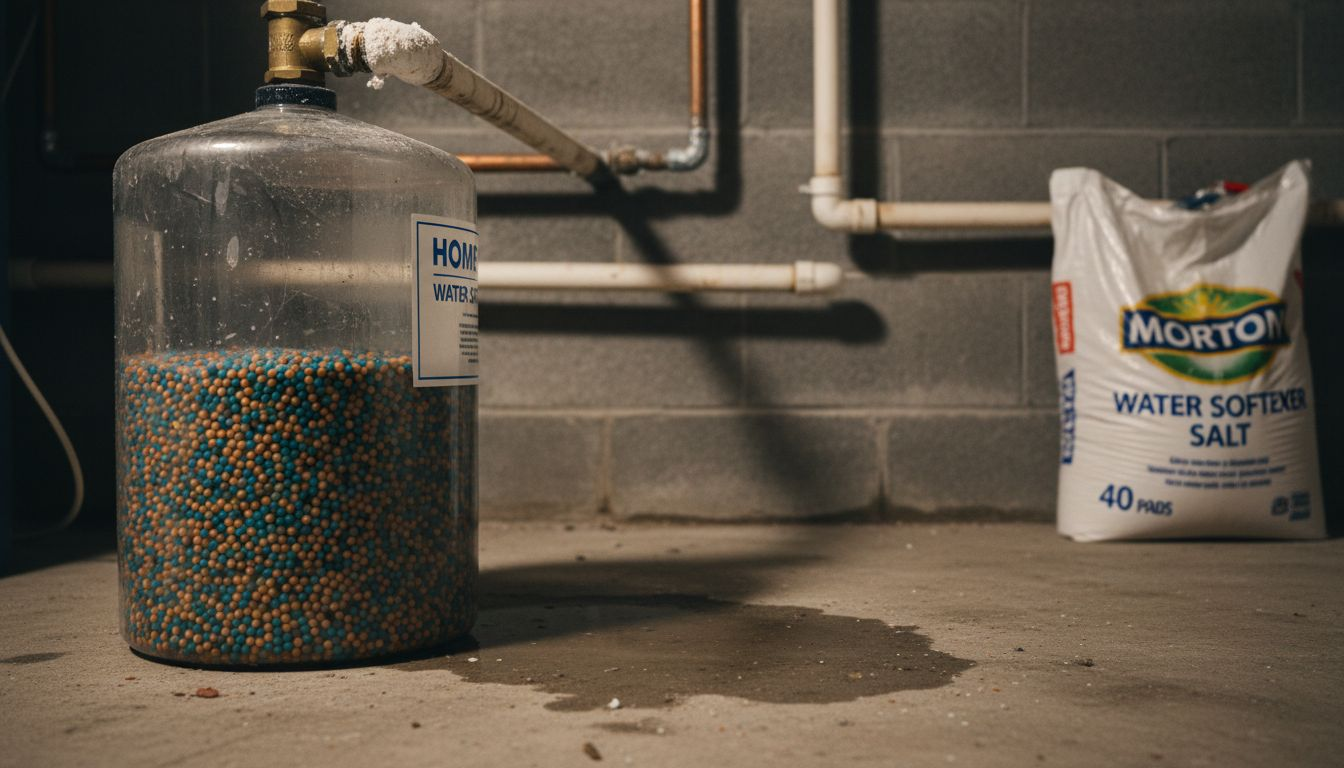
The core functionality of a water softener relies on a carefully orchestrated regeneration process. When the resin beads become saturated with hard water minerals, they undergo a cleaning cycle using a concentrated salt brine solution. This regeneration process flushes out accumulated minerals and recharges the resin beads, allowing the system to continuously soften water. Homeowners can typically program their water softener to perform this regeneration automatically during low-water-usage periods, such as late at night, minimizing disruption to daily household activities.
Understanding the intricate mechanics of water softening reveals its substantial benefits for home infrastructure. Softened water prevents scale buildup in pipes, extends the lifespan of water-using appliances, and improves overall water quality. The ion exchange process not only removes hard water minerals but also helps reduce soap scum, prevents mineral deposits on fixtures, and can even contribute to more effective cleaning and personal hygiene. By transforming hard water into a more manageable resource, water softeners play a crucial role in maintaining a healthy, efficient home environment.
Pro tip: Regularly check and replenish your water softener’s salt levels to maintain optimal system performance and ensure consistent water quality.
Comparing Benefits And Drawbacks Of Softened Water
Softened water offers a complex array of advantages and potential limitations for homeowners seeking improved water quality. Scientific research from water quality studies reveals nuanced perspectives on soft water’s impact, highlighting both significant benefits and considerations that merit careful evaluation. Understanding these trade-offs enables consumers to make informed decisions about implementing water softening technologies in their homes.
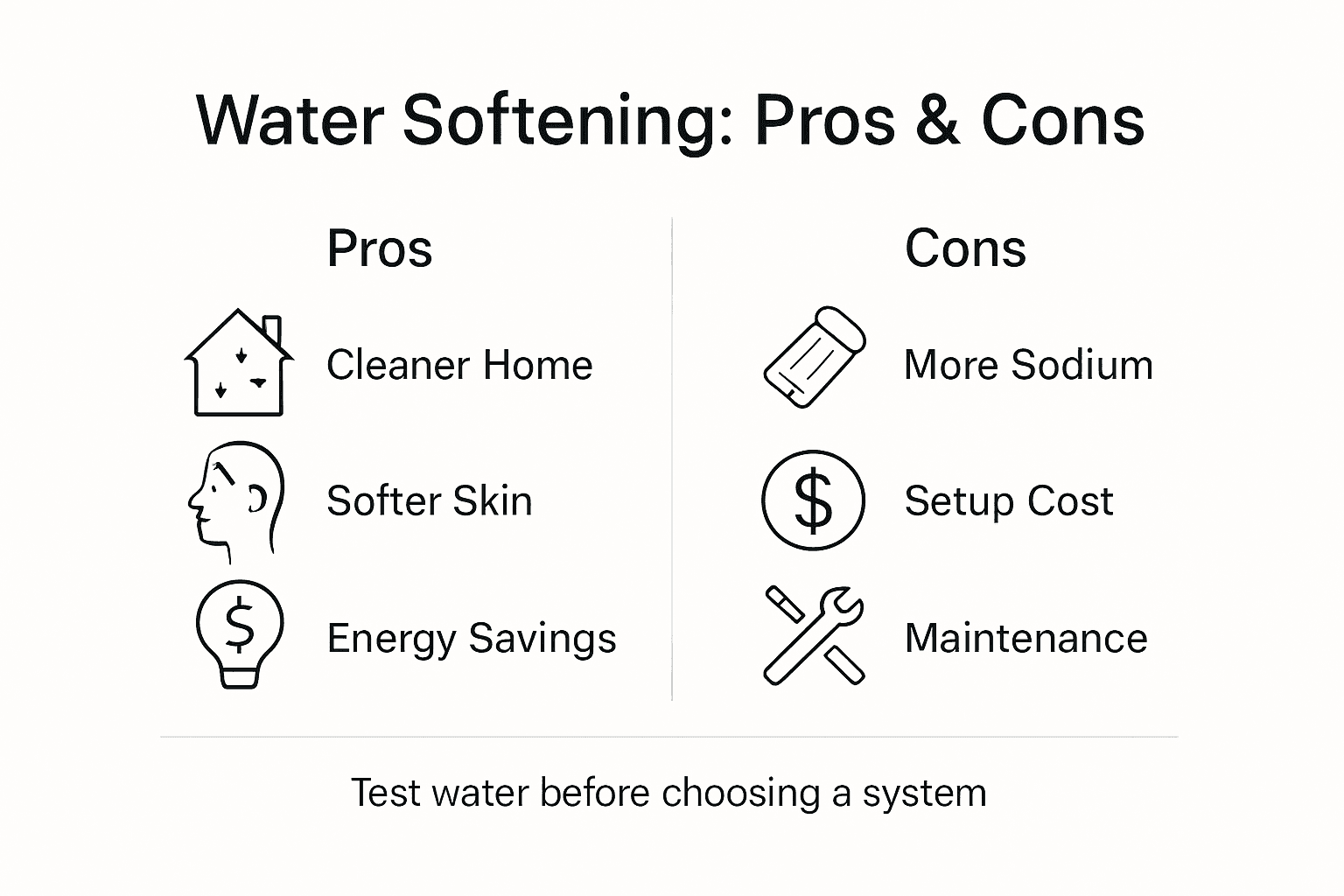
The benefits of softened water are substantial and multifaceted. Water Quality Research Foundation studies demonstrate numerous advantages, including reduced energy consumption in water heaters, extended appliance lifespan, and improved cleaning efficiency. Softened water prevents mineral scale buildup in pipes, reduces soap and detergent requirements, and enhances overall household cleaning performance. Homeowners frequently report smoother skin, shinier hair, and more effective laundering results when transitioning to softened water systems.
However, softened water is not without potential drawbacks. The ion exchange process typically increases sodium content, which might concern individuals with dietary restrictions or health sensitivities. Some consumers report subtle changes in water taste, and there are environmental considerations regarding salt discharge and water treatment processes. Additionally, the initial installation and ongoing maintenance of water softening systems represent a financial investment that homeowners must carefully weigh against the potential long-term benefits of improved water quality and reduced appliance wear.
Pro tip: Consult a local water quality professional to conduct a comprehensive water analysis and determine whether a water softening system is the most appropriate solution for your specific household needs.
Costs, Maintenance, and Common Mistakes To Avoid
Navigating the financial landscape of water softener ownership requires strategic planning and awareness of potential expenses. Homeowner maintenance costs for water treatment systems vary significantly, with annual maintenance expenses typically ranging between $162 and $978. These costs encompass professional servicing, replacement parts, and routine system upkeep, making it crucial for homeowners to budget carefully and understand the long-term financial implications of water softening technology.
The most common maintenance mistakes can lead to substantial unexpected expenses and system inefficiencies. Homeowners frequently overlook critical tasks like regular salt level monitoring, brine tank cleaning, and system calibration. Neglecting these fundamental maintenance steps can result in reduced system performance, increased wear on mechanical components, and potential complete system failure. Critical maintenance activities include checking salt levels monthly, cleaning the brine tank annually, and scheduling professional inspections every two to three years to ensure optimal system functionality.
Beyond routine maintenance, homeowners should be aware of potential cost-saving strategies and common pitfalls. Selecting the appropriate water softener size for your household, understanding local water hardness levels, and investing in high-quality initial installation can prevent long-term expensive repairs. Some homeowners mistakenly choose the cheapest system without considering their specific water quality needs, which can lead to inefficient operation and higher replacement costs. Energy efficiency, salt consumption, and system longevity should be primary considerations when evaluating water softener investments.
Pro tip: Keep a maintenance log to track salt additions, system performance, and professional service visits, helping you anticipate potential issues and maintain your water softener’s optimal functionality.
Below is a summary of common water softener maintenance tasks and their importance:
| Task | Frequency | Why It Matters |
|---|---|---|
| Check salt levels | Monthly | Prevents system inefficiency |
| Clean brine tank | Annually | Reduces buildup and blockage |
| Professional review | Every 2-3 yrs | Detects hidden system issues |
Discover Clearer, Softer Water for a Healthier Home Environment
If hard water is causing you frustration with mineral buildup and less effective cleaning, it’s time to explore reliable solutions tailored to your needs. The process of water softening explained in the article highlights key challenges such as scale accumulation, soap scum, and the need for careful maintenance. At Coway Water Purifier, we understand the importance of delivering pure, softened water that enhances your daily life while protecting your home’s plumbing and appliances.
Start experiencing the benefits of advanced water purification technology today. Our range of innovative water filtration systems includes models designed to reduce hardness and improve water quality without the hassles of traditional softeners. Learn more about our offerings in the Uncategorized Archives – Coway Water Purifier category. Visit Coway Water Purifier now to find the perfect system for your household and take the first step toward a healthier home.
Explore our solutions, enjoy free delivery and installation, and feel confident knowing your water is soft, safe, and refreshed.
Frequently Asked Questions
What is water softening?
Water softening is a process that removes dissolved minerals like calcium and magnesium from water, which contribute to hard water issues. It typically uses ion exchange technology to replace these minerals with sodium or potassium ions.
How does a water softener work?
A water softener operates through an ion exchange process where hard water passes through specialized resin beads that capture calcium and magnesium ions. Once these beads become saturated, a regeneration cycle cleans them using a salt brine solution, allowing the system to continue softening water.
What are the benefits of using softened water in my home?
Softened water provides several advantages, including reduced scale buildup in pipes and appliances, improved soap and detergent effectiveness, a longer lifespan for water-using appliances, and potential benefits for personal care, such as softer skin and shinier hair.
Are there any drawbacks to using softened water?
Yes, while softened water has many benefits, it may increase sodium content due to the ion exchange process. This can be a concern for individuals on low-sodium diets. Additionally, some homeowners may notice a slight change in water taste, and there are ongoing maintenance costs to consider.
Recommended
- 7 Key Water Purification Benefits for Homeowners – Coway Water Purifier
- 7 Key Benefits of Water Purification for Your Home – Coway Water Purifier
- 7 Benefits of Water Filtration for Your Home and Health – Coway Water Purifier
- How to Ensure Safe Drinking Water for Home and Business – Coway Water Purifier
