
Uncategorized
What is mineralization in purifiers? A 2026 guide

Mar
You might assume that mineralization in water purifiers means adding substantial minerals to your drinking water, but the reality is quite different. While mineralization does reintroduce beneficial minerals like calcium and magnesium after filtration, drinking water contributes only 5-20% of daily mineral intake. Understanding what mineralization actually does in your home purifier helps you make informed decisions about water quality, taste, and whether this feature truly matters for your household. This guide explains the science behind mineralization, its real health impacts, and how to choose the right system for your needs.
Table of Contents
- Understanding Mineralization In Water Purifiers
- How Mineralization Affects Water Quality And Health
- Types Of Mineralization Technologies In Home Purifiers
- Choosing And Maintaining A Water Purifier With Mineralization
- Explore Advanced Water Purification With Mineralization Features
- Frequently Asked Questions
Key takeaways
| Point | Details |
|---|---|
| Mineralization reintroduces minerals | Water purifiers add back calcium and magnesium removed during filtration to improve taste and balance pH |
| Limited dietary contribution | Drinking water provides only a small percentage of your daily mineral requirements compared to food sources |
| Taste and quality benefits | Mineralized water often tastes better and feels smoother than completely demineralized water |
| Multiple technology options | Mineral cartridges, remineralization chambers, and mineral stones each work differently with varying maintenance needs |
| Selection depends on water source | Your local water hardness and purification method determine whether mineralization features add real value |
Understanding mineralization in water purifiers
Mineralization refers to the process of reintroducing beneficial minerals into purified water after filtration systems remove them. Many advanced purification methods like reverse osmosis and distillation strip water of virtually all dissolved solids, including essential minerals such as calcium, magnesium, and potassium. This creates exceptionally pure water but often results in a flat, slightly acidic taste that many people find unappealing.
The mineralization process typically occurs as a final stage in multi-step filtration systems. After water passes through primary filtration barriers that remove contaminants, it flows through mineral cartridges or chambers containing natural mineral stones. These components gradually dissolve trace amounts of minerals back into the water, restoring a more natural composition. The mineralization water filters impacts extend beyond simple taste improvement.
Common minerals added during this process include:
- Calcium carbonate for alkalinity and bone health support
- Magnesium sulfate for muscle function and hydration
- Potassium chloride for electrolyte balance
- Sodium bicarbonate for pH adjustment
Home water purifiers incorporate mineralization for several practical purposes. First, it significantly improves taste by adding back the subtle mineral flavors we associate with fresh spring water. Second, mineralization helps balance pH levels, preventing the slightly acidic water that pure filtration creates. Third, it preserves trace amounts of minerals that contribute to overall water quality and mouthfeel.
Pro Tip: Test your local water hardness before investing in mineralization features because areas with naturally hard water may not benefit as much from remineralization compared to regions with soft water sources.
The extent of mineralization varies widely between purifier models and technologies. Some systems add minimal minerals purely for taste enhancement, while others aim to restore water to a composition similar to natural spring water. Understanding these differences helps you match purifier capabilities to your specific water quality goals and taste preferences.
How mineralization affects water quality and health
The health impact of mineralized water remains a topic of interest for homeowners, but the evidence reveals a nuanced picture. Research shows that drinking 2 liters of tap water provides about 6% of recommended daily calcium and 5% magnesium intake. This means even mineralized purified water contributes only a fraction of your nutritional mineral needs compared to dietary sources like dairy products, leafy greens, nuts, and whole grains.
However, mineralization does create measurable improvements in water quality characteristics. The most noticeable effect appears in taste, where minerals add subtle flavor notes that make water more palatable and encourage increased consumption. This psychological benefit matters because proper hydration supports every bodily function, and people naturally drink more water when it tastes better.
| Water Type | Calcium (mg/L) | Magnesium (mg/L) | pH Level | Taste Profile |
|---|---|---|---|---|
| Demineralized | 0-5 | 0-2 | 5.5-6.5 | Flat, slightly acidic |
| Lightly mineralized | 20-50 | 5-15 | 7.0-7.5 | Neutral, clean |
| Moderately mineralized | 50-100 | 15-30 | 7.5-8.0 | Smooth, slightly sweet |
| Heavily mineralized | 100+ | 30+ | 8.0-8.5 | Distinct mineral taste |
Mineralization also influences pH balance in meaningful ways. Completely purified water tends toward acidity, which some studies suggest may affect mineral leaching from pipes or alter the water’s interaction with your body’s natural pH. Adding minerals raises pH to neutral or slightly alkaline levels, creating water that better matches what our bodies evolved to consume.
The difference tap vs filtered water becomes less pronounced when mineralization restores some of the beneficial characteristics of source water. Mineralized filtered water combines the safety of purification with the quality attributes of natural water.
Specific scenarios where mineralization provides greater benefits include:
- Regions with naturally soft water where mineral content is already low
- Households using reverse osmosis systems that remove virtually all dissolved solids
- Families with children or elderly members who need encouragement to stay hydrated
- People who notice taste differences and prefer mineral-rich water
- Homes with acidic water that may corrode pipes or fixtures
While mineralization won’t replace dietary mineral sources, it does contribute to overall water quality and may support better hydration habits. The key is maintaining realistic expectations about health benefits while appreciating the genuine improvements in taste and water characteristics that mineralization provides.
Types of mineralization technologies in home purifiers
Home water purifiers employ several distinct mineralization technologies, each with unique mechanisms and maintenance requirements. Understanding these differences helps you select systems that align with your water quality goals and lifestyle.
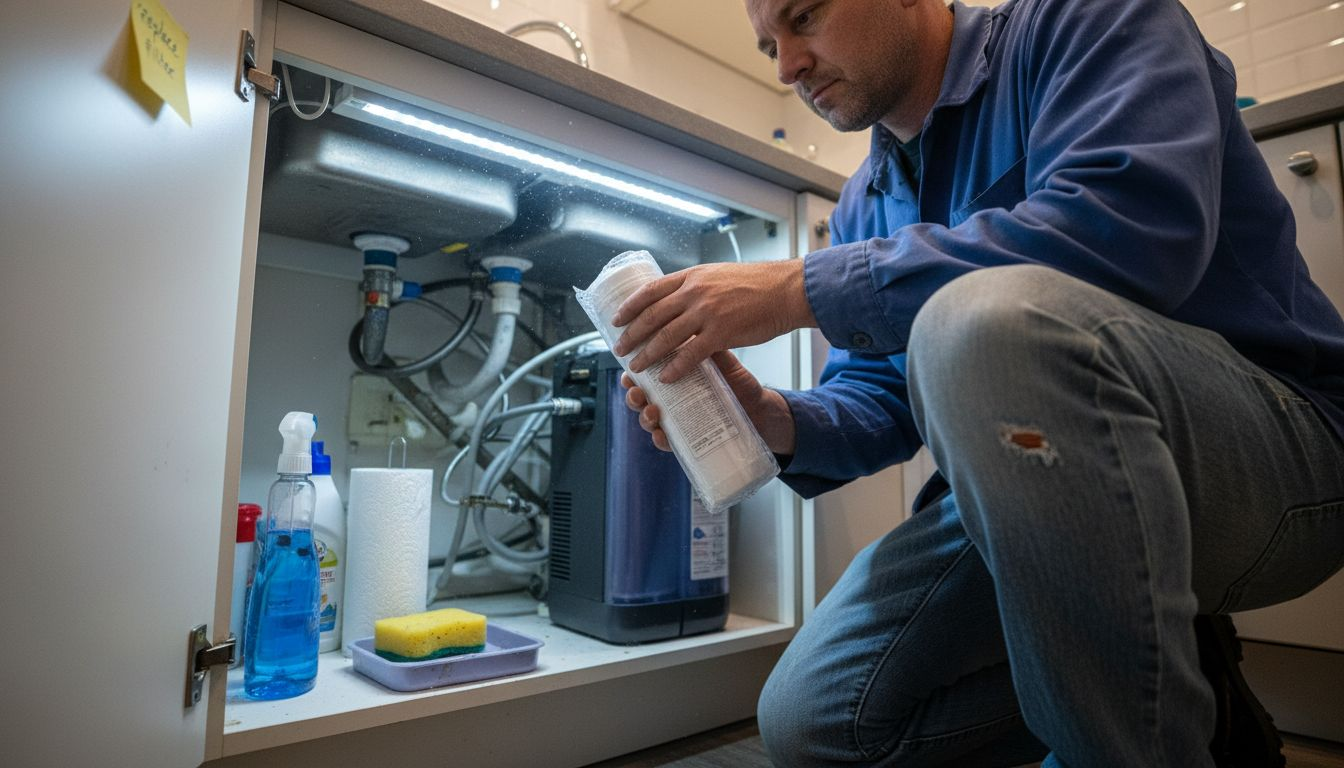
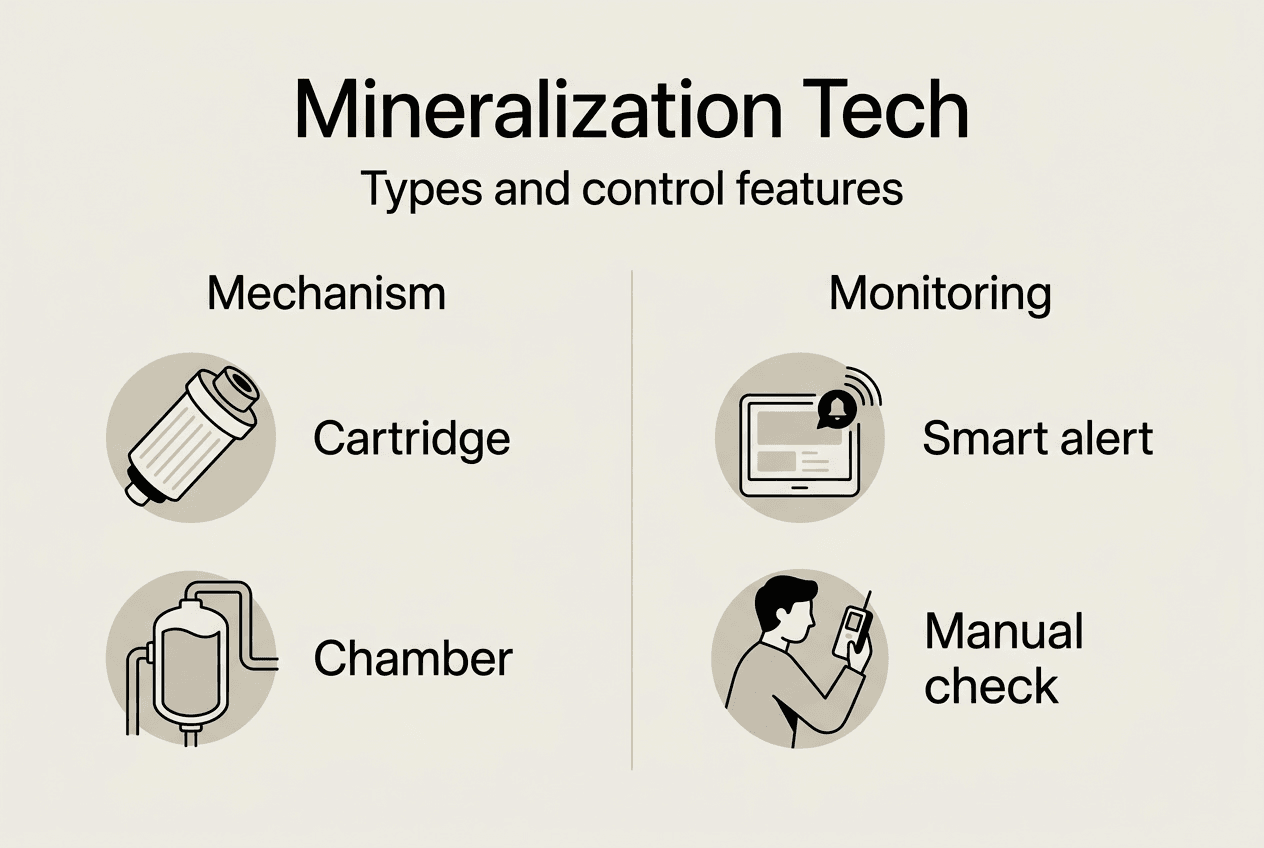
Mineral cartridges represent the most common mineralization method. These replaceable filters contain compressed mineral compounds that dissolve gradually as water flows through them. The water purification process explained guide details how these cartridges integrate into multi-stage filtration systems. They offer precise control over mineral content and typically last 6 to 12 months before requiring replacement.
Remineralization chambers use a different approach, housing loose mineral stones or granules in a dedicated compartment. Water passes through this chamber after primary filtration, allowing extended contact time with mineral materials. This method provides more natural mineralization patterns and often requires less frequent maintenance, though the mineral media still needs periodic replenishment.
Mineral balls or stones consist of natural or processed mineral compounds shaped into small spheres. These ceramic or mineral composite balls release ions slowly into purified water. Many systems combine multiple types of mineral balls to achieve specific water quality targets, such as alkaline water or enhanced calcium content.
| Technology Type | Mineral Control | Maintenance Frequency | Typical Minerals Added | Best For |
|---|---|---|---|---|
| Mineral cartridges | Precise, consistent | 6-12 months | Calcium, magnesium, potassium | High-volume households |
| Remineralization chambers | Moderate, adjustable | 12-24 months | Broad mineral spectrum | Custom water profiles |
| Mineral balls | Variable, natural | 18-36 months | Calcium, trace minerals | Long-term low maintenance |
| Inline mineral filters | Basic, fixed | 6-9 months | Calcium carbonate | Budget-conscious users |
Each mineralization method affects taste and pH differently. Cartridge systems typically produce the most consistent results because manufacturers engineer them for specific mineral ratios. Chamber systems offer more variability, which some users prefer for customization but others find less predictable. Mineral balls create the most natural mineralization pattern, mimicking how water absorbs minerals from rock formations in nature.
Maintaining mineralization components requires attention to specific timelines and indicators. Watch for these signs that maintenance is needed:
- Gradual return to flat or acidic taste indicating mineral depletion
- Reduced pH levels measured with test strips
- Manufacturer-specified replacement intervals based on water volume
- Visible discoloration or buildup on mineral media
- Changes in water flow rate through the system
Pro Tip: Match your mineralization technology to your existing purification system and personal taste preferences rather than assuming more expensive options always perform better for your specific water source.
Some advanced purifiers integrate smart monitoring that tracks mineralization component lifespan and alerts you when replacement is needed. This technology removes guesswork and ensures consistent water quality without manual testing or calendar tracking.
Choosing and maintaining a water purifier with mineralization
Selecting the right water purifier with effective mineralization features requires a systematic approach that considers your water source, household needs, and quality expectations. Follow this step-by-step process to make an informed decision:
- Test your current water quality to establish baseline mineral content, pH, and hardness levels
- Identify primary contaminants you need to remove through filtration
- Determine your daily water consumption to size the system appropriately
- Research purifier models that address your specific contaminant concerns while offering mineralization
- Compare mineralization technologies based on maintenance requirements and mineral profiles
- Verify third-party certifications from NSF International or Water Quality Association
- Calculate total cost of ownership including replacement filters and mineral cartridges
- Read verified customer reviews focusing on long-term mineralization performance
The how to choose water purifier guide provides additional selection criteria beyond mineralization features. Quality certifications matter significantly because they verify that mineralization components meet safety standards and actually deliver advertised mineral content. Look for certifications specific to remineralization or pH adjustment, not just general filtration performance.
Maintenance practices specific to mineralization elements directly impact water quality and system longevity. The maintain purifier efficiency naturally approach emphasizes preventive care that extends component life. Replace mineral cartridges according to manufacturer specifications rather than waiting for taste changes, as mineral depletion occurs gradually and you may not notice quality degradation until it becomes significant.
Common pitfalls to avoid when selecting and using mineralized purifiers:
- Ignoring regular maintenance schedules for mineral components
- Mismatching purifier capacity to household water consumption
- Assuming mineralization compensates for inadequate primary filtration
- Overlooking water hardness when evaluating mineralization benefits
- Failing to test pH and mineral content after installation
- Choosing systems based solely on price without considering replacement costs
Consult detailed product guides and independent expert reviews before finalizing your purchase. Manufacturer specifications sometimes overstate mineralization benefits or underestimate maintenance requirements. Third-party testing and long-term user experiences provide more realistic performance expectations. Consider reaching out to water quality professionals in your area who can assess your specific water source and recommend appropriate purification and mineralization combinations.
Document your maintenance schedule and track water quality measurements over time. This data helps you identify patterns, optimize replacement intervals, and troubleshoot any quality issues that emerge. Many households find that maintaining a simple log of filter changes and periodic pH tests ensures consistent performance and helps justify the investment in mineralization features.
Explore advanced water purification with mineralization features
Now that you understand how mineralization enhances water quality, consider exploring purifier options that integrate this technology with comprehensive filtration. Coway offers innovative water purification systems designed to remove contaminants while preserving beneficial water characteristics through advanced mineralization.
The water purification process explained guide demonstrates how multi-stage filtration works alongside mineralization to deliver exceptional water quality. Whether you need a space-saving countertop ice water purifier for convenient access or prefer the seamless integration of options featured in the top under sink water purifiers comparison, you’ll find systems engineered for both purity and taste. Explore how the right combination of filtration and mineralization can transform your home’s water quality.
Frequently asked questions
What exactly is mineralization in water purifiers?
Mineralization is the process of adding beneficial minerals back into water after purification removes them. Most advanced filtration methods strip water of all dissolved solids, including healthy minerals like calcium and magnesium, so mineralization restores these elements to improve taste and water quality.
Which minerals do water purifiers typically add?
Purifiers most commonly add calcium carbonate, magnesium sulfate, potassium chloride, and sometimes sodium bicarbonate. These minerals occur naturally in spring water and contribute to taste, pH balance, and the smooth mouthfeel that makes water more enjoyable to drink.
Does mineralized water provide significant health benefits?
Mineralized water contributes only a small fraction of your daily mineral needs, typically 5 to 20 percent depending on consumption and water hardness. While not a primary mineral source compared to food, it does improve taste and may encourage better hydration habits, which supports overall health.
How often do mineralization components need maintenance?
Maintenance frequency depends on the technology used. Mineral cartridges typically require replacement every 6 to 12 months, remineralization chambers need media replenishment every 12 to 24 months, and mineral balls can last 18 to 36 months before requiring attention.
How can I tell if my purifier includes mineralization?
Check your product specifications for terms like remineralization, mineral cartridge, alkaline filter, or pH enhancement. You can also test your purified water’s pH and mineral content using simple test strips, comparing results to completely demineralized water to confirm mineralization is occurring.
Does mineralization work with all purification methods?
Mineralization works best with purification methods that remove most dissolved solids, particularly reverse osmosis and distillation systems. Standard carbon filters retain more minerals naturally, so mineralization provides less benefit unless you specifically want enhanced mineral content or alkaline water.
Recommended
- Mineralization in Water Filters: Impact on Home Wellness – Coway Water Purifier
- Complete Guide to Maintenance in Purifier Performance – Coway Water Purifier
- Complete Guide to Why Choose Under-Sink Purifiers – Coway Water Purifier
- Groundwater Purification: Everything You Need to Know – Coway Water Purifier
