
Uncategorized
How to Maintain Purifier Efficiency for Clean Water
Jan
Finding truly dependable drinking water can feel frustrating even for health-focused American families. When your household relies on a Coway water purifier, maintaining both purity and efficiency becomes a top priority. Establishing a comprehensive maintenance routine not only supports your family’s wellness but also keeps system costs manageable over time. In this guide, discover the practical steps that help your Coway purifier perform its best, delivering safe, clean water with every glass.
Table of Contents
- Step 1: Prepare Your Water Purifier for Maintenance
- Step 2: Clean Key Components and Filters Regularly
- Step 3: Replace Worn or Expired Filters On Time
- Step 4: Sanitize the Purifier and Check for Leaks
- Step 5: Test Water Quality and Confirm Efficient Operation
Quick Summary
| Important Insight | Explanation |
|---|---|
| 1. Keep Documentation Handy | Maintain records of installation and maintenance to track performance and identify issues. |
| 2. Clean and Replace Filters | Regularly clean and replace filters according to their schedules to ensure water quality. |
| 3. Sanitize System Regularly | Implement routine sanitation to prevent microbial growth and ensure safe water supply. |
| 4. Conduct Water Quality Tests | Test water regularly for contaminants to verify the purification system’s efficiency. |
| 5. Monitor System Performance | Watch for changes in water flow and taste to catch potential problems early. |
Step 1: Prepare Your Water Purifier for Maintenance
Preparing your water purifier for maintenance is a critical process that ensures clean and safe drinking water for your household. The key is developing a comprehensive approach that involves systematic inspection and proactive planning.
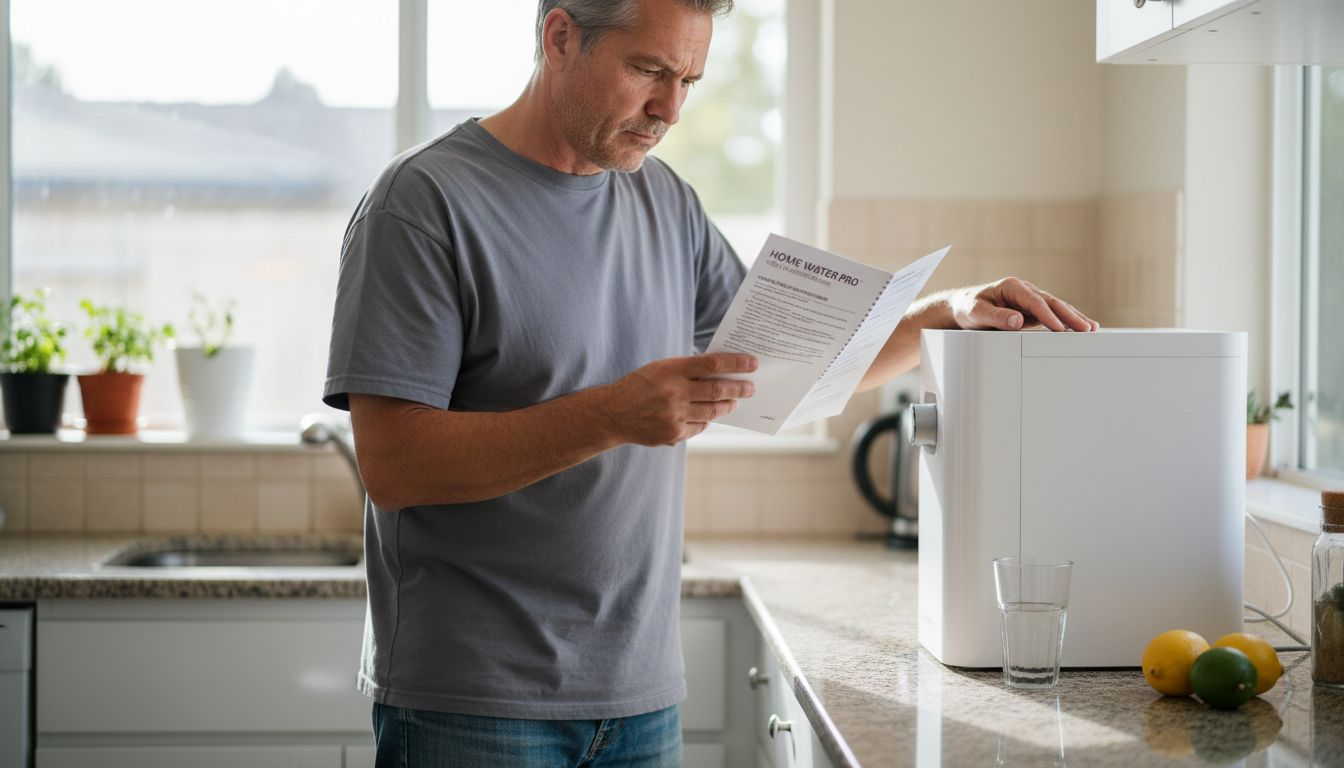
To start, gather all relevant documentation about your water purification system, including installation records, previous maintenance logs, and manufacturer specifications. Establishing a maintenance routine helps you track the system’s performance and detect potential issues early. This documentation will provide insights into the system’s history and guide your maintenance strategy.
Begin by visually inspecting all external components of your water purifier. Check the exterior for any signs of wear, corrosion, or damage. Examine the water intake and output connections, ensuring they are secure and free from leaks. Verify that the purifier’s housing is clean and undamaged, and look for any unusual discoloration or mineral buildup that might indicate maintenance needs.
Pro tip: Keep a maintenance log with dates, observations, and any replacement parts to track your water purifier’s health and performance over time.
Step 2: Clean Key Components and Filters Regularly
Maintaining clean water purifier components is essential for ensuring top performance and water quality. Routine maintenance of water system components helps protect your household from potential contaminants and extends the life of your filtration system.
Start by identifying and inspecting each key filter component. Most water purifiers have multiple filter stages including sediment filters, carbon filters, and reverse osmosis membranes. Remove these filters carefully according to manufacturer instructions. Examine each filter for signs of buildup, discoloration, or wear. Carbon and sediment filters typically need replacement every 6 months, while reverse osmosis membranes can last 2 to 3 years with proper maintenance.
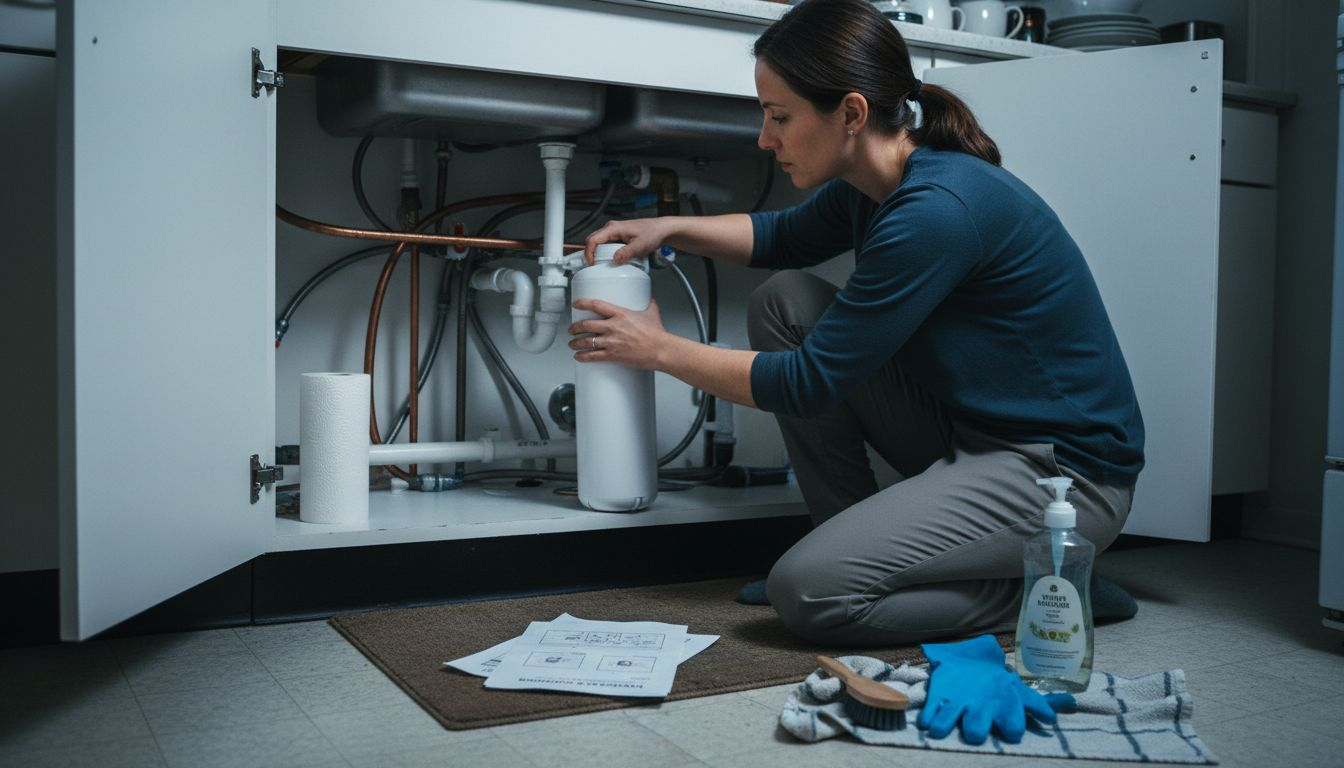
Carefully clean filter housings using mild soap and warm water, ensuring no soap residue remains. Use a soft cloth or brush to remove mineral deposits or debris. For stubborn buildup, consider using a specialized filter cleaning solution recommended by the manufacturer. Always rinse thoroughly and allow components to air dry completely before reinstalling. Pay special attention to water intake and output connections, checking for any potential leaks or damage during the cleaning process.
Pro tip: Mark your calendar with filter replacement dates and set reminders to ensure consistent maintenance of your water purification system.
Here’s an overview of common water purifier filter types and their typical maintenance cycles:
| Filter Type | Main Function | Typical Replacement Interval | Performance Impact if Missed |
|---|---|---|---|
| Sediment Filter | Removes dirt and particles | 6 months | Reduced flow, clogging risk |
| Carbon Filter | Adsorbs chemicals, odors | 6 months | Poor taste, less contaminant removal |
| Reverse Osmosis Membrane | Removes dissolved solids | 2-3 years | Higher contaminant levels |
Step 3: Replace Worn or Expired Filters On Time
Ensuring timely replacement of water purifier filters is crucial for maintaining water quality and system performance. Water treatment standards recommend consistent filter replacement to prevent potential health risks and maintain optimal filtration efficiency.
Identify the specific replacement schedule for each filter type in your water purification system. Different components have varying lifespans some filters need replacement every 6 months, while others can last up to 2 years. Check your manufacturer’s documentation for precise guidelines. Pay attention to indicators like reduced water flow, unusual taste, or visible discoloration which signal that a filter may be nearing the end of its effective service life.
When replacing filters, always follow the manufacturer’s specific instructions. Purchase replacement filters directly from the original manufacturer to ensure compatibility and performance. Carefully remove the old filter, noting its orientation and installation method. Clean the filter housing thoroughly before inserting the new filter, making sure it is seated correctly and securely. Perform a system flush after installation to remove any initial carbon residue or trapped particles from the new filter.
Pro tip: Create a digital or physical maintenance calendar that tracks each filter’s replacement date to never miss a critical maintenance window.
Step 4: Sanitize the Purifier and Check for Leaks
Maintaining a clean and leak-free water purification system is essential for ensuring safe drinking water. Routine sanitation prevents microbial contamination and protects your household from potential health risks.
Begin the sanitization process by disconnecting power to the water purifier and shutting off the water supply. Carefully disassemble removable components like filter housings and drip trays. Use a food-grade disinfectant solution specifically designed for water treatment systems, applying it with a soft cloth or sponge. Pay special attention to areas prone to bacterial growth such as seals, connectors, and interior surfaces. Thoroughly rinse all components with clean water to remove any residual disinfectant.
Next, conduct a comprehensive leak inspection. Examine all connections, seals, and tubing for signs of moisture, corrosion, or damage. Look for water spots, mineral buildup, or subtle drips that might indicate potential issues. Gently tighten connections if needed, but avoid over tightening which can damage seals. If you discover any significant leaks or damage, consult a professional water purification technician to prevent further system complications.
Pro tip: Keep a dedicated maintenance log with photographs of your system during each sanitization to track changes and identify potential problems early.
Step 5: Test Water Quality and Confirm Efficient Operation
Ensuring your water purifier continues to deliver safe and clean drinking water requires systematic quality testing and performance verification. Regular water quality testing is vital to confirm your system is functioning at optimal levels and protecting your household health.
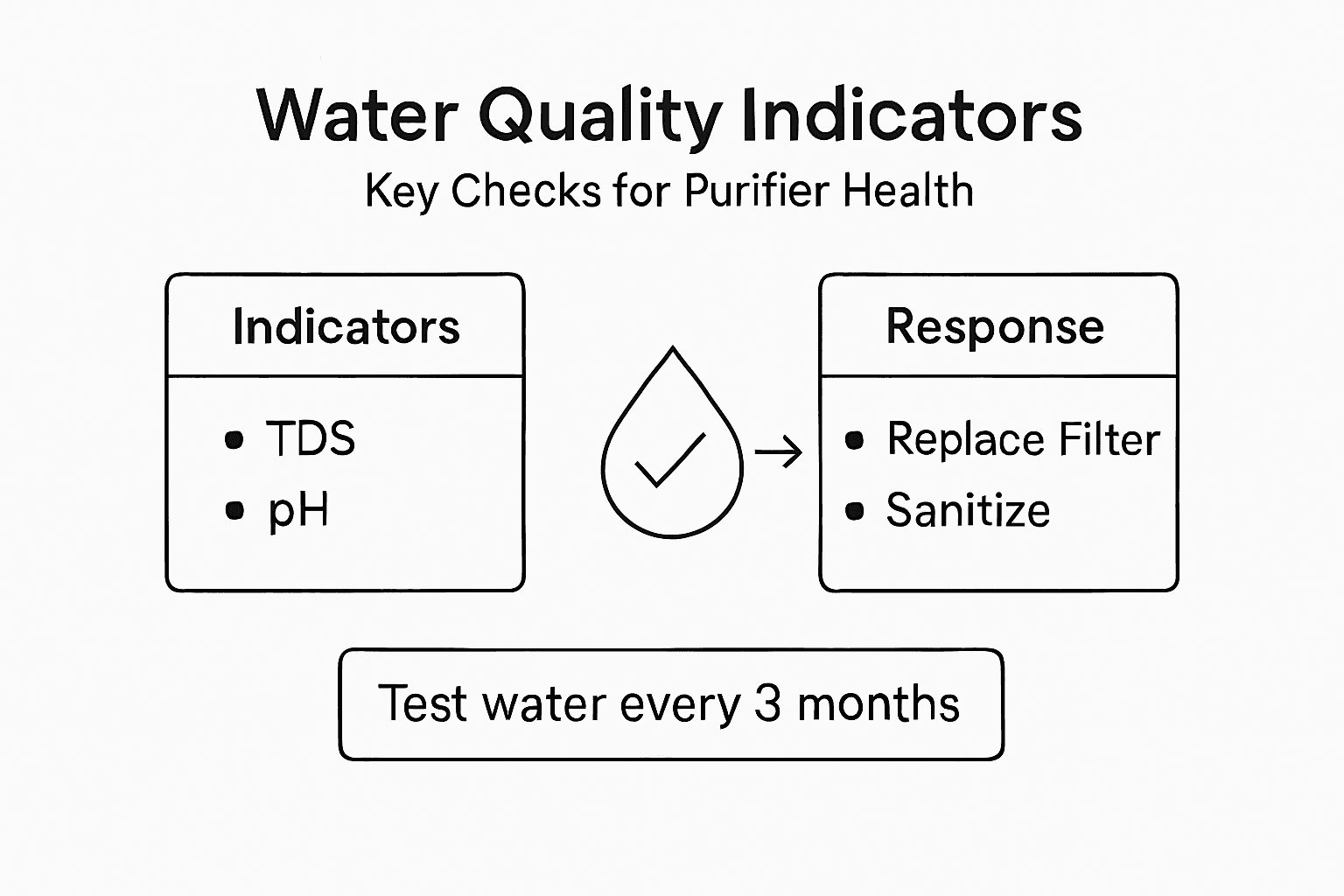
Start by obtaining a comprehensive water testing kit or scheduling professional laboratory analysis. These tests should check for key contaminants including bacteria, nitrates, heavy metals, and local environmental pollutants specific to your region. Compare the results against local water quality standards and your purifier’s performance specifications. Look for indicators such as pH levels, total dissolved solids, chlorine content, and potential microbial presence that might suggest system inefficiencies.
Beyond laboratory testing, perform practical performance checks on your water purifier. Assess water taste, clarity, and odor as sensory indicators of system health. Monitor water flow rate to ensure consistent pressure and filtration efficiency. Check for any unusual sounds from the system, verify that all components are functioning smoothly, and confirm that indicator lights and digital displays are operating correctly. If you notice any significant deviations from normal performance, consult your manufacturer or a professional water treatment technician for a detailed system evaluation.
Pro tip: Maintain a digital spreadsheet tracking each water quality test result to help you identify trends and potential issues over time.
Here are key water quality indicators and what their results may tell you:
| Indicator | What It Measures | Impact of High Value | Recommended Response |
|---|---|---|---|
| pH | Water acidity/alkalinity | Metal corrosion, taste change | Adjust system, retest |
| Total Dissolved Solids | Minerals, salts, metals | Possible taste, health concerns | Check filter, consider upgrades |
| Chlorine Content | Disinfection level | Unpleasant taste, odor | Flush system, adjust settings |
| Bacterial Presence | Microbial contamination | Health risk, illness | Sanitize, replace filters |
Keep Your Water Pure and Your Family Safe with Reliable Solutions
Maintaining purifier efficiency is essential to enjoy clean and safe drinking water every day. If you face challenges like timely filter replacement, regular sanitization, or consistent water quality testing, you are not alone. Many homeowners struggle with staying on top of maintenance routines that prevent contaminants, leaks, and poor water taste. Understanding terms like sediment filters, carbon filters, and UV sanitization can be overwhelming, but you do not have to manage it alone.
Explore our range of advanced water purification systems that feature smart filtration technology and easy upkeep options designed to take the guesswork out of maintenance. At Coway Water Purifier, we offer solutions tailored to your needs, including countertop and under-sink models that combine powerful filtration with convenient filter replacements. Our products ensure you get the purest water without fuss and help you maintain system health with professional support.
Ready to elevate your home water experience with trusted technology and hassle-free maintenance? Visit the Uncategorized Archives – Coway Water Purifier to learn more about our innovative product lineup. Start protecting your household today by selecting the perfect water purifier for your lifestyle. Don’t wait until poor water quality affects your health. Take the first step now at Coway Water Purifier and enjoy peace of mind from safe, clean water every day.
Frequently Asked Questions
How do I prepare my water purifier for maintenance?
Start by gathering all relevant documents for your water purification system, including installation records and maintenance logs. Conduct a visual inspection of all components to check for signs of wear, leaks, or damage.
How often should I clean and replace filters in my water purifier?
Clean sediment and carbon filters every 6 months and replace them accordingly. Check reverse osmosis membranes, which typically last 2 to 3 years with proper care, to ensure optimal performance.
What steps should I take to sanitize my water purifier?
Disconnect power and shut off the water supply before removing components like filter housings. Use a food-grade disinfectant to clean all surfaces, then rinse thoroughly with clean water to remove any residual disinfectant.
How can I test the water quality after maintaining my purifier?
Obtain a comprehensive water testing kit to analyze for contaminants such as bacteria and heavy metals. Perform practical checks on taste, clarity, and flow rate to confirm the purifier is functioning efficiently.
What are the signs that my water purifier filters need to be replaced?
Watch for reduced water flow, unusual taste, or visible discoloration in the water. These indicators often signal that a filter is nearing the end of its effective service life and should be replaced promptly.
Recommended
- Step by Step Purifier Maintenance for Peak Performance – Coway Water Purifier
- 7 Essential Steps for Your Purifier Maintenance Checklist – Coway Water Purifier
- Complete Guide to Maintenance in Purifier Performance – Coway Water Purifier
- Understanding the Role of Maintenance in Purifiers – Coway Water Purifier
- Eco Friendly Cleaning Tips For Busy European Mums – The Zoofamily
