
Uncategorized
How filtration prevents disease: homeowner’s guide 2026
Mar
Many homeowners believe standard water filters protect them from waterborne diseases, yet many household carbon filters do not remove viruses, leaving families vulnerable to hidden health risks. Understanding how filtration truly prevents disease and choosing the right system is essential for protecting your household from pathogens and contaminants that threaten wellness every day.
Table of Contents
- Understanding Waterborne Diseases And Contaminants
- How Water Filtration Protects Against Disease
- Common Misconceptions About Water Filtration And Disease Prevention
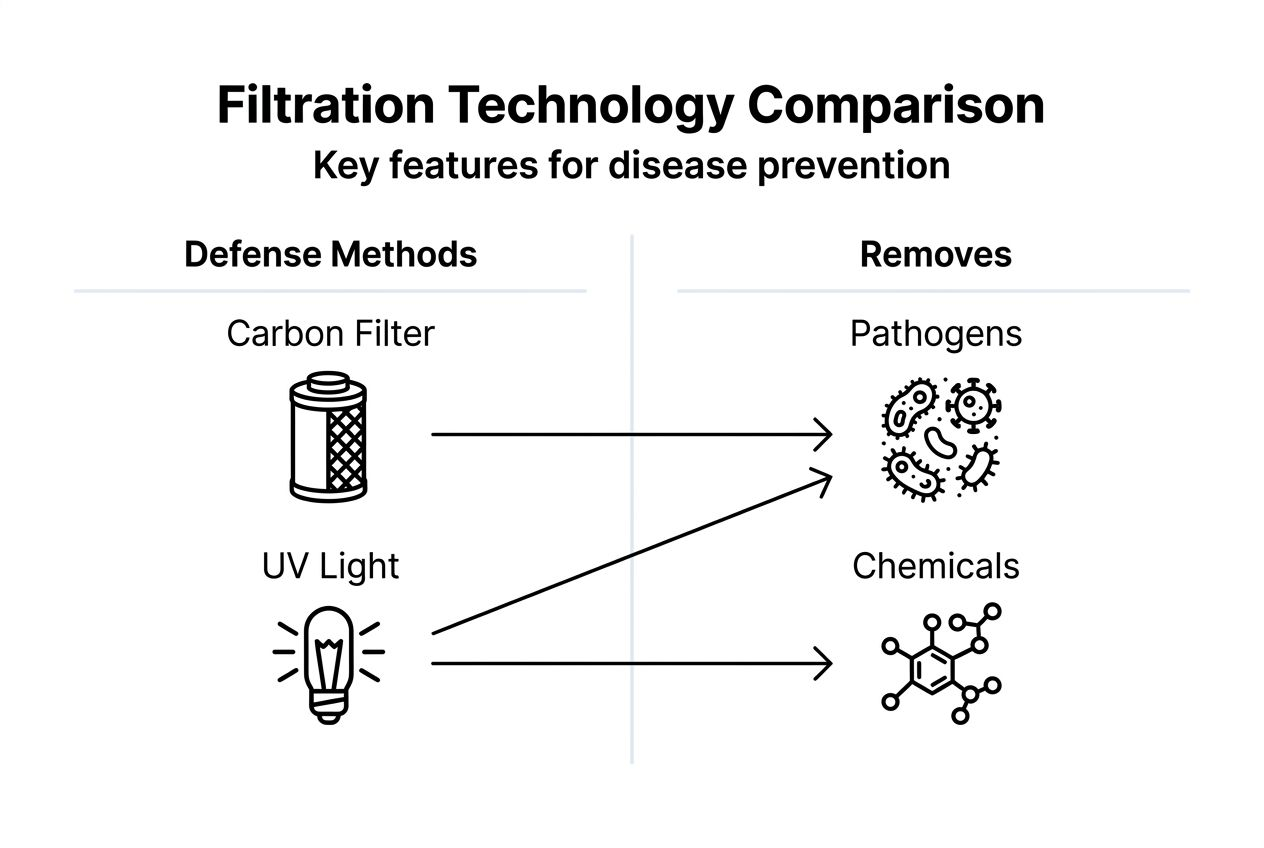
- Comparing Water Filtration Technologies For Effective Disease Prevention
- Practical Guidance On Choosing And Maintaining Water Filtration Systems
- Explore Coway Water Filtration Solutions For Safer Homes
Key takeaways
| Point | Details |
|---|---|
| Filtration removes health threats | Multi-stage systems eliminate pathogens and chemicals that cause illness. |
| Not all filters protect equally | Many carbon-only filters fail to remove viruses and bacteria effectively. |
| Technology combination works best | Physical filtration with UV sterilization provides comprehensive disease protection. |
| Maintenance is critical | Neglected filters harbor bacteria that increase health risks over time. |
| Certification ensures reliability | NSF and WQA certified systems meet rigorous pathogen removal standards. |
Understanding waterborne diseases and contaminants
Your tap water may carry invisible threats that compromise family health. Common waterborne pathogens include bacteria, viruses, and protozoa that regularly affect US households through municipal supplies and private wells. Recognizing these contaminants helps you select filtration systems that truly protect your loved ones.
Waterborne pathogens fall into three main categories:
- Bacteria such as E. coli and Legionella cause gastrointestinal illness and respiratory infections
- Viruses including norovirus and hepatitis A trigger severe digestive problems and liver damage
- Protozoa like Giardia and Cryptosporidium produce persistent diarrhea and dehydration
Chemical contaminants pose equally serious health risks. Lead from aging pipes damages neurological development in children. Chlorine by-products created during water treatment increase cancer risk over time. Pesticide runoff from agricultural areas disrupts hormonal function and reproductive health.
Municipal water systems treat most pathogens but cannot eliminate all chemical contaminants or prevent recontamination during distribution. Private well owners face additional challenges since groundwater often contains naturally occurring arsenic, nitrates, and microbes. Understanding waterborne contaminants affecting home health empowers you to choose filtration that addresses specific threats in your water supply.
Gastrointestinal diseases represent the most common waterborne health problem, causing 7 million illnesses annually in the United States. Neurological damage from lead exposure affects cognitive development permanently. Long-term chemical exposure correlates with increased rates of cancer and reproductive disorders across communities with contaminated water sources.
How water filtration protects against disease
Effective filtration systems employ multiple mechanisms to remove disease-causing agents from drinking water. Physical barriers trap particles and microorganisms. Chemical processes absorb harmful compounds. Sterilization methods destroy pathogens at the molecular level.
Physical filtration uses membranes with microscopic pores that block contaminants larger than water molecules. Activated carbon filters employ chemical adsorption, attracting chlorine and organic chemicals to their porous surface structure. UV sterilization disrupts pathogen DNA, preventing reproduction and rendering microbes harmless.
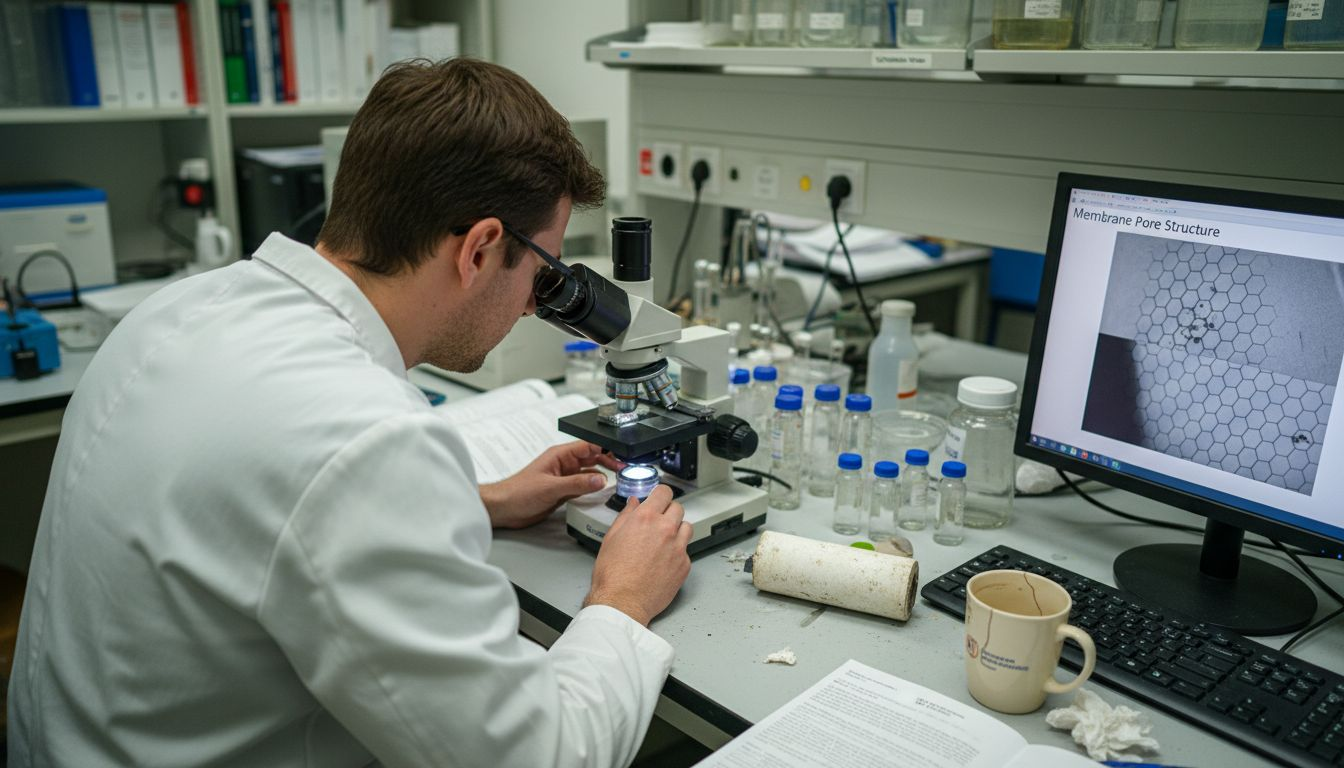
Multi-stage filtration and UV sterilization reduce gastrointestinal illnesses by 30-50% in households using these systems consistently. This dramatic reduction demonstrates how proper filtration technology directly prevents disease transmission through drinking water.
Common filtration technologies deliver varying levels of protection:
- Activated carbon removes chlorine, pesticides, and organic chemicals through adsorption
- Reverse osmosis forces water through semi-permeable membranes that block 95-99% of dissolved solids and pathogens
- UV sterilization inactivates 99.99% of bacteria and viruses without chemicals
- Ceramic filters trap particles and bacteria in microscopic pores
Effectiveness depends on proper installation and regular maintenance. A reverse osmosis system removes up to 99% of bacteria, viruses, and chemicals when functioning correctly. UV systems achieve 99.99% microbial inactivation but require clean water since particles can shield pathogens from ultraviolet rays.
Understanding how filtration removes pathogens and chemicals helps you evaluate systems based on your household’s specific contamination risks. Combining technologies creates layers of protection that address both biological and chemical threats effectively. The systematic review on filtration reducing illness confirms that multi-barrier approaches deliver superior health outcomes compared to single-stage systems.
Common misconceptions about water filtration and disease prevention
Many homeowners hold dangerous misconceptions about water filtration capabilities. Correcting these misunderstandings protects your family from preventable waterborne diseases.
Myth: All household filters remove viruses and bacteria effectively. Truth: Most pitcher filters and basic faucet attachments use activated carbon that removes taste and odor but fails to eliminate pathogens. Carbon filtration alone does not provide adequate disease protection without additional sterilization stages.
Misconception: Once installed, filtration systems guarantee safety indefinitely. Fact: Filters become breeding grounds for bacteria when not replaced on schedule. Neglected filters can increase bacterial growth 15-30% over 6 months, actually raising disease risks rather than reducing them.
Myth: Activated carbon alone prevents waterborne diseases. Reality: Carbon primarily targets chemical contaminants like chlorine and pesticides. It provides minimal bacterial removal and virtually no virus protection. You need additional technologies like UV or reverse osmosis for pathogen control.
Common misunderstandings about filtration effectiveness:
- Assuming boiling water equals filtration protection
- Believing pitcher filters remove all contaminants
- Thinking water that tastes good is completely safe
- Expecting filters to last longer than manufacturer specifications
Pro Tip: Combine activated carbon for chemical removal with UV sterilization or reverse osmosis for comprehensive pathogen protection, creating multiple barriers against disease transmission.
Understanding common misconceptions about water filtration helps you avoid false security and select systems that truly protect family health. Many families trust inadequate filtration because marketing claims blur distinctions between chemical and biological contaminant removal.
Comparing water filtration technologies for effective disease prevention
Choosing the right filtration technology requires understanding how each system performs against specific contaminants. This comparison helps you match filtration capabilities to your household’s disease prevention needs.
| Technology | Pathogen Removal | Chemical Removal | Cost | Maintenance |
|---|---|---|---|---|
| Activated Carbon | Low (bacteria only) | High | $20-200 | Replace every 2-6 months |
| Reverse Osmosis | Very High (99%+) | Very High | $200-600 | Annual membrane replacement |
| UV Sterilization | Very High (99.99%) | None | $100-400 | Annual bulb replacement |
| Ceramic Filters | Medium-High | Low | $50-300 | Clean monthly, replace yearly |
| Multi-Stage Systems | Very High | Very High | $300-1000 | Varied by component |
Activated carbon filters excel at removing chlorine, volatile organic compounds, and pesticides that affect taste and smell. They provide limited bacterial reduction but cannot eliminate viruses or protozoa. Their low cost makes them popular despite inadequate pathogen protection.
Reverse osmosis systems force water through membranes that block virtually all pathogens, heavy metals, and dissolved solids. They waste 3-4 gallons for every gallon produced. Higher upfront costs and water waste offset superior contaminant removal for health-conscious families.
UV sterilization inactivates bacteria, viruses, and protozoa without altering water chemistry or taste. It requires pre-filtration to remove particles that shield microbes from ultraviolet light. Combining UV with activated carbon creates effective multi-barrier protection.
Pro Tip: Match your system to your water source and specific contamination profile revealed by testing, avoiding unnecessary expense while ensuring adequate protection.
Multi-stage systems integrate multiple technologies for comprehensive defense against biological and chemical threats. They cost more initially but deliver superior disease prevention compared to single-technology approaches. Exploring comparison of filtration technologies reveals performance differences that impact long-term health outcomes.
Certifications from NSF International and the Water Quality Association verify that systems meet rigorous pathogen removal standards. Look for NSF 53 certification for health effects and NSF 55 for UV systems. These third-party validations ensure products perform as advertised under real-world conditions.
Practical guidance on choosing and maintaining water filtration systems
Selecting and maintaining filtration systems requires systematic evaluation and consistent care. Following these steps ensures your investment delivers lasting disease prevention.
- Test your water to identify specific contaminants requiring removal through certified laboratory analysis
- Select certified filtration matching your contamination profile and household water consumption needs
- Install correctly following manufacturer specifications or hiring professional services for complex systems
- Maintain regularly by replacing filters and components on schedule without exception
- Monitor performance through periodic testing to verify continued contaminant removal effectiveness
Criteria for selecting disease-preventing filtration systems:
- Contaminant removal efficiency matching your water test results
- Third-party certifications validating pathogen removal claims
- Capacity appropriate for household size and daily water consumption
- Reasonable maintenance requirements fitting your schedule and budget
Filter replacement prevents microbial buildup that degrades performance and creates health hazards. Carbon filters saturate with contaminants after 2-6 months depending on water quality. Reverse osmosis membranes require annual replacement to maintain rejection rates. UV bulbs lose sterilization effectiveness after one year even when still glowing.
Multi-stage systems demand coordinated maintenance since each component serves distinct functions. Replace pre-filters protecting membranes and UV systems before they clog. Change carbon stages when taste degradation signals saturation. Replace UV bulbs annually regardless of visible operation.
Pro Tip: Set smartphone reminders for each maintenance task and keep spare filters on hand, following manufacturer specifications strictly to avoid health risks from degraded performance.
Understanding maintaining water filtration systems ensures continuous protection against waterborne diseases. The importance of filter maintenance cannot be overstated since neglected filters increase bacterial growth that compromises the safety filtration systems should provide.
Water quality changes seasonally and after infrastructure repairs. Annual retesting confirms your system continues removing emerging contaminants effectively. Professional inspection every 2-3 years identifies worn components before they fail completely.
Explore Coway water filtration solutions for safer homes
Protecting your family from waterborne diseases requires filtration systems engineered for comprehensive contaminant removal. Coway offers multi-stage purification combining activated carbon, reverse osmosis, and UV sterilization in systems designed for reliable performance and simple maintenance.
Our products integrate proven technologies that address both chemical and biological water threats. Easy filter access and replacement reminders help you maintain pathogen removal effectiveness without hassle. Explore our water purification process guide to understand how each filtration stage protects your household’s health.
The countertop ice water purifier delivers convenience without sacrificing filtration performance. Compare top UV water purifiers to find certified solutions matching your family’s specific needs and water quality challenges.
Frequently asked questions
What contaminants should I test for before buying a water filter?
Test for bacteria, lead, nitrates, pesticides, and total dissolved solids as baseline contaminants affecting most US water supplies. Municipal water users should request their utility’s annual water quality report. Private well owners need comprehensive laboratory analysis covering microbiological and chemical parameters specific to local geology and land use.
How often should I replace my water filter to prevent disease?
Replace carbon filters every 2-6 months, reverse osmosis membranes annually, and UV bulbs yearly regardless of appearance. Manufacturer specifications account for filter saturation rates and microbial buildup patterns. Exceeding replacement intervals allows pathogen growth that compromises disease prevention even when water looks and tastes normal.
Can UV sterilization harm beneficial minerals in water?
UV sterilization does not remove or alter minerals, beneficial or otherwise. It only inactivates microorganisms by disrupting their DNA structure. Water retains its original mineral content, taste, and pH after UV treatment, making this technology ideal for pathogen control without changing water chemistry.
Is reverse osmosis water safe and healthy to drink?
Reverse osmosis water is safe and removes virtually all contaminants including beneficial minerals. Some people prefer remineralizing filters to restore calcium and magnesium. The slight mineral reduction does not create health problems for people eating balanced diets since food provides far more minerals than drinking water.
Do all certified water filters guarantee complete pathogen removal?
Certifications verify systems meet specific removal standards but don’t guarantee 100% elimination under all conditions. NSF 53 certified filters remove 99%+ of specified pathogens when properly maintained. Combining certified technologies like reverse osmosis with UV provides multiple barriers approaching complete pathogen removal in real-world use.
Recommended
- Certified Filtration: Safeguarding Your Home Health – Coway Water Purifier
- Why Filter Indoor Air: Complete Homeowner Guide – Coway Water Purifier
- Filtration’s Role in Family Health: 15% Fewer GI Illnesses – Coway Water Purifier
- Certified Filtration Standards: Safeguarding Home Wellness – Coway Water Purifier
- Creating a Home Environment for Recovery: Step-by-Step Guide | Glendora Recovery Center
