
Uncategorized
Certified Filtration: Safeguarding Your Home Health
Feb
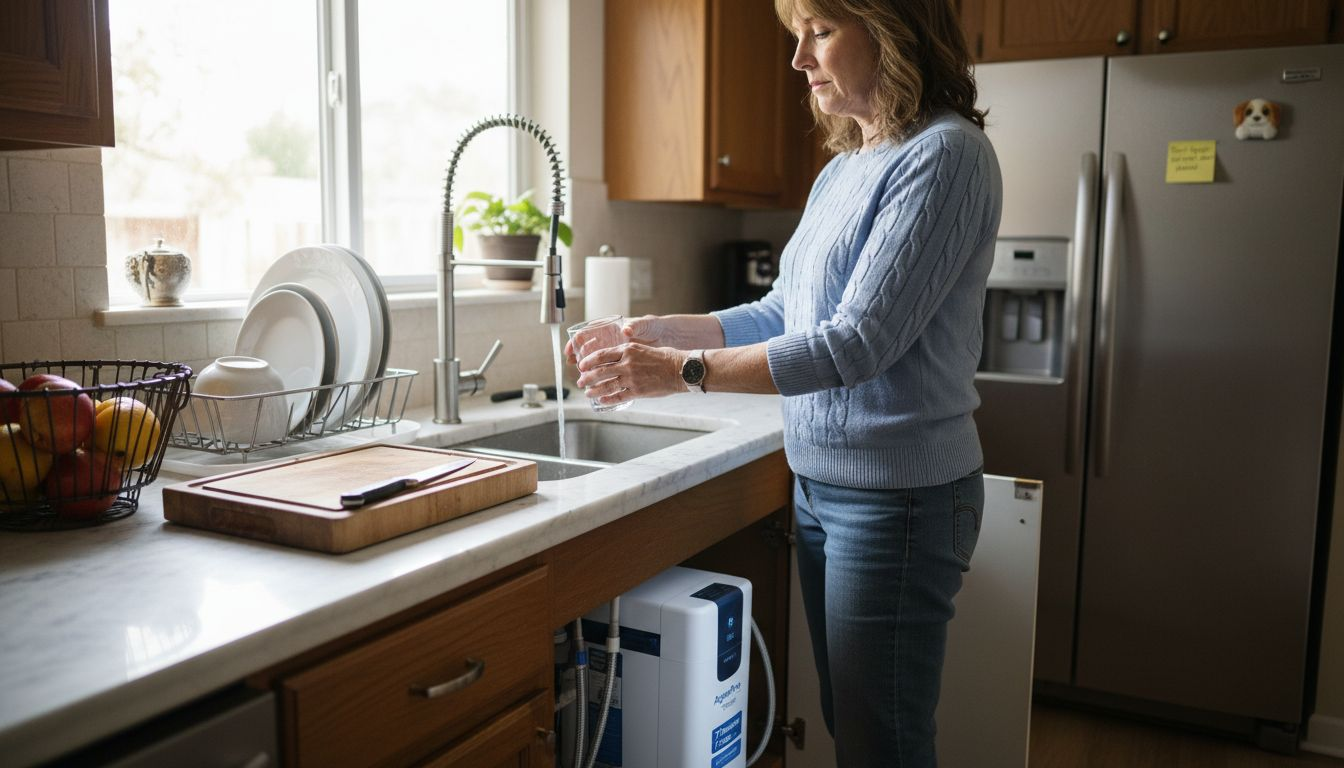
Finding reliable filtration solutions can feel overwhelming when every family wants safe drinking water and clean indoor air. Certified filtration stands out as a trustworthy choice, offering rigorous independent testing that verifies contaminant reduction and safety standards. For health-conscious American homeowners, certified filtration systems provide confidence through proven protection against water quality risks, making it easier to select the right technology for lasting wellness and peace of mind.
Table of Contents
- What Certified Filtration Means For Homeowners
- Types Of Certified Filtration Systems Explained
- Certification Standards And Why They Matter
- Key Benefits For Health And Safety
- Comparing Certified And Non-Certified Options
Key Takeaways
| Point | Details |
|---|---|
| Certified Filtration Ensures Quality | Homeowners benefit from systems that are rigorously tested for contaminant removal and safety, providing peace of mind. |
| Diverse Technologies Available | Multiple types of certified filtration systems are designed to tackle different water quality issues, allowing tailored solutions for households. |
| Health and Safety Protection | Certified systems significantly reduce harmful contaminants, contributing to long-term health and improved water quality. |
| Importance of Certification | Selecting certified filtration systems is crucial for ensuring effectiveness and safety, as non-certified options may pose health risks. |
What Certified Filtration Means for Homeowners
Certified filtration represents a critical standard of water treatment that goes far beyond ordinary filtering methods. Unlike basic water filters, certified filtration systems undergo rigorous independent testing to validate their performance and safety. Independent certification testing ensures these systems reliably remove specific contaminants and meet established health protection standards.
For homeowners, certified filtration provides several key advantages:
- Verified contaminant reduction capabilities
- Scientifically validated performance metrics
- Compliance with recognized safety standards
- Independent third-party evaluation
- Enhanced protection against water quality risks
The certification process involves comprehensive laboratory assessments that examine multiple dimensions of water treatment performance. Water treatment experts examine how effectively a system removes potential health hazards like heavy metals, microorganisms, chemicals, and particulate matter. Home water treatment solutions are meticulously evaluated to ensure they meet strict regulatory health goals.
Certification marks on product packaging provide homeowners with confidence that the filtration system has been scientifically tested and proven effective.
Understanding certification helps consumers make informed decisions about protecting their household water supply. By selecting certified filtration systems, homeowners can proactively address potential water quality concerns and safeguard their family’s health.
Pro tip: Always verify the specific certification standards when selecting a water filtration system, and check which contaminants are covered by the certification.
Types of Certified Filtration Systems Explained
Certified filtration systems encompass a diverse range of technologies designed to address different water quality challenges in residential settings. Water filtration technologies offer homeowners multiple options for protecting their water supply, each with unique capabilities and targeted contaminant removal strategies.
The primary types of certified filtration systems include:
- Granular Media Filters
- Rapid sand filters
- Slow sand filters
- Activated carbon filters
- Membrane Filtration Systems
- Microfiltration
- Ultrafiltration
- Nanofiltration
- Reverse osmosis
- Specialized Filtration Technologies
- Ceramic filters
- Bio-sand filters
- Ultraviolet treatment systems
Certified filtration units come in various configurations to suit different household needs, including:
Here’s a quick reference to common certified filtration technologies and the contaminants they are best suited for:
| Filtration Type | Main Contaminant Removal | Best Suited Scenarios |
|---|---|---|
| Granular Media Filters | Chlorine, taste, odor | General household water use |
| Membrane Filtration | Lead, PFAS, bacteria | High-risk or complex water issues |
| Specialized Technologies | Microbes, heavy metals | Well water or rural supplies |
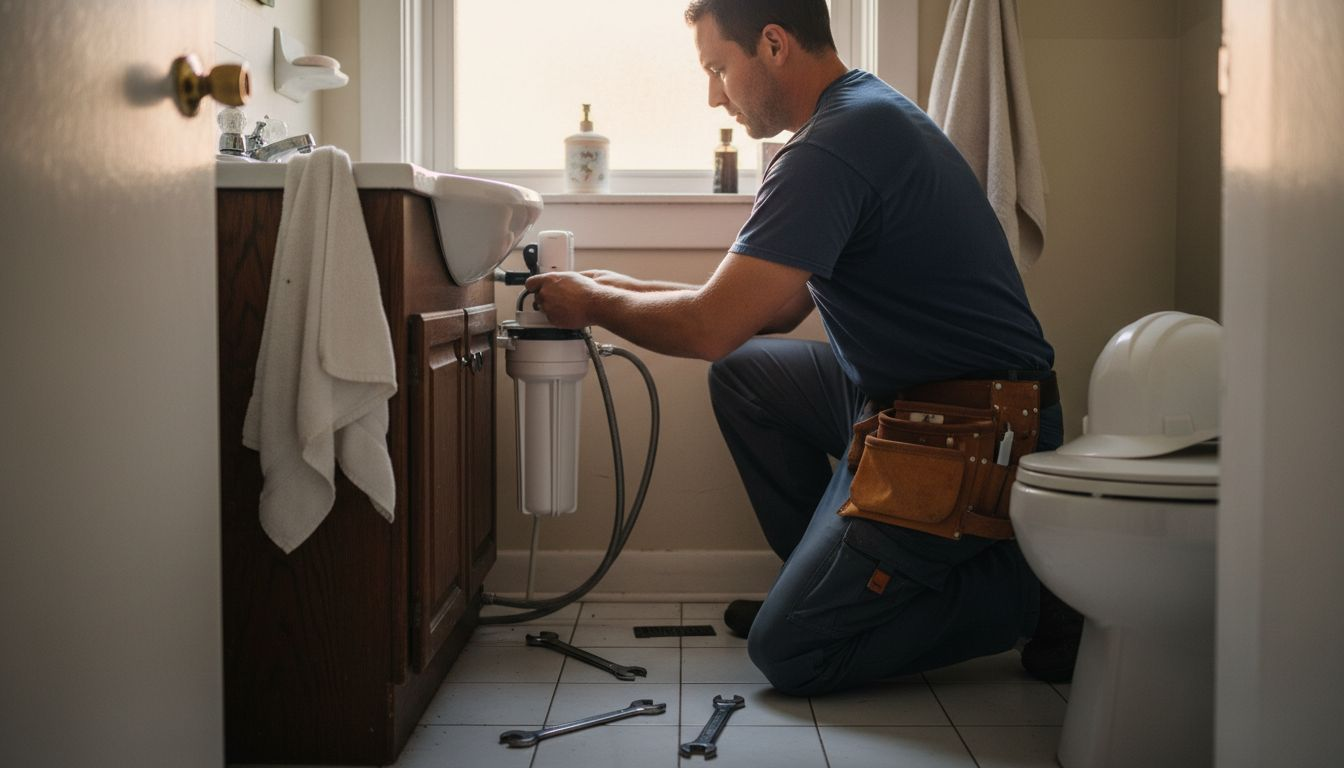
- Under-sink filtration units
- Water pitcher filters
- Shower filters
- Whole-house water softeners
- Countertop filtration systems
Each filtration system employs unique mechanisms to target specific water contaminants, ensuring comprehensive protection for household water supplies.
The selection of an appropriate filtration system depends on multiple factors, including local water quality, specific contaminant concerns, and household water usage patterns. Homeowners should consider their unique water treatment requirements when choosing a certified filtration solution that provides optimal performance and safety.
Pro tip: Conduct a professional water quality test before selecting a filtration system to identify the specific contaminants present in your home’s water supply.
Certification Standards and Why They Matter
Certification standards represent the critical backbone of water treatment safety, providing homeowners with a reliable framework for evaluating water filtration technologies. Comprehensive testing protocols ensure that water treatment systems meet rigorous performance and health protection requirements before reaching consumer markets.
Key certification standards include several important categories:
- NSF/ANSI Standard 42: Aesthetic effects (taste, odor, chlorine reduction)
- NSF/ANSI Standard 53: Health effects (lead, mercury, volatile organic compounds)
- NSF/ANSI Standard 58: Reverse osmosis systems
- NSF/ANSI Standard 61: Drinking water system components
- NSF/ANSI Standard 372: Lead content compliance
Water treatment standards are developed through a collaborative process involving multiple stakeholders, including:
- Scientific researchers
- Public health experts
- Regulatory agencies
- Water treatment professionals
- Consumer safety advocates
Certification standards transform complex scientific testing into a straightforward assurance of water treatment system reliability and safety.
These standards go beyond simple performance testing, addressing critical aspects of water treatment such as material safety, structural integrity, and consistent contaminant reduction. Homeowners can trust certified systems to provide a scientifically validated approach to protecting their household water supply from potential health risks.
Pro tip: Always verify the specific NSF certification standards when selecting a water filtration system to understand exactly what contaminants the system is designed to remove.
Key Benefits for Health and Safety
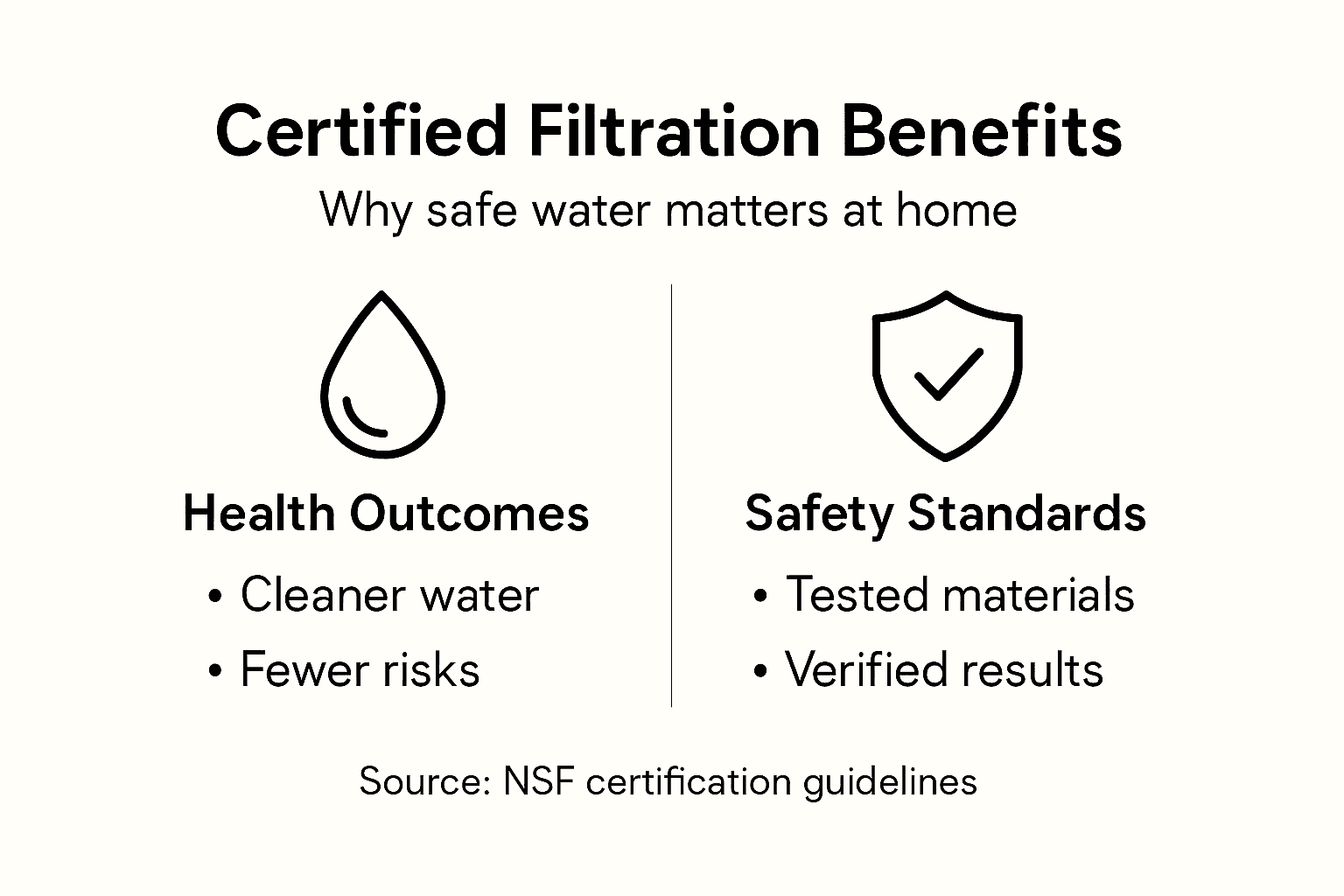
Certified filtration systems provide comprehensive protection against a wide range of potential health hazards lurking in household water supplies. Water filtration health benefits extend far beyond simple taste improvement, offering critical defense against dangerous contaminants that can compromise family wellness.
Key health protection benefits include:
- Contaminant Reduction
- Lead removal
- Chlorine elimination
- Pesticide filtration
- Microbiological pathogen elimination
- Chemical Protection
- Heavy metal reduction
- Volatile organic compound removal
- Emerging chemical contaminant filtering
- Long-Term Health Safeguards
- Reduced chronic disease risks
- Improved overall water quality
- Enhanced immune system protection
Emerging contaminant protection has become increasingly critical, particularly for addressing complex chemical challenges:
- Filtering ‘forever chemicals’ like PFAS
- Reducing exposure to industrial pollutants
- Mitigating potential long-term health risks
- Protecting vulnerable population groups
- Providing scientifically validated defense mechanisms
Certified filtration transforms water from a potential health risk into a reliable source of protection and wellness.
The comprehensive approach of certified filtration systems goes beyond simple water treatment, creating a proactive health defense mechanism for households. By systematically removing harmful substances, these systems provide peace of mind and tangible health benefits that extend far beyond basic water consumption.
Pro tip: Consider conducting an annual water quality test to understand your specific contamination risks and select the most appropriate certified filtration system for your household.
Comparing Certified and Non-Certified Options
Water filtration systems vary dramatically in their effectiveness and safety, with certified options offering a substantial advantage over non-certified alternatives. Water filter validation reveals critical differences that can significantly impact household water quality and health protection.
Key distinctions between certified and non-certified water filters include:
- Testing and Verification
- Certified: Rigorous third-party testing
- Non-Certified: Limited or no independent verification
- Contaminant Reduction
- Certified: Precise, documented removal capabilities
- Non-Certified: Inconsistent and unverified performance
- Safety Standards
- Certified: Meets NSF/ANSI established criteria
- Non-Certified: Lacks comprehensive safety oversight
Product certification requirements reveal crucial differences in quality assurance:
- Regular performance inspections
- Standardized testing protocols
- Material safety evaluations
- Durability assessments
- Compliance with health regulations
The difference between certified and non-certified filters is not just a matter of preference, but a critical choice for household health and safety.
Homeowners should recognize that non-certified filters may compromise water quality, potentially exposing families to harmful contaminants that certified systems are designed to remove. The minimal additional cost of certified filtration represents an essential investment in long-term health and peace of mind.
Compare how certified and non-certified water filtration systems differ in critical areas:
| Factor | Certified Filters | Non-Certified Filters |
|---|---|---|
| Verification Process | Independently tested for efficacy | May lack external validation |
| Safety Compliance | Meets strict health and safety standards | No guarantee of material safety |
| Ongoing Oversight | Subject to regular inspections | Rarely monitored after sale |
| Consumer Confidence | High trust due to certifications | Lower assurance about effectiveness |
Pro tip: Always request and review the specific certification documentation when purchasing a water filtration system to understand its exact contaminant removal capabilities.
Elevate Your Home Health with Certified Filtration Solutions
Understanding the true value of certified filtration means recognizing its role in protecting your family against harmful contaminants every day. The article highlights the importance of choosing filtration systems that have undergone rigorous testing to provide verified contaminant reduction and peace of mind. If you are concerned about the quality and safety of your household water supply, taking action with a trusted solution is essential.
At Coway Water Purifier, we offer a range of advanced water filtration systems designed to meet strict health standards and deliver consistent, scientifically validated protection. From sleek countertop units to robust under-sink installations, our products combine certified filtration technology with features like UV sterilization to safeguard your home effectively. Discover how you can transform your water into a source of wellness by exploring our Uncategorized Archives to learn more about our innovative offerings.
Don’t compromise when it comes to your family’s health. Visit https://cowayswaterpurifier.com today and find the certified filtration system that fits your unique needs. Act now to enjoy cleaner, safer water with free delivery and professional installation from Coway. Protect your home with proven technology designed for your peace of mind.
Frequently Asked Questions
What is certified filtration?
Certified filtration refers to water treatment systems that have undergone independent testing to verify their performance in removing specific contaminants and ensuring safety for drinking water.
Why is certified filtration important for home health?
Certified filtration is crucial as it provides verified contaminant reduction capabilities, compliance with safety standards, and enhanced protection against water quality risks, thereby safeguarding the health of your family.
What are the key benefits of using certified filtration systems?
The key benefits include effective removal of harmful substances, improved overall water quality, reduced risks of chronic diseases, and enhanced immune system protection against pathogens and chemical contaminants.
How do certified filtration systems differ from non-certified options?
Certified filtration systems undergo rigorous third-party testing for effectiveness and safety, ensuring documented contaminant removal capabilities, while non-certified options may lack verification and pose potential health risks.
Recommended
- Role of Filtration in Health – Why It Matters – Coway Water Purifier
- Advanced Filtration Technology: Cleaner Home Wellness – Coway Water Purifier
- Why Choose Certified Purifiers for Home Safety – Coway Water Purifier
- Understanding the Role of Filtration Technology – Coway Water Purifier
- Filtersystemer i flysøgning – Nøglen til bedre tilbud
