
Uncategorized
Waterborne Contamination – How It Impacts Home Health
Jan
Finding clean, safe water for your American home isn’t as simple as turning on the tap. Waterborne contamination hides in the pipes, often coming from sources you’d never expect, including sewage leaks, agricultural runoff, and aging infrastructure. These hidden threats can put your family at serious risk, with harmful pathogens that cause illness even when water looks clear. Discover how understanding the sources and types of contamination empowers you to choose the most effective protection for your household’s health.
Table of Contents
- Defining Waterborne Contamination And Its Sources
- Major Types Of Waterborne Contaminants
- How Contamination Enters U.S. Home Water Systems
- Health Risks Linked To Waterborne Pathogens
- Effective Prevention And Filtration Methods
Key Takeaways
| Point | Details |
|---|---|
| Understanding Contamination Sources | Waterborne contamination can arise from sewage leaks, runoff, and aging infrastructure, impacting your home’s water supply. Regular testing and awareness are essential for prevention. |
| Types of Waterborne Contaminants | Contaminants include physical (sediment), chemical (heavy metals), microbial (bacteria and viruses), and radiological elements, each presenting distinct health risks. Identifying specific contaminants is vital for effective treatment. |
| Health Risks of Pathogens | Waterborne pathogens can cause serious health issues like gastrointestinal illness, liver damage, and long-term health complications, particularly for vulnerable populations. Immediate medical consultation is recommended following symptoms of contamination. |
| Effective Filtration Methods | A layered filtration approach combining activated carbon, reverse osmosis, and UV disinfection offers comprehensive protection against various contaminants. Tailored filtration systems based on water quality testing improve safety. |
Defining Waterborne Contamination And Its Sources
Waterborne contamination occurs when harmful pathogens like bacteria, viruses, and parasites enter your water supply. These microscopic invaders don’t announce themselves. You can’t see them, taste them, or smell them. Yet they can make your family seriously ill.
The sources of contamination are surprisingly varied. Sewage leaks rank at the top of the list, but that’s just the beginning. Runoff containing animal or human waste flows into water systems during heavy rain. Inadequately treated drinking water systems fail to remove all pathogens before water reaches your home. Environmental factors affecting pathogen ecology also play a role, with rainfall, runoff, and human settlement activities all contributing to contamination risks.
Your home’s water can come from multiple sources. Municipal water systems serve most American homeowners, but some rely on private wells. Others use recreational water sources. Each pathway has unique contamination vulnerabilities. Aging pipes in older neighborhoods create cracks where contaminants seep in. A single break in your water line becomes a direct entry point for dangerous pathogens.
Human activity drives much of this problem. As towns expand and rainfall patterns shift, contamination sources multiply. Livestock operations, industrial facilities, and even residential septic systems all contribute. The pathogens originating from sewage and contaminated runoff spread through groundwater and surface water systems at alarming rates.
What makes this particularly concerning is how quickly contamination can occur. You might have perfectly safe water one day and contaminated water the next. Storm events overwhelm treatment facilities. Infrastructure failures happen without warning. Weather changes alter which contaminants reach your water supply.
Understanding these sources helps you take protective action. You can’t control what happens in municipal water treatment plants or your neighborhood’s aging pipes. But you can control what reaches your family’s glasses.
Pro tip: Test your water annually even if your municipal supplier says it’s safe, and maintain awareness of recent water advisories in your area, which often signal contamination events before you’d notice any changes yourself.
Major Types Of Waterborne Contaminants
Waterborne contaminants fall into four distinct categories, and understanding each one matters for your family’s health. Physical contaminants include sediment, sand, and suspended particles that cloud your water and can harbor pathogens. Chemical contaminants range from heavy metals like lead and arsenic to pesticides and industrial chemicals. Microbial contaminants are the bacteria, viruses, and protozoa that cause waterborne illnesses. Radiological contaminants involve radioactive elements present naturally or released through human activity.
Heavy metals pose one of the most serious risks in American homes. Lead leaches from old pipes and solder joints, accumulating in your body over time. Arsenic seeps naturally from geological deposits or arrives through agricultural runoff. These metals have no taste, color, or odor, making them invisible threats. Children exposed to lead face developmental delays and learning problems. Adults develop kidney damage and increased cancer risk from prolonged exposure.
Seven major legacy and emerging contaminants dominate U.S. drinking water concerns. Beyond lead and arsenic, disinfection by-products form when treatment chemicals react with organic matter in water. Nitrates from agricultural fertilizer contaminate groundwater. PFAS (per- and polyfluorinated alkyl substances) from industrial manufacturing and food packaging accumulate in drinking water and human tissue. Uranium and fracking-related substances present emerging risks in certain regions.
Chemical contaminants often go undetected for years. Pesticide residues from crop spraying wash into surface water and groundwater. Industrial discharge introduces solvents and other toxic chemicals. Disinfection by-products like chlorine compounds form during the treatment process itself, creating a paradox where your water treatment creates new contaminants.
Microbial threats multiply quickly. Bacteria like E. coli cause acute illness with symptoms appearing within hours. Viruses persist longer in water and spread more efficiently. Protozoa like Cryptosporidium resist chlorine treatment, requiring advanced filtration to remove them.
Your exposure risk depends on multiple factors. Where you live determines which contaminants are most likely. Your home’s age and pipe material affect chemical leaching. Your water source (municipal, well, or recreational) shapes contamination patterns.
Here’s a summary of key waterborne contaminant types and their main examples:
| Contaminant Type | Common Examples | Main Health Risks |
|---|---|---|
| Physical | Sand, sediment | Can harbor pathogens |
| Chemical | Lead, pesticides, PFAS | Nerve damage, cancer risk |
| Microbial | E. coli, Giardia | Stomach illness, dehydration |
| Radiological | Uranium, radon | Increased cancer risk |
Pro tip: Request a water quality report from your municipality or conduct independent testing to identify which specific contaminants threaten your household, then choose filtration systems targeting those particular threats.
How Contamination Enters U.S. Home Water Systems
Contamination reaches your home through multiple pathways, often without your knowledge. Your water travels from source to tap through an aging network of pipes, treatment plants, and distribution systems. At each stage, contamination can slip through.
Source water contamination starts the problem. Agricultural runoff carries fertilizers, pesticides, and animal waste into rivers and groundwater. Industrial facilities discharge chemical byproducts directly into surface water. Failing septic systems leak bacteria and viruses into soil, which percolates downward toward underground aquifers. Even landfills leach contaminants that migrate through soil layers into groundwater below.
Municipal water treatment plants remove many contaminants, but not all. Water treatment technology has limits. Some emerging contaminants like PFAS resist standard treatment processes. Chlorine disinfection kills most bacteria and viruses, yet certain parasites survive. After treatment, your water enters the distribution system, where new problems emerge.
Aging infrastructure creates massive vulnerabilities. Pipes installed decades ago corrode and crack, allowing contaminated groundwater to seep inward. A single break in your water line becomes a direct gateway for pathogens. Cross-connections between sewer lines and drinking water pipes occur more often than municipalities admit. Heavy rainfall overwhelms aging systems, forcing raw sewage to backflow into homes. Leaking underground storage tanks and septic system failures represent major sources of groundwater contamination affecting private wells and surrounding municipal supplies.
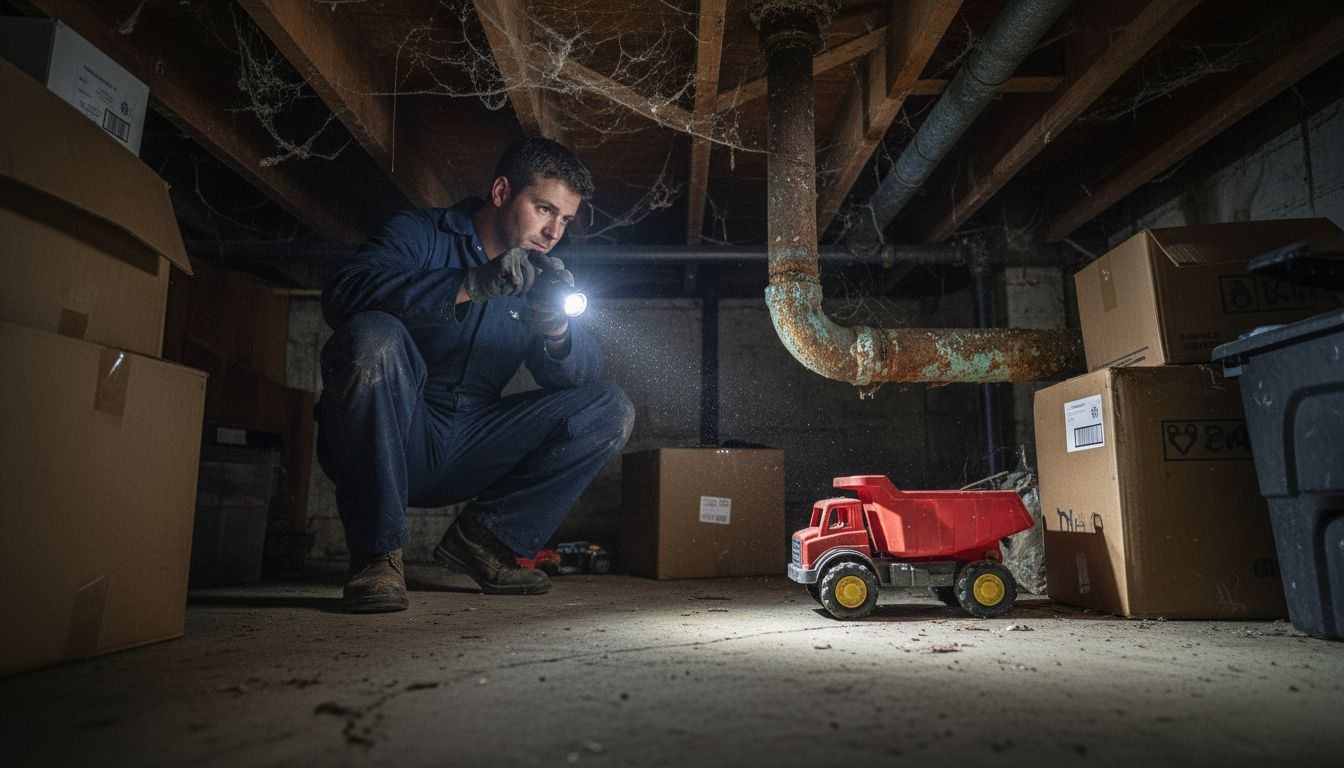
Your household plumbing compounds the problem. Lead solder joints and brass fittings dissolve slowly into your water. If your home was built before 1986, lead pipes may connect your meter to the main line. Stagnant water sitting overnight in pipes leaches more metals. Biofilm accumulates inside pipes, harboring bacteria that survive chlorine treatment.
Private well owners face greater risks than municipal customers. Wells lack the regulatory oversight that municipal systems receive. Contamination from nearby septic systems, livestock operations, or agricultural chemicals can reach your well without any warning.
Pro tip: Have your water tested annually and inspect visible pipes for corrosion or discoloration, as these visual signs often precede contamination problems by months.
Health Risks Linked To Waterborne Pathogens
Waterborne pathogens don’t just cause mild stomach upset. They trigger serious illnesses that can land you in the hospital or worse. Bacteria, viruses, and parasites each attack your body differently, creating distinct health threats that depend on which pathogen contaminated your water.
Bacterial infections like E. coli and Legionella cause gastrointestinal distress within hours. Cramping, diarrhea, and vomiting deplete your body’s fluids and nutrients. Legionella pneumophila doesn’t just affect your stomach; it invades your lungs, causing Legionnaires’ disease with high fever, cough, and pneumonia. Vulnerable populations including young children, elderly people, and those with weakened immune systems face life-threatening complications from bacterial infections.
Viral pathogens spread faster and persist longer in water. Norovirus causes sudden, violent vomiting and diarrhea that spreads rapidly through families and communities. Hepatitis A damages your liver, potentially causing jaundice and long-term liver dysfunction. Rotavirus strikes hardest in young children, causing severe dehydration that requires hospitalization. These viruses resist chlorine treatment, meaning your municipal water system’s primary defense fails against them.
Parasitic infections develop slowly and insidiously. Cryptosporidium and Giardia burrow into your intestinal walls, causing chronic diarrhea, malabsorption, and nutrient deficiencies. Giardia produces foul-smelling gas and bloating that can last weeks. These parasites particularly threaten people with compromised immunity. Once infected, you may shed parasites for months, potentially contaminating others through person-to-person contact.
Over 7 million waterborne infectious disease cases occur annually in the United States, with seasonal patterns and geographic variations determining your actual risk. Those relying on groundwater face elevated exposure, especially in agricultural regions where runoff contaminates wells.
Children under five and adults over sixty-five suffer the most severe outcomes. Pregnant women face risks to their developing babies. Cancer patients and transplant recipients experience infections that healthy immune systems would easily fight. Even seemingly minor infections in these groups can become fatal.
Pro tip: If you experience sudden diarrhea, vomiting, or stomach pain after water discoloration or boil water notices, consult a doctor immediately and mention potential waterborne exposure to guide testing and treatment.
Effective Prevention And Filtration Methods
Preventing waterborne contamination starts with understanding your specific threats. One solution doesn’t fit every home because contamination varies by location, water source, and infrastructure age. A comprehensive approach combines multiple strategies to catch contaminants your municipal treatment misses.
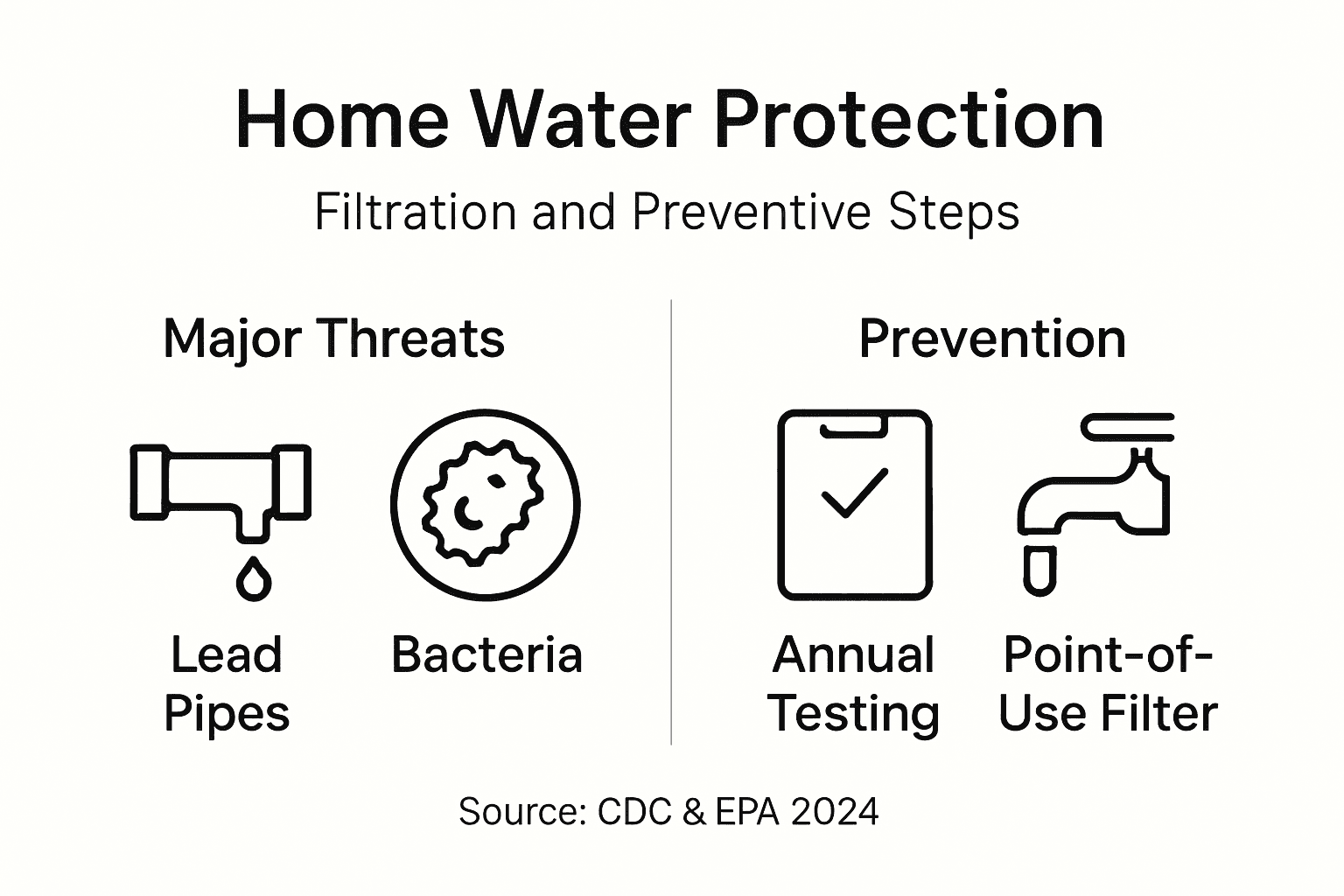
Activated carbon filters rank among the most practical first defenses. They work by adsorption, trapping organic chemicals, disinfection by-products, chlorine, and many pesticides. These filters excel at improving taste and odor while removing certain volatile organic compounds. However, they don’t eliminate microbial pathogens or heavy metals like lead and arsenic, so they work best as part of a layered system.
Reverse osmosis systems provide comprehensive protection against multiple contaminant classes. Point-of-use reverse osmosis systems force water through a semi-permeable membrane under pressure, effectively removing lead, arsenic, PFAS, bacteria, and viruses. The tradeoff is wastewater generation and slower flow rates. These systems work best at your kitchen sink where you drink and cook, protecting your family’s most critical water needs.
UV disinfection targets microbial threats specifically. Ultraviolet light damages the DNA of bacteria, viruses, and protozoa, rendering them unable to reproduce or cause infection. UV works rapidly without adding chemicals to your water. It doesn’t provide residual protection as water travels through pipes, so combining UV with other methods strengthens your defense.
Compare popular home water filtration methods by effectiveness and limitations:
| Filtration Method | Removes Most Chemicals | Removes Microbes | Main Limitation |
|---|---|---|---|
| Activated Carbon | Yes, organic chemicals | No | Doesn’t capture microbes |
| Reverse Osmosis | Yes, broad range | Yes, most | Wastes water, slow flow |
| UV Disinfection | No | Yes, very effective | No chemical reduction |
Membrane filtration technologies offer varying levels of protection depending on pore size. Microfiltration removes bacteria and some parasites. Ultrafiltration eliminates viruses and smaller particles. Nanofiltration approaches reverse osmosis effectiveness while reducing wastewater. These methods target specific microbial pathogens that standard chlorine treatment fails to eliminate.
Test your water before choosing a system. Water quality monitoring through regular testing reveals exactly which contaminants you’re fighting. Don’t guess. A water quality report from your municipality or independent laboratory testing identifies your specific threats, allowing you to select filtration matched to your actual needs rather than over-treating or under-protecting.
Pro tip: Install filtration at point-of-use (where you drink and cook) rather than attempting whole-house treatment, as targeted systems work more efficiently and require less maintenance than whole-home alternatives.
Protect Your Home From Hidden Waterborne Threats Today
Waterborne contamination poses real and unseen dangers to your family’s health. From lead and arsenic to harmful bacteria and parasites, your water may carry risks that standard municipal treatment cannot fully eliminate. Your goal is clear: ensure every glass of water is safe, pure, and free from invisible contaminants. This is where choosing an advanced filtration system tailored to your home’s specific needs becomes essential. Coway’s water purifiers combine cutting-edge technologies such as activated carbon filtration and UV sanitization to combat chemical, microbial, and radiological contaminants effectively.
Don’t wait until a contamination event threatens your household wellbeing. Explore the variety of solutions available on Coway’s water purifier collection to find a perfect fit—whether countertop, under-sink, or large-capacity units. Our products come with expert installation and maintenance support so your family can enjoy consistently safe water without worry. Take control of your home’s water quality by visiting Coway Water Purifier now and make the health of your loved ones a priority.
Frequently Asked Questions
What are the main sources of waterborne contamination?
Waterborne contamination primarily comes from sewage leaks, agricultural runoff, industrial discharges, and failing septic systems. Aging pipes and infrastructure also contribute to the problem by allowing contaminants to seep into drinking water.
How can I identify the contaminants in my water supply?
You can identify contaminants by requesting a water quality report from your municipality or by conducting independent water testing. Regular monitoring helps you understand specific threats and choose appropriate filtration systems.
What types of filtration methods are effective against waterborne contaminants?
Effective filtration methods include activated carbon filters, reverse osmosis systems, and UV disinfection. Each method targets different types of contaminants, so a combination of systems often provides the best protection for your home’s water supply.
How can I protect my family from waterborne pathogens?
You can protect your family by testing your water regularly, using appropriate filtration systems, and being aware of water advisories in your area. Installing point-of-use filters at your kitchen sink is also an effective way to reduce exposure to harmful contaminants.
Recommended
- Health Benefits of Air and Water Purification at Home – Coway Water Purifier
- Indoor vs Outdoor Air Pollution – How It Impacts Home Health – Coway Water Purifier
- Understanding Why Test Drinking Water for Safety – Coway Water Purifier
- Role of Microfiltration in Safer Home Water – Coway Water Purifier
- Spray Booth Contamination – Impact on Paint Quality
- Eco Friendly Cleaning Tips For Busy European Mums – The Zoofamily
