
Uncategorized
Role of Purification in Ensuring Customer Safety
Feb
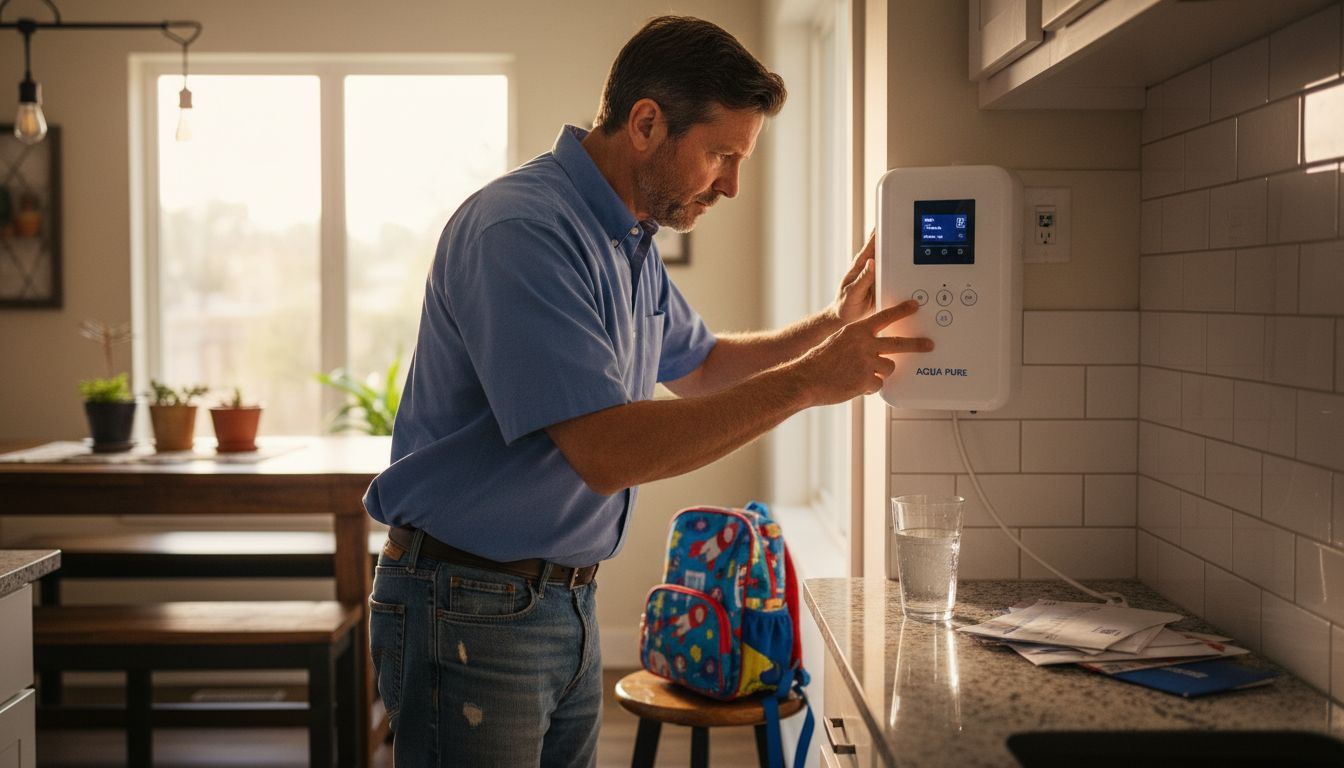
Every parent faces the challenge of finding trustworthy ways to protect their family’s health at home. Clean drinking water is central to daily wellness, especially for households with young children who are more vulnerable to contaminants. By investing in a reliable water purification system, American families can minimize health risks and support long-term well-being. This guide clarifies how advanced purification processes make water safer and why informed choices matter for your family’s ongoing safety.
Table of Contents
- Purification Defined And Its Customer Impact
- Types Of Home Purification Systems
- How Filtration And Sanitization Work
- Health Risks Of Unpurified Water And Air
- Safety Standards And Regulatory Compliance
Key Takeaways
| Point | Details |
|---|---|
| Importance of Water Purification | Water purification is essential for removing contaminants to ensure safe drinking water and protect human health. |
| Types of Home Purification Systems | Home systems vary from physical filtration to advanced technology, each addressing specific contaminants and maintenance needs. |
| Health Risks of Contaminated Water and Air | Unsafe water and air exposure can lead to serious health risks, affecting vulnerable populations the most. |
| Regulatory Compliance in Purification | Compliance with safety standards is crucial for manufacturers to ensure the effectiveness and safety of purification systems. |
Purification Defined And Its Customer Impact
Water purification represents a critical scientific process designed to remove contaminants, ensuring safe and healthy drinking water for consumers. This systematic approach transforms potentially hazardous liquid into a clean, consumable resource through multiple advanced filtration techniques. Comprehensive health standards guide these complex removal procedures.
The primary goal of purification extends far beyond simple cleaning – it’s about protecting human health from invisible threats. Water can contain numerous potentially dangerous elements:
- Microbiological contaminants like bacteria and viruses
- Chemical pollutants including heavy metals
- Sedimentary particles
- Organic compounds
- Dissolved minerals and salts
Each contaminant requires specific removal strategies, making purification a sophisticated and nuanced scientific discipline. Advanced filtration technologies employ multiple stages to systematically eliminate these potential health risks, ensuring water meets stringent safety standards.
Customers benefit from purification through significantly reduced health risks and improved overall wellness. Water quality directly impacts human health, affecting everything from immune system functionality to long-term physiological development. Pure water consumption can prevent numerous waterborne diseases and support optimal bodily functions.
Pro tip: Always verify your water purification system’s certification and maintenance records to ensure maximum safety and effectiveness.
Types Of Home Purification Systems
Home water purification systems represent a critical defense against potential health risks, offering multiple approaches to ensuring safe drinking water. Home water purification methods typically involve complex strategies designed to remove contaminants through various technological mechanisms. Understanding these systems helps homeowners make informed decisions about protecting their family’s health.
The primary types of home purification systems include:
- Physical Filtration Systems
- Sediment filters
- Carbon filters
- Ceramic filters
- Chemical Disinfection Methods
- Chlorination
- UV sterilization
- Iodine treatment
- Advanced Technological Systems
- Reverse osmosis
- Distillation units
- Activated carbon purification
Water purification techniques vary based on specific contamination risks and household requirements. Physical filtration methods typically remove larger particles and sediments, while chemical treatments target microbiological threats like bacteria and viruses. Advanced technological systems combine multiple approaches to provide comprehensive water safety.
Each purification system offers unique advantages, making selection dependent on local water quality, potential contaminants, and individual household needs. Water purification represents a sophisticated process requiring careful evaluation of technological capabilities and specific environmental challenges.
Here’s how common home purification systems compare:
| System Type | Typical Uses | Contaminants Addressed | Maintenance Needs |
|---|---|---|---|
| Physical Filtration | Everyday drinking water | Large particles, sediments | Replace filters regularly |
| Chemical Disinfection | Emergency water safety | Bacteria, viruses, parasites | Monitor chemical levels |
| Advanced Technology | Comprehensive solutions | Wide range, including chemicals | Periodic professional checks |
Pro tip: Conduct a professional water quality test before selecting your home purification system to ensure you choose the most appropriate technology for your specific water source.
How Filtration And Sanitization Work
Water purification is a sophisticated multi-stage process designed to transform potentially contaminated water into safe drinking liquid. Water treatment techniques involve intricate scientific methods that systematically remove harmful substances and eliminate dangerous microorganisms.
The water purification process typically encompasses several critical stages:
- Particle Removal Stages
- Coagulation
- Flocculation
- Sedimentation
- Physical filtration
- Microorganism Elimination Stages
- Chemical disinfection
- UV light treatment
- Chlorination
- Thermal sanitization
Water sanitization methods work through complementary mechanisms. Physical filtration removes visible particles and sediments, while chemical and ultraviolet treatments target invisible microbiological threats. This dual approach ensures comprehensive water safety by addressing both physical and biological contamination risks.
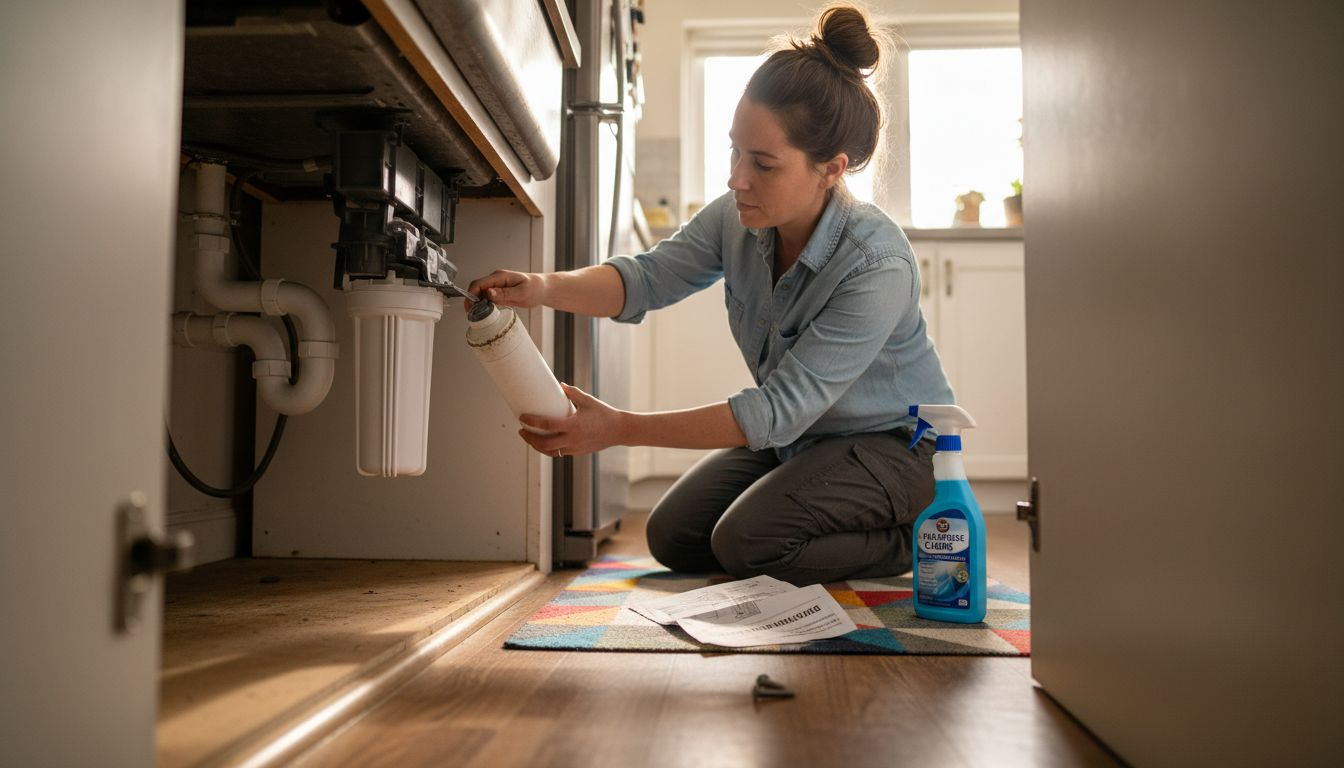
Each purification technique serves a unique purpose in neutralizing potential health hazards. Filtration acts as a physical barrier, trapping larger contaminants, while sanitization processes destroy microscopic organisms that could cause serious illness. The synergy between these methods creates a robust defense against waterborne health risks.
Pro tip: Regularly replace water filtration system components to maintain optimal performance and ensure consistent water quality protection.
Health Risks Of Unpurified Water And Air
Unsafe water and contaminated air pose significant health risks that can impact families in profound and often invisible ways. Home health risks extend far beyond immediate symptoms, potentially causing long-term medical complications that emerge gradually over time.
Unpurified water and air can introduce multiple dangerous health threats:
- Waterborne Health Risks
- Gastrointestinal infections
- Parasitic diseases
- Bacterial contamination
- Viral transmission
- Airborne Health Hazards
- Respiratory infections
- Allergic reactions
- Chronic lung inflammation
- Compromised immune response
Indoor pollution sources include multiple hidden contaminants like microorganisms, chemical residues, heavy metals, and particulate matter. These microscopic threats can infiltrate human biological systems, potentially causing severe health complications ranging from acute infections to chronic respiratory conditions.
The cumulative impact of continuous exposure to unfiltered water and contaminated air represents a silent but serious health challenge. Vulnerable populations like children, elderly individuals, and those with compromised immune systems face heightened risks from these environmental contaminants.
A quick summary of health risks associated with poor purification:
| Risk Source | Short-Term Effects | Long-Term Effects | Vulnerable Groups |
|---|---|---|---|
| Unpurified Water | Stomach illnesses, infections | Organ damage, chronic disease | Children, elderly |
| Polluted Air | Breathing issues, allergies | Asthma, reduced immunity | Elderly, immune-compromised |
Pro tip: Invest in comprehensive home purification systems and conduct periodic indoor air and water quality assessments to proactively protect your family’s health.
Safety Standards And Regulatory Compliance
Safety standards and regulatory compliance represent critical frameworks designed to protect consumers from potential health risks associated with water and air purification technologies. Respiratory protection standards demonstrate the comprehensive approach government agencies take to ensure public safety across multiple domains.
Key regulatory requirements for purification systems include:
- Design and Manufacturing Standards
- Material safety specifications
- Performance testing protocols
- Quality control benchmarks
- Operational Compliance Guidelines
- Regular maintenance requirements
- Contamination prevention measures
- Documentation and reporting standards
- Health and Safety Regulations
- Filtration efficiency requirements
- Microbiological testing mandates
- Chemical leaching prevention
Government agencies like the Environmental Protection Agency (EPA) and Occupational Safety and Health Administration (OSHA) establish rigorous guidelines that manufacturers must meet. These standards encompass comprehensive evaluation processes, including extensive testing for contaminant removal, material safety, and long-term performance reliability.
Purification technology providers must continuously demonstrate compliance through multiple layers of scientific validation. This involves sophisticated testing protocols that assess not just immediate performance, but potential long-term health impacts of filtration and sanitization technologies.
Pro tip: Request detailed certification documentation from purification system manufacturers to verify their compliance with current safety standards and regulatory requirements.
Protect Your Family With Trusted Purification Solutions
Ensuring the safety of your home’s water and air is no longer optional. The article highlights critical challenges in removing invisible contaminants and harmful microorganisms that threaten your family’s health every day. You need a purification system that offers advanced filtration technology and proven sanitization methods like UV treatment for comprehensive protection.
Explore how Coway’s range of water purifiers tackles these exact problems with scientifically backed solutions designed for every household. From countertop to large-capacity units, each system is crafted to eliminate bacteria, chemical pollutants, and sediments while meeting rigorous safety standards. Discover peace of mind knowing that your drinking water meets the highest health and safety benchmarks.
Ready to elevate your home wellness with reliable purification? Visit Coway Water Purifier to browse our full product lineup. Learn more about our innovative technologies in the Uncategorized Archives – Coway Water Purifier and take the first step towards healthier living today.
Frequently Asked Questions
What is water purification and why is it important?
Water purification is a process designed to remove contaminants from water, ensuring it is safe for drinking. It is crucial for protecting human health by eliminating harmful microorganisms, chemical pollutants, and other dangerous elements that can affect overall wellness.
What are the common methods of home water purification?
Common methods include physical filtration systems (like sediment and activated carbon filters), chemical disinfection methods (such as chlorination and UV sterilization), and advanced technologies (like reverse osmosis and distillation). Each method targets specific contaminants and has unique benefits for ensuring safe drinking water.
How does water filtration and sanitization work?
Water purification typically involves multiple stages: particle removal through coagulation and physical filtration, followed by microorganism elimination using chemical disinfection, UV treatment, or thermal methods. This combination ensures comprehensive safety against both visible and invisible contaminants.
What health risks are associated with unpurified water?
Unpurified water can lead to severe health risks such as gastrointestinal infections, bacterial and viral diseases, and parasitic infections. Long-term exposure can cause chronic health issues, particularly in vulnerable populations like children and the elderly.
Recommended
- Why Water Purity Matters for Food Businesses – Coway Water Purifier
- Purification Industry Standards Explained: Impact on Health – Coway Water Purifier
- How to Ensure Safe Drinking Water for Home and Business – Coway Water Purifier
- The Essential Guide to Safe Drinking Water – Coway Water Purifier
- Step by Step Urine Drug Testing: Reliable Guidance
