
Uncategorized
7 Must-Have Filtration Technologies for Home Wellness
Dec
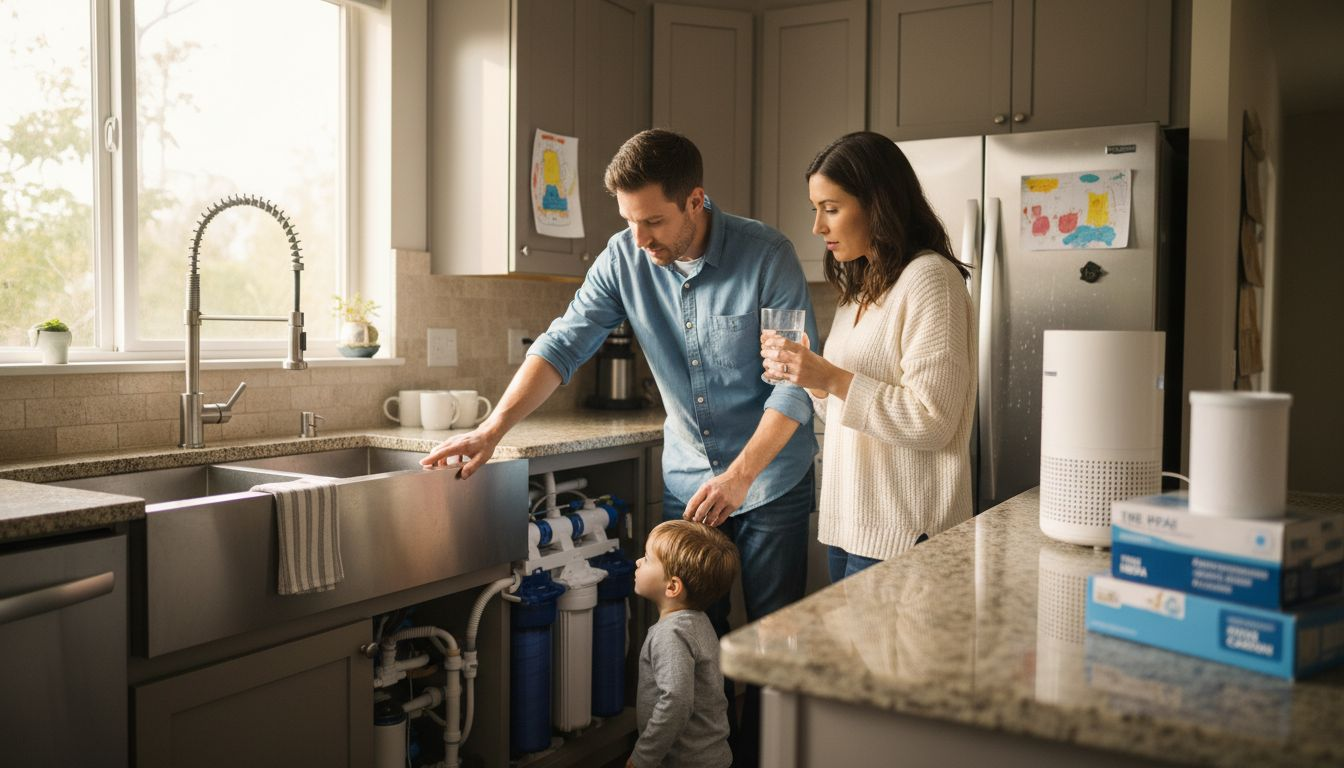
Every American household faces a silent challenge when it comes to water purity at home. Municipal supplies can leave behind unwanted chemicals, bacteria, and microscopic particles, risking daily wellness. With up to 300 pollutants potentially present in tap water across the United States, health-conscious homeowners are turning to advanced filtration technologies for greater peace of mind. This guide highlights how modern solutions can strengthen your home’s protection and support safer drinking water for your family.
Table of Contents
- Activated Carbon Filters For Chemical Removal
- Reverse Osmosis Systems For Pure Water
- UV Sterilization For Eliminating Bacteria
- Sediment Filtration For Particulate Protection
- Alkaline Filters For Healthier Mineralized Water
- HEPA And Carbon Air Purifiers For Cleaner Air
- Smart Monitoring For Maintenance And Safety
Quick Summary
| Key Message | Explanation |
|---|---|
| 1. Activate Carbon Filters Remove Chemicals | These filters trap harmful chemicals and impurities, improving your drinking water safety. Regular replacement maintains performance. |
| 2. Reverse Osmosis Provides Pure Water | Reverse osmosis eliminates up to 99% of contaminants, ensuring exceptionally clean water. Consider adding remineralization for health benefits. |
| 3. UV Sterilization Neutralizes Microorganisms | This method uses UV light to damage bacteria and viruses without chemicals, enhancing water safety. Regular lamp maintenance ensures effectiveness. |
| 4. Sediment Filtration Protects Other Systems | Sediment filters capture larger particles, preventing damage to more sensitive filtration technologies, thus extending their lifespan. Replace regularly to ensure functionality. |
| 5. Smart Monitoring Enhances Water and Air Quality | These systems provide real-time data on water and air conditions, enabling proactive maintenance and alerting homeowners to potential issues. |
1. Activated Carbon Filters for Chemical Removal
Activated carbon filters are a powerhouse technology for removing harmful chemical contaminants from your home’s water supply. These sophisticated filters leverage an extraordinary porous structure that acts like a molecular magnet, trapping unwanted chemicals and impurities before they reach your drinking glass.
The science behind activated carbon filtration is remarkable. By using extremely porous carbon material, these filters create an expansive surface area that chemically attracts and traps contaminants. Specifically, activated carbon excels at removing chlorine, volatile organic compounds (VOCs), pesticides, and other synthetic chemicals that municipal water treatment might miss.
In practical terms, this means activated carbon filters provide an additional layer of protection for your household. They work by a process called adsorption, where contaminant molecules are drawn to and trapped within the carbon’s microscopic pores. Unlike simple physical filtration, this technology chemically binds unwanted substances, preventing them from passing through to your drinking water.
Homeowners seeking comprehensive water purification should consider activated carbon filters as a critical component of their home wellness strategy. Water quality experts recommend these filters for addressing chemical contaminants that standard municipal treatments cannot fully eliminate.
Pro tip: Replace your activated carbon filter every six months or according to manufacturer recommendations to maintain optimal chemical removal performance.
2. Reverse Osmosis Systems for Pure Water
Reverse osmosis represents the gold standard of water purification technologies for homeowners seeking ultimate water quality. These advanced filtration systems provide an unprecedented level of protection against a wide range of water contaminants through a sophisticated molecular screening process.
Reverse osmosis technology works by applying intense pressure to water, forcing it through an ultrathin semipermeable membrane with microscopic pores. This membrane acts like an incredibly precise molecular filter, allowing only water molecules to pass through while blocking dissolved salts, bacteria, viruses, and other potentially harmful particles.
The scientific precision of reverse osmosis makes it dramatically more effective than traditional filtration methods. Unlike simple carbon or sediment filters that catch larger particles, RO systems can remove up to 99% of dissolved solids, including heavy metals, chemical contaminants, and microscopic organisms that might compromise your water’s safety.
Homeowners installing reverse osmosis systems gain significant peace of mind. These systems provide comprehensive water purification that goes far beyond what municipal water treatments can achieve, ensuring every glass of water is exceptionally clean and pure.
Pro tip: Consider installing a reverse osmosis system with a remineralization stage to add back beneficial minerals stripped during the ultra-precise filtration process.
3. UV Sterilization for Eliminating Bacteria
Ultraviolet sterilization represents a cutting edge technology in home wellness defense against microscopic threats. This powerful method uses specialized light wavelengths to neutralize harmful microorganisms without introducing additional chemicals into your living environment.
Ultraviolet germicidal irradiation works through an ingenious scientific process that targets the fundamental building blocks of bacterial life. UV-C light penetrates microbial cell walls, causing irreparable damage to their DNA and RNA structures. This molecular disruption prevents bacteria from reproducing or functioning, effectively rendering them harmless.
The remarkable precision of UV sterilization makes it a superior alternative to traditional chemical disinfection methods. Unlike harsh cleaning agents that can leave residues or create chemical resistant bacteria, UV light provides a clean, instantaneous method of pathogen elimination. Scientific research confirms its effectiveness in reducing bacterial and viral loads/01%3A_New_Page/1.16%3A_Germicides_and_UV_Light) across various surfaces and water systems.
Homeowners can integrate UV sterilization into multiple wellness strategies, including water purification systems, air filtration units, and surface sanitization processes. This technology offers peace of mind by creating an invisible shield against microbiological contamination without introducing additional substances into your living space.
Pro tip: Regularly clean the UV lamp’s quartz sleeve to maintain maximum sterilization efficiency and ensure optimal performance of your UV disinfection system.
4. Sediment Filtration for Particulate Protection
Sediment filtration serves as the first line of defense in protecting your home’s water quality, acting like a microscopic security guard that captures unwanted particles before they reach your drinking glass. This fundamental filtration technology prevents potentially harmful debris from compromising your water system.
Sediment filters work through a sophisticated physical screening process that traps suspended solids like sand, silt, rust, and organic matter. These filters utilize a porous medium that acts as a barrier, capturing particles ranging from visible debris to microscopic sediments that could otherwise damage more sensitive filtration equipment.
The practical benefits of sediment filtration extend far beyond simple water clarity. These filters protect downstream water treatment technologies by preventing larger particles from clogging or damaging more delicate filtration systems like activated carbon and reverse osmosis membranes. This protective function significantly extends the lifespan of your entire water purification setup.
Homeowners can integrate sediment filtration as a critical pretreatment stage in their water wellness strategy. By capturing particulate matter early in the filtration process, you ensure cleaner, safer water and more efficient overall filtration performance across all subsequent treatment stages.
Pro tip: Replace your sediment filter cartridges every six to twelve months, or more frequently if you notice decreased water pressure or visible particle buildup.
5. Alkaline Filters for Healthier Mineralized Water
Alkaline filters represent a sophisticated approach to transforming ordinary water into a potential wellness elixir, introducing essential minerals and adjusting water pH to support your body’s natural balance. These innovative filtration systems go beyond simple purification by enriching water with beneficial mineral content.
Scientific research suggests alkaline water might offer unique health advantages, including potential improvements in hydration and overall metabolic function. The filtering process works by introducing key minerals like calcium, magnesium, and potassium while raising the water’s pH level to create a more alkaline composition.
A groundbreaking study demonstrated that mineralized water could enhance bodily hydration and help maintain critical acid-base balance. By strategically adding minerals and adjusting pH, alkaline filters transform standard tap water into a more nutritionally supportive beverage that potentially supports your body’s natural wellness mechanisms.
Homeowners interested in proactive health strategies can integrate alkaline filters as a simple yet powerful tool for improving daily water intake. These systems provide an easy way to consume water enriched with essential minerals that might contribute to better overall hydration and potential metabolic benefits.
Pro tip: Rotate your alkaline filter cartridges according to manufacturer recommendations to ensure consistent mineral content and optimal water quality.
6. HEPA and Carbon Air Purifiers for Cleaner Air
HEPA and carbon air purifiers represent a powerful two-stage defense system against indoor air pollution, transforming potentially harmful air into a cleaner, healthier breathing environment. These advanced filtration technologies work in tandem to capture both microscopic particles and invisible chemical contaminants that traditional ventilation cannot address.
HEPA filters operate with remarkable precision, trapping an astounding 99.95% of airborne particles as small as 0.3 microns. This includes dust, pollen, pet dander, and even some bacteria and viruses. The mechanical filtration process acts like a microscopic net, capturing particles that would otherwise circulate freely in your living spaces.
Carbon filters complement HEPA technology by addressing gaseous pollutants and odors. These filters excel at removing volatile organic compounds, chemical emissions, and unpleasant smells from cooking, pets, and household cleaning products. By adsorbing these molecular contaminants, carbon filters provide an additional layer of air quality protection that goes beyond physical particle removal.
Homeowners seeking comprehensive air wellness can benefit immensely from combined HEPA and carbon air purification systems. These technologies offer a proactive approach to indoor air quality, particularly for individuals with allergies, respiratory sensitivities, or concerns about environmental toxins.
Pro tip: Position your air purifier centrally in the room and keep windows closed to maximize filtration efficiency and maintain a consistently clean air environment.
7. Smart Monitoring for Maintenance and Safety
Smart monitoring technologies represent the future of proactive home wellness, transforming traditional filtration systems into intelligent guardians of water and air quality. These advanced systems leverage cutting-edge sensors and Internet of Things technologies to provide real-time insights into your home environment.
Low-cost sensor networks continuously assess critical water parameters such as turbidity, pH levels, dissolved oxygen, temperature, and total dissolved solids. By collecting and analyzing data in real-time, these smart monitoring systems act as early warning mechanisms that can detect potential issues before they become serious health risks.
The technological innovation goes beyond simple data collection. Smart monitoring systems can send instant alerts to your smartphone, allowing you to track water and air quality metrics from anywhere. This means you can receive immediate notifications about changes in filtration performance, potential contaminant levels, or maintenance requirements, empowering homeowners to take swift action to protect their health.
Modern smart monitoring technologies integrate seamlessly with home filtration systems, providing a comprehensive approach to wellness. By transforming raw data into actionable insights, these systems help you maintain optimal indoor air and water quality with unprecedented precision and convenience.
Pro tip: Select smart monitoring systems that offer mobile app integration and customizable alert settings to ensure you receive the most relevant notifications for your specific home environment.
Below is a comprehensive table summarizing the key water and air purification technologies and strategies addressed in the article.
| Technology | Description | Benefits | Maintenance Tips |
|---|---|---|---|
| Activated Carbon Filters | Utilize porous carbon material to adsorb contaminants and chemicals from water, such as chlorine and volatile organic compounds. | Provide cleaner, safer drinking water by removing unwanted chemical substances. | Replace filters every six months for optimal performance. |
| Reverse Osmosis Systems | Employ semipermeable membranes to remove dissolved solids, heavy metals, and microscopic organisms from water. | Offer extremely high filtration efficiency, achieving up to 99% contaminant removal. | Consider systems with remineralization for added benefits. |
| UV Sterilization | Use UV-C light to neutralize bacteria and viruses by disabling their reproduction capacity. | Delivers chemical-free sterilization and effectively reduces microbial contamination. | Clean the quartz sleeve of the UV lamp periodically. |
| Sediment Filters | Mechanically trap particles such as sand, silt, and rust from water at the initial filtration stage. | Protect more delicate filtration components and improve overall water clarity. | Replace filter cartridges every six to twelve months. |
| Alkaline Filters | Enrich tap water by adding essential minerals like calcium and magnesium, while adjusting the pH for alkalinity. | Enhance hydration and support metabolic functions by providing mineralized water. | Rotate cartridges as per manufacturer guidelines. |
| HEPA and Carbon Air Purifiers | Employ HEPA filters to capture small airborne particles and carbon filters to adsorb chemical emissions and odors. | Improve indoor air quality, particularly benefiting individuals with respiratory sensitivities. | Position the system centrally and maintain closed windows. |
| Smart Monitoring Systems | Use sensors to provide real-time data on air and water quality, enabling proactive monitoring and response. | Empower homeowners to address quality issues promptly, ensuring a healthier home environment. | Select systems with app integration and alert options. |
Elevate Your Home Wellness with Proven Filtration Technologies
Ensuring your family’s health means tackling key water and air quality challenges highlighted in “7 Must-Have Filtration Technologies for Home Wellness”. From removing harmful chemicals with activated carbon filters to neutralizing bacteria using UV sterilization, each technology plays a critical role in creating a safer living environment. Don’t compromise when it comes to protecting your loved ones from invisible pollutants and contaminants that can affect wellbeing.
Discover how Coway’s advanced filtration products integrate these essential technologies to provide trusted solutions tailored to your home. Whether you are looking for state-of-the-art water purifiers offering reverse osmosis and mineral-enhancing alkaline filters or powerful air purifiers combining HEPA and carbon filtration, Coway has you covered. Experience peace of mind with easy maintenance, free delivery, and professional installation services designed to keep your system running at peak performance.
Take the first step toward comprehensive home wellness today. Explore our full range of innovative water and air purification solutions at Coway Water Purifier and learn more about the latest tech advancements in our Uncategorized Archives – Coway Water Purifier. Your healthiest home awaits—get yours now and breathe easier knowing you are protected by science-backed filtration technology.
Frequently Asked Questions
What are activated carbon filters and how do they help with water quality?
Activated carbon filters are designed to remove harmful chemical contaminants from drinking water. They work by adsorbing impurities like chlorine, pesticides, and volatile organic compounds, providing an extra layer of protection. Replace your carbon filter every six months to maintain optimal performance.
How does reverse osmosis improve water purity?
Reverse osmosis systems offer advanced filtration by using a semipermeable membrane that blocks contaminants, including heavy metals and microorganisms. This process can remove up to 99% of dissolved solids from water, delivering exceptionally clean drinking water. Consider installing a remineralization stage to restore beneficial minerals after filtration.
What is UV sterilization, and why is it important for home wellness?
UV sterilization uses ultraviolet light to neutralize harmful bacteria and viruses in water without adding chemicals. By disrupting the DNA of microorganisms, this technology ensures your drinking water is safe from pathogens. Regularly clean the quartz sleeve of your UV system to maintain its effectiveness.
How does sediment filtration protect my water system?
Sediment filters capture particles like sand, silt, and rust before they reach your drinking water, acting as a protective barrier. This prevents larger debris from clogging or damaging sensitive filtration systems, enhancing the overall efficiency of your water purification setup. Replace sediment filter cartridges every six to twelve months for continued effectiveness.
What are the benefits of alkaline filters for my health?
Alkaline filters enhance water quality by adding essential minerals like calcium and magnesium while raising the water’s pH. This process can improve hydration and support your body’s acid-base balance. To ensure consistent mineral content, rotate your alkaline filter cartridges according to the manufacturer’s recommendations.
How do HEPA and carbon air purifiers improve indoor air quality?
HEPA and carbon air purifiers work together to capture both microscopic particles and chemical pollutants in your indoor environment. HEPA filters trap 99.95% of airborne particles, while carbon filters remove gaseous contaminants and odors. Position your air purifier centrally in the room for maximum filtration efficiency.
Recommended
- 7 Effective Examples of Filtration Technologies Explained – Coway Water Purifier
- Role of Filtration in Health – Why It Matters – Coway Water Purifier
- Understanding the Role of Filtration Technology – Coway Water Purifier
- 7 Benefits of Water Filtration for Your Home and Health – Coway Water Purifier
