
Uncategorized
Role of Pre-Filters in Air Purifiers: Cleaner Home Air
Dec
Dust and allergens lurk in every corner of the typical American home, quietly undermining your family’s health. With research confirming that Americans spend over 90 percent of their lives indoors, protecting indoor air from pollutants becomes urgent for anyone who values wellness. Discover how understanding pre-filters in air purifiers helps you take control of indoor air quality and guard against respiratory risks with confidence.
Table of Contents
- Pre-filters In Air Purifiers Explained
- Key Types And Material Differences
- How Pre-filters Protect Main Filters
- Benefits For Indoor Air And Filter Lifespan
- Maintenance Needs And Common Mistakes
Key Takeaways
| Point | Details |
|---|---|
| Importance of Pre-Filters | Pre-filters capture larger particles, extending the lifespan of advanced filters like HEPA and carbon filters. |
| Material Variations | Different pre-filter materials, such as mesh and activated carbon, have distinct filtration strengths and maintenance needs. |
| Protective Role | Pre-filters serve as a protective barrier, preventing larger debris from clogging more intricate filtration systems. |
| Maintenance Awareness | Regular inspection and maintenance of pre-filters are crucial to ensure optimal air purification efficiency and system longevity. |
Pre-filters in air purifiers explained
Air purifiers rely on pre-filters as their critical first line of defense against indoor air pollutants. These initial screening components work tirelessly to capture larger particulate matter before air reaches more sophisticated filtration stages. When air enters an air purifier, pre-filters trap dust, hair, pet dander, and other larger particles that would otherwise quickly overwhelm more delicate filter systems.
The strategic placement of pre-filters serves multiple critical functions within air purification systems. By capturing larger contaminants early, they significantly extend the lifespan of subsequent filters like HEPA and carbon filters. The US Environmental Protection Agency highlights that pre-filters are essential in reducing indoor pollution from common household sources such as dust, pollen, and pet hair. This initial filtration layer acts as a protective shield, preventing larger particles from prematurely clogging more sophisticated filtration mechanisms.
Most pre-filters are designed with practicality in mind. They are typically washable or replaceable, making maintenance straightforward for homeowners. Some advanced pre-filters even incorporate electrostatic technology to enhance particle capture efficiency. By trapping particles as small as 5 microns, these components ensure that subsequent filtration stages can focus on capturing microscopic pollutants like bacteria, viruses, and fine chemical emissions.
Pro tip: Clean or replace your air purifier’s pre-filter every 3 months to maintain optimal air purification performance and protect more expensive internal filters.
Key types and material differences
Pre-filters in air purification technology come in several distinct material categories that determine their specific performance characteristics. Mesh and foam pre-filters represent the most basic filtration layers, designed to capture large debris and particulate matter. These entry-level materials act as the initial screening mechanism, trapping visible particles like pet hair, dust bunnies, and larger textile fibers before they can reach more intricate filtration stages.
More advanced pre-filter materials include synthetic fabrics, fiberglass, and polyester, each offering unique filtration capabilities. The Environmental Protection Agency’s technical research highlights that depth-loading pre-filters, typically constructed from polyester or synthetic materials, can handle significantly higher dust loads compared to surface-loading alternatives. Activated carbon pre-filters represent a sophisticated variation, integrating odor absorption and gas filtration capabilities alongside particulate removal. These multi-functional layers can capture volatile organic compounds, neutralize unpleasant smells, and provide an additional layer of air quality improvement.
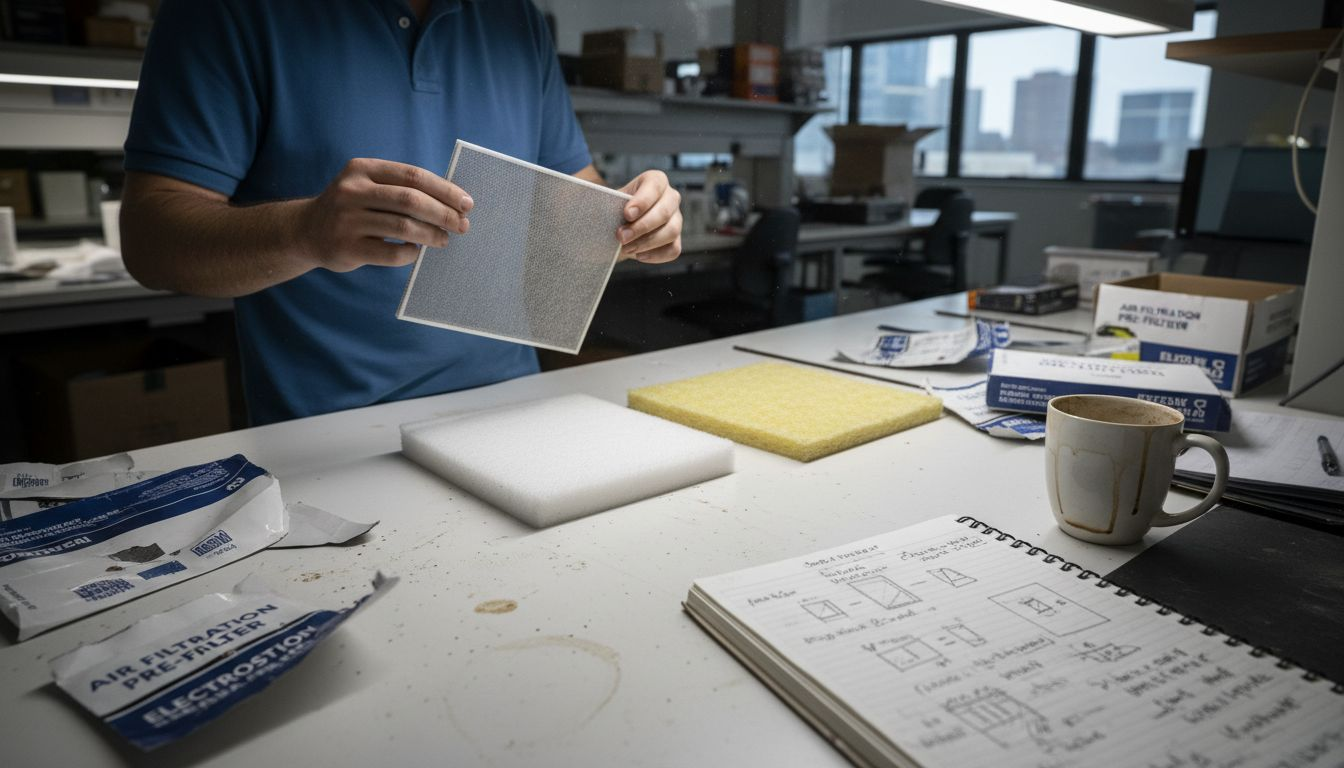
The selection of pre-filter material directly impacts an air purifier’s overall efficiency and maintenance requirements. Washable mesh pre-filters offer economic advantages through reusability, while synthetic and carbon-based options might require more frequent replacement. Electrostatic pre-filters introduce another technological dimension, using electrical charges to enhance particle capture rates and improve overall filtration performance. Understanding these material differences allows homeowners to select air purification solutions tailored to their specific indoor air quality challenges.
Here is a comparison of common pre-filter materials and their maintenance needs:
| Material Type | Filtration Strength | Typical Maintenance | Lifespan Impact on Main Filter |
|---|---|---|---|
| Mesh (washable) | Captures large particles | Rinse and air dry | Significantly extends lifespan |
| Polyester/Synthetic | Traps finer dust | Replace periodically | Moderately extends lifespan |
| Activated Carbon | Reduces odors and gases | Replace every 3-6 mo | Provides chemical protection |
| Electrostatic | High particle efficiency | Clean gently | Maximizes main filter protection |
Pro tip: When selecting an air purifier, prioritize models with multi-layered pre-filters that combine different materials for comprehensive air cleaning performance.
How pre-filters protect main filters
Pre-filters act as a critical protective barrier for the entire air purification system, intercepting large particles before they can damage or overwhelm more sophisticated filtration components. By capturing dust, hair, and larger debris first, these initial screening mechanisms prevent premature clogging of expensive HEPA and activated carbon filters. Think of pre-filters as the first line of defense, ensuring that delicate internal filtration systems remain clean and functional for extended periods.
The protective function of pre-filters extends beyond simple particle removal. According to EPA technical research, these initial filtration layers play a crucial role in maintaining overall air system performance. They shield sensitive components like motors and heat exchangers from excessive dust accumulation, which can reduce system efficiency and potentially cause mechanical strain. By managing the initial particulate load, pre-filters help maintain consistent airflow and prevent the rapid deterioration of more complex filtration media.
Homeowners can observe the protective mechanism through both immediate and long-term benefits. In the short term, pre-filters capture visible contaminants that would otherwise quickly saturate main filters. Over time, this approach significantly extends the operational lifespan of expensive filtration components, reducing replacement frequency and maintaining optimal air purification performance. The economic and functional advantages make pre-filters an essential element in comprehensive air quality management strategies.
Pro tip: Inspect your pre-filter monthly and replace or clean it according to manufacturer recommendations to ensure maximum protection for your air purifier’s internal filtration system.
Benefits for indoor air and filter lifespan
Pre-filters play a transformative role in improving indoor air quality by creating a comprehensive first line of defense against airborne contaminants. These initial filtration layers systematically remove larger particles like dust, pet dander, and textile fibers before they can circulate through living spaces. By capturing these potential irritants at the entry point, pre-filters significantly reduce the overall particulate load, creating a cleaner breathing environment for households.
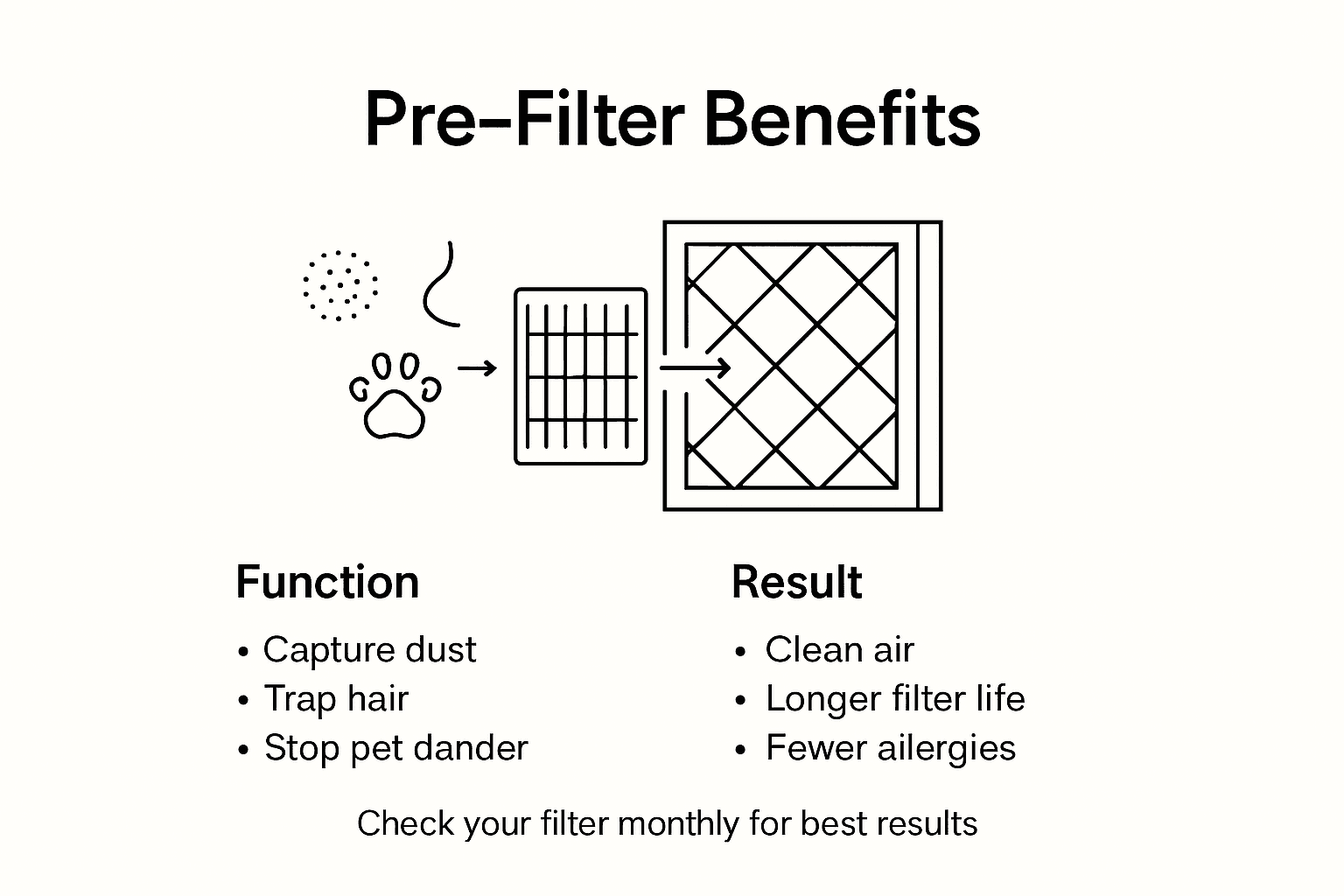
The long-term benefits extend far beyond immediate air quality improvements. Pre-filters act as a protective mechanism for more expensive internal filtration components, dramatically extending the operational lifespan of HEPA and activated carbon filters. Regular maintenance of pre-filters helps minimize operational costs while maximizing air purification efficiency, creating a win-win scenario for health-conscious homeowners. By preventing rapid filter clogging, these initial screening layers ensure that primary filters remain functional and effective for significantly longer periods, reducing replacement frequency and associated expenses.
Air quality research consistently demonstrates that comprehensive pre-filtration strategies can reduce airborne allergens by up to 40% compared to systems without robust initial screening mechanisms. For families concerned about respiratory health, this translates to tangible benefits: fewer allergy triggers, reduced dust circulation, and a more consistent air cleaning performance. The cumulative effect is a healthier indoor environment that supports long-term wellness and provides peace of mind for households seeking optimal air quality management.
The table below summarizes how pre-filters improve air quality and reduce maintenance costs:
| Benefit | How It Is Achieved | Result for Homeowners |
|---|---|---|
| Cleaner indoor air | Removes large particles on entry | Fewer allergens, improved health |
| Lower main filter expense | Reduces HEPA filter clogging | Fewer replacements, cost savings |
| Consistent airflow | Prevents heavy debris accumulation | Maintains purifier efficiency |
| Extended component life | Shields motors from dust | Longer system lifespan |
Pro tip: Track your pre-filter’s performance by checking its color and texture monthly, replacing it immediately if you notice significant discoloration or decreased airflow.
Maintenance needs and common mistakes
Pre-filters require systematic maintenance to ensure optimal air purification performance, with routine care being significantly more nuanced than most homeowners realize. Most manufacturers recommend monthly inspection and cleaning, which involves carefully removing accumulated dust and debris without damaging the filter’s delicate structure. Different pre-filter types demand unique maintenance approaches: washable mesh filters need gentle rinsing and complete air drying, while disposable synthetic filters require complete replacement at specified intervals.
The EPA’s consumer guidelines emphasize the critical importance of understanding filter-specific maintenance requirements. Common mistakes include attempting to clean non-washable filters, neglecting manufacturer instructions, and failing to track replacement schedules. Homeowners often incorrectly assume all pre-filters function identically, which can lead to reduced air purification efficiency and potential system damage. Recognizing whether a pre-filter is washable, cleanable, or requires complete replacement is crucial for maintaining air purifier effectiveness.
Technical considerations extend beyond simple cleaning procedures. Moisture exposure, improper handling, and using incorrect cleaning agents can compromise pre-filter integrity. Some advanced pre-filters incorporate electrostatic or activated carbon layers that require specialized maintenance techniques. Users should always consult their specific air purifier’s manual, as improper maintenance can void warranties and significantly reduce the device’s overall air cleaning capabilities. Systematic documentation of filter replacement dates, maintenance activities, and performance observations helps create a proactive approach to air purifier management.
Pro tip: Create a digital or physical maintenance log for your air purifier, tracking filter replacement dates, cleaning methods, and performance observations to ensure consistent and effective operation.
Discover Cleaner Air with Advanced Pre-Filter Technology from Coway
If you are concerned about how larger particles like dust, pet dander, and hair can quickly clog your air purifier and reduce its effectiveness then understanding the importance of pre-filters is key. This first line of defense protects your main filters and ensures consistent airflow while extending filter lifespan. The challenge is maintaining high air quality without frequent costly replacements or loss in purifier performance. At Coway Water Purifier we offer air purifiers equipped with cutting-edge multi-layered pre-filters designed to trap large pollutants efficiently and keep your indoor air fresh and healthy.
Explore our selection today to experience advanced pre-filter benefits that save you money and improve your home’s air hygiene. Take control of your indoor environment now by visiting Uncategorized Archives – Coway Water Purifier for the latest models and comprehensive service options. Don’t let airborne contaminants compromise your family’s health. Visit https://cowayswaterpurifier.com and get yours today.
Frequently Asked Questions
What is the purpose of a pre-filter in an air purifier?
Pre-filters capture larger particles like dust, hair, and pet dander before air reaches the more advanced filters, extending their lifespan and improving overall air quality.
How do I maintain my air purifier’s pre-filter?
Inspect and clean or replace your pre-filter according to the manufacturer’s recommendations, generally every 1 to 3 months, to ensure optimal performance.
What types of materials are pre-filters made from?
Pre-filters can be made from various materials including mesh, polyester, and activated carbon, each varying in their filtration strength and maintenance needs.
How do pre-filters protect the main filters in an air purifier?
Pre-filters shield main filters from larger particles, preventing them from becoming clogged quickly. This protection helps maintain airflow and extends the life of HEPA and activated carbon filters.
Recommended
- How Air Purifiers Remove Allergens at Home – Coway Water Purifier
- Why Filter Indoor Air: Complete Homeowner Guide – Coway Water Purifier
- Why Choose Home Air Purifier: Complete Guide – Coway Water Purifier
- Role of Air Purifiers: Everything You Need to Know – Coway Water Purifier
