
Uncategorized
Air purification checklist: 6 steps for healthier home air
Mar
Improving indoor air quality can feel overwhelming with countless purification options flooding the market. You want cleaner air for your family, but choosing between HEPA filters, UV-C technology, ionizers, and hybrid systems requires more than marketing claims. This comprehensive checklist walks you through assessing your home’s specific needs, understanding proven filtration technologies, comparing purifier performance metrics, and making informed decisions that genuinely improve the air you breathe. By following this structured approach, you’ll cut through confusion and invest in solutions that deliver measurable health benefits.
Table of Contents
- Key takeaways
- 1. Assessing your home’s air quality needs
- 2. Understanding filtration technologies: HEPA and beyond
- 3. Comparing air purifier performance and maintenance essentials
- 4. Making the right air purification choices for your home
- Explore top air purifiers to improve your home’s air quality
- FAQ
Key Takeaways
| Point | Details |
|---|---|
| Ventilation checks | Evaluate your home’s ventilation, note stuffy rooms and lingering odors to identify where air exchange is insufficient. |
| HEPA and carbon | Combine true HEPA filtration with activated carbon to remove particles and odors, keeping in mind carbon requires more frequent replacement. |
| Evaluate advanced tech | Assess UV-C, PCO, and ionization options for benefits and drawbacks before purchase. |
| Maintenance matters | Regular filter changes and system checks ensure sustained purifier performance and air quality benefits. |
| Match CADR to room | Choose purifiers rated for your room size by CADR or ACH to achieve effective air exchanges. |
1. Assessing your home’s air quality needs
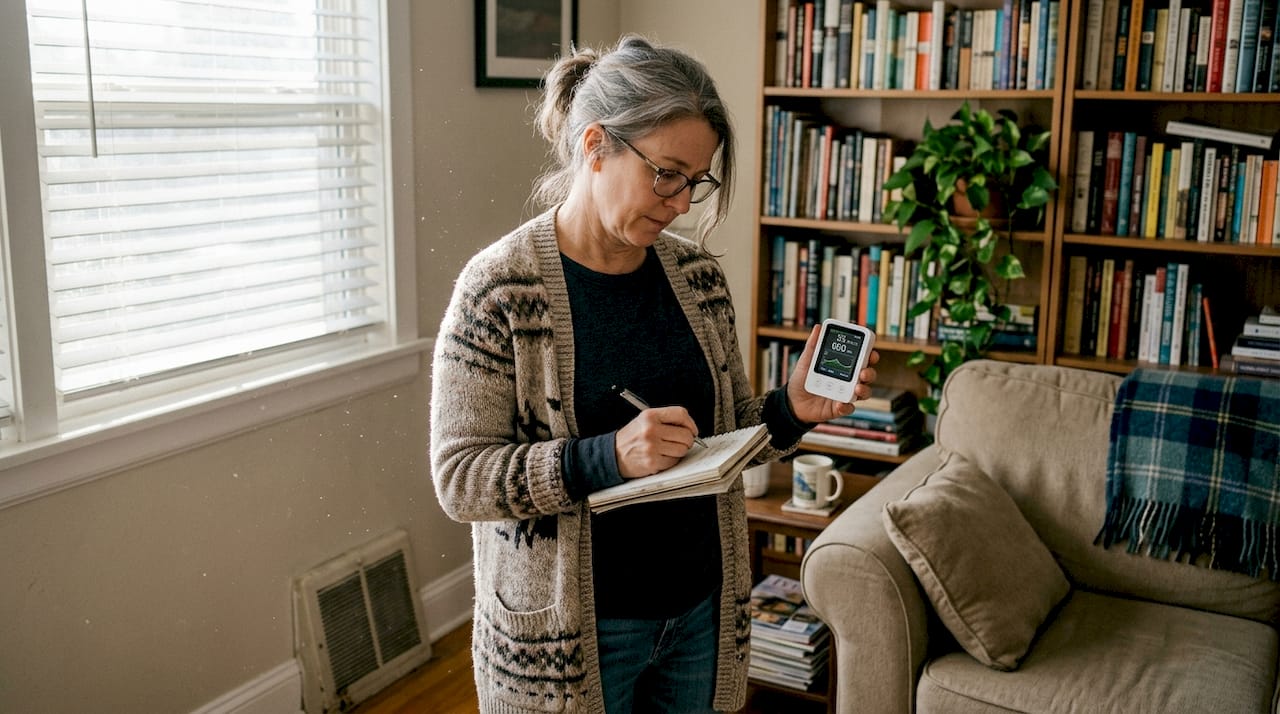
Before purchasing any air purifier, you need a clear picture of what pollutants you’re actually fighting. Start by evaluating your ventilation system. Walk through your home and notice whether certain rooms feel stuffy or if odors linger longer than they should. These signs indicate inadequate air exchange, which means pollutants accumulate faster than fresh air can dilute them.
Your HVAC system plays a massive role in baseline air quality. Remove a vent cover and inspect the ductwork with a flashlight. Visible dust buildup, dark stains, or musty smells signal that your system is circulating contaminants rather than filtering them. A comprehensive air purification checklist includes ventilation, HVAC maintenance, moisture control, and pollutant detection as foundational steps.
Humidity deserves special attention because it amplifies other air quality problems. Purchase an inexpensive hygrometer and measure levels in different rooms. Readings below 30% dry out respiratory passages and increase airborne dust. Above 60%, you create ideal conditions for mold growth and dust mites. Both extremes undermine even the best purification systems.
Pay attention to chemical odors from cleaning products, new furniture, or building materials. These volatile organic compounds often go unnoticed until concentrations build up. If family members experience headaches, eye irritation, or respiratory symptoms that improve when away from home, indoor air pollutants are likely contributors. Use a detailed home air quality checklist to document these observations systematically.
Pro Tip: Conduct your air quality assessment during different seasons. Heating systems in winter and air conditioning in summer create distinct pollutant patterns. Winter often brings combustion byproducts and reduced ventilation, while summer increases humidity and biological growth.
2. Understanding filtration technologies: HEPA and beyond
HEPA filtration represents the gold standard for particle removal, but understanding why helps you evaluate alternatives. True HEPA filters use dense fiber mats that trap particles through three mechanisms: interception, impaction, and diffusion. This combination captures 99.97% of 0.3 micron particles, including pollen, pet dander, and most bacteria. For HVAC systems, MERV 13 or higher filters provide comparable protection without restricting airflow excessively.
Activated carbon addresses what HEPA cannot: gases and odors. These filters contain millions of tiny pores that adsorb volatile organic compounds through chemical attraction. If you’re dealing with cooking smells, pet odors, or off-gassing from furniture, carbon filtration becomes essential. However, carbon saturates over time and requires replacement more frequently than HEPA filters.
Advanced technologies promise additional benefits but require careful evaluation. UV-C light systems use specific wavelengths to damage microbial DNA, effectively inactivating viruses and bacteria that pass through the light field. Photocatalytic oxidation takes this further by using UV light with a catalyst to break down VOCs into harmless compounds. UV-C inactivates microbes while PCO technologies offer VOC reduction, though effectiveness varies significantly by design and maintenance.
| Technology | Primary target | Effectiveness | Maintenance needs | Cautions |
|---|---|---|---|---|
| HEPA | Particles 0.3+ microns | 99.97% capture | Replace every 6-12 months | None |
| Activated carbon | VOCs, odors, gases | Variable by saturation | Replace every 3-6 months | Ineffective once saturated |
| UV-C light | Bacteria, viruses, mold | High with proper exposure | Bulb replacement yearly | Must ensure adequate dwell time |
| PCO | VOCs, odors | Moderate | Catalyst cleaning needed | May produce trace byproducts |
| Ionization | Particles, some microbes | Low to moderate | Minimal | Can generate ozone |
Ionization technologies deserve skepticism. These systems charge particles so they clump together or stick to surfaces, theoretically making them easier to filter. However, effectiveness varies wildly, and many ionizers produce ozone as a byproduct. Ozone irritates lungs and worsens asthma, making these units potentially harmful. If you consider ionization, insist on CARB-certified models and ensure the ionizer can be disabled. For most families, an air purifier selection guide will steer you toward proven mechanical filtration rather than experimental technologies.
Pro Tip: Combination units with HEPA plus activated carbon plus UV-C provide comprehensive protection, but only if each component is properly sized. A tiny carbon filter in a large unit offers minimal odor control despite marketing claims.
3. Comparing air purifier performance and maintenance essentials
Clean Air Delivery Rate tells you how many cubic feet of clean air a purifier produces per minute. This metric accounts for both airflow and filtration efficiency. To size a purifier correctly, calculate your room volume (length × width × height), then choose a CADR rating that delivers 2 to 6 air changes per hour. For a 300 square foot room with 8-foot ceilings (2,400 cubic feet), you need a CADR of 80 to 240 to achieve this range. CADR indicates clean air delivery, and ideal air changes per hour fall between 2 and 6 for effective purification.
Air changes per hour represents how many times the purifier processes the entire room volume each hour. Two ACH provides basic filtration suitable for general maintenance. Four to six ACH becomes necessary when dealing with allergies, asthma, or high pollution levels. Higher isn’t always better since excessive air changes can create uncomfortable drafts and noise while wasting energy.
| Room size | Volume (cu ft) | Minimum CADR (2 ACH) | Recommended CADR (4 ACH) | Optimal CADR (6 ACH) |
|---|---|---|---|---|
| 150 sq ft (12×12) | 1,200 | 40 | 80 | 120 |
| 300 sq ft (15×20) | 2,400 | 80 | 160 | 240 |
| 500 sq ft (20×25) | 4,000 | 133 | 267 | 400 |
| 800 sq ft (25×32) | 6,400 | 213 | 427 | 640 |
Real-world performance differs from lab ratings due to furniture, room shape, and purifier placement. Position your unit away from walls and corners where air circulation stagnates. Avoid placing purifiers behind furniture or in closets, which blocks intake and exhaust. Running a purifier on low speed continuously often outperforms intermittent high-speed operation because it maintains consistent air processing.
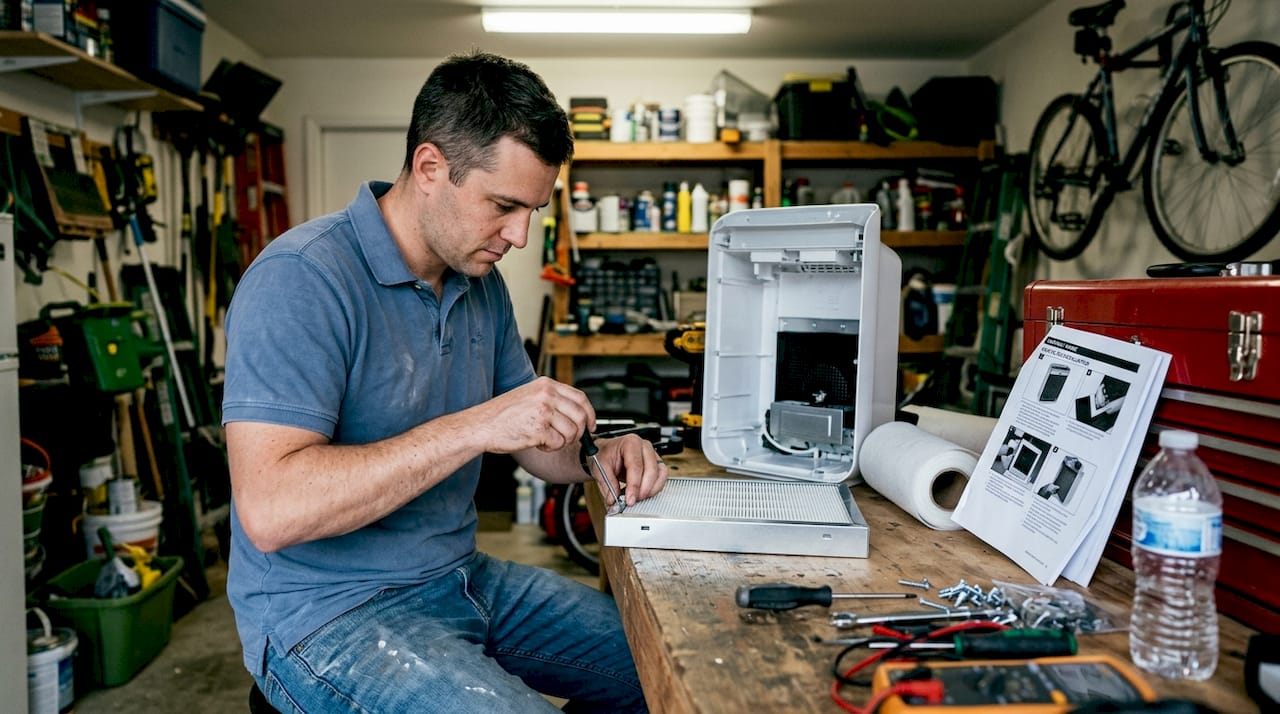
Maintenance directly impacts performance and longevity. Poor maintenance reduces airflow, and some models experience power failures after two years without proper filter care. Set calendar reminders to inspect filters monthly and replace them according to manufacturer schedules. A clogged HEPA filter restricts airflow so severely that the purifier works harder while delivering less clean air. Pre-filters catch large particles and extend HEPA life, but only if you vacuum or wash them regularly.
Monitor your purifier’s performance indicators. Most modern units include filter life sensors, but these measure runtime rather than actual contamination. If you live in a high-pollution area or run your purifier constantly, filters saturate faster than average. Reduced airflow from vents, increased noise, or persistent odors signal that filters need attention regardless of what the indicator displays. Consult a detailed filter maintenance guide to establish a proactive replacement schedule.
Pro Tip: Keep a maintenance log noting filter replacement dates and any performance changes. This historical data helps you optimize replacement intervals and catch problems early.
4. Making the right air purification choices for your home
Source control beats filtration every time. Before investing hundreds in purification equipment, eliminate or reduce pollution sources. Switch to low-VOC paints and cleaning products. Store chemicals in sealed containers outside living spaces. Fix water leaks promptly to prevent mold. Vacuum regularly with a HEPA-equipped vacuum to remove particles before they become airborne. These steps reduce the pollutant load your purifier must handle, improving effectiveness and extending filter life.
For particle removal and allergy relief, prioritize source control and HEPA filtration as your foundation. HEPA technology has decades of proven results in medical settings and homes. If you suffer from asthma or allergies, HEPA filtration provides measurable symptom relief by removing triggers like pollen, dust mites, and pet dander. Add activated carbon if odors or chemical sensitivities are concerns, but ensure the carbon bed is substantial enough to make a difference.
Hybrid systems combining multiple technologies can address diverse pollutants, but scrutinize safety certifications. UV-C and PCO add microbial control, which benefits households with mold issues or immune-compromised members. However, poorly designed systems may produce ozone or other byproducts. Verify that any advanced technology unit carries CARB certification and explicitly states zero ozone emission. When in doubt, mechanical filtration alone is safer and often more effective than unproven combinations.
Humidity control complements purification by creating conditions where pollutants cannot thrive. Maintain indoor humidity between 30 and 60 percent using dehumidifiers in damp climates or humidifiers in dry regions. Dust mites die at humidity below 50 percent, while mold struggles to grow below 60 percent. Proper moisture levels also prevent respiratory irritation that makes you more susceptible to airborne pollutants.
“The most effective air quality strategy combines source elimination, proper ventilation, appropriate humidity control, and mechanical filtration matched to room size and specific pollutant concerns.”
Match purifier capacity to your actual needs rather than over-buying. A single large purifier in a central location rarely serves an entire home effectively because air doesn’t circulate freely between rooms. Instead, place appropriately sized units in bedrooms and main living areas where you spend the most time. This targeted approach delivers better results than one oversized unit trying to purify the whole house. Reference a comprehensive best air purifier guide 2026 when comparing specific models for your situation.
Pro Tip: Start with one quality purifier in your bedroom. You spend a third of your life sleeping, so prioritizing bedroom air quality delivers immediate health benefits while you evaluate whether additional units are necessary.
Explore top air purifiers to improve your home’s air quality
Now that you understand what makes air purification effective, finding the right solution becomes straightforward. Coway Water Purifier offers health-focused families access to expertly vetted air purifiers engineered with proven HEPA technology, activated carbon filtration, and advanced features that deliver measurable improvements in indoor air quality.
Our detailed best air purifier 2026 health guide helps you match specific models to your home’s unique needs, whether you’re targeting allergens, odors, or comprehensive pollutant control. Explore our air purifier selection guide 2026 to compare CADR ratings, room coverage, and technology combinations. We also provide step-by-step instructions through our air purifier cleaning process resource, ensuring your investment delivers peak performance year after year. Trust Coway for reliable, science-backed solutions that protect what matters most: your family’s health.
FAQ
How often should I replace or clean air purifier filters?
Most HEPA filters require replacement every 6 to 12 months depending on usage intensity and pollution levels, while activated carbon filters typically need changing every 3 to 6 months as they saturate. Pre-filters should be vacuumed or washed monthly to prevent them from restricting airflow and forcing your purifier to work harder. Always follow your specific manufacturer’s maintenance schedule, and inspect filters more frequently if you notice reduced performance. Regular cleaning and replacement prevent clogged filters from reducing airflow and compromising air quality.
What size air purifier do I need for my room?
Calculate your room volume by multiplying length, width, and ceiling height, then select a purifier with a CADR rating that delivers 2 to 6 air changes per hour for that volume. For example, a 300 square foot room with 8-foot ceilings needs a CADR between 80 and 240 to achieve effective purification. Using an undersized unit forces it to run constantly on high speed while still underperforming, whereas excessive capacity wastes energy without meaningful benefit. CADR and ACH metrics determine proper sizing for optimal air cleaning efficiency.
Are ionizer air purifiers safe for families with asthma?
Most ionizers produce ozone as a byproduct, which irritates airways and can trigger asthma attacks or worsen respiratory conditions, making them inappropriate for sensitive individuals. The EPA and CARB specifically warn against ozone-generating devices due to documented health risks. If you’re considering an ionizer feature, choose only CARB-certified units with independently verified zero ozone emission, and ensure the ionization function can be completely disabled. For asthma and allergy sufferers, mechanical HEPA filtration provides proven relief without respiratory risks.
How can I control humidity to boost air purification effectiveness?
Maintain indoor humidity between 30 and 60 percent using dehumidifiers in damp climates, humidifiers in dry regions, and exhaust fans in bathrooms and kitchens to manage moisture spikes. This range prevents dust mites from thriving (they need above 50% humidity) while inhibiting mold growth (which accelerates above 60%). Proper humidity levels also keep your respiratory passages healthy, making you less vulnerable to airborne irritants that your purifier captures. Monitor levels with an inexpensive hygrometer and adjust equipment seasonally, since ideal indoor humidity enhances purifier efficiency while preventing biological pollutants from multiplying.
Recommended
- Home air quality checklist for a healthier 2026 – Coway Water Purifier
- 7 Must-Have Air Purifier Features for Healthier Homes – Coway Water Purifier
- Indoor Air Optimization Process for Healthier Homes – Coway Water Purifier
- How to Select Air Purifier for Healthy Home Air Quality – Coway Water Purifier
