
Uncategorized
What is filter lifespan and how to maximize it in 2026
Mar
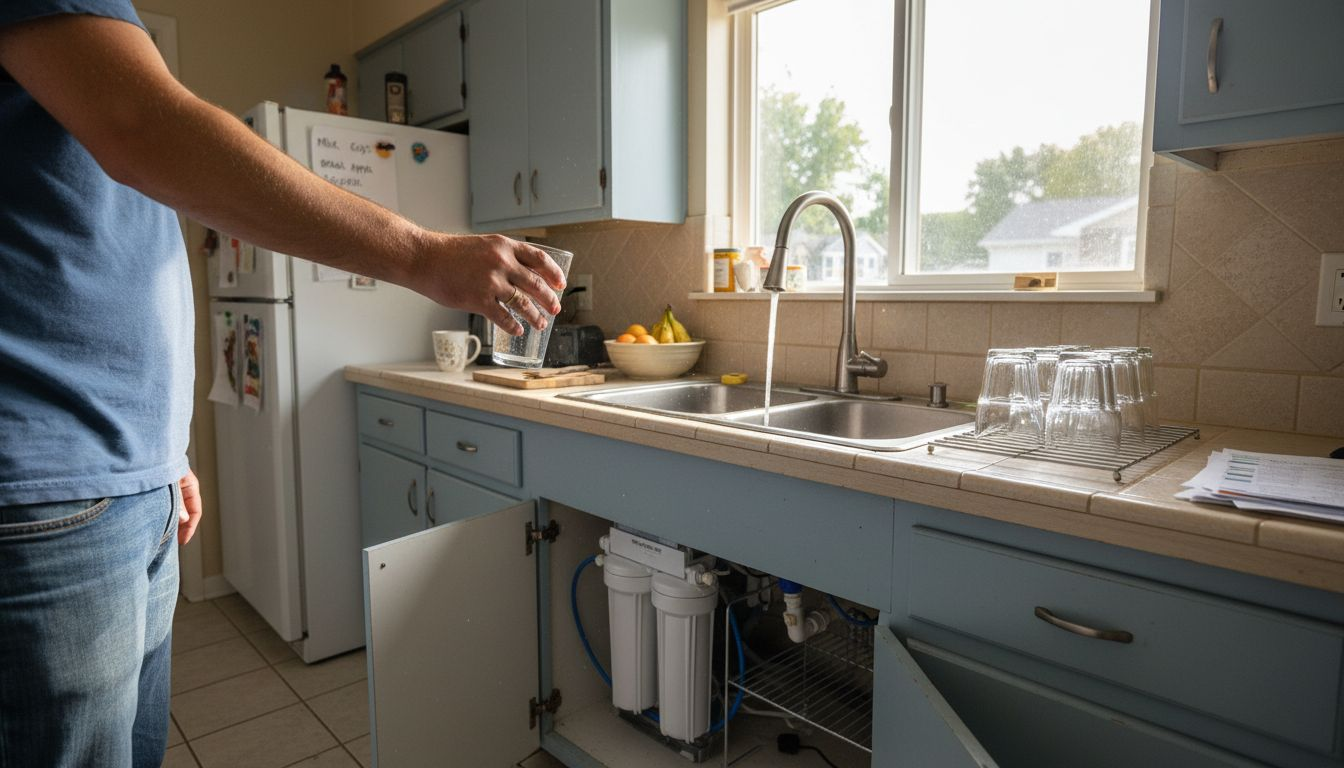
Most homeowners believe water filters have a fixed expiration date printed on the box, but that’s rarely the full story. Filter lifespan actually varies dramatically based on your water quality, usage patterns, and the specific filter technology you’re using. Understanding these factors helps you avoid premature replacements that waste money and delayed changes that risk your family’s health. This guide breaks down exactly what determines how long your filter lasts, compares typical lifespans across popular filter types, and shows you practical ways to optimize replacement timing for cleaner, safer water at home.
Table of Contents
- What Determines Water Filter Lifespan? Key Factors Explained
- Common Water Filter Types And Their Typical Lifespans In 2026
- How Water Quality And Usage Impact When To Replace Your Filter
- Tips To Maximize Filter Lifespan And Ensure Safe Replacement Timing
- Explore Reliable Water Purifiers And Expert Guidance From Coway
- How Often Should I Replace My Home Water Filter?
Key takeaways
| Point | Details |
|---|---|
| Filter lifespan is not fixed | Replacement timing depends on filter type, water quality, and household usage volume rather than a single universal schedule. |
| Water quality dramatically affects longevity | High sediment, chlorine, and contaminant levels accelerate filter saturation and require more frequent replacements. |
| Different filters have vastly different lifespans | Pitcher filters last 1 to 2 months while whole house systems can handle 20,000 to 100,000 gallons before needing replacement. |
| Timely replacement prevents health risks | Overdue filters lose efficiency and can harbor bacteria, compromising water safety and taste. |
| Monitoring usage helps optimize timing | Tracking gallons filtered and watching for quality changes ensures you replace filters at the right moment. |
What determines water filter lifespan? Key factors explained
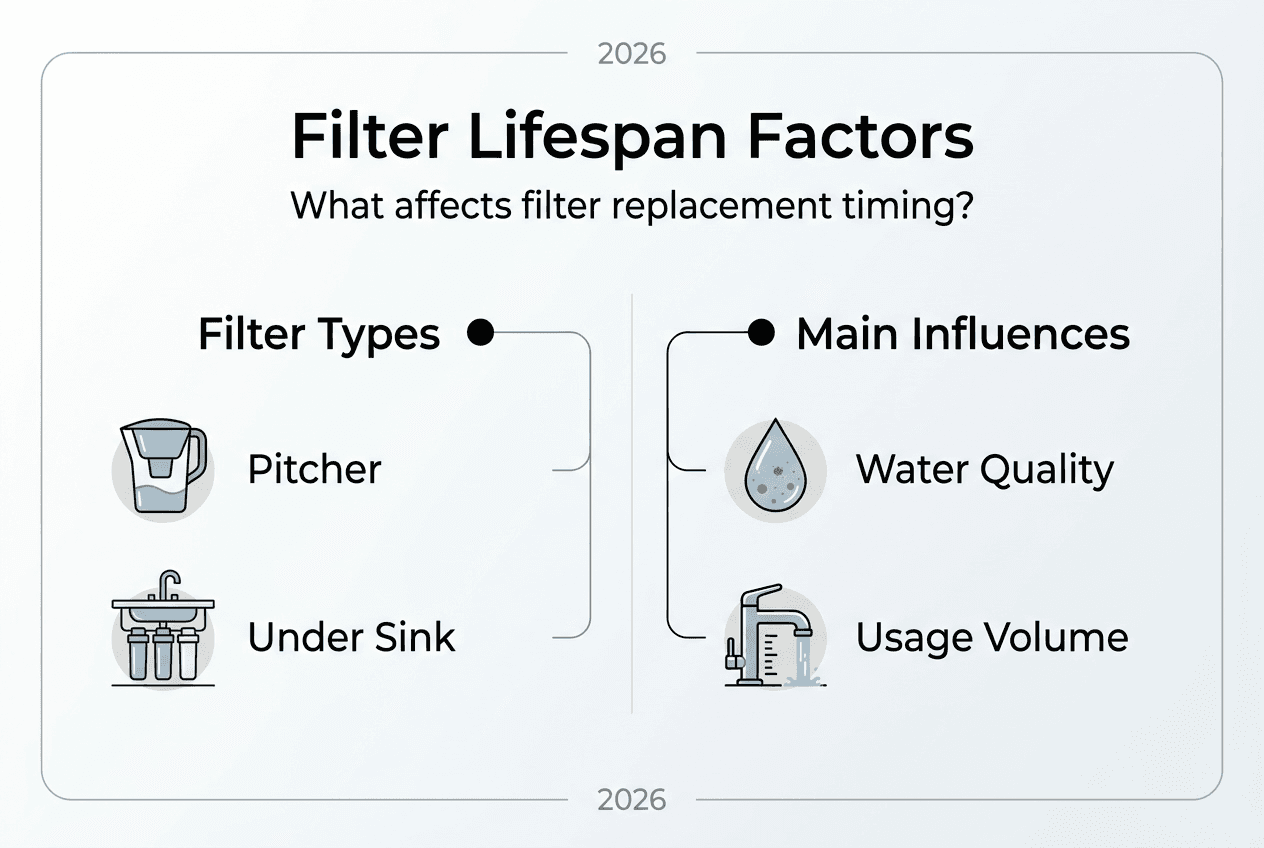
Three primary factors control how long your water filter performs effectively: the filter technology itself, the quality of water entering your system, and how much water your household consumes daily. Each plays a distinct role in determining when replacement becomes necessary.
Filter type establishes the baseline capacity. Carbon block filters handle different volumes than ceramic filters, and reverse osmosis membranes operate on entirely different principles than sediment pre-filters. Filter lifespan varies significantly based on these core design differences, with some technologies naturally processing more gallons before saturation.
Water quality introduces the biggest variable. Municipal water with heavy chlorination wears down carbon filters faster than well water with minimal treatment. High sediment loads clog mechanical filters quickly, while dissolved minerals gradually coat membrane surfaces. Testing your source water reveals which contaminants your filter battles most, helping predict realistic service life.
Usage volume accelerates everything. A family of five filtering 15 gallons daily exhausts a 200 gallon filter in under two weeks, while a single person using 3 gallons daily stretches that same filter across two months. Manufacturer guidelines typically assume average household use, so your actual timeline depends on matching rated capacity to real consumption.
Pro Tip: Track your filtered water consumption for one week and multiply by 52 to estimate annual gallons. Compare this to your filter’s rated capacity to calculate realistic replacement frequency rather than relying solely on time based schedules.
Monitoring these factors together gives you control over filter performance. When you understand water filter lifespan in context of your specific situation, you avoid both premature disposal and dangerous overuse. Most homeowners discover their actual replacement needs differ significantly from package recommendations once they account for local water conditions and household size.
Common water filter types and their typical lifespans in 2026
Different filtration technologies deliver vastly different service lives, making it essential to match your expectations with your specific system. Here’s what research shows for popular filter categories operating under typical household conditions.
| Filter Type | Typical Lifespan | Gallon Capacity | Best For |
|---|---|---|---|
| Pitcher filters | 1 to 2 months | 40 to 50 gallons | Light use, single person households |
| Faucet mount filters | 2 to 3 months | 100 gallons | Renters, temporary solutions |
| Refrigerator filters | 6 months | 200 to 300 gallons | Families using ice and cold water |
| Under sink filters | 6 to 12 months | 500 to 1,500 gallons | Dedicated drinking water systems |
| Whole house filters | 3 to 6 months | 20,000 to 100,000 gallons | Protecting all household water |
| RO pre-filters | 6 months | 1,000 to 2,000 gallons | Multi stage purification |
| RO membranes | 12 to 24 months | 2,000 to 3,000 gallons | Core purification element |
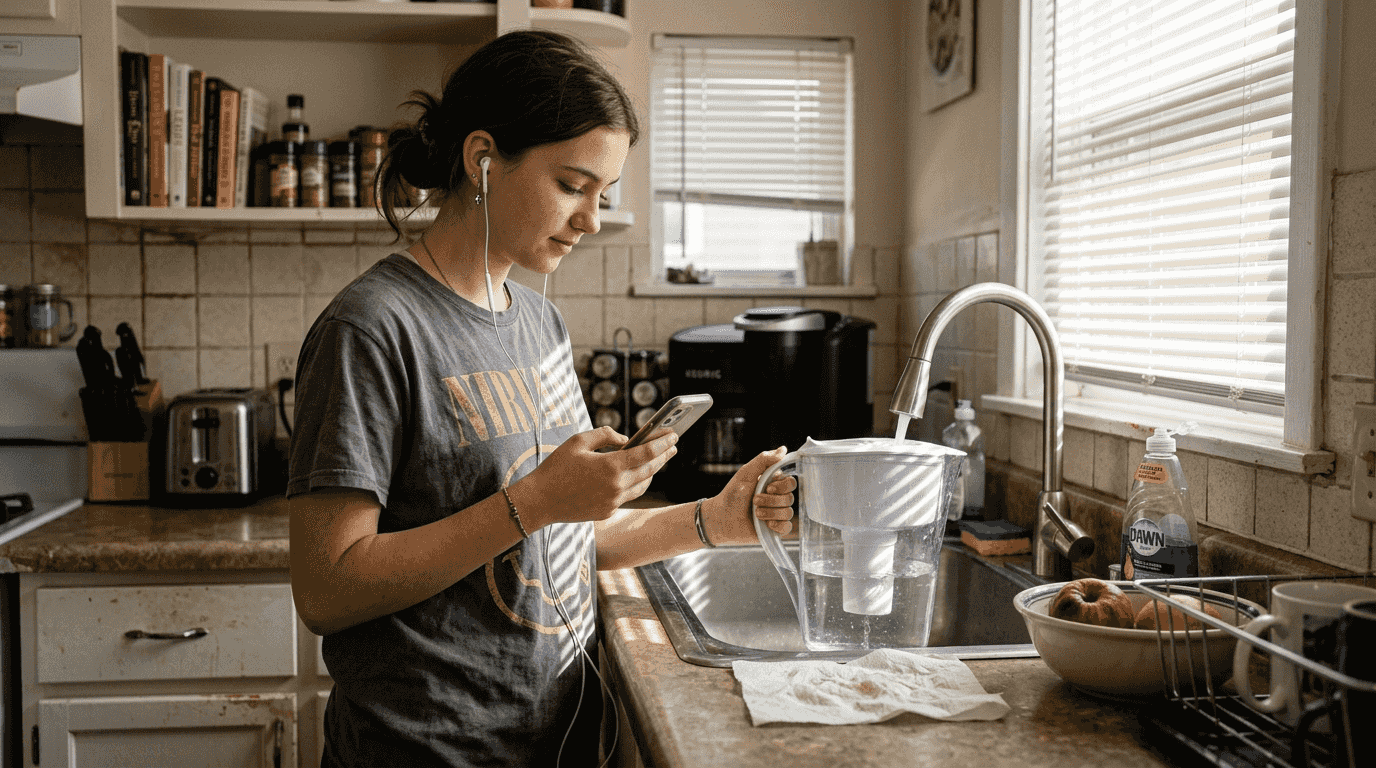
Pitcher filters offer convenience but demand frequent attention. Their compact carbon and resin media saturate quickly, especially in households with multiple users. Once you notice slower flow rates or a chlorine taste returning, replacement is overdue.
Faucet and refrigerator filters serve moderate needs effectively. These systems balance capacity with compact design, making them popular for apartments and smaller homes. Most manufacturers embed reminder systems, but tracking actual gallons provides more accurate timing than calendar alerts alone.
Under sink filters deliver substantially longer service because they house larger cartridges with greater media volume. These systems often combine multiple filter stages, each with different replacement schedules. Carbon pre-filters typically need changing every six months, while specialized media for specific contaminants may last a full year.
Whole house filters protect every tap and appliance but vary enormously in capacity. A sediment pre-filter catching rust and sand might need quarterly replacement in areas with aging infrastructure, while the same filter lasts a year in newer developments with cleaner municipal supply.
Reverse osmosis systems complicate scheduling by using multiple filters working in sequence. Pre-filters catch sediment and chlorine to protect the delicate RO membrane, which performs the core purification. You’ll replace pre-filters every six months while the membrane continues for 18 to 24 months, assuming proper pre-filter maintenance.
Pro Tip: Write your installation date and expected replacement date directly on the filter housing with a permanent marker. This simple step eliminates guesswork and ensures you never miss a critical change.
Understanding these baseline ranges helps set realistic expectations, but remember that regular filter replacement importance extends beyond simple timelines. Your specific conditions will push actual service life higher or lower than these averages.
How water quality and usage impact when to replace your filter
Your local water characteristics and household consumption patterns create the real world conditions that either extend or shorten theoretical filter lifespans. Two homes using identical filters often see dramatically different replacement needs based on these variables.
Sediment concentration matters enormously for mechanical filtration. Well water in agricultural areas carries soil particles, while older city infrastructure sheds rust and pipe scale. These suspended solids physically clog filter pores, reducing flow and forcing early replacement regardless of chemical filtration capacity remaining. Some rural homeowners replace sediment pre-filters monthly during spring runoff, while urban users on modern systems go six months easily.
Chlorine and chemical disinfectants degrade carbon media through continuous chemical reactions. Municipal water treatment plants adjust chlorine levels seasonally, with higher concentrations during warm months when bacterial growth accelerates. This means your summer filter life may run 20 to 30 percent shorter than winter performance, even with identical usage volumes.
Filter lifespan is affected by the concentration of contaminants in the water, making local water quality testing essential for accurate replacement planning.
Pollutant buildup creates hidden risks beyond simple capacity exhaustion. Organic compounds and bacteria accumulate in saturated filter media, potentially creating a contamination source rather than a purification barrier. This is why failing to replace filters timely can reduce efficiency and risk bacterial growth, turning your protection system into a health hazard.
Usage volume translates directly to filter workload. Calculate your household’s daily filtered water consumption by tracking for one week: drinking water, cooking, coffee, ice cubes, and any other filtered uses. Multiply your daily average by 30 to project monthly demand, then compare against your filter’s rated capacity. A family consuming 10 gallons daily exhausts a 300 gallon filter in one month, not the three months suggested by time based recommendations.
Water testing provides objective data for replacement decisions. Simple test strips reveal chlorine levels, hardness, and pH, while more comprehensive lab analysis identifies specific contaminants your filter addresses. Testing both incoming and filtered water quarterly shows when removal efficiency drops, signaling replacement need before taste or odor changes become obvious.
Pro Tip: Keep a gallon counter log on your refrigerator or use a smart water monitor that tracks consumption automatically. When you approach 80 percent of rated capacity, order a replacement filter so it arrives before you hit 100 percent.
Recognizing these filter replacement triggers in your specific context prevents both wasteful early changes and dangerous delayed replacements. Your filter works hardest when conditions demand it most, making flexible scheduling smarter than rigid calendar reminders.
Tips to maximize filter lifespan and ensure safe replacement timing
Smart monitoring and maintenance practices help you extract maximum value from each filter while protecting water quality throughout its service life. These strategies balance longevity with safety.
-
Install a sediment pre-filter upstream of your primary filter to catch particles before they reach expensive cartridges, extending main filter life significantly while the inexpensive pre-filter takes the initial hit.
-
Flush new filters thoroughly according to manufacturer instructions, running several gallons through before consumption to remove carbon fines and activate the media properly.
-
Monitor flow rate as a simple performance indicator, since declining pressure signals clogging even when taste remains acceptable, giving you advance warning before complete saturation.
-
Test filtered water quarterly using home test kits to verify contaminant removal continues effectively, catching performance drops before they compromise safety.
-
Record installation dates and track gallons consumed using a simple notebook or smartphone app, creating reliable data for replacement decisions rather than relying on memory.
-
Store spare filters in cool, dry locations away from chemicals and direct sunlight to prevent media degradation before installation.
-
Replace filters at recommended intervals minimum, but don’t hesitate to change earlier if water quality, taste, or flow rate declines noticeably.
Pro Tip: Set phone reminders for both time based intervals and 75 percent capacity milestones. Whichever arrives first triggers your replacement evaluation, ensuring you never accidentally exceed safe limits.
Certification matters when specific contaminants concern you. If lead, arsenic, or other health hazards appear in your water testing, ensure filter cartridge is certified to remove those specific substances. Generic filters may not address your particular needs, making third party certification essential for protection.
Proper maintenance extends filter life safely. Cleaning filter housings during cartridge changes prevents biofilm buildup that can contaminate fresh filters. Sanitizing with diluted bleach solution, then rinsing thoroughly, creates a clean environment for new media. This simple step can add 10 to 15 percent to effective service life while maintaining water quality.
Balancing manufacturer recommendations with your usage context creates optimal replacement timing. Guidelines assume average conditions, but your water quality testing and consumption tracking reveal your actual situation. When you maintain home water filters based on real data rather than generic schedules, you optimize both cost and safety.
Understanding when to be conservative helps too. If you’re filtering for vulnerable family members like infants, elderly relatives, or anyone with compromised immunity, err toward earlier replacement. The cost difference between a slightly premature change and a health risk is negligible. Following a regular filter replacement guide tailored to high risk households provides extra protection where it matters most.
Explore reliable water purifiers and expert guidance from Coway
Now that you understand the factors controlling filter lifespan and how to optimize replacement timing, finding a filtration system designed for long term reliability and easy maintenance makes perfect sense. Coway specializes in water purification solutions that combine advanced filtration technology with user friendly filter management.
Coway’s range includes countertop, under sink, and whole home systems engineered for different household needs and usage patterns. Each model features clear filter life indicators and straightforward replacement procedures that take the guesswork out of maintenance scheduling. When you explore the water purification process explained guide, you’ll discover how multi stage filtration extends individual filter lifespans while maintaining consistent water quality.
Comparing options helps identify the right capacity and technology for your specific situation. The top under sink water purifiers comparison breaks down features, capacities, and maintenance requirements across popular models. Visit the Coway water purifier home page to explore complete specifications, customer reviews, and expert recommendations that match filtration systems to your household size and water quality needs.
How often should I replace my home water filter?
How often should I replace my home water filter?
Replacement frequency depends entirely on your filter type and usage volume. Pitcher filters typically need changing every one to two months or after 40 to 50 gallons, while under sink systems last six to twelve months or 500 to 1,500 gallons. Whole house filters can handle 20,000 to 100,000 gallons depending on the model, translating to three to six months for average families. Always check your specific filter’s rated capacity and track your actual consumption rather than relying solely on time based estimates.
Can I extend my water filter’s lifespan safely?
You can maximize filter life through proper maintenance like installing sediment pre-filters and keeping housings clean, but never exceed manufacturer recommended limits. Using a filter beyond its rated capacity risks bacterial growth and reduced contaminant removal, turning your protection system into a potential health hazard. Smart monitoring helps you use the full rated lifespan safely, but pushing beyond those limits trades minor cost savings for significant health risks that aren’t worth taking.
What happens if I don’t replace my filter on time?
Overdue filters lose their ability to remove contaminants effectively, allowing chlorine, sediment, and potentially harmful substances to pass through into your drinking water. Saturated filter media can harbor bacterial colonies that multiply and contaminate your water supply, creating worse quality than unfiltered water in extreme cases. You’ll notice declining taste and odor first, but the real danger lies in invisible contaminants that continue flowing through exhausted media. The importance of regular filter replacement cannot be overstated when family health depends on consistent water quality.
How do I know if my water quality affects filter lifespan?
Monitor your filtered water for changes in clarity, taste, or odor as early warning signs that your filter is struggling with your water quality. Testing your source water for sediment, chlorine, hardness, and specific contaminants reveals which challenges your filter faces and helps predict realistic service life. If you notice your filter’s flow rate declining faster than expected or taste changes appearing before the recommended replacement interval, your water quality likely demands more frequent changes than average. Regular testing combined with tracking the filter replacement triggers specific to your system creates a reliable replacement schedule tailored to your actual conditions rather than generic recommendations.
Recommended
- Filter Replacement Cycles: Why Timing Matters – Coway Water Purifier
- Understanding Water Filter Lifespan: Key Insights Explained – Coway Water Purifier
- Filter Replacement – Why Timely Changes Matter – Coway Water Purifier
- 2025 Water Filtration Trends: Complete Guide – Coway Water Purifier
