
Uncategorized
What Triggers Filter Replacement – Safeguarding Home Water Quality
Jan
Nearly one in five American homes relies on filtered water for daily hydration, yet many households overlook the warning signs that their water purifier filters need attention. Safe drinking water matters to every health-conscious American family, and timely filter replacement is the key to protecting your loved ones from contaminants. Learn how to spot the earliest triggers for replacing your Coway water purifier filters and maintain top-tier water quality in your home.
Table of Contents
- Defining Filter Replacement Triggers In Water Purifiers
- Types Of Filters And Their Replacement Indicators
- How Usage Patterns And Water Quality Affect Timing
- Manufacturer Recommendations Versus Actual Needs
- Health Impacts Of Delaying Filter Replacement
Key Takeaways
| Point | Details |
|---|---|
| Monitor Replacement Triggers | Pay attention to indicators such as reduced water flow, unusual taste or odor, and visual sediment to determine when to replace filters. |
| Understand Filter Types | Each filter type has unique maintenance needs and replacement indicators that should be tracked regularly for optimal performance. |
| Customize Replacement Strategy | Develop a personalized approach based on actual usage patterns and local water quality, going beyond manufacturer recommendations. |
| Health Risks of Delay | Delaying filter replacements can expose households to harmful contaminants, significantly affecting health and safety. |
Defining Filter Replacement Triggers in Water Purifiers
Water purification systems rely on filters that become progressively less effective as they trap contaminants, requiring strategic replacement to maintain optimal water quality. Water filters improve overall water quality by removing impurities through physical, chemical, and biological filtration methods, but their effectiveness depends on timely maintenance and understanding replacement triggers.
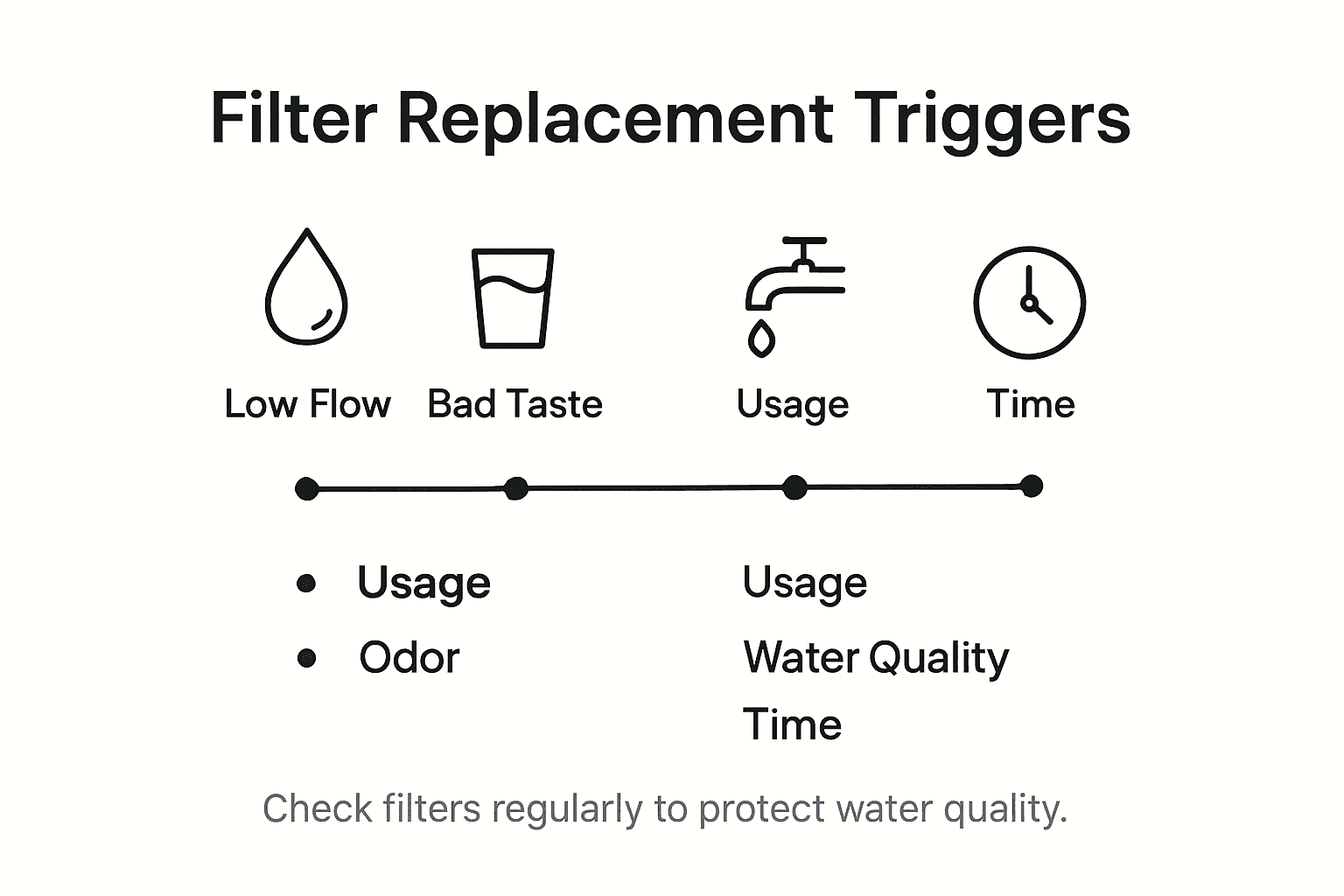
Key filter replacement triggers emerge from multiple factors, including mechanical performance metrics and contaminant accumulation. Mechanical filtration systems trap large particles while adsorption processes fill filter media surfaces with captured contaminants, which gradually reduces water flow and purification efficiency. Homeowners should monitor several critical indicators that signal the need for filter replacement:
- Reduced Water Flow: A noticeable decrease in water pressure suggests filter pore clogging
- Unusual Taste or Odor: Changes in water flavor indicate compromised filtration
- Time in Service: Manufacturer recommended replacement cycles based on gallons filtered
- Visual Inspection: Visible sediment or discoloration of filter media
Water Quality Impact: Neglecting filter replacement can lead to decreased purification performance, potentially allowing contaminants to pass through and compromising household water safety. Professional water quality experts recommend tracking both manufacturer guidelines and actual usage patterns to determine optimal replacement timing.
Pro tip: Keep a maintenance log tracking filter usage, replacement dates, and water quality observations to establish a personalized replacement schedule for your specific water purification system.
Types of Filters and Their Replacement Indicators
Home water purification systems utilize multiple filter types, each with unique characteristics and replacement requirements. Water filters for home use include mechanical, ion-exchange, reverse osmosis, activated carbon, ultraviolet, distillation, and ceramic filters, presenting homeowners with diverse options for ensuring water quality and safety.
Mechanical Filters trap physical particles and sediment, with replacement indicators primarily focused on water flow reduction. These filters show clear signs of performance degradation:
- Visible sediment accumulation
- Decreased water pressure
- Discoloration of filter media
- Increased resistance during water flow
Activated Carbon Filters specialize in removing chemical contaminants, chlorine, and organic compounds. These filters lose adsorption capacity over time, requiring careful monitoring of performance and replacement based on manufacturer recommendations. Key replacement signals include:
- Altered water taste
- Persistent chemical odors
- Reduced chlorine and chemical removal effectiveness
- Recommended usage timeline
Advanced Filtration Systems like reverse osmosis and ultraviolet filters have more complex replacement protocols. Reverse osmosis membranes may degrade gradually, reducing water purity, while UV filters require periodic lamp replacement to maintain sterilization effectiveness.
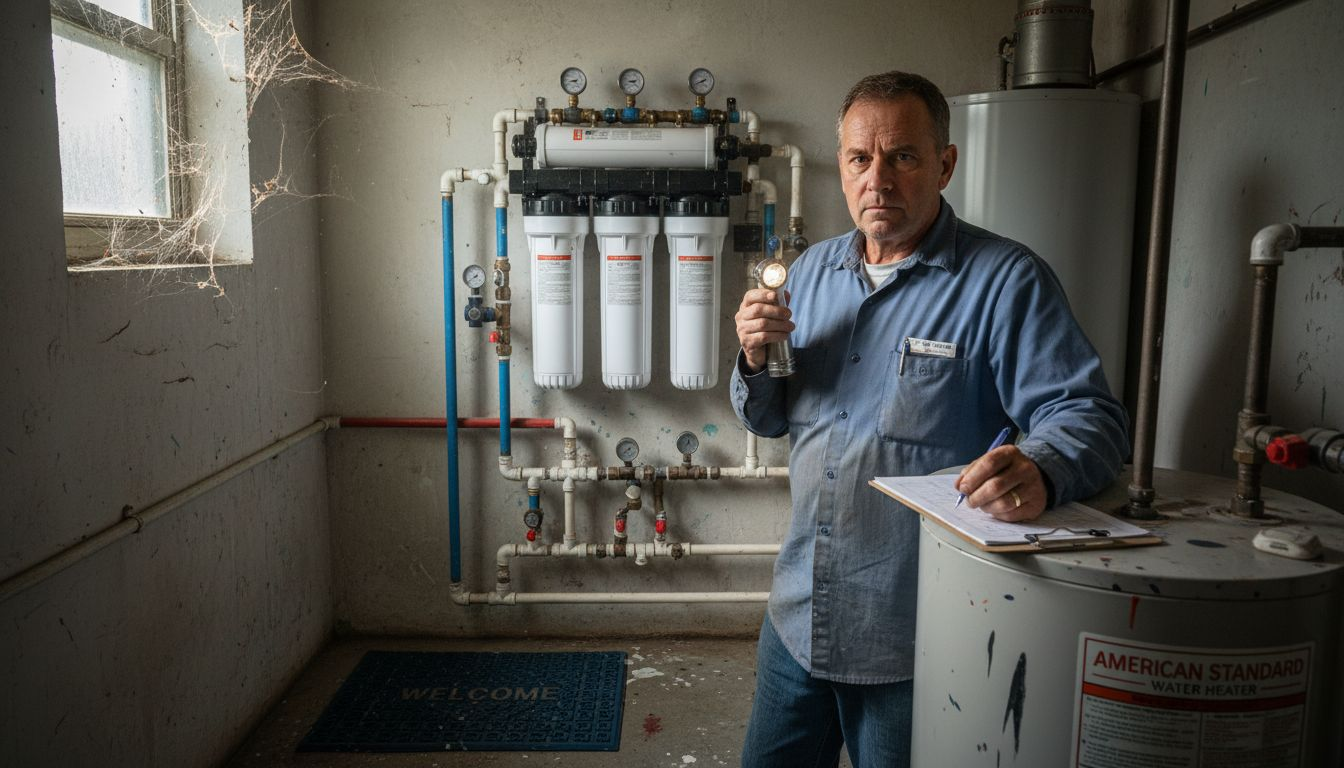
Pro tip: Create a maintenance calendar tracking each filter type’s specific replacement schedule, considering manufacturer guidelines and your household’s unique water usage patterns.
Here’s a quick comparison of common home water filter types and their maintenance complexity:
| Filter Type | Typical Replacement Interval | Maintenance Complexity | Key Maintenance Task |
|---|---|---|---|
| Mechanical | 3-6 months | Low | Check for clogs |
| Activated Carbon | 6-12 months | Moderate | Monitor taste and odor |
| Reverse Osmosis | 12-24 months (membrane) | High | Test TDS, replace membrane |
| Ultraviolet (UV) | 12 months (lamp) | Moderate | Replace UV lamp |
| Ceramic | 6-12 months | Low | Clean or replace element |
How Usage Patterns and Water Quality Affect Timing
Home water filtration systems experience dramatically different lifespans based on specific household usage and local water characteristics. Filter life varies significantly with water quality and usage, with poor water conditions accelerating media exhaustion and requiring more frequent replacements, making personalized monitoring critical for maintaining optimal water purification performance.
Water Quality Factors directly impact filter replacement timing through multiple mechanisms:
- Total Dissolved Solids (TDS): Higher mineral content increases filter strain
- Turbidity: Muddy or sediment-rich water clogs filters faster
- Contaminant Concentration: More pollutants require more frequent media replacement
- Local Water Source Characteristics: Municipal versus well water have different impacts
Usage Intensity plays an equally significant role in determining filter longevity. Reverse osmosis pre-filters typically require replacement every 3 to 6 months, but actual lifespan depends on total dissolved solids and daily water consumption. Households with larger families or higher water demand will experience faster filter degradation compared to smaller households.
Professional water quality experts recommend developing a customized replacement strategy that goes beyond manufacturer guidelines. This approach involves regular water testing, tracking filter performance metrics, and maintaining detailed usage logs to anticipate potential filtration system challenges before they compromise water quality.
Pro tip: Invest in a water quality testing kit to track TDS levels and contaminant changes, helping you predict and schedule filter replacements more accurately than generic manufacturer recommendations.
The following table highlights how water quality and usage patterns influence filter lifespan:
| Factor | Effect on Filter Life | Example Scenario |
|---|---|---|
| High TDS levels | Shortens lifespan | Hard well water in rural area |
| High family usage | Accelerates replacement | Large household |
| High sediment/turbidity | Faster clogging | Water after heavy rainstorm |
| Low contaminant water | Extends lifespan | Filtered municipal supply |
Manufacturer Recommendations Versus Actual Needs
Manufacturer recommendations for filter replacement represent standardized guidelines based on controlled testing environments, but real-world water conditions often demand a more nuanced approach to maintaining water purification systems. Homeowners must recognize that these standard timelines serve as general guidance rather than absolute rules for filter replacement.
Factors Challenging Manufacturer Guidelines include:
- Variations in local water quality
- Household water consumption patterns
- Specific contaminant levels in municipal or well water
- Individual home water usage intensity
- Regional environmental conditions
Consumer experiences demonstrate that actual filter longevity varies significantly from manufacturer recommendations due to unique household water characteristics. While standard guidelines suggest replacing filters at predetermined intervals, smart homeowners develop personalized replacement strategies by monitoring actual performance indicators.
Professional water quality experts recommend a dynamic approach to filter maintenance. This involves tracking water flow rates, conducting periodic water quality tests, and observing changes in taste or clarity. By creating a customized monitoring system, households can optimize filter performance beyond generic manufacturer suggestions, ensuring consistent water quality and extending potential filter lifespan.
Pro tip: Create a detailed log tracking water quality test results, filter performance metrics, and replacement dates to develop a personalized filter maintenance strategy that transcends standard manufacturer recommendations.
Health Impacts of Delaying Filter Replacement
Delaying water filter replacement can result in significant health risks by compromising the effectiveness of contaminant removal mechanisms, potentially exposing households to dangerous substances that standard filtration systems are designed to eliminate. Compromised filters gradually lose their ability to protect against harmful microorganisms and chemical contaminants.
Primary Health Risks Associated with Delayed Filter Replacement include:
- Increased exposure to toxic chemicals
- Potential bacterial and microbial contamination
- Reduced removal of heavy metals
- Compromised immune system protection
- Higher risks of long-term health complications
Scientific studies have demonstrated that improperly maintained filters can actually increase dangerous contaminant levels, potentially leading to serious health conditions such as thyroid disease, immune system disorders, and elevated cancer risks. Specifically, persistent organic pollutants like PFAS can accumulate in filters that are not replaced regularly, creating a counterintuitive scenario where the filtration system becomes a potential health hazard.
Water quality experts emphasize that filter maintenance is not merely a technical requirement but a critical health protection strategy. Consistent monitoring, timely replacement, and understanding your specific water quality challenges are essential in maintaining a safe drinking water environment for your household.
Pro tip: Schedule filter replacement reminders in your digital calendar and conduct quarterly water quality tests to stay proactive about your home’s drinking water safety.
Protect Your Home’s Water Quality with Timely Filter Replacement Solutions
Understanding when and why to replace water purifier filters is essential to maintaining clean, healthy drinking water. The risks of delayed filter changes, such as reduced filtration efficiency and potential health hazards, highlight the need for reliable water purification systems that combine advanced technology with user-friendly maintenance schedules. If you want peace of mind about your household’s water safety, choosing a purifier designed for easy monitoring and timely maintenance is vital.
Experience the benefits of cutting-edge filtration technologies like UV sanitization and multi-stage filters that adapt to your water quality needs. Explore how our models help you avoid the common pitfalls of filter neglect while delivering crisp, pure water at every use. Learn more about effective filter care and find the ideal unit tailored to your home’s unique water conditions in the Uncategorized Archives – Coway Water Purifier.
Don’t wait until your water quality declines. Visit https://cowayswaterpurifier.com now to discover comprehensive water purification systems that come with expert support, installation, and maintenance options. Take control of your water safety today by choosing Coway’s trusted range and start safeguarding your family with the perfect filter replacement schedule.
Frequently Asked Questions
What are the main indicators that it’s time to replace my water filter?
Key indicators for filter replacement include reduced water flow, unusual taste or odor in the water, time in service based on manufacturer recommendations, and visual inspection of the filter for sediment or discoloration.
How often should I replace my activated carbon filter?
Activated carbon filters typically need replacement every 6-12 months, but it’s essential to monitor for altered water taste, persistent chemical odors, and the manufacturer’s recommended usage timeline to determine optimal replacement timing.
Does water quality affect filter lifespan, and how can I monitor it?
Yes, factors like total dissolved solids (TDS), turbidity, and contaminant concentration can significantly affect filter lifespan. Regular water testing using a TDS meter can help you track changes and anticipate necessary filter replacements.
Why is it important to adhere to filter replacement schedules?
Adhering to replacement schedules is crucial because delaying filter changes can lead to decreased purification performance and increased exposure to harmful contaminants, which can pose serious health risks to you and your family.
Recommended
- Filter Replacement – Why Timely Changes Matter – Coway Water Purifier
- Filter Replacement Cycles: Why Timing Matters – Coway Water Purifier
- Importance of Regular Filter Replacement – Safeguarding Health at Home – Coway Water Purifier
- Water Filter Replacement Workflow for Safe Drinking Water – Coway Water Purifier
- Understanding Water Damage Prevention Tips for Businesses – Mats4U USA
