
Uncategorized
Filter Replacement – Why Timely Changes Matter
Dec
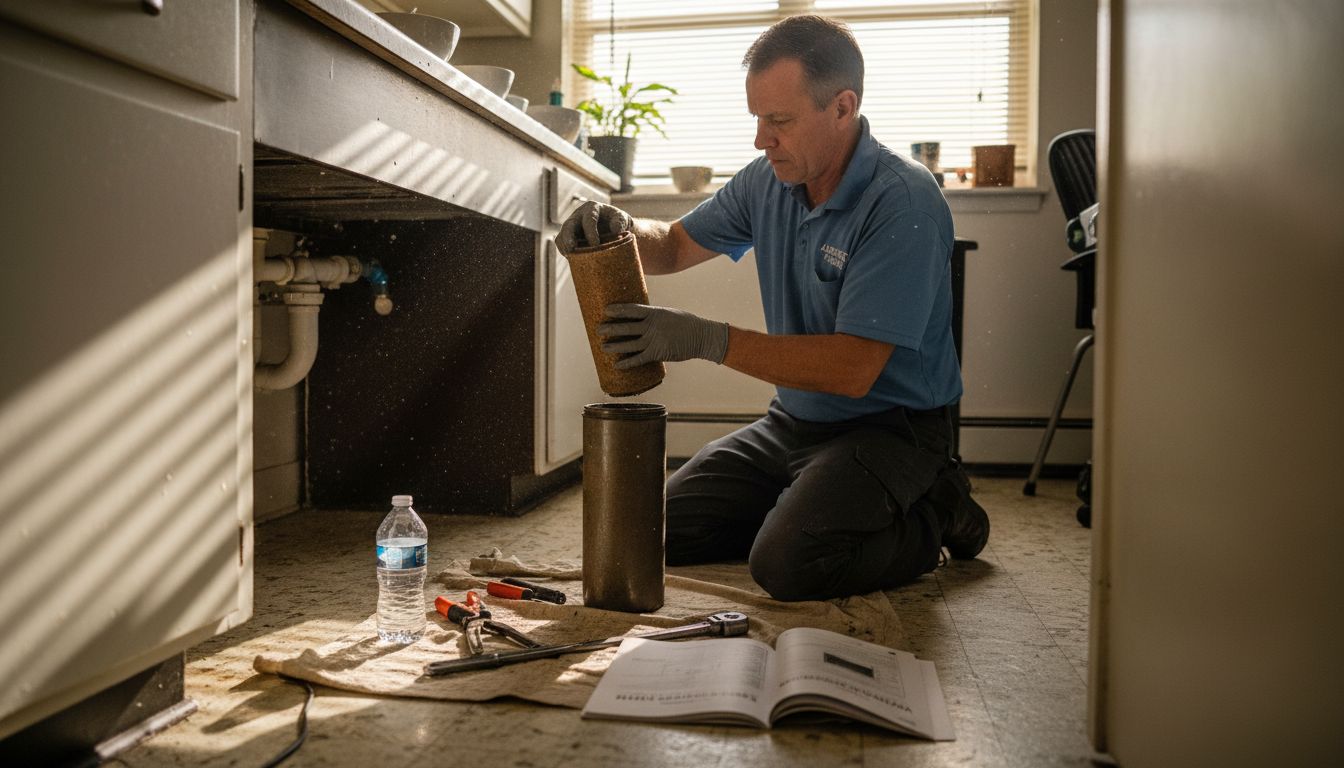
Every American household relies on clean air and safe water, yet nearly 60 percent of homeowners admit they forget to replace filters on schedule. This simple task plays a critical role in preventing system failures and maintaining health standards, especially given the rising concerns over indoor air pollution and water quality. Understanding the whole picture behind filter replacement, from how filters degrade to warning signs of wear, empowers you to make safer, smarter choices for your living environment.
Table of Contents
- What Filter Replacement Really Means
- Main Types of Water and Air Filters
- How Filtration Systems Wear Out Over Time
- Recognizing When Filters Need Replacing
- Risks and Costs of Delayed Replacement
- Common Mistakes in Filter Maintenance
Key Takeaways
| Point | Details |
|---|---|
| Importance of Filter Replacement | Regular filter replacement is essential for maintaining filtration efficiency and preventing system failures. It prevents increased operational costs and potential health risks. |
| Types of Filters | Understanding various filter types, such as Activated Carbon and Reverse Osmosis, allows users to make informed choices based on specific contaminants and applications. |
| Indicators for Replacement | Users should watch for signs like reduced pressure and unusual odors to determine when to replace filters, ensuring optimal performance. |
| Avoiding Maintenance Mistakes | Proactive monitoring and adhering to manufacturer recommendations for filter maintenance can prevent costly errors and extend system lifespan. |
What Filter Replacement Really Means
Filter replacement goes far beyond simply swapping out an old component. It represents a critical maintenance process that preserves the performance and safety of filtration systems across multiple domains, from water purification to industrial applications. Filter replacement involves systematically removing and reinstalling specialized media designed to trap contaminants, ensuring consistent operational quality.
At its core, filter replacement addresses the gradual degradation of filtration capabilities. Researchers examining granular and membrane filters have demonstrated that over time, filter materials become compressed and saturated, dramatically reducing their ability to effectively capture impurities. This compression process directly impacts the filter’s permeability and overall performance, potentially compromising the entire system’s integrity.
The replacement process involves several key considerations that extend beyond simple component exchange. Technical experts recognize that effective filter replacement requires understanding:
- Specific filter material characteristics
- Recommended replacement intervals
- Contamination load in the specific environment
- Manufacturer’s precise specifications
Advanced research exploring applied pressure dynamics further emphasizes that neglecting timely filter replacement can lead to operational shutdown and significant performance degradation. Proactive replacement prevents potential system failures, maintains optimal filtration efficiency, and protects downstream equipment from potential contamination risks.
Ultimately, filter replacement represents a strategic maintenance approach that balances technical precision with preventative care. By recognizing filters as dynamic components rather than static parts, users can ensure consistently high-quality filtration performance across diverse applications.
Main Types of Water and Air Filters
Water and air filtration technologies encompass a diverse range of specialized systems designed to remove contaminants and improve environmental quality. Filter types vary significantly based on their specific application, filtration mechanism, and target contaminants, making selection a critical decision for homeowners and industrial users alike.
Comprehensive research investigating water filtration technologies reveals several primary categories of filters, each with unique characteristics and performance capabilities:
- Activated Carbon Filters: Excellent for removing organic compounds, chlorine, and improving taste
- Reverse Osmosis Filters: Highly effective at removing dissolved solids and microscopic contaminants
- Ultrafiltration Membrane Filters: Capable of blocking bacteria and large molecular compounds
- Screen Filters: Designed for physical particle separation in water systems
Screen filters represent a fundamental filtration approach that utilizes physical barriers to trap larger particulates. These filters function by creating a mesh-like structure that prevents debris, sediment, and larger contaminants from passing through, serving as a crucial first-line defense in many water purification processes.
Air filtration systems similarly offer multiple technologies, including HEPA filters for particle removal, activated carbon filters for odor and chemical elimination, and electrostatic filters that use electrical charges to capture microscopic pollutants. Understanding these diverse filter types enables more informed decisions about protecting indoor air and water quality, ensuring healthier living environments across residential and commercial settings.
How Filtration Systems Wear Out Over Time
Filtration systems are not permanent solutions, but dynamic mechanisms that progressively deteriorate with continuous use. Filter degradation is a complex process involving multiple physical and chemical interactions that systematically reduce a filter’s effectiveness and performance over time.
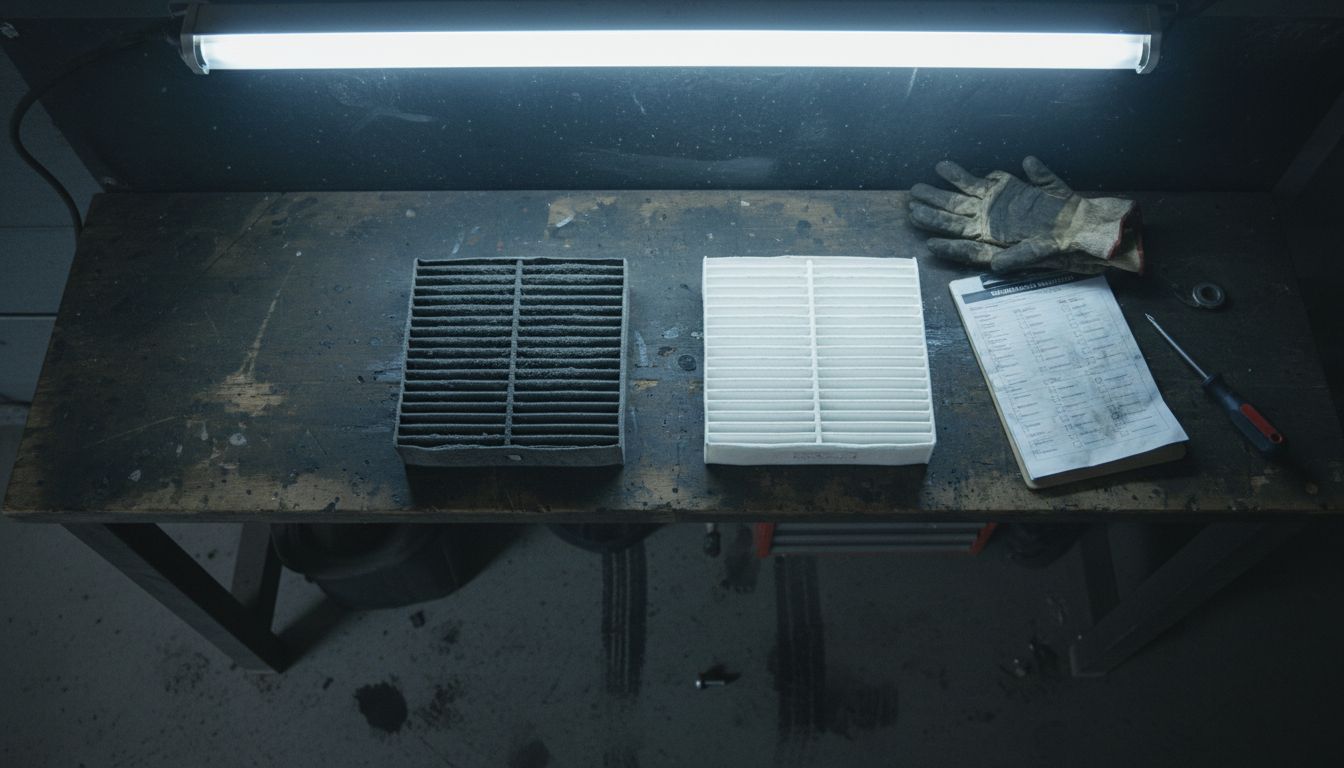
Advanced research exploring applied pressure dynamics reveals that mechanical stress plays a critical role in filter deterioration. Continuous pressure applied during filtration gradually compresses filter media, reducing its internal porosity and permeability. This compression directly impacts the filter’s capacity to trap contaminants, ultimately leading to decreased efficiency and potential system breakdown.
The wear-out process involves several key degradation mechanisms:
- Mechanical compression of filter materials
- Accumulation of trapped contaminants
- Chemical interactions with filtered substances
- Gradual loss of structural integrity
Detailed studies examining porosity gradients demonstrate how filter materials undergo microscopic structural changes that compromise their long-term performance. These changes occur incrementally, often without immediate visible signs, making regular assessment and timely replacement crucial for maintaining optimal filtration quality.
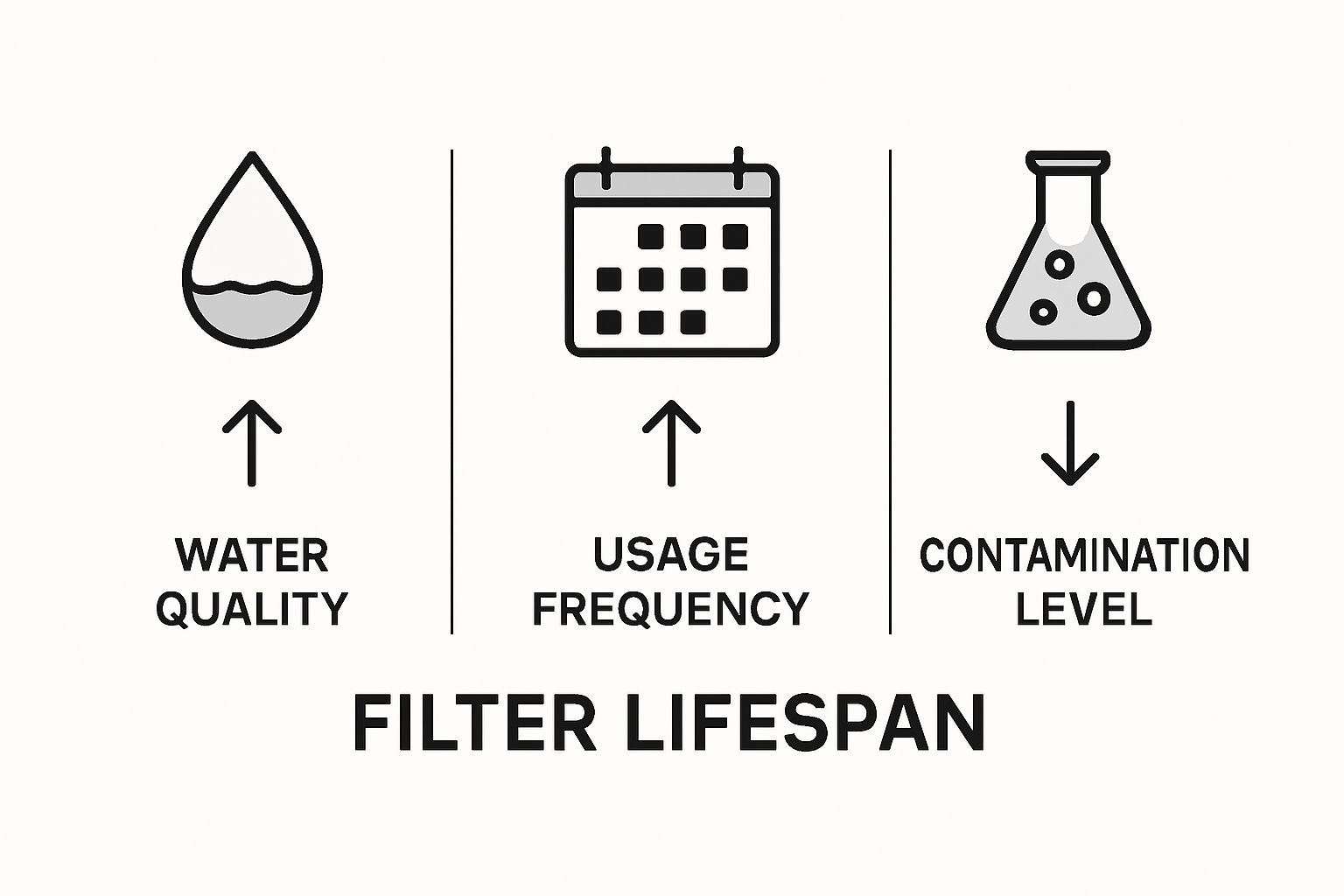
Environmental factors such as water quality, usage frequency, and contamination levels significantly accelerate filter degradation. Homeowners and facility managers must recognize that filters are consumable components, not permanent installations. Proactive monitoring, understanding wear patterns, and adhering to manufacturer-recommended replacement schedules are essential strategies for ensuring consistent filtration performance and protecting downstream systems from potential contamination risks.
Recognizing When Filters Need Replacing
Recognizing the right moment to replace a filter is crucial for maintaining optimal system performance and ensuring continued protection against contaminants. Filter replacement indicators are not always obvious, requiring a nuanced understanding of both visual and performance-related signs that signal potential degradation.
Scientific research exploring filter compression dynamics reveals that decreasing permeability serves as a critical early warning sign of filter deterioration. Reduced water flow, unusual taste, or changes in filtration efficiency can indicate that internal filter structures are becoming compressed and losing their ability to effectively trap impurities.
Key indicators that suggest a filter needs immediate replacement include:
- Noticeably reduced water pressure
- Unusual or unpleasant odors
- Discoloration of filtered water
- Visible sediment or particles in filtered output
- Exceeding manufacturer-recommended usage timeline
Detailed studies on filter porosity changes demonstrate that microscopic structural alterations occur gradually, often without dramatic external signs. This subtle degradation means homeowners must be proactive, tracking usage duration and monitoring system performance rather than waiting for catastrophic failure.
Beyond technical indicators, environmental factors play a significant role in filter longevity. Water quality, usage frequency, and specific contaminant levels can dramatically accelerate wear. Regular maintenance, periodic professional assessments, and maintaining detailed usage logs enable more precise filter replacement strategies, ultimately protecting both the filtration system and the end-user from potential contamination risks.
Risks and Costs of Delayed Replacement
Delayed filter replacement is far more than a simple maintenance oversight—it represents a critical financial and health risk that can have cascading consequences across residential and commercial systems. Filter neglect transforms what should be a routine maintenance task into a potential economic and safety nightmare.
Research exploring system shutdown dynamics reveals that prolonged filter usage can lead to complete operational breakdown, resulting in exponentially higher replacement and repair costs compared to routine maintenance. The progressive deterioration of filter media means that each day of delayed replacement incrementally increases the risk of total system failure.
The multifaceted risks of delayed filter replacement include:
- Dramatically reduced filtration efficiency
- Increased potential for contaminant breakthrough
- Higher energy consumption by stressed systems
- Accelerated wear on downstream equipment
- Potential health risks from compromised filtration
- Voiding manufacturer warranties
Comprehensive studies on maintenance neglect demonstrate that the economic impact extends beyond immediate repair costs. Contamination risks, decreased system performance, and potential health complications can create long-term financial burdens that far exceed the modest expense of timely filter replacement.
Financial prudence dictates a proactive approach. While the upfront cost of regular filter replacement might seem like an unnecessary expense, it represents a minimal investment compared to the potential catastrophic expenses of system failure, equipment damage, and health-related consequences. Treating filter maintenance as a strategic investment rather than an optional task ensures consistent performance, extends equipment lifespan, and provides critical protection for both residential and commercial environments.
Common Mistakes in Filter Maintenance
Filter maintenance is a nuanced process that demands precision and attention to detail. Maintenance errors can transform what should be a straightforward task into a complex problem with far-reaching consequences for system performance and user safety.
Research exploring pressure-induced filter compression reveals that one of the most critical maintenance mistakes is neglecting systematic pressure monitoring. Technicians and homeowners frequently overlook the gradual compression of filter media, which can lead to unexpected system failures and dramatically reduced filtration efficiency.
Common maintenance mistakes include:
- Ignoring manufacturer-recommended replacement schedules
- Failing to track filter usage and performance metrics
- Using incorrect replacement filters
- Skipping pre-filter and post-filter assessments
- Improper handling during filter replacement
- Neglecting system cleaning between filter changes
Detailed studies on filter porosity dynamics demonstrate that overlooking microscopic structural changes represents another significant maintenance oversight. Most individuals treat filters as static components, when in reality they are complex systems with evolving performance characteristics that require sophisticated understanding and proactive management.
Successful filter maintenance demands a holistic approach that goes beyond simple component replacement. Homeowners and facility managers must develop a comprehensive strategy that includes regular performance tracking, understanding environmental variables, and maintaining detailed usage logs. By treating filter maintenance as a precise scientific process rather than a routine chore, users can significantly extend system lifespan, maintain optimal performance, and prevent costly unexpected failures.
Keep Your Filtration System Performing at Its Best with Timely Filter Replacement
Understanding when and why to replace your filter is vital to avoid the risks of decreased water quality, reduced system efficiency, and costly repairs. This article emphasizes how filter compression and gradual wear can silently compromise your filtration system. If you want to maintain clean, safe water and air with advanced technology designed to prevent contamination and ensure long-lasting performance, it is crucial to act before small issues turn into expensive problems.
Explore the range of premium water purifiers and air purifiers at Coway Water Purifier that come equipped with cutting-edge filtration technology and comprehensive service options like free installation and maintenance. Learn more about maintaining your system and view expert tips on filter replacement in our Uncategorized Archives – Coway Water Purifier. Don’t wait until your filters are visibly clogged or your water quality suffers; invest in reliable filtration solutions today to protect your family’s health and your home’s safety.
Frequently Asked Questions
What is filter replacement and why is it important?
Filter replacement involves systematically removing and reinstalling filtration media to ensure operational quality and performance. It is essential for maintaining the efficiency of filtration systems and protecting them from degradation due to contaminant buildup.
How can I tell when my filter needs to be replaced?
Key indicators that suggest a filter needs replacement include noticeably reduced water pressure, unusual odors, discoloration of filtered water, the presence of visible sediment, or reaching the manufacturer’s recommended usage timeline.
What risks are associated with delaying filter replacement?
Delayed filter replacement can lead to dramatically reduced filtration efficiency, increased risk of contaminant breakthrough, higher energy consumption, accelerated wear on equipment, potential health risks, and voided manufacturer warranties.
What common mistakes should I avoid during filter maintenance?
Common mistakes include ignoring manufacturer-recommended replacement schedules, failing to track filter usage and performance metrics, using incorrect replacement filters, not assessing system cleanliness, and improperly handling filters during replacements.
Recommended
- Understanding Why Change Purifier Filters Matters for Health – Coway Water Purifier
- The Essential Guide to Regular Filter Replacement – Coway Water Purifier
- Understanding Water Filter Lifespan: Key Insights Explained – Coway Water Purifier
- 2025 Water Filtration Trends: Complete Guide – Coway Water Purifier
- Diesel Particulate Filter Maintenance for Professionals – My WordPress
