
Uncategorized
2025 Water Filtration Trends: Complete Guide
Nov
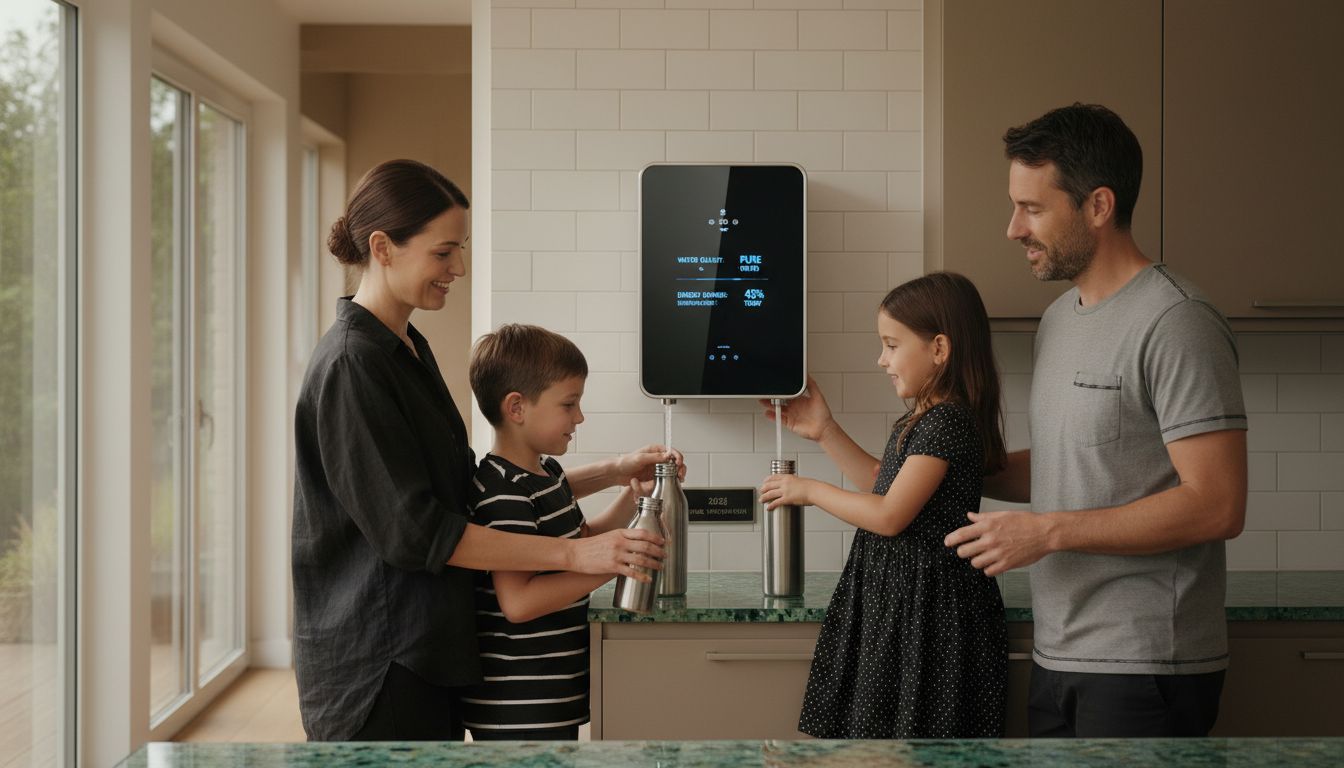
Clean water is no longer just about taste or clarity. Studies show over 60 percent of homeowners want smarter, more sustainable filtration. This shift is driving a wave of innovation that puts intelligent, eco-friendly technology at the heart of water purification. As new advancements emerge, consumers are discovering filtration solutions that protect health, reduce environmental impact, and adapt to changing needs in ways that were unimaginable only a few years ago.
Table of Contents
- Defining 2025 Water Filtration Trends
- Emerging Technologies In Water Purification
- Key Innovations In Filter Design And Materials
- Smart Filtration Systems And Connected Features
- Environmental And Regulatory Influences In 2025
- Comparing Traditional And Next-Gen Water Solutions
Key Takeaways
| Point | Details |
|---|---|
| Emerging Technologies | Water filtration is evolving towards advanced multi-stage systems, integrating technologies like AI and real-time monitoring to enhance water quality management. |
| Sustainability Focus | The industry is prioritizing eco-friendly materials and energy-efficient designs, aligning with consumer demand for responsible and effective filtration solutions. |
| Regulatory Influences | Stricter environmental regulations are pushing manufacturers to innovate rapidly, ensuring their systems exceed safety standards and effectively address emerging contaminants. |
| Personalization of Solutions | Water filtration technologies are becoming highly personalized, capable of adapting to unique household water quality challenges for improved health and safety. |
Defining 2025 Water Filtration Trends
Water filtration technology is rapidly transforming how we approach clean drinking water. In 2025, emerging trends are not just about removing contaminants but creating holistic, intelligent water purification systems that adapt to individual household needs. The landscape of water filtration is shifting from basic filtration to comprehensive wellness solutions.
Key trends defining water filtration in 2025 include advanced multi-stage filtration technologies, smart connectivity, and sustainability-driven design. Intelligent filtration systems will leverage real-time monitoring, using embedded sensors to track water quality, detect potential contaminants, and automatically adjust filtration processes. These systems go beyond traditional filtering – they’re becoming proactive health guardians for residential and commercial environments.
Consumers are increasingly demanding water filtration solutions that balance technological sophistication with environmental responsibility. Understanding Water Purification Trends in 2025 reveals several critical developments:
- IoT-Enabled Filtration: Smart water purifiers that connect to mobile apps, providing instant water quality reports
- Eco-Friendly Materials: Filters constructed from sustainable, recyclable components
- Microplastic Removal: Advanced filtration targeting microscopic contaminants
- Energy Efficiency: Reduced power consumption without compromising performance
The convergence of technology, health consciousness, and environmental awareness is driving unprecedented innovation in water filtration. Consumers want more than just clean water – they want comprehensive wellness solutions that protect their health while minimizing ecological impact. As we move through 2025, expect water filtration technologies to become increasingly personalized, intelligent, and aligned with broader sustainability goals.
Emerging Technologies in Water Purification
Water purification technologies are undergoing a remarkable transformation, pushing the boundaries of what’s possible in contaminant removal and water quality enhancement. Research and Markets highlights groundbreaking advancements, particularly in technologies like capacitive deionization and integrated filtration systems that combine multiple purification methods.
Innovative approaches are emerging to tackle complex water contamination challenges. Le Monde reports on cutting-edge methods targeting persistent pollutants, including:
- Electrochemical Oxidation: Advanced technique for breaking down complex chemical structures
- Sonochemistry: Using sound waves to degrade contaminants
- Plasma Technologies: Innovative method for neutralizing harmful substances
These emerging technologies represent a quantum leap in water purification. Hybrid filtration systems are becoming increasingly sophisticated, integrating multiple technologies to create comprehensive water treatment solutions. By combining techniques like UV light, reverse osmosis, and advanced sensor technologies, water purification systems can now detect and eliminate contaminants with unprecedented precision.
The future of water purification is not just about removing impurities – it’s about creating intelligent, adaptive systems that can respond to specific water quality challenges. Researchers and technology developers are focusing on creating more sustainable, energy-efficient, and precise filtration methods that can address emerging environmental and health concerns. Understanding the Role of Filtration Technology reveals how these innovations are reshaping our approach to water treatment, promising cleaner, safer water for communities worldwide.
Key Innovations in Filter Design and Materials
Filter design and materials are experiencing a revolutionary transformation, driven by advanced scientific research and emerging technological capabilities. Astute Analytica highlights a significant shift towards intelligent filtration systems that incorporate sophisticated features like built-in remineralization stages and self-cleaning mechanisms, dramatically improving water treatment efficiency and user experience.
Le Monde reports groundbreaking developments in filter material technologies, particularly focusing on advanced solutions for persistent contaminant removal:
- Enhanced Activated Carbon: Improved absorption capabilities for complex chemical compounds
- 3D-Printed Membranes: Precision-engineered filtration surfaces for targeted contaminant capture
- Pre-Concentration Technologies: Advanced methods for isolating and removing challenging pollutants
The new generation of water filtration materials is characterized by unprecedented precision and adaptability. Nanomaterial-based filters are emerging as game-changers, utilizing microscopic structures that can selectively remove contaminants while preserving essential minerals. These innovative materials can distinguish between harmful substances and beneficial elements, creating a more nuanced approach to water purification.
Sustainability is now a core principle in filter design, with manufacturers developing eco-friendly materials that reduce environmental impact without compromising performance. 7 Top Water Filtration Methods You Need to Know demonstrates how cutting-edge research is transforming filter materials from passive screening tools to active, intelligent systems that can adapt to changing water quality conditions. The future of water filtration lies in creating smart, responsive technologies that protect human health while maintaining environmental stewardship.
Smart Filtration Systems and Connected Features
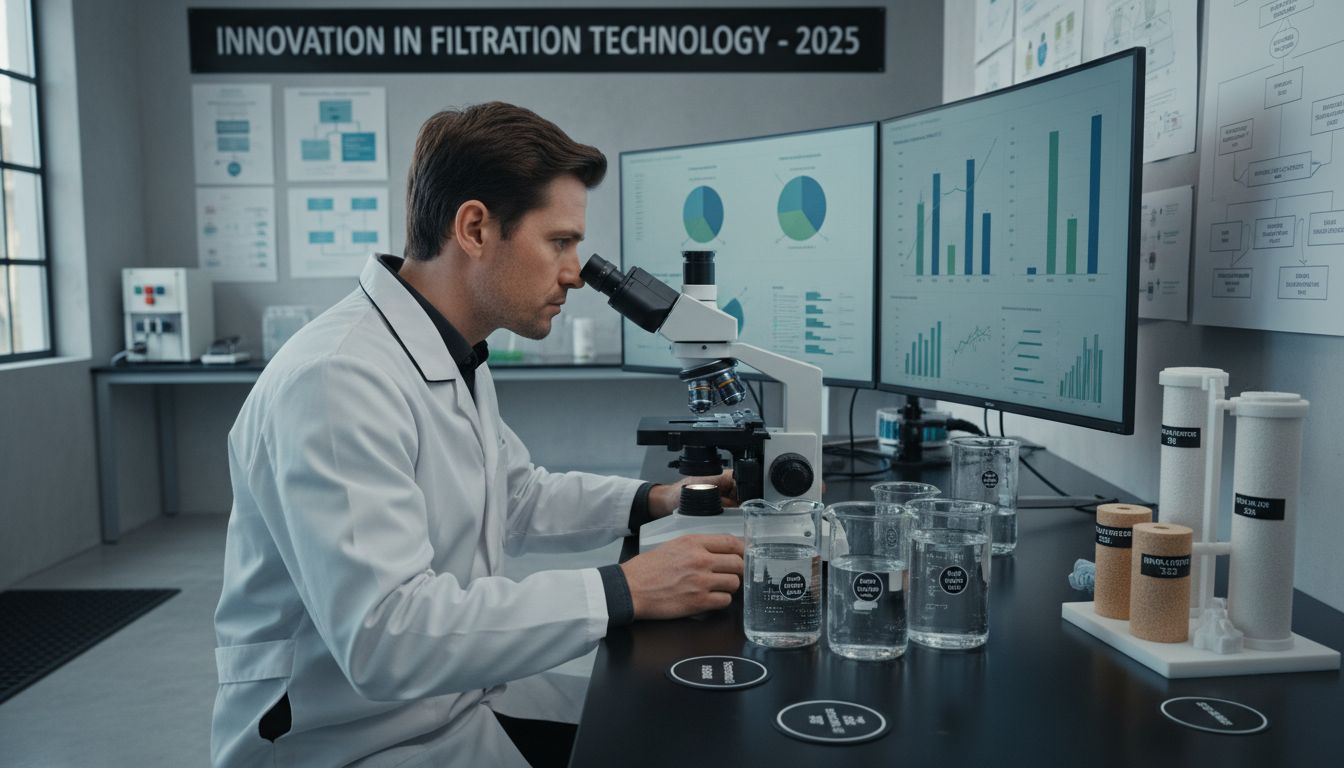
Smart water filtration has evolved from a futuristic concept to an everyday reality, transforming how we interact with and manage our home water systems. Tom’s Guide highlights this technological revolution, showcasing advanced systems that integrate artificial intelligence, real-time monitoring, and unprecedented user connectivity.
The core features of modern smart filtration systems represent a quantum leap in water treatment technology:
- AI-Powered Diagnostics: Intelligent systems that predict maintenance needs
- Voice Control Integration: Hands-free operation and system management
- Mobile App Connectivity: Real-time water quality tracking and system control
- Automated Maintenance Alerts: Proactive notifications for filter replacements and system health
These connected systems go beyond traditional filtration, offering a comprehensive approach to water management. Predictive maintenance technologies enable users to monitor water quality in real-time, receiving instant alerts about potential issues or required system interventions. The integration of machine learning algorithms allows these systems to adapt and optimize performance based on individual household water consumption patterns and quality.
The future of water filtration is fundamentally about creating intelligent, responsive ecosystems that prioritize user convenience and water safety. Advanced Water Filtration Guide for Healthier Homes demonstrates how smart technologies are transforming water treatment from a passive process to an active, personalized experience. Users can now have unprecedented insight and control over their home water systems, making informed decisions about water consumption, quality, and health with just a few taps on their smartphone.
Environmental and Regulatory Influences in 2025
The landscape of water filtration is being dramatically reshaped by increasingly stringent environmental regulations and public health initiatives. AP News reports significant regulatory movements, particularly focusing on the Biden administration’s comprehensive approach to limiting harmful chemical contaminants in drinking water.
Time highlights the Environmental Protection Agency’s (EPA) critical regulatory framework, which includes pivotal developments:
- PFAS Chemical Restrictions: Comprehensive limitations on six prevalent chemical compounds
- Maximum Contaminant Level Standards: Scientifically defined thresholds for water safety
- Implementation Timeline: Staged regulatory enforcement through 2026
- Public Health Protection: Targeted reduction of chemical exposure risks
These emerging regulatory standards are compelling water filtration manufacturers to rapidly innovate and adapt their technologies. Proactive compliance has become a critical driver of technological development, pushing companies to design filtration systems that not only meet but exceed governmental safety requirements. The regulatory environment is transforming water purification from a passive consumer product to a sophisticated, scientifically-driven health protection mechanism.
The intersection of environmental policy and water treatment technology represents a new frontier in public health protection. Complete Guide to Under Sink Filtration Systems demonstrates how regulatory pressures are accelerating technological innovations, creating more sophisticated, targeted filtration solutions that can effectively remove emerging contaminants while maintaining optimal water quality and mineral content.
Comparing Traditional and Next-Gen Water Solutions
Research and Markets highlights a profound technological transformation in water purification, revealing significant disparities between traditional filtration methods and cutting-edge next-generation solutions. The evolution from conventional techniques to advanced technologies represents a quantum leap in water treatment efficiency and contaminant removal.
Le Monde provides critical insights into the emerging technologies that are revolutionizing water purification:
- Traditional Methods: Reliance on basic filtration and chemical treatments
- Next-Gen Solutions: Advanced techniques like electrochemical oxidation
- Contaminant Removal: Dramatically improved precision and effectiveness
- Technological Sophistication: Intelligent, adaptive filtration systems
The core difference between traditional and next-generation water solutions lies in their approach to contaminant management. Intelligent filtration systems now employ sophisticated technologies like capacitive deionization, which allows for more precise and efficient water treatment. These advanced methods can selectively remove harmful substances while preserving essential minerals, a capability that traditional filtration methods simply cannot match.
Understanding What is Reverse Osmosis for Clean Water demonstrates how water purification has transformed from a one-size-fits-all approach to a highly personalized, technology-driven process. Next-generation solutions are not just about filtering water – they’re about creating intelligent, responsive systems that adapt to specific water quality challenges, providing unprecedented levels of protection and peace of mind for consumers.

Step Into the Future of Water Filtration with Coway
The article highlights how 2025 water filtration trends focus on intelligent systems that adapt to your home’s unique needs, combining eco-friendly materials, real-time monitoring, and advanced contaminant removal. If you worry about harmful pollutants like PFAS or want smart, energy-efficient technology that keeps your family safe and healthy, you are not alone. These new challenges demand solutions that go beyond basic filtration by offering personalized water quality management and proactive maintenance.
Discover how Coway’s innovative water purifiers align perfectly with these trends. Our products incorporate cutting-edge filtration technologies and smart features to deliver clean, safe water every day while supporting sustainability goals. Explore our collection at Uncategorized Archives – Coway Water Purifier to find the right system for your home.
Ready to upgrade to a smarter, healthier water solution now?
Visit Coway Water Purifier today and experience how advanced technology meets reliable health protection. Take control of your water quality and enjoy peace of mind with hassle-free delivery, installation, and ongoing maintenance. Your future of clean water starts here.
Frequently Asked Questions
What are the key trends in water filtration for 2025?
Key trends include advanced multi-stage filtration technologies, smart connectivity, and sustainability-driven design that create intelligent filtration systems for individual household needs.
How do smart water filtration systems work?
Smart water filtration systems utilize AI-powered diagnostics, real-time monitoring, and mobile app connectivity to provide insights into water quality and manage system maintenance automatically.
What are the benefits of using eco-friendly water filters?
Eco-friendly water filters are typically made from sustainable, recyclable materials, reducing environmental impact while also effectively removing contaminants, making them a responsible choice for health-conscious consumers.
How are next-generation water filtration systems different from traditional methods?
Next-generation systems employ advanced technologies like capacitive deionization and electrochemical oxidation, allowing for more precise contaminant removal and adaptive filtration compared to the basic chemical treatments used in traditional methods.
Recommended
- Understanding Water Purification Trends in 2025 – Coway Water Purifier
- Role of Sustainability in Water Purification: Complete Guide – Coway Water Purifier
- 7 Benefits of Water Filtration for Your Home and Health – Coway Water Purifier
- 7 Best Water Filtration Methods for Homes and Businesses – Coway Water Purifier
