
Uncategorized
Complete Guide to Under Sink Filtration Systems
Nov
Did you know that tap water in millions of homes can contain trace amounts of contaminants like lead and chlorine? Clean, great-tasting water matters for your family’s health and peace of mind. Under sink filtration systems have become a popular choice for homeowners who want reliable, advanced purification right from the kitchen tap. Discover how these systems combine convenience and powerful filtering, allowing you to enjoy safer water with every glass.
Table of Contents
- What Is Under Sink Filtration?
- Types of Under Sink Water Filters
- How Under Sink Filtration Systems Work
- Installation and Maintenance Considerations
- Comparing Under Sink vs. Other Filtration Options
- Cost, Benefits, and Potential Drawbacks
Key Takeaways
| Point | Details |
|---|---|
| Advanced Filtration | Under sink filtration systems provide targeted purification for drinking water, effectively removing a wide range of contaminants. |
| Variety of Options | Different types include Activated Carbon, Reverse Osmosis, and Ceramic filters, each with specific contaminant removal capabilities and benefits. |
| Installation & Maintenance | Proper installation and regular maintenance, including timely filter replacements, are crucial for optimal performance and water quality. |
| Cost Considerations | Initial investments range from $300 to $900, but long-term benefits such as improved taste and reduced bottled water expenses may justify the costs. |
What Is Under Sink Filtration?
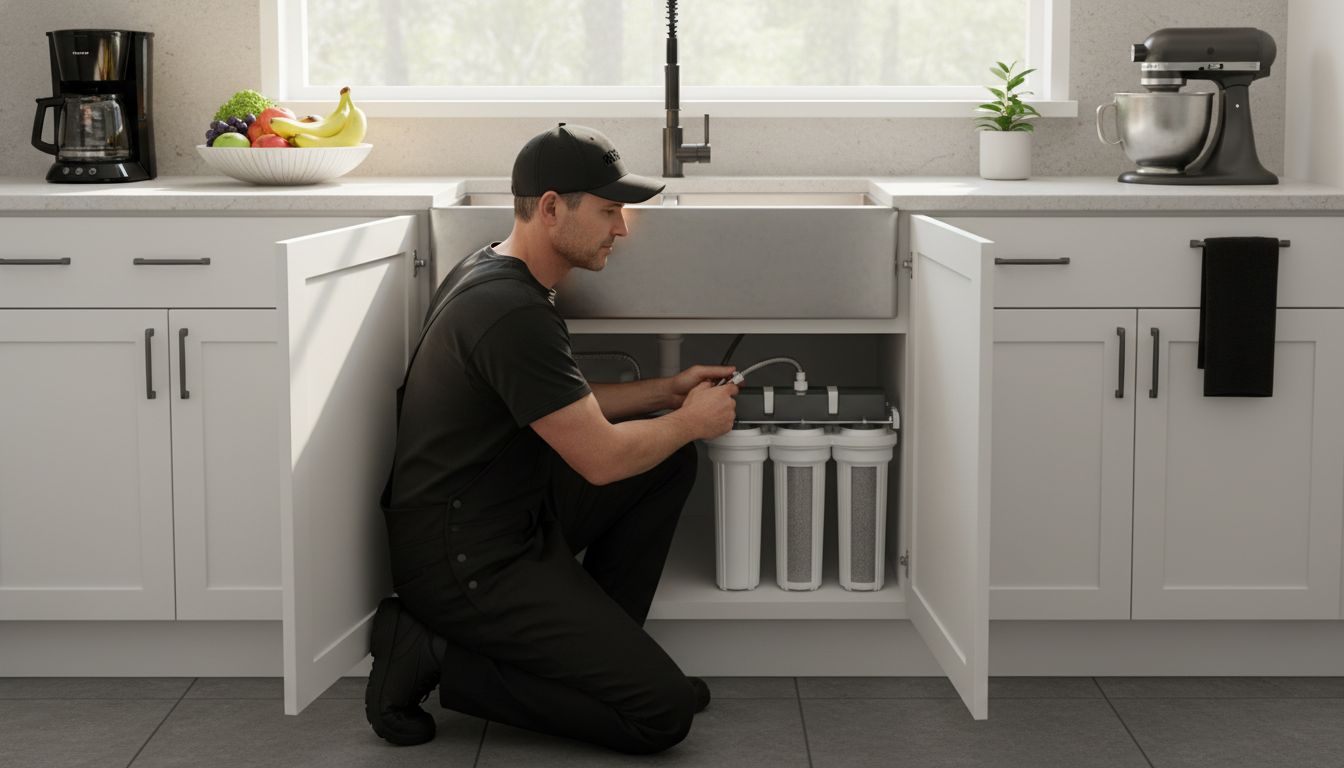
Under sink filtration systems represent an advanced water treatment solution designed to provide clean, safe drinking water directly from your kitchen tap. According to the EPA, these point-of-use water filters are installed beneath the kitchen sink, specifically engineered to remove various contaminants at the source.
These compact filtration systems connect directly to your water line, offering a convenient and efficient method of water purification. The NSF explains that under-sink filters provide a targeted solution for treating drinking water at a specific location, making them an ideal choice for homeowners seeking improved water quality.
Key Components of under sink filtration systems typically include:
- Dedicated filtration cartridges
- Direct water line connection
- Separate dispensing faucet
- Multi-stage filtering mechanism
The primary advantage of these systems lies in their ability to provide comprehensive water treatment right where you need it most. Unlike countertop or pitcher filters, under sink systems can handle larger volumes of water and often incorporate more advanced filtration technologies. They remain hidden from view, preserving your kitchen’s aesthetic while delivering crystal-clear, purified water with every pour.
For homeowners concerned about water quality, an under sink filtration system offers a robust solution that goes beyond basic water treatment. Learn more about the advantages of under sink purifiers in our comprehensive guide.
Types of Under Sink Water Filters
Under sink water filtration technologies offer diverse solutions for improving household water quality. According to the NSF, under-sink water filters come in several primary types, each designed to target specific water contaminants and provide unique purification benefits.
The most common types of under sink water filters include:
- Activated Carbon Filters
- Excellent for removing chlorine, sediment, and organic compounds
- Improve water taste and odor
- Most affordable filtration option
- Reverse Osmosis (RO) Systems
- Advanced multi-stage filtration process
- Removes up to 99% of dissolved solids
- Provides the most comprehensive water purification
- Ceramic Filters
- Effective at removing bacteria and particulate matter
- Long-lasting and cleanable filtration medium
- Ideal for areas with microbiological water concerns
As the EPA notes, each filter type varies in complexity and contaminant removal capabilities. Homeowners should evaluate their specific water quality needs when selecting an under sink filtration system.
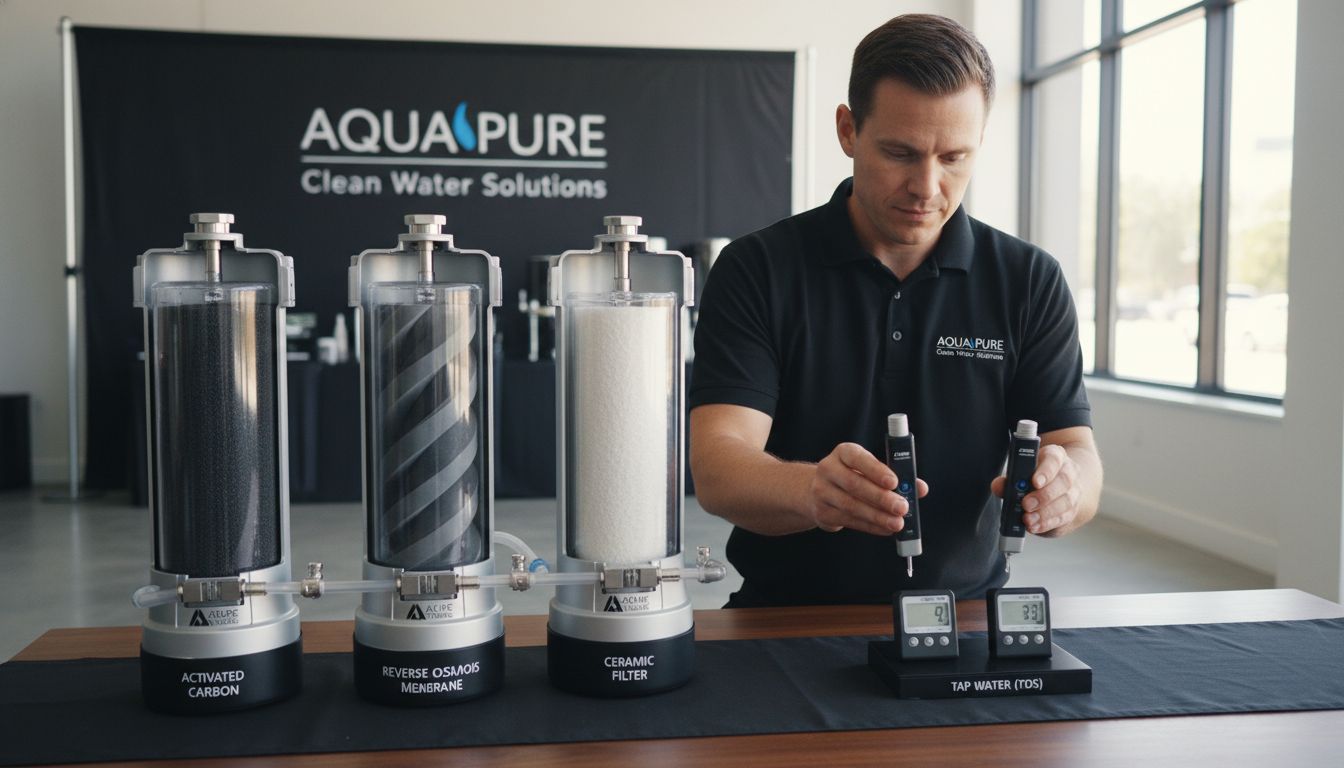
Here’s a comparison of the main types of under sink water filters:
| Filter Type | Contaminants Removed | Key Benefits | Typical Cost Range |
|---|---|---|---|
| Activated Carbon | Chlorine Sediment Organics |
Improves taste & odor Affordable |
$50 – $200 |
| Reverse Osmosis | Dissolved solids Heavy metals |
Most comprehensive Multi-stage |
$150 – $650 |
| Ceramic | Bacteria Particulates |
Long-lasting Cleanable |
$100 – $300 |
Multi-stage filtration systems combine different technologies to provide comprehensive water treatment, offering enhanced protection against a wide range of contaminants. Explore our guide on essential water filter types to find the perfect solution for your home.
How Under Sink Filtration Systems Work
Under sink filtration systems represent a sophisticated water treatment technology that transforms ordinary tap water into purified drinking water through a complex, multi-stage filtration process. According to the NSF, these systems typically employ a combination of specialized filters designed to target and remove different types of contaminants effectively.
Filtration Stages:
- Sediment Pre-Filtration
- Removes large particles like sand, rust, and debris
- Protects subsequent filter stages from clogging
- Improves overall water clarity
- Activated Carbon Filtration
- Eliminates chlorine, organic compounds, and unpleasant tastes
- Reduces chemical contaminants
- Improves water smell and flavor
- Advanced Membrane Filtration
- Removes microscopic impurities
- Blocks dissolved solids and potential harmful substances
- Provides maximum water purification
As the EPA explains, these systems direct water through various filter media, effectively reducing contaminants such as PFAS, lead, and other potentially harmful impurities before the water reaches your drinking faucet. The result is clean, safe, and great-tasting water that meets high-quality standards.
The intricate design ensures that water undergoes thorough purification, with each filter stage performing a specific role in eliminating different types of contaminants. Check out our step-by-step guide for setting up under sink filters to understand the installation process.
Installation and Maintenance Considerations
Successful under sink filtration system performance hinges on careful installation and consistent maintenance. According to the EPA, homeowners must carefully consider setup requirements and ongoing care to ensure optimal water quality and system longevity.
Key Installation Considerations:
- Professional vs. DIY installation
- Compatibility with existing plumbing
- Required tools and workspace preparation
- Electrical and water line connections
Maintenance Checklist:
- Regular Filter Replacements
- Track manufacturer’s recommended replacement schedule
- Monitor water quality and flow rate
- Keep detailed maintenance records
- System Inspection
- Check for potential leaks quarterly
- Examine filter housings and connections
- Clean exterior components periodically
The NSF emphasizes that regular maintenance, including timely filter replacements, is essential to ensure the system continues to effectively remove contaminants. Neglecting routine maintenance can compromise water quality and reduce the system’s overall performance.
Proper installation and maintenance not only protect your investment but also guarantee consistent access to clean, safe drinking water. Learn more about setting up under sink filters with our comprehensive installation guide.
Comparing Under Sink vs. Other Filtration Options
When it comes to home water purification, multiple filtration options compete for homeowners’ attention. According to the EPA, under-sink filters offer a unique solution by being installed directly beneath the sink and connected to the water line, providing targeted water treatment at a specific location.
Filtration Option Comparison:
- Under Sink Filtration
- Highest contaminant removal rate
- Dedicated treatment for drinking water
- Minimal countertop space required
- Permanent installation
- Countertop Filters
- Portable and easy to install
- Limited filtration capacity
- Takes up valuable kitchen space
- Less comprehensive purification
- Pitcher Filters
- Most affordable option
- Limited filter lifespan
- Requires frequent refilling
- Minimal contaminant removal
Key Advantages of Under Sink Systems:
- Advanced multi-stage filtration
- Consistent water pressure
- Invisible installation
- Long-term cost-effectiveness
The NSF reinforces that these systems provide a convenient solution for treating drinking water with superior efficiency compared to alternative methods. Explore our comprehensive guide comparing under sink and countertop purifiers to make an informed decision.
Cost, Benefits, and Potential Drawbacks
Investing in an under sink filtration system requires careful consideration of multiple financial and practical factors. According to the EPA, prices for water treatment systems vary significantly depending on the technology used, installation location, and specific contaminant removal capabilities.
Cost Breakdown:
- Initial Investment
- System price range: $200 – $600
- Professional installation: $100 – $300
- Total upfront cost: $300 – $900
- Ongoing Maintenance
- Annual filter replacements: $50 – $200
- Potential professional servicing: $100 – $250
Key Benefits:
- Superior water quality
- Reduced bottled water expenses
- Long-term health protection
- Improved taste and odor
Potential Drawbacks: As the NSF notes, under-sink systems may require professional installation and regular maintenance, which can increase overall costs. Additional considerations include:
- Complex installation process
- Space requirements under the sink
- Potential need for periodic professional servicing
- Higher initial investment compared to pitcher filters
While the upfront costs might seem significant, the long-term benefits of clean, filtered water often outweigh the initial expenses. Learn more about water filtration advantages in our comprehensive guide.
Discover Reliable Under Sink Filtration Solutions for Your Home
Struggling with concerns about water quality and complex filter installations? This article showed how under sink filtration systems deliver advanced multi-stage purification right at your kitchen tap. With benefits like reducing contaminants and preserving kitchen space, your goal is clear: clean, great-tasting water without the hassle. Coway understands these challenges and offers an outstanding range of under sink water purifiers designed to fit your lifestyle and ensure your family’s health.
Ready to upgrade to a dependable filtration system that combines cutting-edge technology with easy installation and maintenance? Explore our carefully curated products at Uncategorized Archives – Coway Water Purifier. For complete details on benefits and features, visit our main site Coway Water Purifier and take the next step toward fresher water today. Experience peace of mind knowing you made the right choice for your home’s hydration needs.
Frequently Asked Questions
What is an under sink filtration system?
Under sink filtration systems are advanced water treatment solutions installed beneath the kitchen sink that connect directly to the water line, designed to remove various contaminants and provide clean, safe drinking water from a dedicated faucet.
How do under sink filtration systems work?
These systems utilize a multi-stage filtration process that typically includes sediment pre-filtration, activated carbon filtration, and advanced membrane filtration to effectively remove contaminants such as bacteria, chlorine, and dissolved solids from tap water.
What are the different types of under sink water filters?
The main types include activated carbon filters, which remove chlorine and improve taste; reverse osmosis systems, which provide comprehensive purification by removing up to 99% of dissolved solids; and ceramic filters, which are effective at eliminating bacteria and particulates.
What maintenance is required for under sink filtration systems?
Regular maintenance includes tracking and replacing filters according to the manufacturer’s recommendations, inspecting the system for leaks, and cleaning exterior components to ensure optimal performance and continuous access to clean drinking water.
Recommended
- What is Under-Sink Water Purifier? Understanding Its Importance – Coway Water Purifier
- Complete Guide to Under Sink vs Countertop Purifiers – Coway Water Purifier
- 7 Advantages of Under-Sink Purifiers for Your Home – Coway Water Purifier
- Setting Up Under Sink Filters: A Step-by-Step Guide – Coway Water Purifier
