
Uncategorized
Role of filters in health: Improve your home quality

Mar
Many homeowners believe all water filters remove viruses, but that’s only half the truth. Understanding which filters tackle specific contaminants like lead, pathogens, and particulates is crucial for protecting your family’s health. This guide reveals how different filtration technologies work, debunks common myths, and shows you exactly how to choose and maintain systems that deliver real health benefits for your home.
Table of Contents
- Understanding Home Filtration Basics
- Health Impacts Of Contaminants Removed By Filters
- Debunking Common Misconceptions About Filters
- Comparing Filtration Technologies For Optimal Health
- Real-World Health Outcomes From Using Filters
- Selecting And Maintaining Your Home Filtration System
- Explore Coway’s Advanced Home Filtration Solutions
Key takeaways
| Point | Details |
|---|---|
| Targeted contaminant removal | Different filters address specific health risks, requiring informed selection for comprehensive protection. |
| Multi-stage systems excel | Combining technologies like HEPA, carbon, UV, and reverse osmosis offers superior family health safeguards. |
| Maintenance drives effectiveness | Timely filter replacement and regular cleaning sustain performance and prevent health risks from degraded filters. |
| Proven health outcomes | Proper filtration reduces gastrointestinal illnesses by 40% and allergy symptoms by 25%. |
Understanding home filtration basics
Before diving into health impacts, you need to know how common filters actually work. Each type targets different contaminants, and understanding these distinctions helps you build effective protection for your family.
Activated carbon filters work by adsorbing chemicals like chlorine and volatile organic compounds, which improves both taste and safety in your drinking water. They excel at removing odors and organic pollutants but don’t capture dissolved minerals or microbes. Reverse osmosis systems push water through semi-permeable membranes that filters remove heavy metals like lead and arsenic, plus dissolved salts. These systems are thorough but require water pressure and produce wastewater.
HEPA filters capture fine airborne particulates as small as 0.3 microns, making them essential for respiratory health. They trap dust, pollen, pet dander, and mold spores that trigger allergies and asthma. UV filters use ultraviolet light to disinfect water and air by deactivating bacteria, viruses, and other microbes without adding chemicals.
Here’s what each filter type removes:
- Activated carbon: chlorine, VOCs, pesticides, bad taste and odor
- Reverse osmosis: heavy metals, fluoride, nitrates, dissolved solids
- HEPA filters: allergens, dust, mold spores, fine particulates
- UV sterilization: bacteria, viruses, protozoa, microbial pathogens
No single filter handles everything. Comprehensive protection requires combining filtration technologies for health that address chemical, particulate, and microbial threats together.
Health impacts of contaminants removed by filters
Understanding the health effects of contaminants highlights why proper filter selection matters for your family. The risks lurking in unfiltered water and air can cause both immediate illness and long-term health problems.
Lead exposure from contaminated drinking water poses severe risks, especially for children. Even low levels cause developmental delays, learning difficulties, and behavioral problems that can persist for years. Unfiltered tap water can contain lead and pesticides exceeding EPA safety limits, particularly in homes with older plumbing.
Pathogenic bacteria and parasites in unfiltered water trigger gastrointestinal illnesses. You might experience nausea, diarrhea, vomiting, and stomach cramps from exposure to E. coli, Giardia, or Cryptosporidium. Immunocompromised individuals and young children face heightened vulnerability to these waterborne threats.
Indoor air particulates worsen respiratory conditions significantly. Dust, pollen, and mold spores circulating through your home aggravate asthma, trigger allergic reactions, and reduce lung function over time. You’re breathing these irritants constantly without proper filtration.
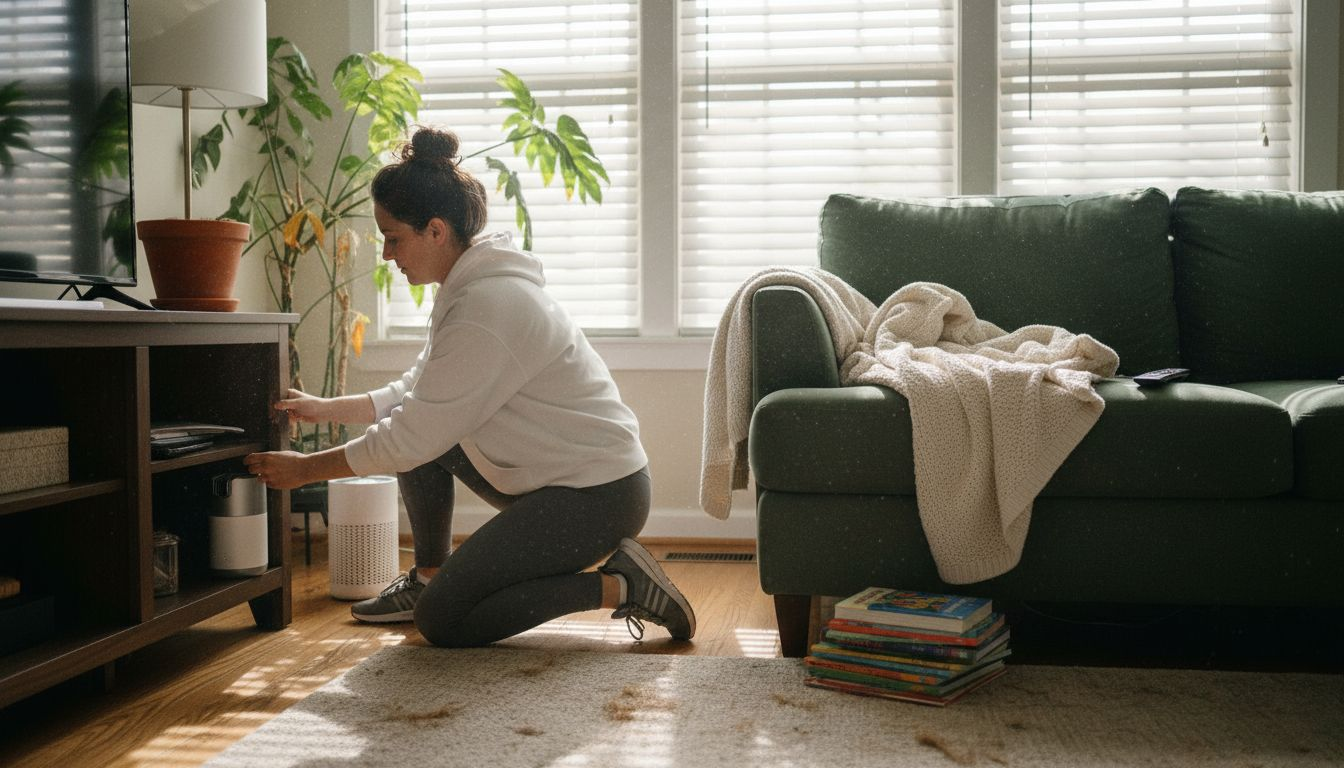
Volatile organic compounds from household products, building materials, and furnishings create invisible health hazards. Short-term VOC exposure causes headaches, dizziness, and eye irritation. Long-term exposure links to liver damage, kidney problems, and potential cancer risks.
These contaminant categories demonstrate why filtration reduces illness when you select systems that remove heavy metals and other threats. Protecting your family requires addressing multiple contamination sources simultaneously through comprehensive filtration approaches.
Debunking common misconceptions about filters
Clarifying misconceptions equips you to choose and maintain filtration systems wisely. Many homeowners make costly mistakes based on false assumptions about filter capabilities and care requirements.
The biggest myth is that all water filters remove viruses. Standard carbon and sediment filters don’t capture viral particles, which are too small for their pore sizes. You need reverse osmosis systems or UV sterilization for effective virus removal. Similarly, claiming one air purifier eliminates all indoor pollutants misleads consumers.
No single filter removes all contaminants including VOCs, particulates, and microbes alone. HEPA filters catch particles but ignore gases. Carbon filters adsorb chemicals but miss biologicals. Combining multiple media types addresses diverse threats.
Filter performance degrades predictably over time, yet many homeowners neglect replacement schedules. Saturated filters lose effectiveness and can release trapped contaminants back into your water or air. Bacterial growth on old filters creates new health hazards rather than preventing them.
Here’s how to maintain filter effectiveness properly:
- Follow manufacturer replacement schedules strictly, not when you remember
- Track usage hours or gallons processed to anticipate filter saturation
- Replace filters before performance drops, not after you notice problems
- Clean filter housings during replacements to prevent contamination buildup
- Test water quality periodically to verify your system still performs correctly
Pro Tip: Set smartphone reminders three weeks before your filter replacement date to order new filters in advance, ensuring you never run equipment with expired media.
Understanding filter replacement importance and maintaining regular purifier maintenance protects your family from the false security of installed but ineffective filters. Don’t let misconceptions compromise your home’s health protection.
Comparing filtration technologies for optimal health
With filtered misconceptions, let’s explore how different technologies stack up to help you choose wisely. Each system offers distinct advantages and limitations that affect your family’s health protection.
Reverse osmosis excels at removing dissolved contaminants including heavy metals, fluoride, and salts. The technology pushes water through membranes with pore sizes small enough to block molecules, achieving removal rates above 95% for many contaminants. However, RO systems waste 3 to 5 gallons for every gallon produced and require adequate water pressure to function.
Activated carbon filtration provides excellent chemical adsorption at lower costs. These filters improve taste dramatically by removing chlorine, while also capturing pesticides and VOCs. Carbon filters work quickly without requiring electricity or high pressure, making them ideal for point-of-use applications.
HEPA air filters deliver unmatched particulate capture efficiency. They remove 99.97% of particles 0.3 microns or larger, providing critical allergy relief by trapping pollen, dust mites, and pet dander. HEPA technology supports respiratory health without generating ozone or harmful byproducts.
UV sterilization disinfects microbes effectively using ultraviolet light exposure. The process destroys bacterial and viral DNA without adding chemicals to your water or air. UV systems work instantly but don’t remove dead microbes, particulates, or dissolved chemicals.
| Technology | Removes | Limitations | Best For |
|---|---|---|---|
| Reverse Osmosis | Metals, salts, fluoride | Water waste, slow | Chemical contamination |
| Activated Carbon | Chlorine, VOCs, taste | No minerals/microbes | Taste and odor |
| HEPA Filter | Allergens, dust, spores | No gases/chemicals | Respiratory health |
| UV Sterilization | Bacteria, viruses | No particles/chemicals | Microbial disinfection |
Combining these technologies in multi-stage systems delivers comprehensive health protection. A typical effective setup pairs carbon pre-filtration with reverse osmosis and UV post-treatment for water, or HEPA filtration with activated carbon for air purification.
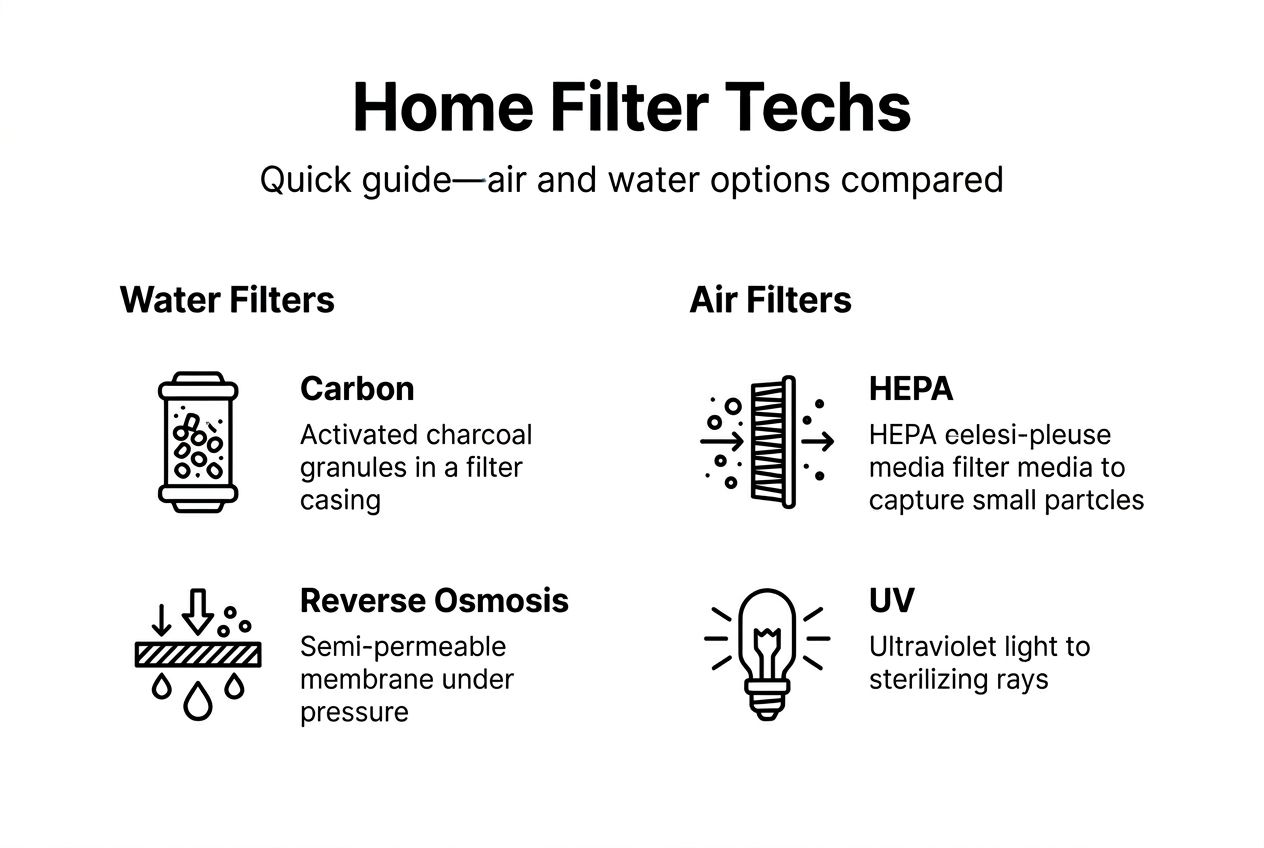
Exploring filtration technology examples reveals why selecting air purifiers requires matching technologies to your specific contaminant concerns. The right combination addresses your family’s unique health vulnerabilities.
Real-world health outcomes from using filters
Seeing the benefits in real life confirms the value of understanding and selecting the right filtration solutions. Research and case studies demonstrate measurable health improvements when families invest in proper filtration.
Studies show 40% reduction in gastrointestinal illnesses among households using multi-stage water filtration compared to those relying on municipal treatment alone. Removing pathogenic bacteria and parasites before they reach your tap prevents stomach bugs, diarrhea, and related complications that cause missed school and work days.
Air filtration produces equally impressive results for respiratory health. Families using HEPA and activated carbon air purifiers report 25% fewer allergy symptoms including sneezing, congestion, and itchy eyes. Asthma sufferers experience reduced attack frequency and medication dependence when breathing cleaner indoor air.
The health improvements extend beyond illness prevention:
- Better sleep quality from reduced nighttime congestion and breathing difficulties
- Improved cognitive function in children when lead exposure drops
- Fewer skin irritations from chlorine and chemical exposure during bathing
- Reduced long-term cancer risks from VOC and heavy metal exposure
Multi-stage filtration systems targeting both water and air quality deliver synergistic benefits. You protect your family from contaminated drinking water while also removing airborne threats from cooking, cleaning, and outdoor pollution infiltrating your home.
These documented outcomes support investing in thorough filtration role family health solutions rather than compromising with partial protection. Real families see real improvements when they address contamination comprehensively.
Selecting and maintaining your home filtration system
Now that you understand the benefits, here’s how to select and care for your filters to sustain those health gains. Following a systematic approach ensures you choose appropriate systems and maintain their effectiveness over time.
Start by identifying your home’s specific contaminant risks. Test your water through certified laboratories to detect heavy metals, bacteria, nitrates, and other dissolved threats. Assess indoor air quality by noting allergy symptoms, visible dust accumulation, and odors that indicate poor ventilation or chemical off-gassing.
Choose filtration technologies matched to your test results:
- Select reverse osmosis plus UV sterilization for homes with heavy metal or microbial contamination
- Choose HEPA filters combined with activated carbon for respiratory issues and allergy concerns
- Add sediment pre-filters if your water shows visible particles or cloudiness
- Consider whole-house systems if contamination affects multiple water sources
- Prioritize bedroom air purification if sleep quality or nighttime breathing troubles persist
- Install point-of-use filters at kitchen sinks for drinking and cooking water protection
Proper installation following manufacturer guidelines ensures optimal performance. Professional installation helps with under-sink systems and whole-house units that require plumbing modifications. Countertop and portable units typically allow DIY setup.
Pro Tip: Create a filtration maintenance calendar linking to your phone that alerts you 30 days before each filter expires, giving you time to order and receive replacements without service interruptions.
Maintenance determines whether your investment delivers sustained health benefits. Replace filters according to regular filter replacement matters schedules, typically every 3 to 12 months depending on filter type and usage intensity. Clean housing components during filter changes to prevent contamination buildup around seals and in reservoirs.
Monitor filtration effectiveness by tracking water taste, odor changes, flow rate reductions, and air purifier noise increases that signal filter saturation. Consult the advanced water filtration guide and filter maintenance guide for detailed care instructions specific to your system types.
Explore Coway’s advanced home filtration solutions
Having learned how filters impact family wellness, discover Coway’s expert-designed products that deliver these benefits at home. Our multi-stage water and air filtration systems combine the technologies discussed throughout this guide to tackle diverse contaminants effectively.
Coway’s comprehensive water purification process guide walks you through how our systems integrate sediment filtration, activated carbon, reverse osmosis, and UV sterilization in seamless designs. You get thorough protection without complicated installation or maintenance.
Our countertop ice water purifier delivers filtered, chilled water instantly while removing heavy metals, chemicals, and microbes. Compare features across our range in the top uv water purifiers review to find the perfect match for your family size and contaminant concerns. Every Coway system includes free delivery, professional installation, and ongoing maintenance support to ensure sustained performance and health benefits.
Frequently asked questions
How often should I replace my water and air filters to maintain health benefits?
Replace filters according to manufacturer recommendations, typically every 3 to 12 months depending on type and usage intensity. Carbon filters need replacement every 3 to 6 months, while HEPA filters last 6 to 12 months. RO membranes can function for 2 to 3 years. Set calendar reminders to maintain regular filter replacement schedules, preventing performance degradation that compromises health protection.
Can a single filter system protect against all types of home water and air contaminants?
No single filter effectively removes all chemical, particulate, and microbial contaminants simultaneously. Combined media are necessary because each technology addresses specific threat categories. Multi-stage systems combining carbon, HEPA, reverse osmosis, and UV filtration deliver comprehensive protection. Consult guides on selecting air purifiers to match technologies to your contamination profile.
What role does UV sterilization play in safeguarding home water and air quality?
UV sterilization deactivates bacteria, viruses, and protozoa by disrupting their DNA and RNA structures, preventing reproduction and infection. The technology provides chemical-free disinfection that works instantly. However, UV doesn’t remove particulates, chemicals, or dead microbes, making it most effective when combined with filtration systems. Learn more in our comprehensive uv sterilization guide about proper applications.
How do I know which filtration system is best for my family’s specific health concerns?
Test your water through certified laboratories to identify heavy metals, bacteria, and chemical contaminants present. Assess indoor air by noting allergy symptoms, respiratory issues, and odors indicating poor quality. Choose systems targeting your identified contaminants: RO plus UV for water contamination, HEPA plus carbon for air quality. The advanced water filtration guide helps match technologies to specific health vulnerabilities.
Are there signs that indicate my filtration system is not working effectively?
Unusual taste or odor in filtered water signals exhausted carbon filters no longer adsorbing chemicals properly. Increased allergy symptoms, respiratory irritation, or visible dust accumulation indicate air filter saturation. Reduced water flow rates suggest clogged sediment filters or failing RO membranes. Regular inspection following the filter maintenance guide prevents these performance issues from compromising your family’s health protection.
Recommended
- Understanding Why Change Purifier Filters Matters for Health – Coway Water Purifier
- Filtration’s Role in Family Health: 15% Fewer GI Illnesses – Coway Water Purifier
- How to Select Air Purifier for Healthy Home Air Quality – Coway Water Purifier
- Certified Filtration: Safeguarding Your Home Health – Coway Water Purifier
- Increasing KWH Cost: Here we give you 7 tips to save energy | LED Supply & Fit
- Recycling Contamination – How It Affects UK Healthcare – Venture Waste
