
Uncategorized
10 warning signs you need an air or water purifier

Apr
TL;DR:
- Persistent allergy symptoms indoors often indicate poor air quality needing purification.
- Environmental signs like dust buildup, odors, or mold suggest airborne pollutants and moisture issues.
- Water taste, odor, discoloration, and contaminants signal the need for water filtration systems.
Most homeowners never think about indoor air or water quality until someone in the family starts feeling off. The problem is that the warning signs are easy to dismiss as seasonal allergies, stress, or just bad luck. But your home environment may be the actual culprit. Whether it’s air loaded with invisible particles or tap water carrying contaminants you can’t see, the clues are there if you know what to look for. This guide breaks down the most telling signs that a purifier may be exactly what your household needs, so you can stop guessing and start acting with confidence.
Table of Contents
- 1. Persistent allergy or respiratory symptoms
- 2. Rapid dust buildup, musty odors, or visible mold
- 3. Unexplained fatigue, headaches, or frequent illness
- 4. Water issues: taste, smell, discoloration, or contaminants
- 5. Indoor air quality: when benchmarks and usage demand action
- Our take: Don’t buy a purifier until you consider these first
- Find the right purifier for your needs
- Frequently asked questions
Key Takeaways
| Point | Details |
|---|---|
| Health warning signs | Recurring allergies, headaches, or unexplained fatigue indoors often mean it’s time to consider a purifier. |
| Visual and odor cues | Rapid dust, mold growth, or funky smells are common indicators of poor air quality at home. |
| Water quality clues | Bad-tasting, smelly, or discolored tap water and contaminants in reports are clear signals for a water purifier. |
| Test before buying | Empirical air and water testing should guide purchases so you only invest in a purifier when truly needed. |
1. Persistent allergy or respiratory symptoms
If someone in your home is constantly sneezing, coughing, or rubbing their eyes, and those symptoms ease up the moment they step outside, that pattern is worth paying attention to. It’s one of the clearest signals that indoor air quality may be the problem.
Common respiratory warning signs include:
- Sneezing or runny nose that worsens at home but improves outdoors
- Itchy, watery eyes with no clear seasonal trigger
- Coughing or wheezing that flares up in specific rooms
- Skin irritation or rashes that appear without a clear cause
- Worsening asthma symptoms, especially at night or in the morning
Asthma flare-ups worsening indoors are a recognized indicator that indoor air quality may need attention. For families already managing asthma, living with asthma in a polluted indoor environment creates a cycle that’s hard to break without addressing the air itself.
Children and the elderly are especially vulnerable. Their respiratory systems are either still developing or more sensitive to airborne irritants like dust mites, pet dander, mold spores, and volatile organic compounds (VOCs). If a child’s symptoms improve when they stay at a friend’s house or during school breaks, that’s a meaningful data point.
“Indoor air pollutants can trigger or worsen respiratory conditions, and persistent indoor symptoms are a strong empirical reason to investigate air quality before assuming the cause is purely medical.”
The connection between indoor air pollution and family health is well established. Don’t wait for a diagnosis to take the environment seriously.
Pro Tip: Keep a simple symptom journal for one week. Note where you are when symptoms appear or disappear. If the pattern points to your home, that’s your first real clue.
2. Rapid dust buildup, musty odors, or visible mold
While health symptoms are critical, environmental cues inside the home are just as telling. If you’re dusting surfaces every few days and the layer comes right back, your home’s air is circulating more particulate matter than it should.
Here are the environmental red flags to watch for:
- Dust reappears on shelves, furniture, or electronics within days of cleaning
- A stale, musty, or earthy smell lingers even after airing out the space
- Chemical or plastic odors that don’t dissipate after cooking or cleaning
- Visible dark spots on walls, ceilings, bathroom grout, or around vents
- Condensation regularly forms on windows or cold surfaces
Visible dust buildup and musty odors are recognized signs of poor indoor air quality that may require purification. Mold doesn’t just look unpleasant. It releases spores that circulate through your HVAC system and settle in rooms you may not even use regularly.
Musty smells often point to hidden moisture problems behind walls or under flooring. The odor itself is produced by mold colonies releasing microbial volatile organic compounds (mVOCs). These aren’t just unpleasant. They can irritate airways and affect neurological function with prolonged exposure.
“When cleaning no longer controls dust and odors, it’s a sign the problem is airborne and systemic, not just surface level.”
Checking the signs of poor air quality in your home can help you connect these environmental clues to a real course of action. An air purifier with a true HEPA filter can capture particles as small as 0.3 microns, which includes most mold spores and fine dust.
3. Unexplained fatigue, headaches, or frequent illness
Beyond visible and respiratory signs, sometimes the only indicators are hidden in everyday well-being shifts. If you or your family members regularly feel tired, foggy, or rundown at home but feel better elsewhere, that contrast deserves serious attention.
Here’s a numbered checklist of the less obvious warning signs:
- Waking up with headaches that ease after leaving the house
- Feeling mentally foggy or sluggish during the day without obvious reason
- Frequent colds or infections that seem to cycle through the household
- Poor sleep quality, especially in children, that improves during travel or vacation
- General fatigue that doesn’t respond to rest or dietary changes
Unexplained headaches, fatigue, and frequent illness have been linked to indoor environmental exposures, including mold and airborne pollutants. Carbon monoxide, radon, and VOCs from furniture or cleaning products are invisible but measurable. They don’t announce themselves.
For families, monitoring indoor pollution proactively can reveal problems before they compound into chronic health issues. Improving lung health starts with understanding what you’re breathing every day.
Pro Tip: If a family member consistently feels better after a weekend trip, ask yourself what changed. Often, the answer is the air or water they were exposed to at home versus away.
4. Water issues: taste, smell, discoloration, or contaminants
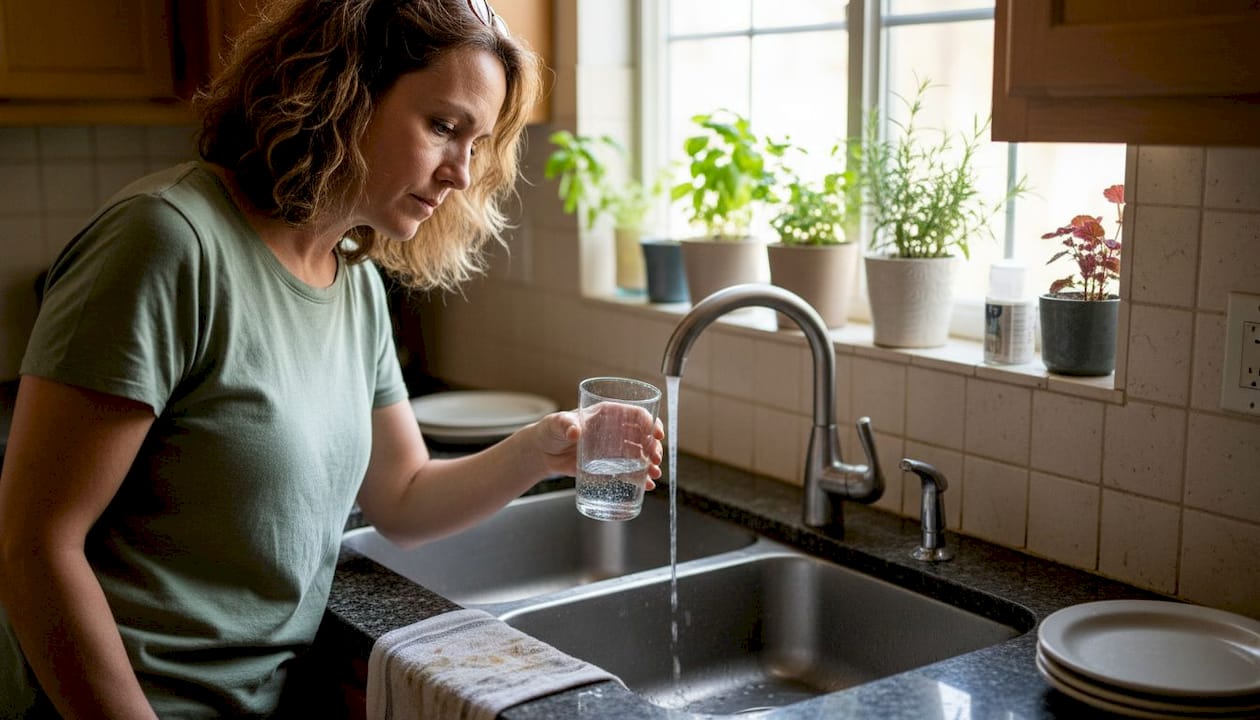
So far, we’ve focused on air, but water is just as crucial for home wellness. Your tap water may meet minimum legal standards and still carry contaminants that affect taste, smell, and long-term health.
| Water sign | What it may indicate |
|---|---|
| Chlorine or bleach smell | Disinfectant byproducts |
| Metallic or bitter taste | Pipe corrosion, lead, or copper |
| Earthy or fishy odor | Algae, bacteria, or organic matter |
| Cloudy or milky appearance | Sediment, air, or microbial growth |
| Reddish or brown tint | Rust or iron in pipes |
| Gritty texture | Sand, sediment, or mineral buildup |
Bad taste, odor, or discoloration in tap water, or contaminants above health standards in your Consumer Confidence Report (CCR), are clear signals to consider a water purifier. Your CCR is a free annual report from your water utility that lists every tested contaminant and whether it meets EPA limits. Pay close attention to lead, nitrates, and PFAS (per and polyfluoroalkyl substances), which are increasingly flagged in municipal systems.
If your home uses well water, the stakes are even higher. Well water is not regulated by the EPA and must be tested independently every year. Bacteria, arsenic, and agricultural runoff are common well water concerns that a standard filter won’t catch without proper testing first.
Reviewing filter change indicators can also help you understand when your current filtration setup may no longer be doing its job effectively.
Statistic to know: The EPA estimates that lead in drinking water contributes to 480,000 cases of learning disabilities in children each year in the United States.
5. Indoor air quality: when benchmarks and usage demand action
Finally, quantifiable data and special household cases reinforce exactly when a purifier is smart prevention. You don’t always need to feel sick to justify one.
| Household factor | Purifier need level |
|---|---|
| Pets (dander, odors) | High |
| Smokers in the home | Very high |
| Urban or high-traffic location | Moderate to high |
| Young children or elderly residents | High |
| Immunocompromised family member | Very high |
| New construction or renovation | High (off-gassing VOCs) |
Indoor air is 2 to 5 times more polluted than outdoor air on average, and people spend roughly 90% of their time indoors. That means the air inside your home has an outsized impact on your total pollution exposure, even if you live in a clean neighborhood.
For households where someone has asthma or a compromised immune system, the health risk from indoor pollutants is significantly elevated compared to the general population. These families often benefit from a purifier even without obvious symptoms, because the cumulative exposure over months and years is what causes harm.
Understanding the difference between indoor vs outdoor air pollution helps put the risk in context. For a deeper foundation, the indoor air quality guide covers the key pollutants, their sources, and when action is warranted.
Pro Tip: Affordable indoor air quality monitors (many under $80) can measure PM2.5, VOCs, humidity, and CO2 in real time. Running one for a week gives you actual data, not just guesswork.
Our take: Don’t buy a purifier until you consider these first
Here’s something most purifier content won’t tell you: buying a purifier before identifying the source of your problem can give you a false sense of security. We’ve seen families invest in high-end air purifiers while a leaking pipe behind the drywall continues feeding mold into the air. The purifier helps, but it doesn’t solve the problem.
The smarter move is to test first. An indoor air quality test or a water quality kit often costs less than $50 and gives you real answers. Address ventilation issues, fix moisture problems, and eliminate pollution sources where possible. Then, if the data or the symptoms still point to a need, a purifier becomes a genuinely valuable tool rather than a hopeful guess.
For families with asthma, young children, or anyone immunocompromised, the calculus shifts. In those cases, a purifier is often worth adding even before a full audit. Understanding indoor pollutants and air purifiers together helps you make that call with confidence rather than anxiety.
Find the right purifier for your needs
If you’ve recognized more than a few of these warning signs in your home, that’s not a coincidence. It’s your home telling you something needs to change.
Coway’s lineup of air and water purifiers is built specifically for families who want science-backed protection without the guesswork. Whether you need a HEPA air purifier for a bedroom with a child who has asthma, or an under-sink water filter to address contaminants in your tap report, the air purifier selection guide and the water purification process breakdown are the best places to start. Free delivery and installation mean taking action is easier than you think.
Frequently asked questions
How do I know if my indoor air is unhealthy?
If you notice worsening allergies, musty odors, or mold, or dust returns quickly after cleaning, your indoor air quality likely needs attention. An affordable air quality monitor can confirm what your senses are already detecting.
Is bad tap water a reason to get a purifier?
Yes. Off tastes, odors, or discoloration and contaminants listed above health limits in your annual water report are all valid reasons to invest in a water purifier. Check your Consumer Confidence Report first.
Should everyone buy a purifier or just certain households?
Asthmatics and immunocompromised individuals benefit most, but any household showing multiple warning signs from this list should seriously consider one. You don’t have to wait until health problems escalate.
What’s the simplest way to test if I need a purifier?
Run an indoor air or water test and compare results to EPA health benchmarks. Most kits are inexpensive and available online, and the results will tell you far more than symptoms alone.
Recommended
- 7 Must-Have Air Purifier Features for Healthier Homes – Coway Water Purifier
- 7 Essential Steps for Your Purifier Maintenance Checklist – Coway Water Purifier
- 7 Essential Steps for Your Air Purifier Buying Checklist – Coway Water Purifier
- 7 Essential Water Purifier Maintenance Tips for Homeowners – Coway Water Purifier
- How to purify water outdoors: proven methods for safe adventure
