
Uncategorized
Indoor Air Pollution – How It Affects Family Health
Jan
Every parent faces moments of worry about what their family is breathing at home. Concerns go beyond outdoor smog because harmful pollutants like carbon monoxide, mold, and volatile organic compounds can hide in kitchens, bedrooms, and play areas, often unnoticed. With children especially vulnerable, understanding indoor air pollution becomes crucial for protecting both health and peace of mind. This article breaks down the most common myths and gives practical solutions for managing air quality in your home.
Table of Contents
- Indoor Air Pollution: Core Definition And Myths
- Major Indoor Pollutants And Their Sources
- How Indoor Pollution Enters And Spreads
- Hidden Health Risks For Families And Children
- Effective Ways To Reduce Indoor Air Pollution
- Common Mistakes When Improving Air Quality
Key Takeaways
| Point | Details |
|---|---|
| Understanding Indoor Air Pollution | Indoor air pollution is often more hazardous than outdoor pollution, caused by common household items and activities. |
| Health Risks for Vulnerable Populations | Children are particularly susceptible to indoor air pollutants, with long-term exposure leading to severe health issues. |
| Effective Reduction Strategies | Regular cleaning, strategic ventilation, and careful selection of household materials can significantly improve indoor air quality. |
| Common Mistakes in Air Quality Improvement | Homeowners often make errors such as using ozone generators, which can worsen air quality, and neglecting routine maintenance. |
Indoor Air Pollution: Core Definition and Myths
Indoor air pollution is a complex environmental health challenge affecting millions of households nationwide. Unlike common assumptions, this issue extends far beyond outdoor contamination sources, presenting significant risks within our living spaces. Indoor air quality research reveals that the air inside homes can be substantially more dangerous than external environments.
Contrary to popular belief, indoor air pollution originates from numerous everyday activities and household items. Common sources include cooking appliances, cleaning chemicals, furniture materials, pet dander, and building components like paint and carpeting. Harmful pollutant release encompasses fine particulate matter, carbon monoxide, volatile organic compounds, and other microscopic toxins that circulate continuously in enclosed spaces.
Statistically, indoor air pollution represents a profound global health challenge. Recent data indicates approximately 3.2 million deaths worldwide in 2020 were attributed to poor indoor air quality, with children under five being particularly vulnerable. The risk intensifies in energy-efficient homes with minimal ventilation, where pollutants become concentrated and trapped within sealed environments.
Pro Tip: Conduct a comprehensive indoor air quality assessment every two years, focusing on ventilation systems, potential moisture areas, and potential chemical emission sources in your living space.
Major Indoor Pollutants and Their Sources
Indoor air pollutants represent a diverse array of microscopic threats lurking within our living spaces. Common indoor pollutants originate from multiple sources, ranging from everyday household activities to building materials and personal care products. Understanding these contamination sources is crucial for maintaining a healthy home environment.
Biological and chemical pollutants create a complex landscape of potential health risks. Key sources include cooking appliances, heating systems, cleaning chemicals, and building materials. Specific pollutant sources encompass tobacco smoke, wood-burning stoves, air fresheners, and combustion byproducts like carbon monoxide and nitrogen dioxide. Additionally, living organisms such as mold, dust mites, and pet dander contribute significantly to indoor air contamination.
The most prevalent indoor pollutants can be categorized into several critical groups: volatile organic compounds (VOCs), particulate matter, biological contaminants, and combustion gases. VOCs emerge from paint, furniture, cleaning supplies, and personal care products. Particulate matter includes dust, pollen, and microscopic debris, while biological contaminants feature allergens from pets, insects, and microbial growth. Combustion gases like carbon monoxide represent particularly dangerous pollutants, often generated by gas stoves, fireplaces, and poorly maintained heating systems.
Here’s a summary of major indoor air pollutants and where they typically originate:
| Pollutant Type | Common Sources | Main Health Concern |
|---|---|---|
| Volatile Organic Compounds (VOCs) | Paint, furniture, cleaning supplies | Respiratory irritation, headaches |
| Particulate Matter | Dust, pollen, cooking, smoking | Aggravates asthma, lung problems |
| Biological Contaminants | Mold, pet dander, dust mites | Allergies, infection risk |
| Combustion Gases | Gas stoves, fireplaces, heating systems | Poisoning, neurological effects |
Pro Tip: Invest in a high-quality air quality monitor that tracks multiple pollutant types and provides real-time indoor air quality measurements to help you proactively manage your home’s environmental health.
How Indoor Pollution Enters and Spreads
Indoor air pollution is a complex phenomenon that infiltrates our living spaces through multiple intricate pathways. Indoor air movement patterns demonstrate how pollutants navigate through buildings, driven by ventilation systems, temperature variations, and architectural design. Understanding these transmission mechanisms is crucial for preventing widespread contamination.
Particulate matter enters homes through several primary channels. Particulate infiltration mechanisms reveal that outdoor particles can penetrate indoor environments via windows, ventilation systems, and microscopic building structure openings. Human activities significantly contribute to pollutant spread, including cooking, cleaning, and everyday movements that resuspend dormant particles into the air. Combustion processes from stoves, fireplaces, and heating systems continuously generate and circulate microscopic contaminants.
Building characteristics play a critical role in pollutant distribution. Older homes with poor sealing, modern energy-efficient structures with minimal air exchange, and homes with complex HVAC systems all create unique pollution transmission environments. Factors like humidity, temperature, and air pressure determine how quickly and extensively pollutants spread throughout living spaces. Some pollutants remain suspended in air for hours, continuously moving and potentially accumulating in areas with limited air circulation.
Pro Tip: Regularly open windows for cross-ventilation and use high-efficiency particulate air (HEPA) filters to minimize indoor pollutant accumulation and improve overall air quality.
Hidden Health Risks for Families and Children
Indoor air pollution represents a silent threat particularly dangerous for children and families. Childhood exposure risks reveal that young bodies are significantly more vulnerable to environmental contaminants due to their developing physiological systems. Children breathe more rapidly and have higher metabolic rates, which means they absorb pollutants at substantially higher rates compared to adults.
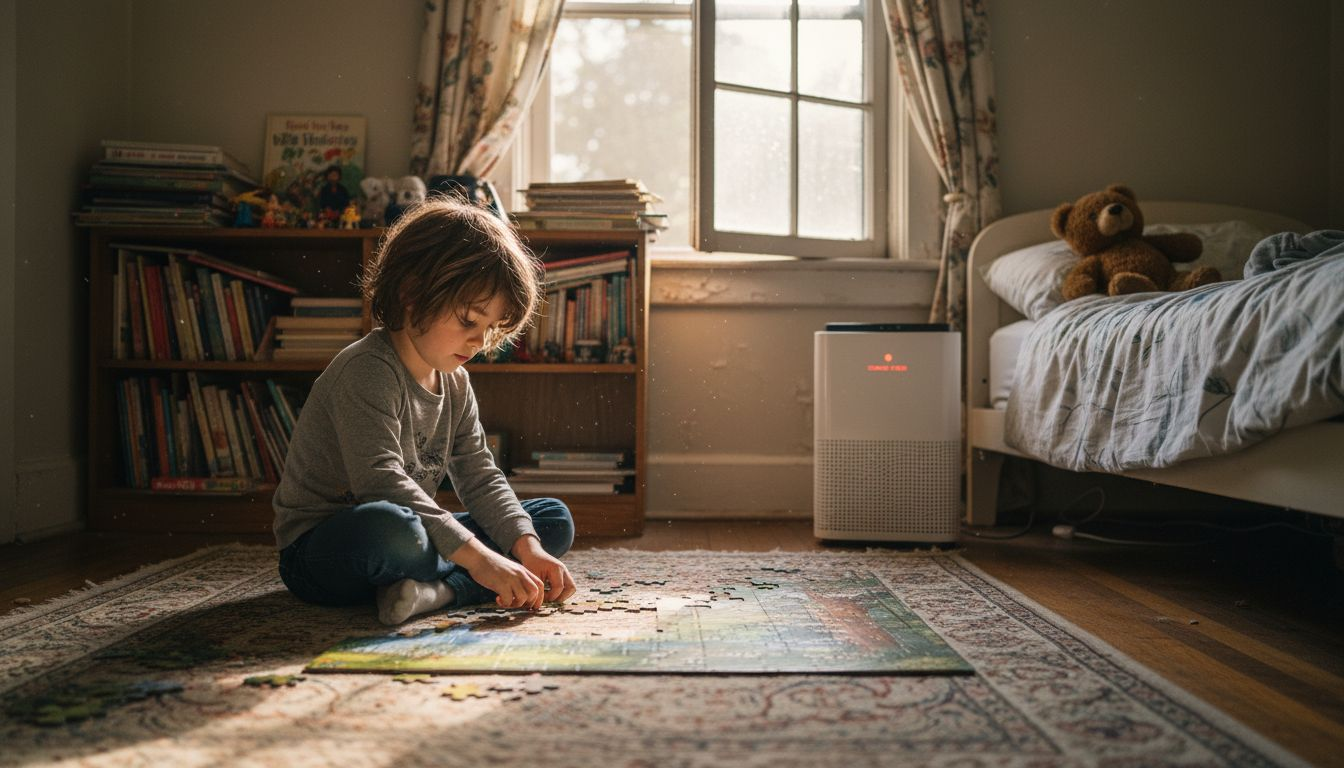
The long-term health consequences of indoor air pollution can be profound and potentially devastating. Adverse childhood experiences demonstrate that early exposure to environmental toxins can trigger a cascade of health complications. Heavy metals like lead and mercury can disrupt critical developmental processes, potentially causing lifelong impacts on neurological functioning, respiratory health, and overall immune system performance. These invisible threats can impair cognitive development, reduce lung capacity, and increase susceptibility to chronic diseases.
Children in different age groups experience varying levels of vulnerability to indoor air pollutants. Infants and toddlers crawling on floors are particularly at risk, as they have direct contact with settled particulate matter and tend to put objects in their mouths. School-aged children spending significant time indoors during remote learning or after-school activities are continuously exposed to potential contamination. Genetic predispositions and existing health conditions can further amplify the potential negative impacts of prolonged indoor air pollution exposure.
Pro Tip: Create a monthly indoor air quality checklist that includes monitoring ventilation, checking for moisture buildup, and using air purification systems to minimize potential health risks for your family.
Effective Ways to Reduce Indoor Air Pollution
Indoor air pollution management requires a strategic, multi-pronged approach targeting various contamination sources. Comprehensive air quality strategies involve proactive measures that significantly reduce pollutant levels and improve overall home environmental health. Understanding and implementing targeted interventions can dramatically transform indoor air quality and protect family well-being.
The first line of defense involves careful cleaning and maintenance practices. Regular vacuuming with HEPA-filtered devices, washing bedding in hot water, and minimizing clutter can substantially reduce dust, pet dander, and allergen accumulation. Strategic ventilation techniques like opening windows periodically, using exhaust fans in kitchens and bathrooms, and maintaining proper humidity levels help dilute and remove indoor pollutants. Removing shoes at the entrance prevents outdoor contaminants from spreading throughout living spaces.
Additional protective strategies include selecting appropriate home materials and managing potential pollution sources. Indoor air quality improvement techniques recommend choosing hard flooring over carpeting, limiting indoor plants that trap moisture, and avoiding smoking indoors. Regularly changing heating and cooling system filters, using air purifiers with advanced filtration technologies, and being mindful of chemical-based cleaning products can create a healthier indoor environment.
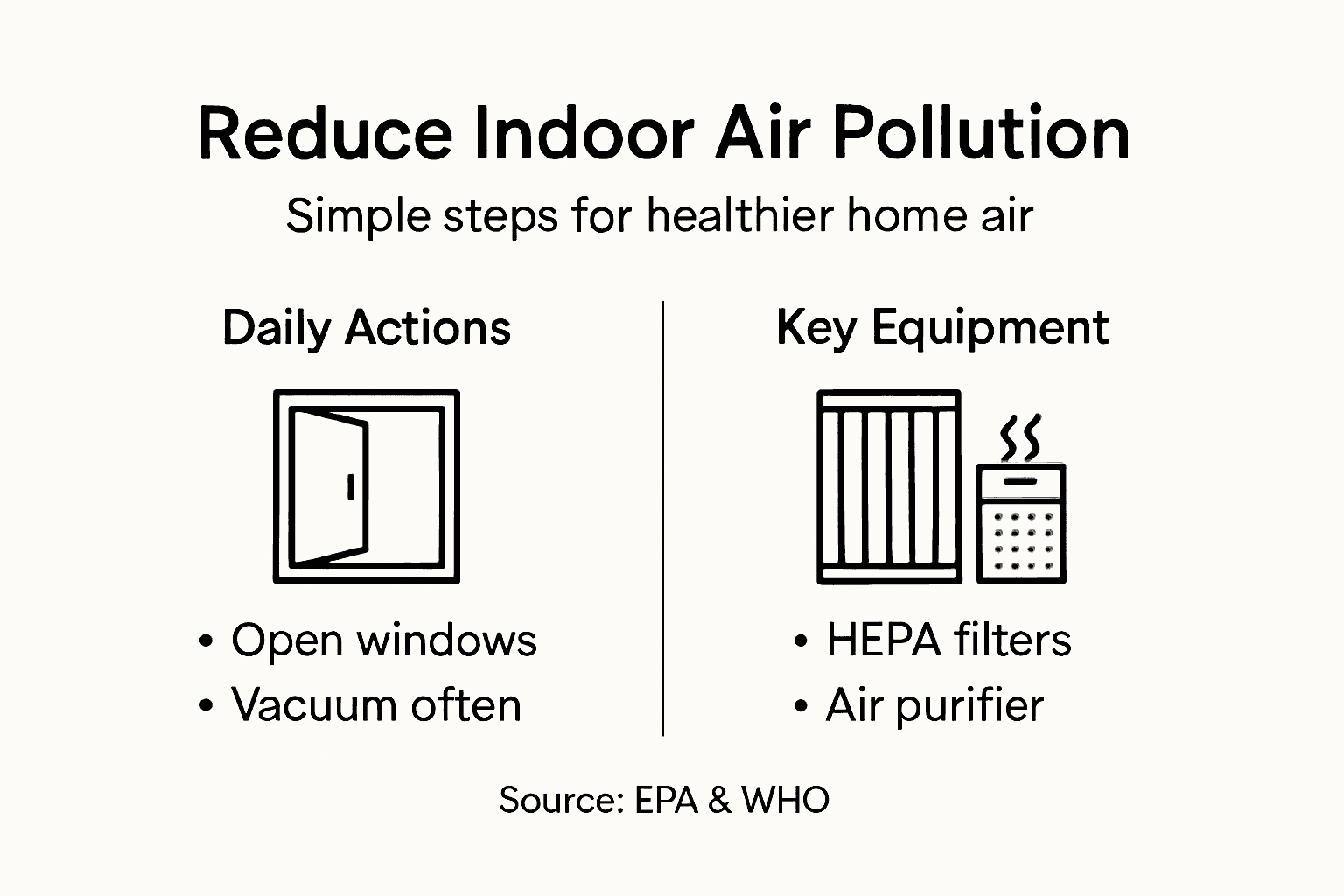
Here’s how common cleaning and ventilation practices impact indoor air quality:
| Practice | Pollutant Reduced | Additional Benefit |
|---|---|---|
| HEPA Vacuuming | Dust, pet dander | Fewer allergens in carpet fibers |
| Opening Windows | VOCs, combustion gases | Increases fresh air exchange |
| Washing Bedding Hot | Dust mites, bacteria | Lower risk of respiratory issues |
| Using Exhaust Fans | Moisture, odors | Reduces mold, improves airflow |
Pro Tip: Create a monthly indoor air quality maintenance schedule that includes specific cleaning tasks, filter replacements, and ventilation practices to systematically reduce potential pollutant buildup.
Common Mistakes When Improving Air Quality
Indoor air quality improvement requires nuanced understanding and strategic approaches. Air quality management errors often stem from well-intentioned but misguided efforts that can inadvertently worsen environmental conditions. Homeowners frequently make critical mistakes that compromise their air purification strategies, potentially introducing more pollutants instead of reducing them.
One significant error involves relying on ineffective or potentially harmful technologies. Many consumers mistakenly use ozone generators, believing they purify air, when these devices actually produce dangerous ozone gas that can damage lung tissue. Indoor air quality misconceptions reveal that over-the-counter air fresheners and scented products often introduce volatile organic compounds (VOCs) that irritate respiratory systems. Similarly, neglecting to address fundamental pollution sources like tobacco smoke, mold, and chemical-emitting household products undermines any air quality improvement efforts.
Another common mistake is inconsistent maintenance and superficial cleaning approaches. Homeowners frequently forget to regularly change HVAC filters, fail to vacuum with HEPA-filtered devices, and overlook pollutants carried inside on clothing and shoes. Keeping pets in bedrooms, using low-quality air purifiers, and not managing humidity levels can exponentially increase indoor allergen and pollutant concentrations. Comprehensive air quality management requires a holistic approach that combines source reduction, proper filtration, strategic ventilation, and consistent maintenance.
Pro Tip: Conduct a comprehensive home air quality audit every six months, systematically identifying and eliminating potential pollution sources while maintaining consistent cleaning and filtration practices.
Protect Your Family From Harmful Indoor Air Pollution Today
Indoor air pollution poses a real danger to your family’s health by exposing them to invisible toxins like volatile organic compounds, particulate matter, and combustion gases that can trigger respiratory issues and long-term health effects. The challenge is clear: improving your home’s indoor air quality with reliable solutions that continuously remove harmful contaminants and create a safer living environment.
Coway’s advanced air purifiers offer cutting-edge filtration technology designed to capture a wide range of indoor pollutants including allergens, pet dander, and chemical gases. With features like HEPA filters and UV sanitization, Coway brings you peace of mind by actively reducing risks for children and adults alike.

Don’t wait until symptoms appear or pollutants accumulate. Take control of your indoor air now and safeguard your family’s health by exploring Coway’s trusted air purification products. Visit https://cowayswaterpurifier.com to get yours today and breathe easier tomorrow.
Frequently Asked Questions
What are the main sources of indoor air pollution?
Indoor air pollution can originate from cooking appliances, cleaning chemicals, furniture materials, pet dander, and building components like paint and carpeting. Common pollutants include volatile organic compounds (VOCs), particulate matter, biological contaminants, and combustion gases.
How does indoor air pollution affect children’s health?
Children are more vulnerable to indoor air pollution due to their developing bodies and faster breathing rates. Exposure can lead to respiratory issues, cognitive development challenges, and increased risk of chronic diseases.
What can I do to reduce indoor air pollution in my home?
To reduce indoor air pollution, implement regular cleaning with HEPA vacuuming, use exhaust fans, maintain proper humidity levels, and choose low-emission products. Opening windows for ventilation can also help dilute indoor contaminants.
Are air purifiers effective in improving indoor air quality?
Yes, air purifiers can be effective in improving indoor air quality, especially those with HEPA filters that can capture fine particulate matter and allergens. However, it’s essential to also address the sources of pollution for optimal results.
Recommended
- Why Monitor Indoor Pollution for Family Health – Coway Water Purifier
- 7 Most Common Indoor Air Pollutants and How to Reduce Them – Coway Water Purifier
- Indoor Air Quality: Everything You Need to Know – Coway Water Purifier
- Why Filter Indoor Air: Complete Guide for Homeowners – Coway Water Purifier
