
Uncategorized
All Water Filters: A Homeowner’s Buying Guide for 2026

Jun
TL;DR:
- Choosing the right water filter depends on certified technologies that target specific contaminants in your water.
- A comprehensive approach often involves layered filtration systems, especially for well water or complex contamination issues.
All water filters is the collective term for a family of distinct filtration technologies, each engineered to remove a specific set of contaminants from your drinking water. The right system depends entirely on what is in your water, not on what is most popular or most affordable. City water and well water carry different risks. Lead, PFAS, chlorine, bacteria, and hardness minerals each require a different solution. NSF/ANSI certifications are the only reliable way to confirm a filter actually does what the label claims. This guide walks you through every major filter type, a matching framework, and a side-by-side comparison so you can buy with confidence.
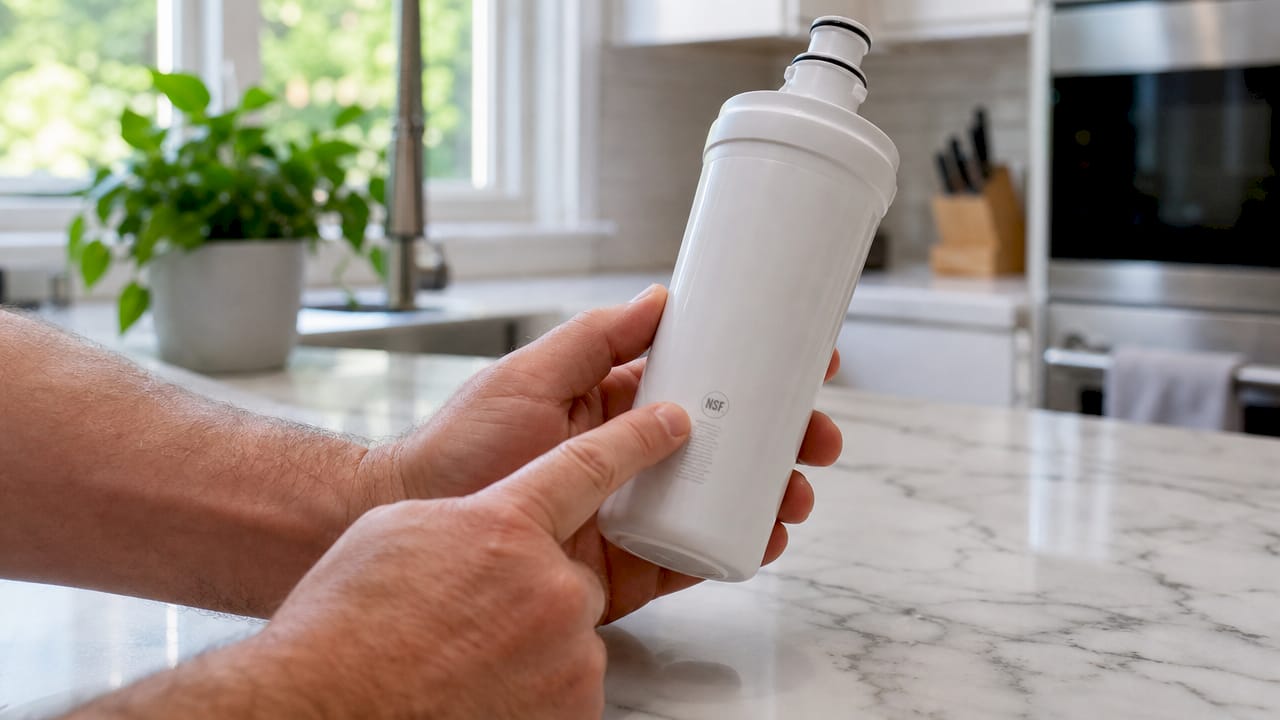
1. All water filters, explained: the core technologies
The filtration technology landscape covers at least eight distinct mechanisms, and no single one removes every contaminant. Understanding each type is the first step toward a smart purchase.
-
Activated carbon (block and granular): Adsorbs chlorine, taste, odor, and some volatile organic compounds (VOCs). Most pitcher filters carry NSF 42 certification for aesthetic improvement only, not health contaminant removal. Carbon block filters certified to NSF 53 can also reduce lead and cysts.
-
Reverse osmosis (RO): Forces water through a semi-permeable membrane. RO systems remove 95 to 99% of dissolved solids, including lead, arsenic, fluoride, nitrates, and PFAS. That level of removal makes RO the most thorough point-of-use option available, though it produces wastewater in the process.
-
UV filtration: Uses ultraviolet light to destroy bacteria and viruses. UV filtration does not remove chemical contaminants, so it works best paired with a carbon or RO stage. NSF 55 Class A certification confirms effectiveness against microbiological threats.
-
Ion exchange (water softeners): Swaps calcium and magnesium ions for sodium ions, eliminating hardness. NSF 44 covers softeners. Ion exchange does not address chemical or microbial contaminants.
-
Ceramic filters: Use porous ceramic material to block sediment, bacteria, and cysts. Effective for microbiological filtration but slow flow rates limit their use to countertop or gravity-fed systems.
-
Distillation: Boils water and collects the steam, leaving behind heavy metals, nitrates, and most dissolved solids. Distillers are energy-intensive and slow, producing roughly one gallon per hour.
-
Sediment filters: Mechanical filters that trap particles like sand, rust, and silt. They protect downstream filters and plumbing but do not address dissolved contaminants.
-
Multi-stage systems: Combine two or more technologies in sequence. A typical under-sink unit might layer sediment, carbon block, and RO membranes. No single filter removes all contaminant classes, which is why multi-stage designs are common for comprehensive protection.
Pro Tip: Check the NSF certification mark on the product itself, not just the brand website. The NSF database at nsf.org lets you verify any filter’s certified claims in under two minutes.
2. How to match a filter to your home’s actual water problems
A practical framework for choosing the right system follows five steps, and skipping any one of them leads to mismatched equipment.
-
Test your water or request your utility’s Consumer Confidence Report (CCR). City utilities publish annual CCRs listing detected contaminants and their levels. Well owners need an independent lab test because no utility monitors private wells.
-
Identify your dominant concern. Taste and odor problems point to chlorine or chloramines. Discolored water suggests sediment or iron. Health concerns around lead, PFAS, or nitrates require certified removal technology, not just aesthetic filters.
-
Match contaminants to certified filter technology. Lead requires NSF 53 or NSF 58. PFAS requires NSF P473 certification, which covers PFOA and PFOS specifically. Bacteria and viruses require NSF 55 Class A UV or a certified ultrafiltration membrane.
-
Verify the certification on the actual product model. Two carbon filters can differ widely in contaminant performance even if they look identical. Certification is model-specific, not brand-wide.
-
Factor in capacity, flow rate, and replacement costs. A filter that costs $30 upfront but requires $80 cartridges every two months is more expensive annually than a $200 system with $40 annual maintenance.
Pro Tip: For PFAS concerns, contact your local water provider first. Filters can reduce PFAS, but proper certification and testing are critical because PFAS chemistry is complex and not all carbon filters address it equally.
3. Water filter comparison: performance, certifications, and limits
Understanding how filter types stack up against each other prevents the most common buying mistake: choosing a technology that does not address your specific problem. The table below summarizes the key differences.
| Filter type | Contaminants removed | Key NSF certification | Does NOT remove |
|---|---|---|---|
| Activated carbon (NSF 42 only) | Chlorine, taste, odor, VOCs | NSF 42 | Lead, PFAS, bacteria, nitrates |
| Activated carbon (NSF 53) | Lead, cysts, some VOCs | NSF 53 | PFAS, bacteria, nitrates |
| Reverse osmosis | Lead, arsenic, fluoride, PFAS, nitrates, dissolved solids | NSF 58 | Bacteria (unless paired with UV) |
| UV disinfection | Bacteria, viruses | NSF 55 Class A | All chemical contaminants |
| Ion exchange softener | Calcium, magnesium (hardness) | NSF 44 | Lead, PFAS, bacteria |
| Ceramic filter | Sediment, bacteria, cysts | NSF 53 (some models) | Chemical contaminants, viruses |
| Distillation | Heavy metals, nitrates, dissolved solids | NSF 62 | Some VOCs (they evaporate with steam) |
The comparison of filtration technologies reveals a clear pattern: no single technology covers every category. RO comes closest for chemical contaminants but needs a UV stage for complete microbiological protection. Carbon filters are the most affordable entry point but carry real limitations that their marketing rarely highlights.
NSF certifications are not optional extras. NSF 42 covers taste and odor only. NSF 53 covers health contaminants including lead and cysts. NSF 58 governs reverse osmosis systems. NSF P473 addresses PFAS specifically. Knowing which certification applies to your concern is the single most useful piece of knowledge you can bring to a purchase decision.
4. Whole-house vs. point-of-use: which setup fits your home
Whole-house filtration treats every tap in the home, making it the right choice when sediment, hardness, or chlorine odor affects showers, appliances, and plumbing. Point-of-use systems focus on a single tap, typically the kitchen sink, and deliver more precise contaminant removal for drinking and cooking water.
The decision comes down to what you are trying to protect:
-
Choose whole-house filtration when: Sediment is clogging appliances or reducing water pressure. Hard water is scaling pipes and water heaters. Chlorine odor is noticeable throughout the home, not just at the kitchen tap.
-
Choose point-of-use filtration when: Your concern is drinking water safety, specifically lead, PFAS, nitrates, or microbes. You want the most thorough contaminant removal at the lowest cost. An under-sink RO system or a certified countertop unit delivers that precision.
-
Well water requires a layered approach. Private wells are not regulated, so contamination from bacteria, iron, manganese, nitrates, and sediment is common. A well-water setup typically combines a sediment pre-filter, an iron or manganese filter, a UV stage for microbiological safety, and a carbon or RO stage for chemical contaminants. Pre-filters extend the life of downstream membranes and reduce overall maintenance costs.
-
Maintenance is not optional. Neglecting cartridge replacement reduces filter efficacy and can allow bacterial buildup inside the housing. Replacement frequency depends on water quality, sediment load, and system design. Most under-sink carbon filters need replacement every six to twelve months. RO membranes typically last two to three years.
Most U.S. households have safe tap water and use filters primarily for taste improvement and peace of mind rather than urgent health protection. That context matters because it shifts the decision from “do I need a filter” to “which filter best matches my actual concerns.”
Key takeaways
Choosing the right water filter requires matching certified technology to your specific contaminants, not buying the most popular or most affordable option on the shelf.
| Point | Details |
|---|---|
| Start with a water test | City residents should request their CCR; well owners need an independent lab test before buying any filter. |
| Certifications define performance | NSF 42 covers taste only; NSF 53 covers lead; NSF 58 covers RO systems; NSF P473 covers PFAS. |
| RO removes the most contaminants | Reverse osmosis eliminates 95 to 99% of dissolved solids but needs a UV stage for bacteria. |
| Whole-house vs. point-of-use | Whole-house systems protect plumbing and all taps; point-of-use systems deliver precise drinking water treatment. |
| Maintenance determines long-term safety | Skipping cartridge replacement reduces efficacy and risks bacterial buildup inside the filter housing. |
Why I stopped trusting filter marketing and started reading certifications
The single biggest mistake I see homeowners make is buying a filter because it looks credible, not because it is certified for their specific problem. A pitcher filter with a clean design and a confident label can carry only NSF 42 certification, meaning it improves taste and nothing else. If your concern is lead or PFAS, that filter does nothing useful for you.
I have reviewed dozens of filter setups over the years, and the pattern is consistent. Homeowners in older homes with copper or lead service lines buy carbon pitchers because they are affordable and widely marketed. Those pitchers are not certified to NSF 53 for lead removal. The gap between what a filter is marketed to do and what it is certified to do is where most consumer mistakes happen.
My practical advice: treat the NSF certification number as the only claim that matters. Ignore the packaging language about “advanced filtration” or “pure water technology” unless a specific NSF number backs it up. For most city water users, a carbon block filter certified to NSF 53 handles the realistic concerns. For anyone with well water or documented PFAS contamination, an RO system certified to NSF 58 with NSF P473 coverage is the minimum standard worth considering.
Layered filtration is not overkill for complex water issues. It is the technically correct response to water that carries multiple contaminant classes simultaneously. The cost of a multi-stage system is almost always lower than the cost of treating health problems caused by long-term exposure to contaminants a single-stage filter missed.
— Soldierboy
Find the right Coway water purifier for your home
Cowayswaterpurifier.com offers a range of certified water purification systems designed to match the exact scenarios covered in this guide. Whether you need a countertop unit for a rental, an under-sink RO system for a family kitchen, or a UV-equipped purifier for well water, Coway’s lineup covers each use case with verified filtration technology.
The water purification process behind each Coway model is built around multi-stage filtration, UV sanitization, and NSF-aligned performance standards. For homeowners ready to act on what this guide covers, the top under-sink purifiers comparison at Cowayswaterpurifier.com is the most direct next step. Free delivery, installation, and maintenance support are included with most models.
FAQ
What does “all water filters” actually mean?
“All water filters” refers to the full range of filtration technologies available for home use, including activated carbon, reverse osmosis, UV, ion exchange, ceramic, and distillation systems. Each technology targets different contaminants, so no single filter type covers every water quality concern.
Which water filter removes the most contaminants?
Reverse osmosis systems remove 95 to 99% of dissolved solids, including lead, arsenic, fluoride, nitrates, and PFAS, making them the broadest-spectrum option for drinking water. Pairing an RO system with a UV stage adds microbiological protection that the membrane alone does not provide.
Do I need a water filter if my city water is safe?
Most U.S. households have safe tap water, and many people use filters primarily to improve taste and odor rather than address a health risk. If your utility’s Consumer Confidence Report shows no contaminants above action levels, a carbon filter certified to NSF 42 is sufficient for most households.
How do I know if a water filter actually works?
Check the NSF certification number on the product, then verify it in the NSF product database at nsf.org. The certification number tells you exactly which contaminants the filter has been independently tested to reduce, which is more reliable than any marketing claim on the packaging.
How often should I replace my water filter cartridge?
Replacement frequency depends on filter type, water quality, and usage volume. Most carbon filters need replacement every six to twelve months, while RO membranes typically last two to three years. Skipping scheduled replacements reduces filtration performance and can allow bacterial growth inside the filter housing.
Recommended
- Complete Water Filtration Process Guide for Homeowners – Coway Water Purifier
- Essential Guide to Safe Drinking Water for Homeowners – Coway Water Purifier
- Water Quality Checklist 2026: 30% More Confident Choices – Coway Water Purifier
- Advanced Water Filtration Guide for Healthier Homes – Coway Water Purifier
