
Uncategorized
Master your water system maintenance workflow: step-by-step
Apr
TL;DR:
- Regular maintenance and inspections prevent costly water system failures and extend system lifespan.
- DIY tasks include leak checks, filter replacements, and pressure monitoring, while complex repairs require professionals.
- A structured maintenance schedule and proactive approach save money and reduce the risk of emergencies.
A burst pipe at 2 a.m. or a failed filtration unit during peak business hours can cost thousands in repairs and lost productivity. Most of these situations share one thing in common: they were preventable. Water system failures rarely happen without warning signs, but without a structured maintenance workflow, those signs go unnoticed until they become emergencies. This guide walks you through exactly what to do, when to do it, and why it matters, whether you manage a family home or a small commercial property. A clear, repeatable process is the difference between a system that runs for decades and one that drains your budget.
Table of Contents
- Understanding your water system and its critical points
- Essential water system maintenance tasks and schedules
- DIY versus professional maintenance: Tasks, tools, and safety priorities
- Troubleshooting and optimizing your system: Pressure, quality, and lifecycle
- Why preventive workflows outperform repair-focused maintenance
- Take your water system maintenance to the next level
- Frequently asked questions
Key Takeaways
| Point | Details |
|---|---|
| Map your system | Understanding your system type and checkpoints sets the foundation for every maintenance task. |
| Follow a set schedule | Consistent maintenance—monthly, quarterly, annual—prevents problems and boosts performance. |
| Know your limits | Safely handle routine tasks yourself but hire professionals for complex or hazardous jobs. |
| Monitor and optimize | Tracking pressure, water quality, and noise lets you spot issues before they turn costly. |
| Prevention saves money | Proactive workflows cost less and ensure years of safe, reliable water service. |
Understanding your water system and its critical points
To start any maintenance workflow, you must know what type of water system you are working with and where attention is most needed. Most homes and small businesses in the US and Europe rely on one of three setups: a municipal supply (water delivered through city infrastructure), a private well (groundwater pumped on-site), or a point-of-use filtration system (a purifier or softener added to treat incoming water). Each comes with its own set of components and failure risks.
A typical water system includes pipes, shutoff valves, pressure regulators, water heaters, pumps (in well systems), filters, and softeners. Each of these is a potential failure point. Pipes corrode or scale up over time. Valves seize if left untouched for years. Pressure regulators drift out of range. Filters clog and stop doing their job. Understanding maintenance in water purifiers helps you see why each component in the chain matters, not just the obvious ones.
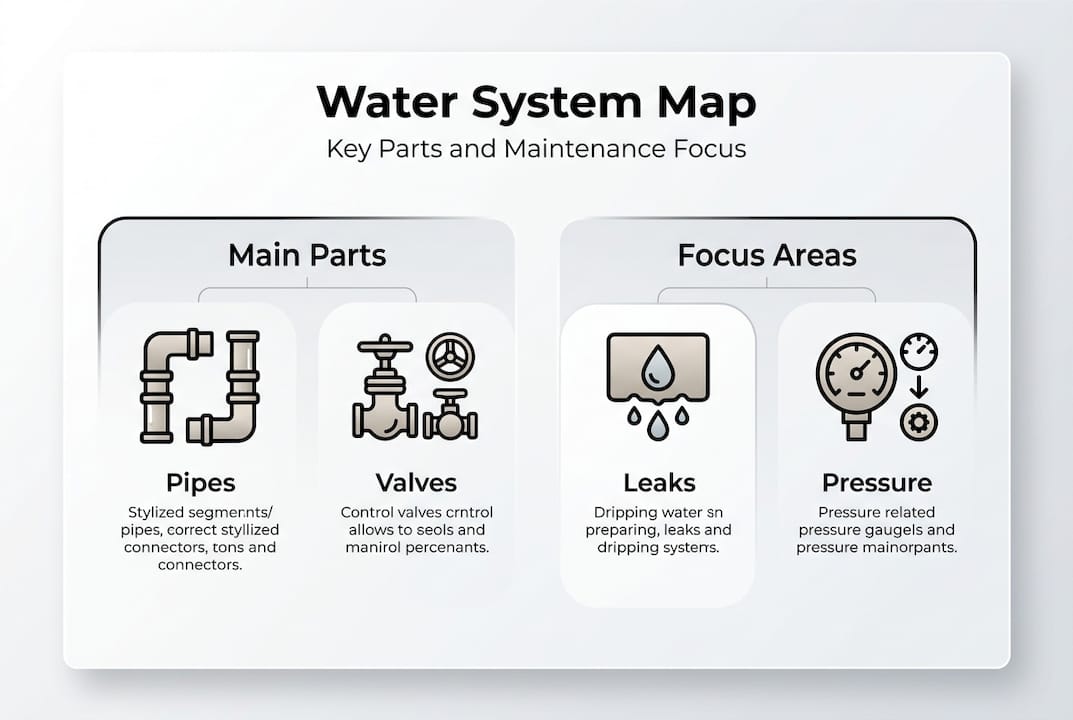
Here is a quick breakdown of maintenance checkpoints by system type:
| System type | Key components | Primary maintenance focus |
|---|---|---|
| Municipal supply | Pipes, valves, water heater | Leak checks, sediment flushing, valve exercise |
| Private well | Pump, pressure tank, wellhead | Annual water testing, pump inspection, tank pressure |
| Filtration/purifier | Filters, membranes, UV lamp | Filter replacement, sanitization, flow rate monitoring |
| Water softener | Resin tank, brine tank | Salt replenishment, resin cleaning, valve check |
According to standard workflow components for home and business systems, the most commonly overlooked areas are pressure regulators and expansion tanks, both of which silently fail before causing visible damage.
Some tasks are well within DIY reach:
- Checking for visible leaks around fixtures and joints
- Cleaning faucet aerators and showerheads
- Inspecting filter housings for cracks or discoloration
- Monitoring water pressure with a basic gauge
Others, like replacing anode rods, adjusting pressure relief valves, or diagnosing pump issues, need a licensed plumber or well technician. The EPA water system guidance recommends annual professional reviews for all system types to catch what DIY checks miss.
Essential water system maintenance tasks and schedules
Now that you can locate your system’s key points, let’s map out exactly what needs to be done and when. A structured schedule removes guesswork and ensures nothing slips through the cracks.
Here is a side-by-side comparison of typical home versus small business maintenance schedules:
| Frequency | Homeowner tasks | Small business tasks |
|---|---|---|
| Monthly | Check for leaks, inspect filter status | Inspect all fixtures, log water meter readings |
| Quarterly | Clean aerators, replace pitcher filters | Replace inline filters, check backflow preventers |
| Semi-annual | Flush water heater, test pressure | Service water heaters, test all shutoff valves |
| Annual | Full system inspection, well water test | Professional audit, replace UV lamps, certify backflow |
For standard frequency and types of maintenance across system types, the schedule above reflects industry best practices. Small businesses face stricter compliance requirements, and long-term filtration efficiency depends on consistent filter swaps and professional reviews, not just reactive fixes.
Here is a numbered checklist for your core visual inspection routine:
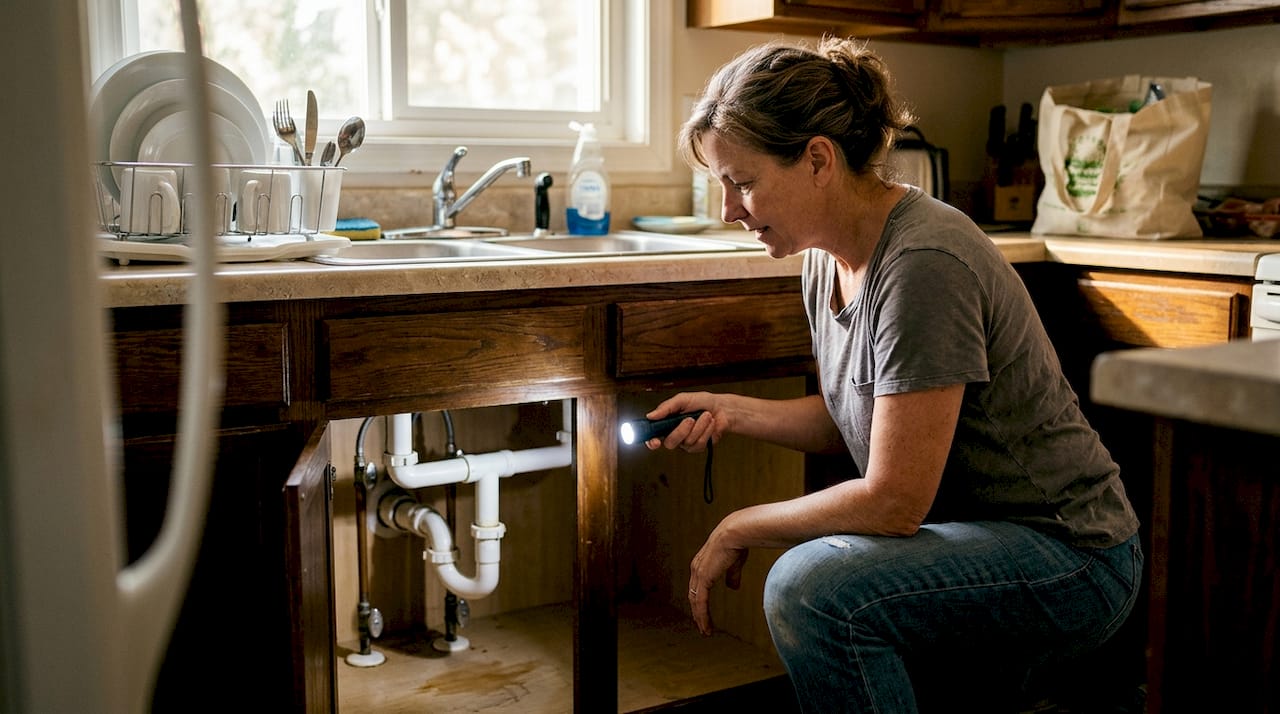
- Look under sinks and around the water heater for moisture or staining
- Check the pressure gauge reading (target: 40 to 60 PSI)
- Inspect filter housings for discoloration, cracks, or unusual odors
- Run each faucet and check for reduced flow or discoloration
- Verify that all shutoff valves turn freely without sticking
- Listen for unusual sounds from the pump or water heater
Following a consistent water purifier maintenance schedule keeps filtration performance steady year-round. For broader tips on keeping your system in top shape, these water purifier maintenance tips cover the most common mistakes owners make. The WaterSense program estimates that simple annual maintenance steps can save households hundreds of dollars per year in water and energy costs.
Pro Tip: Set a recurring calendar reminder on the first day of each month for your quick visual check, and a separate reminder each quarter for filter and aerator maintenance. A two-minute reminder prevents a two-thousand-dollar repair.
DIY versus professional maintenance: Tasks, tools, and safety priorities
With the core workflow in hand, it’s crucial to distinguish which steps are safe and reliable for a DIYer versus those best left to experts. Getting this wrong is not just expensive. It can be dangerous.
Routine tasks you can handle yourself:
- Checking for drips at faucets, supply lines, and the base of the toilet
- Cleaning faucet aerators by unscrewing and soaking in vinegar
- Replacing standard filter cartridges in under-sink or countertop units
- Flushing sediment from the water heater drain valve
- Testing water pressure with a screw-on gauge (available at any hardware store)
- Inspecting visible pipe sections for corrosion or mineral buildup
Tasks that require a licensed professional:
- Replacing the anode rod inside a water heater (requires draining and proper disposal)
- Adjusting or replacing the pressure regulator valve
- Inspecting and servicing a submersible well pump
- Sewer camera inspections for older pipe systems
- Diagnosing and repairing pressure tank bladder failures
For DIY versus pro responsibilities and safety guidance, the rule of thumb is simple: if the task involves gas lines, electrical connections, or components under sustained pressure, call a professional. The well maintenance checklist reinforces this, especially for pump and pressure tank work.
Skipping safety steps like shutting off the water main or releasing pressure before opening a valve is the fastest way to turn a routine task into a flooded room or a trip to the emergency room. Never assume a valve is fully closed until you have confirmed zero flow.
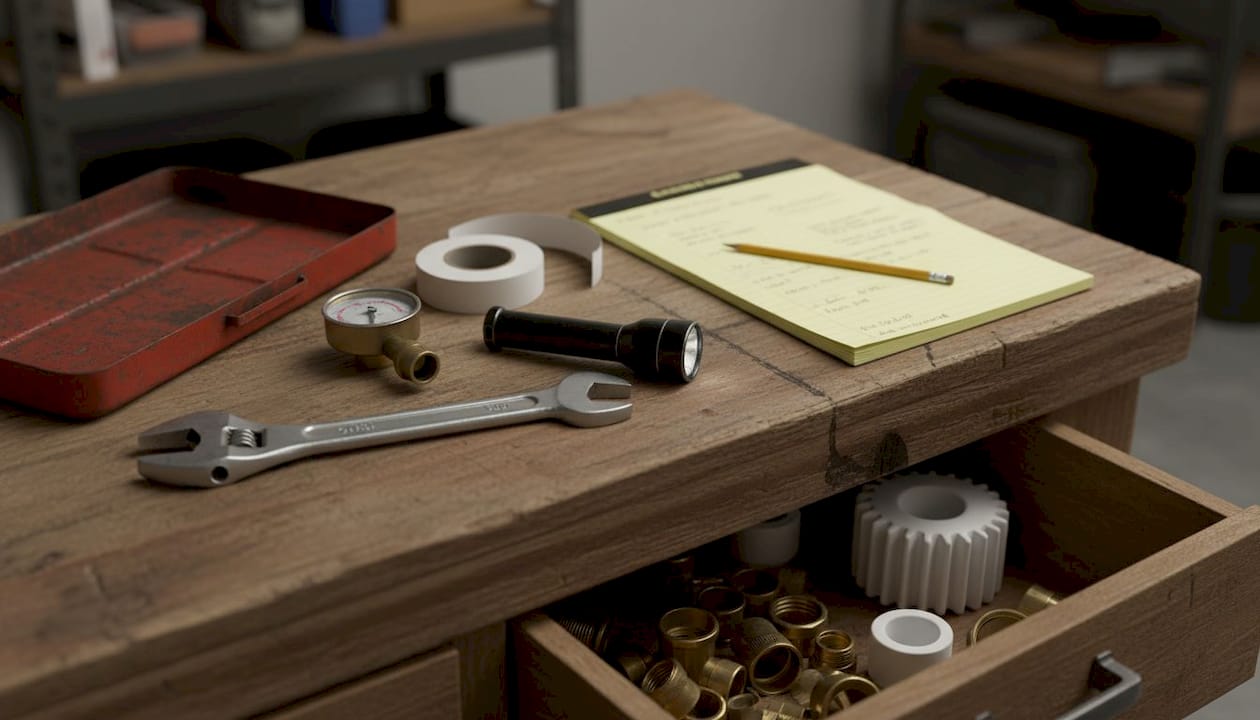
For DIY work, your basic toolkit should include an adjustable wrench, pipe tape, a pressure gauge, a flashlight, and replacement filter cartridges. For anything beyond that, you are in professional territory. Understanding purifier performance maintenance and following filter maintenance steps gives you a reliable foundation for the tasks you can safely own.
Pro Tip: Keep a simple log of every repair, filter change, and inspection with the date and what you found. When a professional visits, this record cuts diagnostic time in half and often reduces your service bill.
Troubleshooting and optimizing your system: Pressure, quality, and lifecycle
After handling the routine, staying vigilant for issues closes the loop on a truly effective workflow. Knowing what normal looks like makes it easy to spot when something is off.
Water pressure is one of the clearest indicators of system health. The ideal pressure range for residential and small commercial systems is 40 to 60 PSI. Readings above 80 PSI put stress on pipes, joints, and appliances, accelerating wear and increasing leak risk. Readings below 40 PSI often point to a clog, a failing pump, or a leak somewhere in the line.
For well owners, annual water quality testing is non-negotiable. Test for bacteria (coliform), nitrates, pH, and hardness at minimum. Contamination often has no visible signs, and a clean-looking glass of water can still carry harmful levels of nitrates or bacteria. Borehole system monitoring follows similar protocols, with additional attention to sediment levels and pump draw-down rates.
Early warning signs to watch for:
- Banging or hammering sounds in pipes (water hammer, often pressure-related)
- Rotten egg or musty odors from taps
- Sudden drop in flow rate at multiple fixtures
- Discolored or cloudy water, especially after rain
- Unexplained spike in your water bill
- Wet spots or soft ground near buried supply lines
The financial case for staying proactive is clear. A routine water heater flush that costs around $150 in professional time can prevent sediment buildup that leads to $1,000 to $2,500 in heater replacement costs. Catching a small leak early avoids the water damage, mold remediation, and structural repair bills that follow a slow, undetected leak. Learning to maintain purifier efficiency and staying aware of waterborne contamination risks rounds out a complete picture of system health.
Why preventive workflows outperform repair-focused maintenance
Most homeowners and business owners wait for something to break before they act. It feels efficient, but the data tells a different story. WaterSense-certified practices consistently show that proactive maintenance reduces both water loss and repair frequency. Aging water infrastructure across Europe loses an estimated 25% of treated water to leaks before it ever reaches a tap, a direct result of deferred maintenance at scale.
The same pattern plays out in individual homes and small businesses. A $20 filter cartridge replaced on schedule outperforms a $200 emergency service call every time. A simple digital calendar reminder or a paper checklist on the utility room wall is often all it takes to stay on track. These tools are almost never mentioned in standard maintenance guides, yet they are the real reason some systems last 30 years while others fail at 10.
The mindset shift is the hardest part. Preventive maintenance feels invisible because nothing goes wrong. But that is exactly the point. The peace of mind that comes from knowing your system is running within spec, your water is clean, and your pipes are not silently corroding is worth far more than the time invested.
Take your water system maintenance to the next level
If you’re ready to make water system upkeep easier and more reliable, Coway offers helpful solutions and expert guides that fit naturally into the workflow you have just built.
Coway’s water purifiers are designed to take the guesswork out of filtration maintenance, with filter status indicators, UV sanitization, and easy-access cartridge designs that make quarterly maintenance a five-minute task instead of a frustrating one. Explore the water purification process guide to understand how advanced filtration fits into your overall system. If you want a unit that handles both cooling and purification, the countertop ice water purifier is a strong option for kitchens and small offices. Visit Coway Water Purifier to explore the full range and find the right fit for your home or business.
Frequently asked questions
What are the most important steps in a water system maintenance workflow?
Perform monthly leak checks, clean filters quarterly, flush heaters semiannually, and schedule an annual professional inspection. Following a standard workflow for homes and small businesses keeps your system running without costly surprises.
How do I know if my water pressure is too high or low?
Check your pressure gauge: the ideal range is 40 to 60 PSI; above 80 PSI risks pipe and appliance damage, while below 40 PSI suggests a leak, clog, or pump issue that needs attention.
What tests should be done on well water each year?
Test for bacteria and nitrates at minimum, and inspect the wellhead and pressure tank condition. Annual well testing catches contamination that has no visible signs and protects your household from health risks.
Which water system tasks should only be done by professionals?
Professionals should handle anode rod replacements, pressure regulator valve adjustments, and sewer camera inspections. These tasks involve sustained pressure or specialized tools that make DIY attempts genuinely risky, as outlined in the service checklist for homeowners.
How can a workflow help avoid costly repairs?
A maintenance workflow catches small problems before they escalate, and preventive steps like a routine heater flush can save $1,000 to $2,500 in replacement costs while reducing overall water loss across the system.
Recommended
- Essential Water Purification Maintenance Schedule for 2025 – Coway Water Purifier
- Step by Step Water Filter Maintenance for Clean Results – Coway Water Purifier
- Role of Maintenance in Water Purifiers: Complete Guide – Coway Water Purifier
- How to Maintain Purifier Efficiency for Clean Water – Coway Water Purifier
- Streamline your progress report workflow: a guide – Optio Station: Best Project Management App for Prioritization
- Master Business Automation Workflow for Higher Efficiency | Artificial Intelligence
