
Uncategorized
How filtration supports sustainable, healthy homes in 2026

Mar
Most families spend a lot of time thinking about what they eat and drink, but very few stop to consider what’s actually in their tap water or the air circulating through their living rooms. The connection between home comfort, long-term health, and environmental impact is real, and filtration sits right at the center of it. Filtration systems for home water and air improve sustainability by reducing bottled water use, extending appliance life, conserving energy, and removing contaminants that quietly affect your family’s wellness every single day. This guide breaks down exactly how filtration works, what it can and cannot do, and how to make smart choices for your home.
Table of Contents
- Why filtration matters for healthy, sustainable homes
- How modern filtration methods work
- Filtration’s real-world performance and sustainability impact
- Limits, myths, and maintenance: Getting the most from your filters
- How to choose sustainable filtration solutions for your home
- Take the next step toward a healthier, sustainable home
- Frequently asked questions
Key Takeaways
| Point | Details |
|---|---|
| Health and environment link | Home filtration helps your family and the planet by reducing contaminants and minimizing waste. |
| Choose the right filter | Match filter type and certification to the risks in your tap water and air for optimal results. |
| Maintenance matters | Regular filter upkeep preserves effectiveness and supports both health and sustainability. |
| Sustainability edge | Eco-materials, smart technology, and best practices maximize the impact of your filters. |
Why filtration matters for healthy, sustainable homes
Filtration, in simple terms, is the process of removing unwanted particles, chemicals, or biological contaminants from water or air before they reach you. For homeowners, this means two things: cleaner water coming out of your tap and cleaner air moving through your rooms. Both have a direct effect on how your family feels day to day and on the long-term health of your household.
On the health side, filters target some genuinely alarming substances. These include:
- PFAS (per- and polyfluoroalkyl substances, also called “forever chemicals” because they don’t break down)
- VOCs (volatile organic compounds released by cleaning products, paints, and furniture)
- PM2.5 (fine particulate matter small enough to enter your lungs and bloodstream)
- Heavy metals like lead and arsenic in older plumbing systems
- Pesticides and chlorine byproducts in municipal water supplies
The environmental and financial case is just as strong. When your water tastes and smells clean, you stop buying single-use plastic bottles. Filters also protect appliances like dishwashers and water heaters from mineral buildup, extending their lifespan. Learning about eco-friendly filtration’s benefits shows just how much waste a single household can avoid over a year.
“Filters improve sustainability by reducing bottled water use and removing contaminants, leading to less plastic waste and better health.”
Understanding the importance of water quality for your family is the first step toward making filtration a real priority rather than an afterthought. Filters support both daily comfort and big-picture sustainability in ways most people never fully realize.
How modern filtration methods work
Not all filters are built the same, and knowing the difference helps you spend your money wisely. The mechanics of filtration include four main approaches: mechanical filtration, activated carbon adsorption, reverse osmosis (RO), and nanotechnology-based methods.
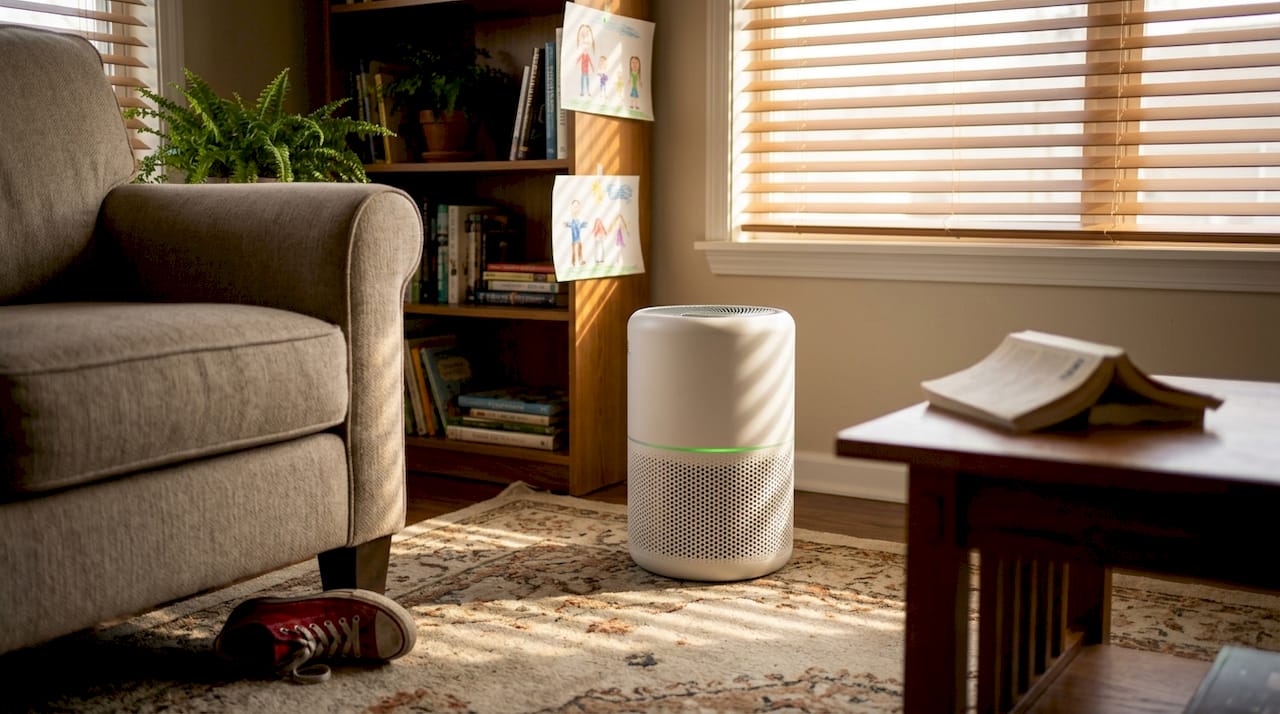
Mechanical filtration physically sieves out particles like sediment, dust, and larger contaminants. Activated carbon works through adsorption, meaning chemicals like chlorine and VOCs stick to the carbon surface as water or air passes through. Reverse osmosis forces water through an extremely fine membrane, blocking heavy metals, PFAS, and dissolved solids. Nanotech and electrospun fiber filters use ultra-fine materials to capture particles that older methods miss, and they often use fewer resources in production.
Here’s a quick side-by-side comparison:
| Filter type | Main targets | Energy use | Maintenance frequency |
|---|---|---|---|
| Mechanical/HEPA | Dust, PM2.5, allergens | Low | Every 6-12 months |
| Activated carbon | VOCs, chlorine, odors | Very low | Every 3-6 months |
| Reverse osmosis | PFAS, heavy metals, dissolved solids | Moderate | Every 6-12 months |
| Nanotech/electrospun | Fine particles, bacteria | Low | Varies by model |
For a deeper look at how these stack up, the filtration technology comparison guide walks through real-world performance for each type. Research on eco-friendly household filters also shows that newer bio-based and ceramic options are closing the gap with conventional systems while producing far less waste.
Pro Tip: Always look for NSF/ANSI certification for water filters and HEPA or CADR ratings for air purifiers before buying. These independent ratings confirm that a product actually performs as advertised, not just in a lab setting.
For families interested in the science behind their systems, exploring advanced filtration technology can help you understand what separates a high-performing unit from a basic one.
Filtration’s real-world performance and sustainability impact
Numbers tell the clearest story. Here’s how common home filtration systems perform against key benchmarks:
| System | PFAS removal | PM2.5 removal | Annual filter cost | Plastic waste reduction |
|---|---|---|---|---|
| Pitcher filter | Over 80% | N/A | $30-$60 | High (replaces bottles) |
| Under-sink RO | 90-99% | N/A | $50-$150 | Very high |
| Portable HEPA air cleaner | N/A | Up to 99.97% | $20-$80 | Moderate |
| Whole-home HVAC filter | N/A | 60-85% | $40-$100 | Moderate |
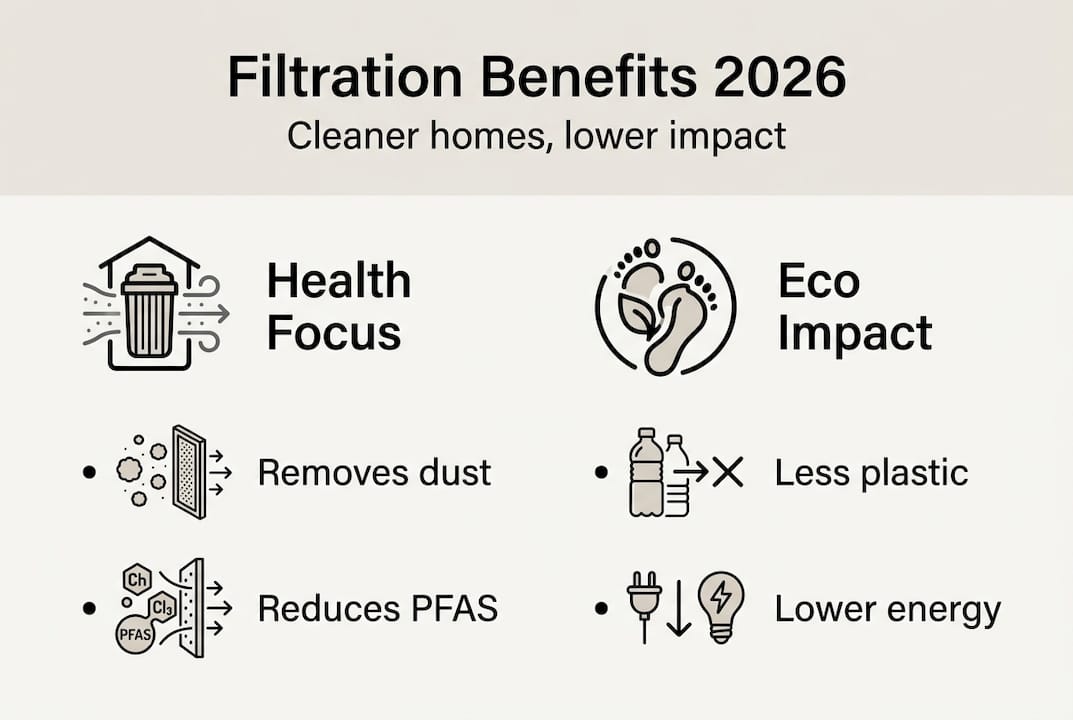
Portable HEPA air cleaners consistently rank among the most effective tools for reducing indoor PM2.5 exposure. On the water side, pitcher and bottle filters reduce PFAS and pesticides by over 80%, while RO systems push that number to 90-99%.
Here are the top three concrete benefits families see from consistent filtration use:
- Reduced household waste. Switching from bottled water to filtered tap water eliminates hundreds of plastic bottles per person each year. That’s a measurable environmental win.
- Improved family health. Removing PFAS, heavy metals, and fine particles lowers exposure to substances linked to hormonal disruption, cardiovascular issues, and respiratory problems. Research on health improvements with HEPA confirms real reductions in allergy and asthma symptoms.
- Energy and cost savings. Cleaner water extends the life of appliances, and energy-efficient air purifiers cost less to run than you might expect.
For practical guidance on getting the most out of your system, the eco-friendly water purification tips guide covers setup, habits, and product choices. If heavy metals are a concern in your area, the resource on removing heavy metals with filters is worth reading before you buy.
Limits, myths, and maintenance: Getting the most from your filters
Filters are powerful, but they are not magic. Knowing what they cannot do is just as important as knowing what they can.
Here’s what most home filters will not fully address:
- Certain gases like radon or carbon monoxide require dedicated detectors and mitigation systems, not air filters
- Persistent mold at the source needs physical removal and moisture control, not just air purification
- Microplastics vary widely in removal rates depending on filter type and pore size
- Nitrates in well water often require specialized treatment beyond standard pitcher filters
One of the most common myths is that any filter is better than no filter, regardless of condition. That’s not always true. Overdue cartridges can lose effectiveness and, in some cases, release trapped contaminants back into your water or air. A neglected filter can actually make things worse.
Pro Tip: Set a calendar reminder for filter replacements. Most cartridges need changing every 6 to 12 months, but high-use households or areas with poor water quality may need more frequent swaps. Check the maintenance steps for home filters to build a simple routine.
“Filters supplement, not replace, source control and ventilation. Addressing the root cause of contamination always comes first.”
Not every home needs advanced filtration either. If your municipal water meets all safety standards and your indoor air quality is good, a basic certified filter may be all you need. The guide on whether you really need a filter helps you assess your actual risk before spending money. For a broader view, the resource on filters’ role in home air and water quality puts everything in context. Always review the filter replacement essentials to stay on schedule.
How to choose sustainable filtration solutions for your home
Choosing the right filter comes down to matching your actual needs with a system that performs reliably and fits your lifestyle. Here’s a practical checklist to guide your decision:
- Test first. Get your tap water tested before buying anything. Many local utilities offer free testing, and home test kits are widely available.
- Prioritize certified systems. Look for NSF/ANSI certified filters for water and HEPA or CADR-rated units for air. Certification means independent verification.
- Check for eco-friendly materials. Ceramic, bio-based, and low-waste filter designs reduce your environmental footprint without sacrificing performance.
- Keep maintenance simple. Choose a system with replacement filters that are easy to find and affordable. A great filter you never maintain is worse than a basic one you keep up.
- Match the filter to the contaminant. RO for PFAS and heavy metals, activated carbon for VOCs and taste, HEPA for airborne particles and allergens.
Pro Tip: Combine your air purifier with good ventilation habits. Open windows when outdoor air quality is good, use exhaust fans in kitchens and bathrooms, and let your purifier handle the rest. Filtration and ventilation work best as a team.
For families comparing air purifier options, the guide on top features in air purifiers breaks down what actually matters versus what’s just marketing.
Take the next step toward a healthier, sustainable home
You now have a clear picture of how filtration protects your family, reduces waste, and supports a more sustainable household. The next step is finding the right system for your specific needs.
Coway’s lineup of certified water purifiers and air purifiers is built around exactly the principles covered in this guide: advanced filtration technology, low-waste design, and real health performance. Whether you’re starting with the water purification process guide to understand your options, using the air purifier selection guide to find the right unit for your space, or exploring advanced filtration options for whole-home coverage, Coway makes it straightforward to upgrade your home’s water and air quality with confidence.
Frequently asked questions
Do all homes need water or air filters for sustainability?
Most US tap water is safe and does not require extra filtration unless specific risks, aging pipes, or local advisories exist. Filters add the most value where water quality issues are confirmed or where indoor air quality is a known concern.
Which filter is best for removing forever chemicals (PFAS) at home?
Reverse osmosis systems are the gold standard, with PFAS removal rates of 90-99%. Certified pitcher and bottle filters also perform well, removing over 80% of PFAS and pesticides in most cases.
How often should I replace or maintain filters for sustainability?
Most filters need replacement every 6 to 12 months, but high-use households may need more frequent changes. Overdue filters lose effectiveness and can actually reintroduce contaminants, so staying on schedule matters.
What are eco-friendly filter options for families?
Ceramic pot filters and bio-based filter materials are affordable, effective, and generate far less plastic waste than conventional cartridge-based systems. They’re a strong choice for families prioritizing sustainability.
Do filters fully replace the need for ventilation or source control?
No. Filters supplement ventilation and source control strategies rather than replace them. Addressing the root cause of contamination, whether that’s a leaky pipe or poor airflow, always comes first.
Recommended
- What is eco-friendly filtration? A 2026 guide for homes – Coway Water Purifier
- Certified Filtration: Safeguarding Your Home Health – Coway Water Purifier
- Certified Filtration Standards: Safeguarding Home Wellness – Coway Water Purifier
- Role of filters in health: Improve your home quality – Coway Water Purifier
- Safe drinking water India guide 2026: protect your family – naturessoulshop
