
Uncategorized
Cost-saving air purification tips for healthier homes 2026
Mar
Improving indoor air quality while managing energy costs feels like an impossible balance for many homeowners and renters. Rising utility bills make every decision count, yet poor air quality threatens your health and comfort daily. You don’t need expensive equipment or professional installations to breathe cleaner air at home. This guide reveals practical, affordable air purification strategies that reduce pollutants without inflating your energy bills, helping you create a healthier living space on any budget.
Table of Contents
- Criteria For Cost-Effective Air Purification
- Affordable Air Purification Methods For Homeowners And Renters
- Comparing HVAC Filter Upgrades And Standalone Air Purifiers
- Making The Right Cost-Saving Air Purification Decision For Your Home
- Explore Air Purification Solutions At Coway Water Purifier
- What Is The Most Cost-Effective Way To Improve Indoor Air Quality?
- Can Renters Effectively Improve Indoor Air Quality Without Major Investments?
- Does Upgrading To A High MERV HVAC Filter Increase Energy Costs?
- How Do I Choose Between A Portable Air Purifier And Upgrading HVAC Filters?
Key takeaways
| Point | Details |
|---|---|
| Source control delivers maximum value | Eliminating pollutant sources costs nothing and outperforms ventilation or filtration alone for improving air quality. |
| DIY filtration works for renters | Box fan filters remove particles effectively during poor air quality events like wildfire season without permanent installations. |
| HVAC upgrades need compatibility checks | High MERV filters can increase energy use 10-15% in older systems, requiring careful system evaluation before upgrading. |
| Combining methods maximizes results | Layering source control, strategic ventilation, and targeted filtration delivers better outcomes than relying on single approaches. |
| Budget determines your starting point | Begin with zero-cost habits, then add affordable DIY solutions before investing in standalone purifiers or HVAC modifications. |
Criteria for cost-effective air purification
Selecting air purification methods requires balancing effectiveness against cost and energy impact. Source control eliminates pollutants at their origin, making it far more efficient than ventilation, which increases heating and cooling expenses. Before spending money on equipment, identify what pollutants exist in your home through the indoor air optimization process to target your efforts effectively.
Evaluate potential solutions using these practical criteria:
- Upfront cost and ongoing maintenance expenses
- Energy consumption impact on monthly utility bills
- Effectiveness against specific pollutants like dust, allergens, or volatile organic compounds
- Implementation difficulty and whether modifications require landlord approval
- Compatibility with existing HVAC systems to avoid equipment damage
Ventilation trades fresh air for higher energy costs since conditioned air escapes while unconditioned outdoor air enters. Your climate determines whether this tradeoff makes financial sense. Understanding indoor pollutants and air purifiers helps you match solutions to problems rather than buying equipment that addresses the wrong issues.
HVAC compatibility matters more than many homeowners realize. Installing filters with resistance beyond your system’s design forces the blower motor to work harder, consuming extra electricity while potentially shortening equipment lifespan. Check your furnace manual or consult an HVAC technician before upgrading filters to avoid expensive mistakes.
Pro Tip: Test your home’s specific air quality concerns using an inexpensive particulate matter monitor before investing in purification equipment, ensuring your solution targets actual problems rather than perceived ones.
Affordable air purification methods for homeowners and renters
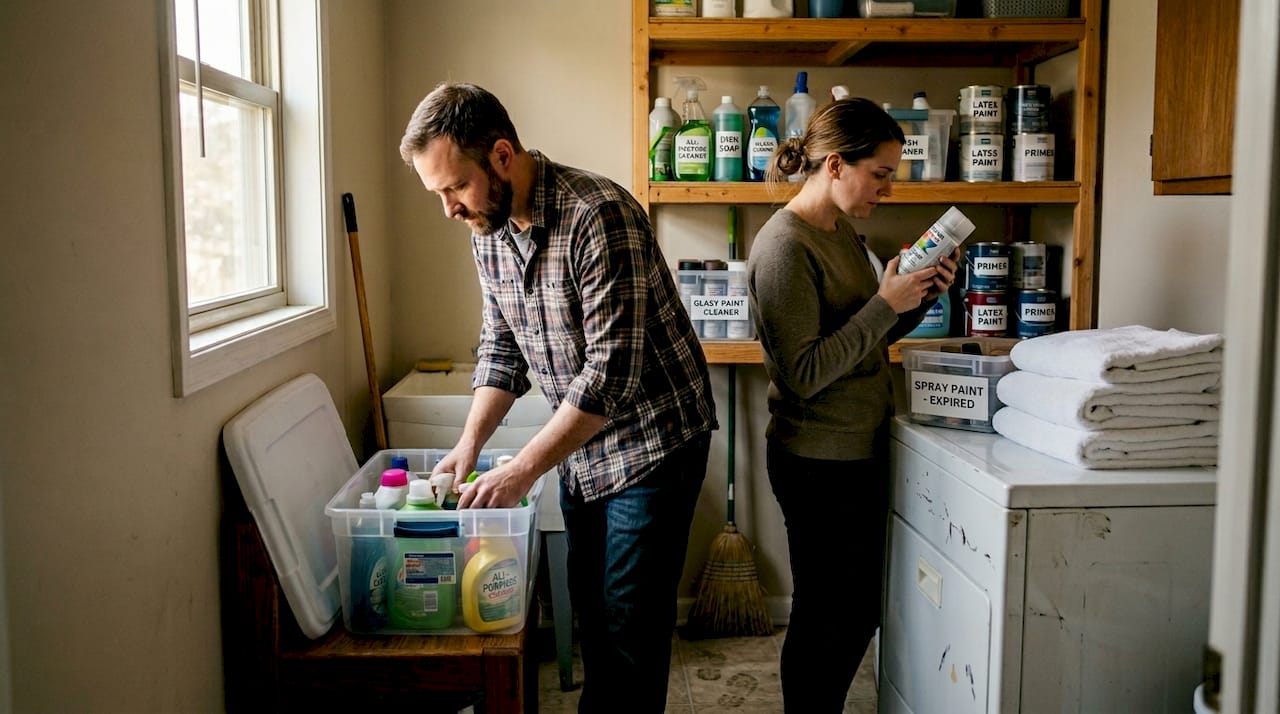
Source control costs nothing yet delivers immediate results. Remove indoor pollutant sources by storing chemicals in sealed containers outside living spaces, choosing low-VOC paints and cleaning products, and addressing moisture problems that encourage mold growth. These simple changes eliminate contaminants before they enter your breathing space, providing better results than any filter.
Strategic ventilation improves air quality when outdoor conditions permit. Run bathroom and kitchen exhaust fans during and after activities that generate moisture or pollutants. Open windows on opposite sides of your home to create cross-ventilation when outdoor air quality is good and temperatures are mild. Time ventilation to avoid peak heating or cooling hours, minimizing energy waste.
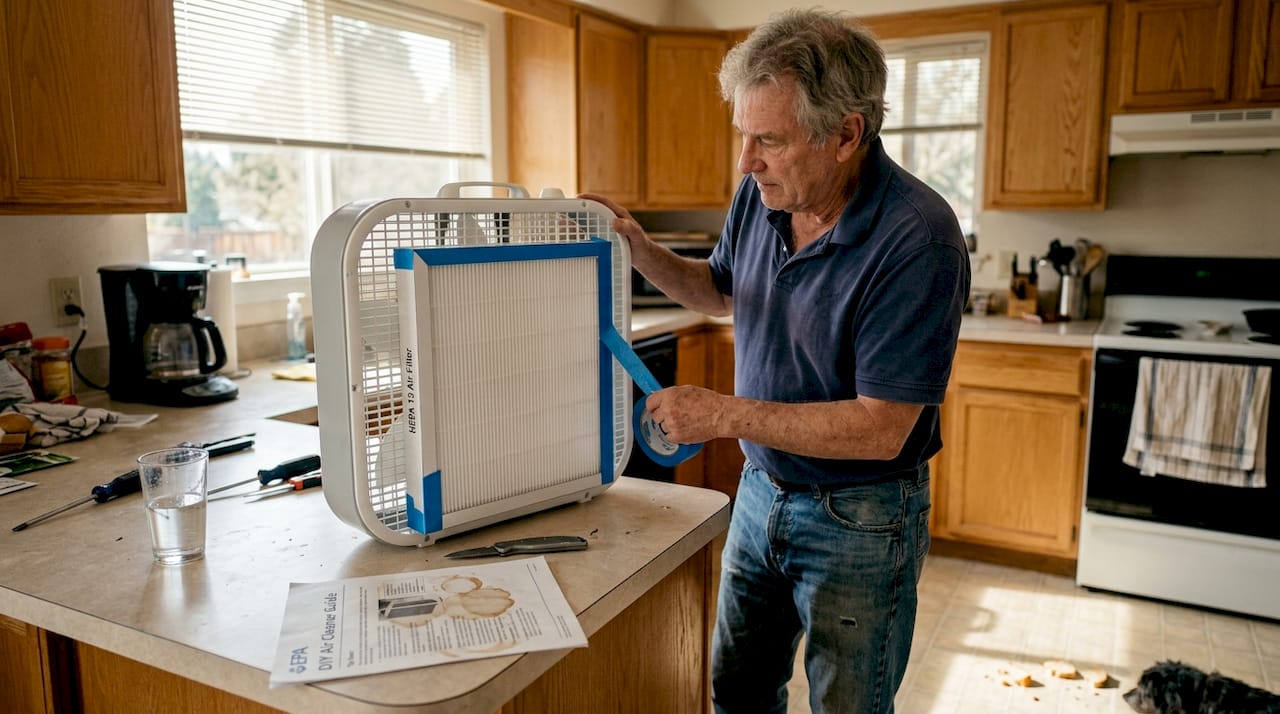
DIY filtration offers high-impact particle removal at minimal cost. The EPA recommends box fan filters during poor air quality events like wildfire season, when outdoor ventilation becomes impossible. Attach a MERV 13 furnace filter to a standard box fan using tape or bungee cords, creating an effective particle filter for $30 or less. This portable solution works perfectly for renters who cannot modify HVAC systems.
HVAC filter upgrades improve whole-home air quality if your system can handle higher efficiency filters. Replace standard fiberglass filters with pleated MERV 8-11 filters for better particle capture without excessive airflow restriction. Check your system’s specifications before installing MERV 13 or higher filters, as affordable air quality improvements must balance filtration effectiveness against system compatibility.
Renters face unique constraints but still have effective options:
- Portable air purifiers move between rooms and apartments without installation
- DIY box fan filters require no permanent modifications
- Exhaust fan habits cost nothing and work in any rental
- HVAC filter upgrades may be possible with landlord permission
Combining multiple low-cost strategies delivers better results than relying on a single expensive solution. Use source control as your foundation, add strategic ventilation when conditions allow, and supplement with DIY or portable filtration during high-pollution periods.
Pro Tip: Create a seasonal air quality strategy that emphasizes natural ventilation during spring and fall while relying more heavily on filtration during summer cooling and winter heating seasons when opening windows wastes energy.
Comparing HVAC filter upgrades and standalone air purifiers
MERV ratings measure filter efficiency on a scale from 1 to 16, with higher numbers capturing smaller particles. Standard fiberglass filters rate MERV 1-4, while pleated filters typically range from MERV 8-13. Higher ratings mean better filtration but also increased airflow resistance, which forces your HVAC system to work harder.
HVAC filter upgrades provide whole-home air cleaning through your existing system. Benefits include treating all rooms simultaneously, no additional floor space required, and lower ongoing costs than multiple room purifiers. However, high MERV filters increase energy use by 10-15% in older systems not designed for restricted airflow. System compatibility testing is essential before upgrading to prevent equipment damage or efficiency losses.
Standalone air purifiers offer targeted purification where you need it most. They provide portability between rooms, work in rentals without modifications, and allow upgrading air quality without HVAC system risks. Drawbacks include upfront costs of $100-800 per unit, ongoing filter replacement expenses, noise during operation, and floor space requirements. The best air purifier 2026 guide helps match units to specific room sizes and pollutant concerns.
| Feature | HVAC Filter Upgrade | Standalone Air Purifier |
|---|---|---|
| Upfront cost | $15-40 per filter | $100-800 per unit |
| Energy impact | 10-15% increase possible | 30-100 watts per unit |
| Coverage area | Whole home | Single room |
| Maintenance | Replace every 3 months | Replace filters every 6-12 months |
| Renter friendly | Requires permission | Fully portable |
| Effectiveness | Moderate for whole home | High for targeted spaces |
Choose HVAC upgrades when you own your home, have a modern HVAC system, and want consistent whole-home air quality improvement. Select standalone purifiers when renting, targeting specific problem areas, or when HVAC modifications are impractical. Many households benefit from combining both approaches, using upgraded HVAC filters for baseline improvement and portable purifiers in bedrooms or high-use spaces.
Maintenance costs matter long-term. HVAC filters cost $15-40 quarterly, totaling $60-160 annually. Standalone purifier filters range from $30-100 annually per unit, plus electricity costs. Calculate total ownership costs over three to five years when comparing options, not just initial purchase prices.
Making the right cost-saving air purification decision for your home
Prioritize source control and ventilation before investing in equipment, capturing immediate air quality gains at zero cost. Follow this decision framework to build an effective, affordable air purification strategy:
- Eliminate or reduce pollutant sources through storage changes, product substitutions, and moisture control.
- Establish ventilation habits using exhaust fans and strategic window opening when outdoor conditions permit.
- Assess whether your HVAC system can handle upgraded filters without energy penalties or equipment stress.
- Add DIY box fan filtration during poor outdoor air quality events or high-pollen seasons.
- Consider standalone purifiers for bedrooms or high-use spaces if budget allows and targeted purification is needed.
- Monitor results and adjust your approach based on seasonal changes and air quality measurements.
Renters should focus on portable, reversible solutions that move between apartments. Box fan filters, standalone purifiers, and habit-based strategies like exhaust fan use require no landlord approval. If your lease allows HVAC filter changes, upgrade to MERV 8-11 filters for whole-unit improvement. Document any modifications with photos to ensure security deposit return.
Homeowners gain flexibility to modify HVAC systems and install permanent solutions. Test your system’s compatibility with higher MERV filters by monitoring energy bills and airflow after upgrading. If bills increase significantly or rooms feel stuffy, return to lower-rated filters and invest in standalone purifiers instead. The home air quality checklist 2026 provides a comprehensive evaluation framework.
Seasonal adjustments maximize effectiveness while minimizing costs. Increase filtration during wildfire season, high pollen counts, or winter months when ventilation is impractical. Reduce reliance on mechanical filtration during mild weather when natural ventilation works effectively. This flexible approach balances air quality with energy efficiency throughout the year.
Combining methods progressively builds capability without overwhelming your budget. Start with zero-cost source control and ventilation habits this month. Add a $30 box fan filter next month if needed. Upgrade HVAC filters the following quarter after verifying compatibility. Purchase a standalone purifier for your bedroom when budget permits. This incremental approach creates sustainable improvements rather than requiring large upfront investments.
Pro Tip: Track your monthly energy bills and subjective air quality improvements in a simple spreadsheet to identify which strategies deliver the best value for your specific home and budget, adjusting your approach based on real data rather than assumptions.
Explore air purification solutions at Coway Water Purifier
Ready to upgrade your indoor air quality with proven technology? Coway offers advanced air purification products designed for effective cleaning and energy efficiency, helping you breathe easier without inflating utility bills.
Explore the air purifier selection guide 2026 to match the right purifier to your room size, pollutant concerns, and budget. Browse Coway Air Care products featuring multi-stage filtration systems that capture particles, allergens, and odors effectively. Maximize your investment with the air purifier cleaning process guide, ensuring optimal performance and filter longevity. Transform your home’s air quality today with solutions backed by rigorous testing and innovative design.
What is the most cost-effective way to improve indoor air quality?
Source control eliminates pollutants at their origin, making it more effective and affordable than ventilation or filtration alone. Remove or reduce pollutant sources by storing chemicals properly, choosing low-VOC products, and controlling moisture to prevent mold. These zero-cost changes deliver immediate air quality improvements without equipment purchases or energy increases.
Can renters effectively improve indoor air quality without major investments?
Renters can significantly improve air quality using portable solutions and habit changes that require no permanent modifications. DIY box fan filters cost under $30 and remove particles effectively during poor air quality events. Portable air purifiers, exhaust fan habits, and strategic ventilation work in any rental without landlord permission. Some renters can upgrade HVAC filters with approval, providing whole-unit air quality improvements.
Does upgrading to a high MERV HVAC filter increase energy costs?
Installing high MERV filters increases energy consumption by 10-15% in older systems not designed for restricted airflow. Test your system’s compatibility by monitoring energy bills and airflow after upgrading to MERV 11 or higher filters. Modern HVAC systems handle higher-rated filters more efficiently, but always verify your specific equipment’s capabilities before upgrading to avoid equipment damage or excessive energy costs.
How do I choose between a portable air purifier and upgrading HVAC filters?
Choose HVAC filter upgrades when you own your home, have a compatible modern system, and want consistent whole-home air quality improvement at lower ongoing costs. Select portable air purifiers when renting, targeting specific problem rooms like bedrooms, or when HVAC modifications risk equipment damage. Many households benefit from combining both approaches, using upgraded HVAC filters for baseline improvement and portable units in high-priority spaces for targeted purification.
Recommended
- Best air purifier 2026: health-focused selection guide – Coway Water Purifier
- 7 Must-Have Air Purifier Features for Healthier Homes – Coway Water Purifier
- Home air quality checklist for a healthier 2026 – Coway Water Purifier
- How to Select Air Purifier for Healthy Home Air Quality – Coway Water Purifier
