
Uncategorized
Role of IoT in Water Purifiers – Smarter, Safer Drinking
Dec
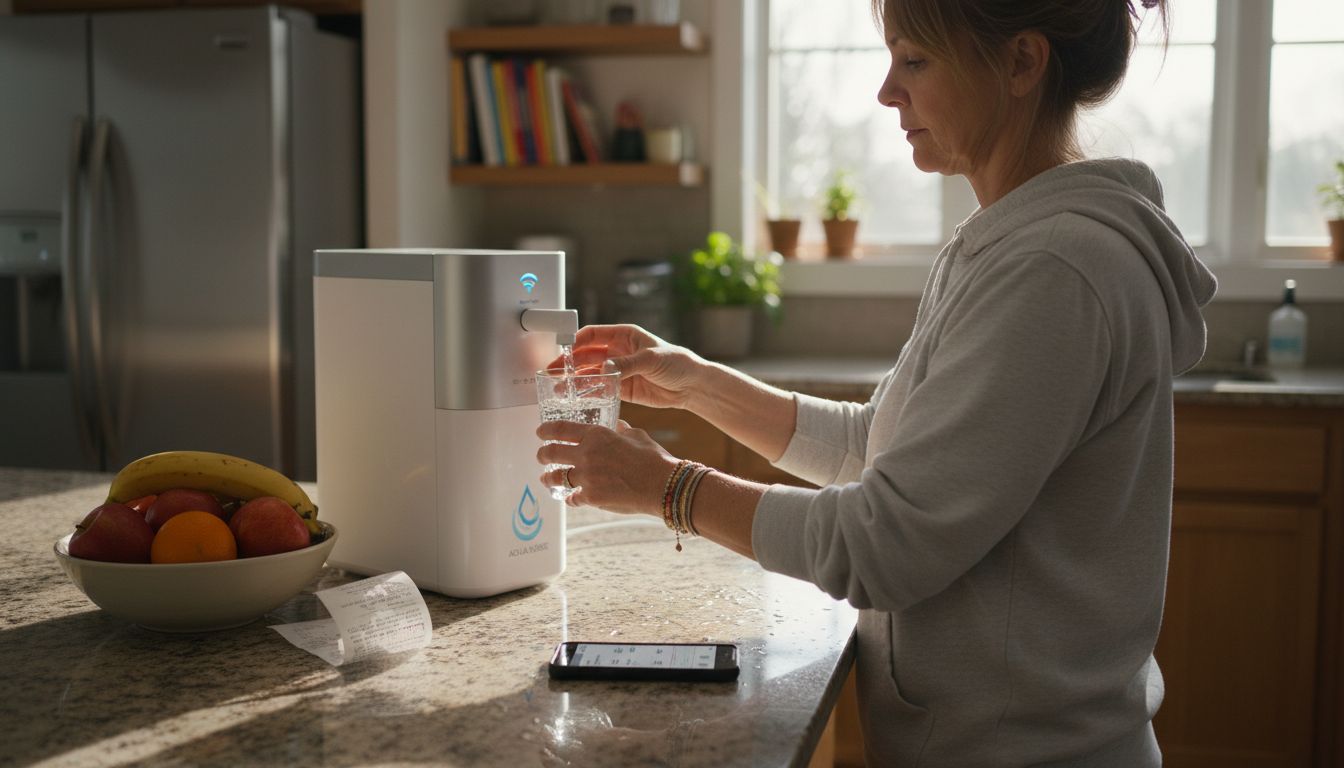
Over 90 percent of American households rely on municipal water, yet contamination risks still affect millions each year. Clean, safe water is crucial for health, making modern solutions more important than ever for families everywhere. Discover how IoT-enabled water purification is changing the game by offering smarter monitoring, real-time alerts, and a level of water quality control never possible with traditional systems.
Table of Contents
- What Is IoT-Enabled Water Purification?
- Types of IoT Features in Water Purifiers
- How Smart Water Purifiers Monitor Quality
- Real-Time Data, Alerts, and Maintenance Benefits
- Privacy, Security, and Cost Implications
Key Takeaways
| Point | Details |
|---|---|
| IoT Integration Enhances Water Purification | IoT-enabled systems transform traditional water treatment into intelligent networks, enabling continuous monitoring and real-time filtration adjustments. |
| Safety and Control for Consumers | Smart purifiers provide alerts, remote monitoring, and insights into water quality, giving users greater control over their drinking water safety. |
| Predictive Maintenance Features | Advanced technologies offer predictive maintenance notifications and automatic diagnostics, improving system efficiency and reliability. |
| Privacy and Security Measures | Robust encryption and security protocols safeguard user data, ensuring safe and reliable operation of IoT water purification systems. |
What Is IoT-Enabled Water Purification?
IoT-enabled water purification represents a groundbreaking technological approach that transforms traditional water treatment systems into intelligent, responsive networks. By integrating advanced sensors, wireless connectivity, and real-time data processing, these systems can monitor water quality parameters continuously and dynamically adjust filtration processes. Advanced IoT technologies enable precise water quality detection through sophisticated monitoring techniques that go far beyond conventional filtration methods.
The core functionality of IoT-enabled water purifiers revolves around their ability to collect, analyze, and respond to water quality data instantaneously. Embedded sensors continuously measure critical parameters like total dissolved solids, pH levels, microbial contamination, and chemical residues. These smart systems can instantly detect anomalies, trigger alerts, and automatically adjust filtration processes to ensure optimal water safety. Researchers have demonstrated how AI and IoT integration enhances water purification monitoring, creating a dynamic, adaptive approach to water treatment.
Key features of IoT-enabled water purification systems include:
- Real-time water quality tracking
- Automated contamination alerts
- Remote monitoring through smartphone applications
- Predictive maintenance notifications
- Customized filtration based on specific water source characteristics
By leveraging advanced connectivity and intelligent processing, IoT-enabled water purifiers represent a significant leap forward in ensuring safe, clean drinking water for households and businesses. These technologies not only improve water quality but also provide unprecedented transparency and control over water treatment processes, empowering consumers with detailed insights into their water’s composition and safety.
Types of IoT Features in Water Purifiers
IoT features in water purifiers represent a sophisticated technological advancement that transforms traditional water treatment into an intelligent, responsive system. Advanced IoT-based water management systems now integrate multiple smart technologies that provide comprehensive monitoring and control capabilities far beyond conventional filtration methods. These innovative systems leverage wireless connectivity, embedded sensors, and cloud computing to deliver unprecedented water quality insights.
Key IoT features in modern water purifiers encompass several critical functionalities. Real-time water quality monitoring allows continuous tracking of critical parameters such as pH levels, total dissolved solids, bacterial contamination, and chemical residues. Cloud-integrated IoT systems enable advanced water quality monitoring with instant data transmission, providing users with immediate insights into their water’s composition and safety status. These smart systems can automatically detect anomalies, generate alerts, and even suggest proactive maintenance strategies.
The most advanced IoT water purification features include:
- Smart leak detection and automatic water flow control
- Remote monitoring through smartphone applications
- Predictive maintenance alerts
- Customized filtration based on real-time water quality analysis
- Automatic filter replacement recommendations
- Cloud-based data logging and historical performance tracking
By integrating these cutting-edge IoT technologies, water purifiers are no longer passive filtration devices but active, intelligent systems that provide comprehensive water safety solutions. These smart technologies empower consumers with unprecedented transparency, control, and peace of mind regarding their drinking water quality, marking a significant leap forward in home water treatment technology.
How Smart Water Purifiers Monitor Quality
Smart water purifiers have revolutionized water quality monitoring through advanced sensing technologies that provide unprecedented insights into water composition. Innovative IoT-based spectrometers can now detect microscopic contaminants like glyphosate residues with remarkable precision, transforming how consumers understand their drinking water’s safety. These sophisticated systems leverage multiple sensors and wireless connectivity to create a comprehensive real-time monitoring ecosystem.
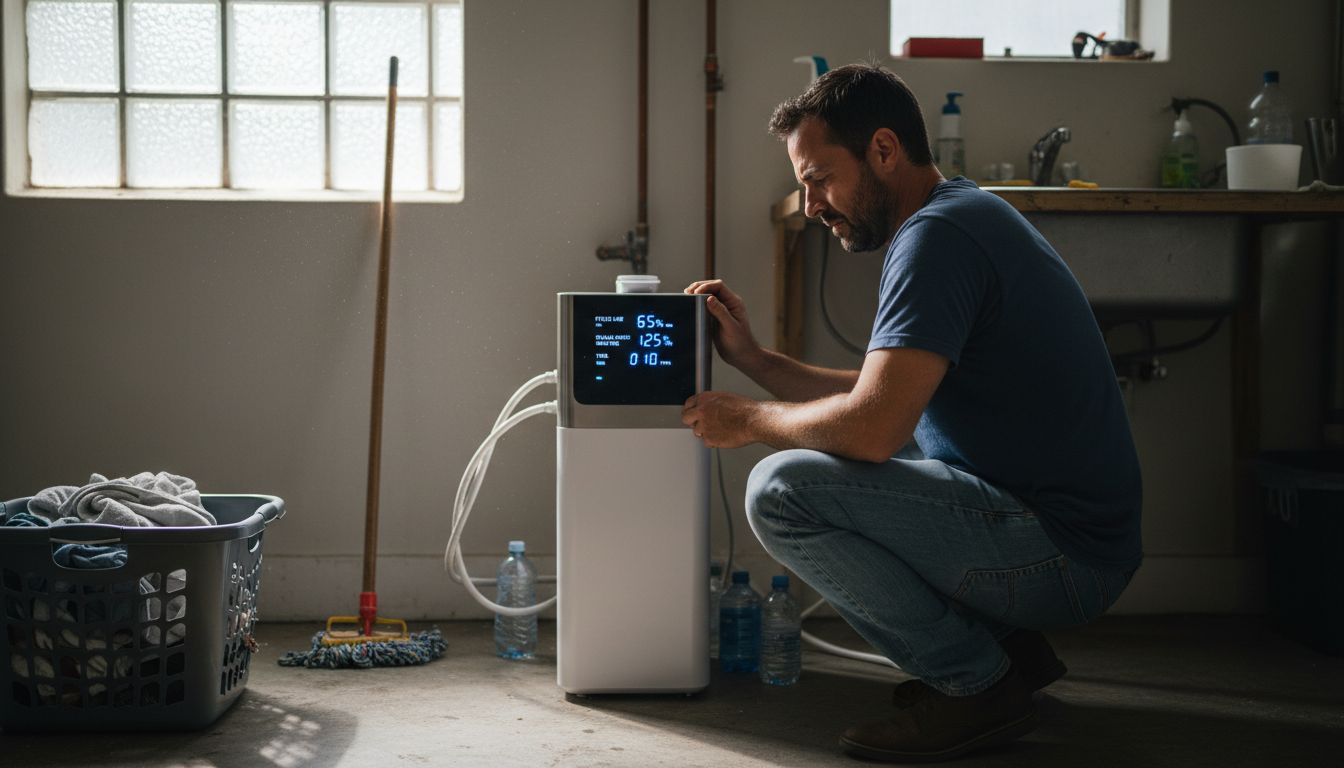
The monitoring process involves sophisticated multi-parameter analysis that goes far beyond traditional filtration methods. Advanced IoT water quality monitoring systems can simultaneously track critical parameters including pH levels, turbidity, temperature, and chemical composition, providing users with a holistic view of their water’s characteristics. Embedded sensors continuously collect data, transmitting information to connected devices and generating immediate alerts if any potentially harmful substances are detected.
Key components of smart water quality monitoring include:
- Multiparameter sensor arrays
- Wireless data transmission
- Real-time contamination detection
- Automatic chemical residue identification
- Cloud-based data storage and analysis
- Machine learning algorithms for predictive assessment
By integrating these cutting-edge technologies, smart water purifiers transform water monitoring from a passive, periodic process into an active, continuous assessment. Consumers now have unprecedented transparency and control, receiving instant notifications about their water’s safety and potential risks, ultimately empowering them to make informed decisions about their drinking water quality.
Real-Time Data, Alerts, and Maintenance Benefits
IoT-enabled water purifiers have transformed maintenance and monitoring through sophisticated real-time data systems that provide unprecedented insight and control. Advanced IoT water quality monitoring technologies enable instant detection and comprehensive tracking of potential contamination risks, allowing homeowners to proactively manage their water safety with exceptional precision. These intelligent systems represent a quantum leap beyond traditional passive water treatment approaches.
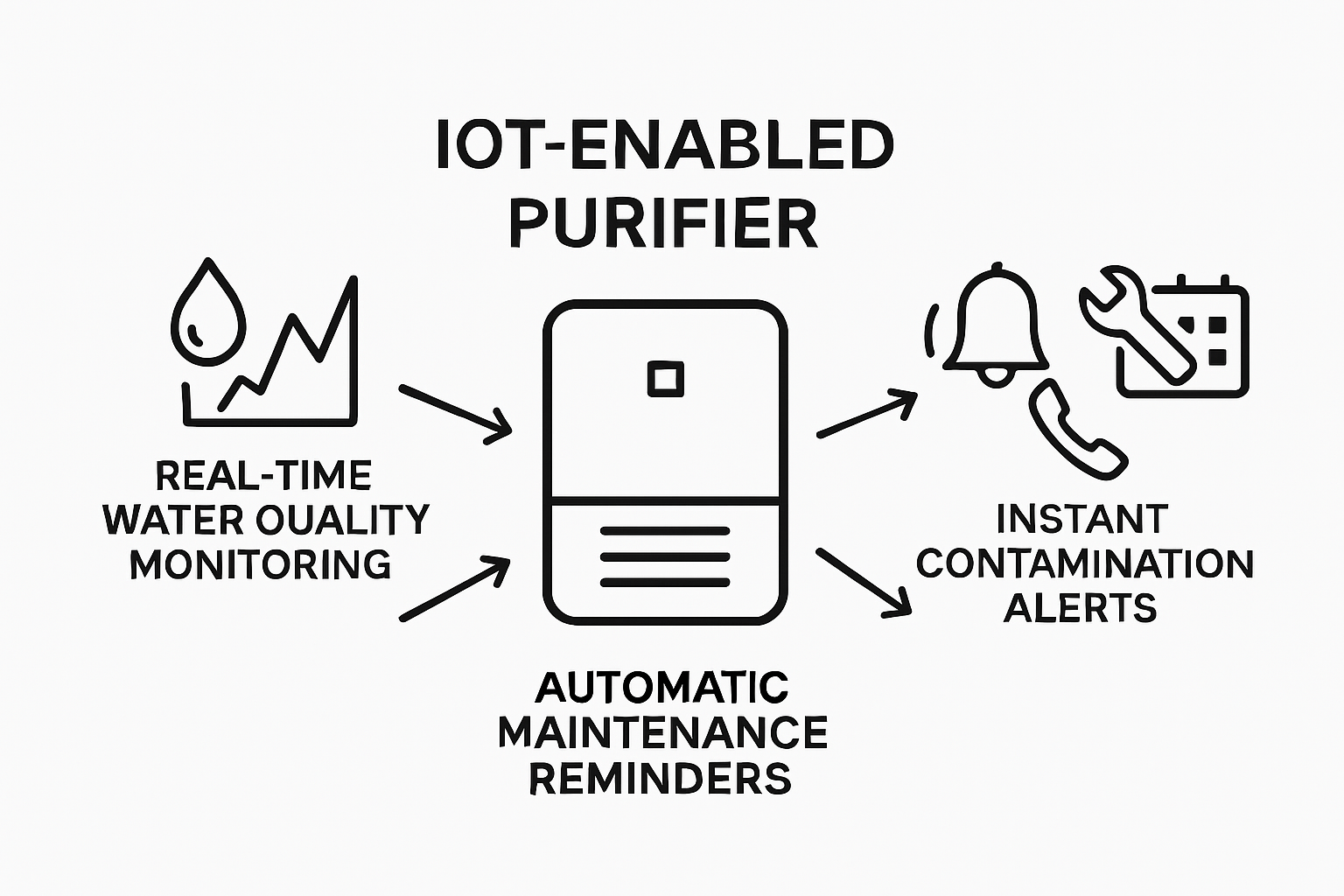
The real-time alert mechanisms work through a complex network of integrated sensors and wireless communication technologies. Specialized IoT spectrometers can detect microscopic contaminants and generate immediate notifications, ensuring users are instantly informed about any potential water quality issues. The system continuously analyzes multiple parameters, comparing current readings against established safety benchmarks and generating actionable insights.
Key maintenance and alert benefits include:
- Instant contamination detection
- Predictive filter replacement notifications
- Automatic performance diagnostics
- Detailed water quality historical tracking
- Remote monitoring through smartphone applications
- Proactive maintenance scheduling
By integrating these advanced technological capabilities, IoT-enabled water purifiers fundamentally reimagine water treatment as a dynamic, responsive process. Consumers gain unprecedented transparency and control, transforming water maintenance from a reactive chore into a smart, data-driven approach that prioritizes safety, efficiency, and long-term system performance.
Privacy, Security, and Cost Implications
IoT-enabled water purifiers bring complex considerations around privacy, security, and economic investments that consumers must carefully evaluate. Innovative low-cost IoT water monitoring technologies are addressing potential financial barriers while simultaneously implementing robust security protocols to protect user data and system integrity. These advanced systems balance technological sophistication with economic accessibility, making smart water purification more attainable for diverse households.
IoT-based water quality monitoring systems integrate multiple layers of data protection and encryption to ensure comprehensive security across wireless transmission channels. The technologies employ advanced encryption protocols, secure cloud storage, and sophisticated authentication mechanisms that prevent unauthorized access and protect sensitive water quality information. This multi-tiered approach addresses growing consumer concerns about potential digital vulnerabilities in connected home technologies.
Key privacy and security considerations include:
- End-to-end data encryption
- Secure wireless transmission protocols
- User-controlled data sharing permissions
- Anonymous data aggregation techniques
- Regular security software updates
- Compliance with international data protection standards
The economic landscape of IoT water purifiers continues to evolve, with manufacturers focusing on creating cost-effective solutions that deliver advanced technological capabilities without imposing prohibitive expenses. By leveraging economies of scale and continuous technological innovations, these smart water purification systems are becoming increasingly accessible, transforming what was once a premium technology into a practical solution for health-conscious consumers.
Experience Smarter, Safer Drinking with IoT-Enabled Water Purifiers
Ensuring the purity of your drinking water is more critical today than ever. The article highlights common challenges like real-time contamination detection, remote monitoring, and predictive maintenance that traditional water purification systems often miss. With IoT-enabled purifiers, you gain continuous water quality tracking, automatic alerts for contamination, and customized filtration adjustments that provide peace of mind and healthier living.
Discover how Coway’s advanced water purifiers embrace these smart features to deliver safe, clean water tailored to your home’s needs. Our offerings combine UV sanitization, cutting-edge filtration technology, and seamless smartphone integration for effortless monitoring and maintenance. Visit our Uncategorized Archives – Coway Water Purifier to explore innovative solutions that bring these IoT benefits into your daily life.
Take control of your water quality today. Explore the full range at Coway Water Purifier and experience the future of smarter hydration. Don’t wait for risks to arise. Get yours now to enjoy reliable, intelligent purification with expert support and convenient services.
Frequently Asked Questions
How does IoT improve water purification?
IoT enhances water purification by integrating advanced sensors and real-time data processing, enabling continuous monitoring of water quality and automated adjustments to filtration processes for optimal safety.
What features should I look for in an IoT water purifier?
Key features to consider include real-time water quality tracking, automated contamination alerts, remote monitoring via smartphone apps, predictive maintenance notifications, and customized filtration based on water source characteristics.
How do smart water purifiers monitor quality?
Smart water purifiers use advanced multi-parameter sensor arrays to continuously analyze critical parameters such as pH levels, turbidity, and chemical composition, providing a comprehensive overview of water safety and quality.
What are the maintenance benefits of IoT-enabled water purifiers?
IoT-enabled water purifiers offer benefits such as instant contamination detection, predictive filter replacement notifications, automatic performance diagnostics, and proactive maintenance scheduling, leading to safer and more efficient water management.
Recommended
- Understanding Water Purification Trends in 2025 – Coway Water Purifier
- 2025 Water Filtration Trends: Complete Guide – Coway Water Purifier
- 7 Key Features of Modern Water Purifiers Explained – Coway Water Purifier
- What is Under-Sink Water Purifier? Understanding Its Importance – Coway Water Purifier
