
Uncategorized
Importance of Regular Filter Replacement – Safeguarding Health at Home
Dec
Over 90 percent of American homes use filters in their air or water systems, yet many people underestimate the impact of regular replacement. Skipping this simple routine can open the door to unwanted contaminants and expensive repairs, affecting the health and comfort of everyone at home. If you want a fresher, safer indoor environment for your family, understanding how proper filter care protects American households is essential.
Table of Contents
- What Regular Filter Replacement Means
- Types of Filters for Water and Air Purifiers
- How Filtration Systems Protect Your Health
- Consequences of Delayed Filter Replacement
- Signs It’s Time to Replace Your Filter
Key Takeaways
| Point | Details |
|---|---|
| Regular Filter Replacement is Crucial | Changing filters routinely enhances air and water quality, protecting health and improving system efficiency. |
| Monitor Filter Condition | Look for signs like reduced airflow and visible debris to determine when replacements are needed. |
| Use Appropriate Filter Types | Selecting the right filters based on specific contaminants is essential for effective purification. |
| Neglecting Maintenance has Risks | Delayed filter replacement can lead to poor air quality, increased energy costs, and health problems. |
What Regular Filter Replacement Means
Regular filter replacement is a systematic process of periodically changing and maintaining air and water filtration systems to ensure optimal performance and protect indoor health. This proactive maintenance strategy goes beyond simple equipment upkeep and represents a critical approach to safeguarding residential environmental quality.
At its core, regular filter replacement involves removing and substituting existing filters with new ones according to manufacturer recommendations. Filters accumulate contaminants over time, including dust, allergens, microorganisms, and particulate matter. When these filters become saturated, their effectiveness dramatically decreases, potentially allowing harmful substances to circulate through living spaces. The replacement process typically involves examining current filter condition, selecting appropriate replacement models, and installing them at prescribed intervals.
The technical aspects of filter replacement depend on specific system requirements. Water filtration systems might need cartridge changes every 3-6 months, while air purification units could require more frequent interventions. Factors influencing replacement frequency include usage intensity, environmental conditions, and specific filtration technology. High-traffic households or regions with significant air pollution might necessitate more frequent filter changes to maintain optimal performance.
Pro Tip: Filter Change Schedule: Establish a digital or physical calendar reminder for filter replacements, matching manufacturer guidelines and tracking your specific household’s filtration needs to ensure consistent indoor air and water quality.
Critical Replacement Indicators:
- Reduced airflow or water pressure
- Visible debris accumulation
- Unusual odors
- Increased energy consumption by filtration systems
Types of Filters for Water and Air Purifiers
Water and air purification systems employ diverse filtering technologies designed to remove contaminants and improve environmental quality. These filtration methods range from basic mechanical screens to advanced molecular separation techniques, each targeting specific types of impurities and serving unique purification objectives.
In water filtration, multiple filter types address different contamination concerns. Activated alumina filters excel at removing fluoride and arsenic through precise adsorption mechanisms, making them crucial for households with specific water quality challenges. Other common water filter categories include carbon filters for removing chlorine and organic compounds, reverse osmosis systems for comprehensive purification, and ceramic filters designed to trap bacteria and sediment.
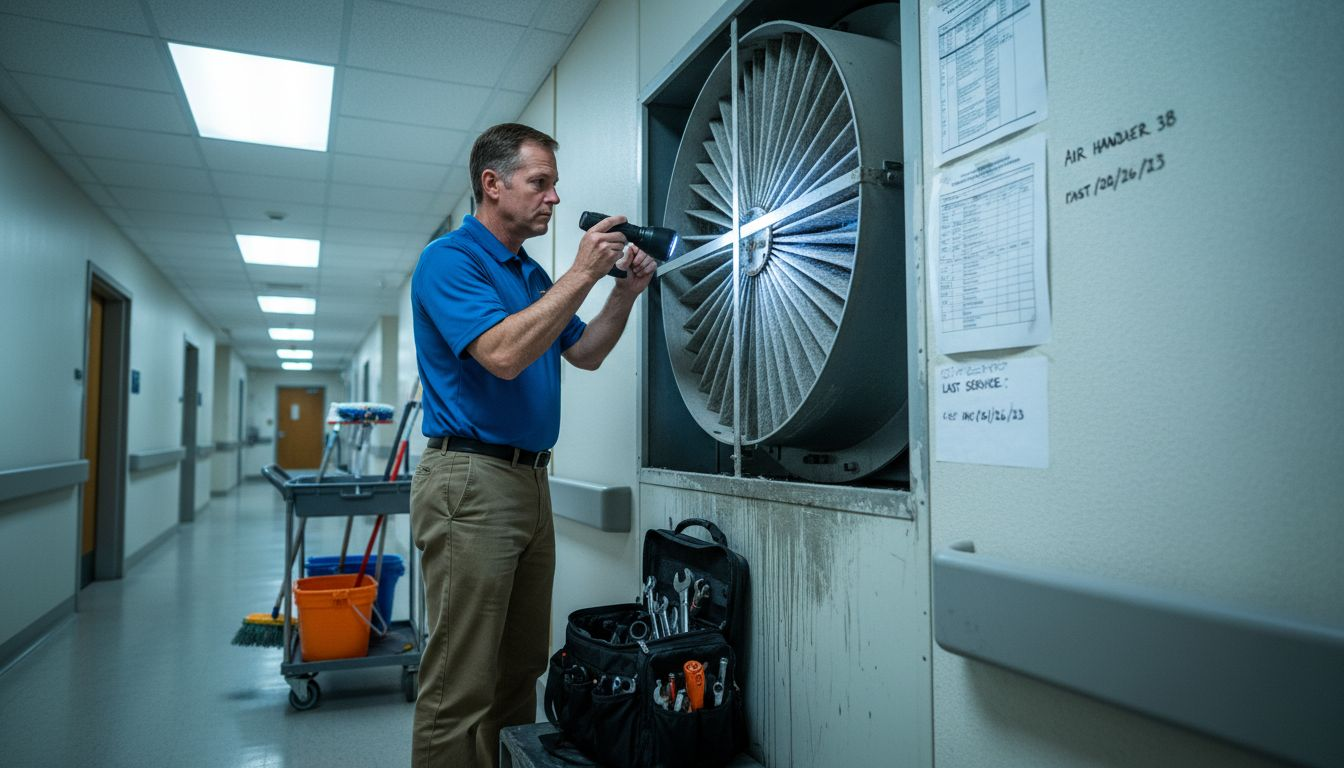
Air filtration technologies are equally sophisticated. Ultra-low particulate air (ULPA) filters represent the pinnacle of airborne particle removal, capable of eliminating at least 99.999% of particles as small as 0.12 micrometers. These high-performance filters are typically used in medical facilities and cleanroom environments. Residential air purifiers often utilize HEPA filters, which capture 99.97% of particles measuring 0.3 micrometers, effectively removing dust, pollen, mold spores, and other microscopic contaminants.
Pro Tip: Filter Selection Strategy: Research your specific environmental conditions and health needs before selecting a filtration system, matching filter type to the particular contaminants most prevalent in your water or air.
Key Filter Classification:
Here’s a quick comparison of common air and water filter types and their primary benefits:
| Filter Type | Primary Usage | Key Benefit |
|---|---|---|
| Activated Alumina | Water purification | Removes fluoride and arsenic |
| Carbon Filter | Water or air | Eliminates chlorine and odors |
| HEPA | Air purification | Traps pollen and fine dust |
| ULPA | Air purification | Removes ultrafine particles |
| Ceramic | Water purification | Blocks bacteria and sediment |
| Reverse Osmosis | Water purification | Comprehensive contaminant removal |
- Mechanical filters (screen-based)
- Chemical absorption filters
- Biological filters
- Electromagnetic filtration systems
- Hybrid multi-stage filters
How Filtration Systems Protect Your Health
Filtration systems serve as critical guardians of human health, creating invisible barriers that prevent harmful contaminants from entering our living and working environments. These sophisticated technologies work silently to intercept microscopic threats that could potentially compromise respiratory systems, immune responses, and overall wellness.
Indoor air quality protection remains a fundamental function of advanced filtration systems, removing particulates that can trigger serious health complications. Airborne contaminants like dust, pollen, bacteria, and chemical pollutants can cause respiratory issues, allergic reactions, and long-term health problems if left unchecked. High-performance filters capture these microscopic invaders, preventing them from circulating through living spaces and reducing the risk of chronic respiratory conditions.
Comprehensive health protection extends beyond air filtration. Water filtration systems similarly act as critical health barriers, removing dangerous microorganisms, heavy metals, and chemical contaminants. Proper maintenance of filtration units is essential, as poorly maintained systems can potentially harbor dangerous bacteria that cause serious illnesses. Regular cleaning and replacement of filters ensure these protective mechanisms remain effective, continuously safeguarding household health.
Pro Tip: Health Monitoring Strategy: Conduct quarterly assessments of your home’s filtration systems, checking filter conditions and replacing them proactively to maintain optimal indoor environmental quality.
Key Health Protection Mechanisms:
- Particulate matter removal
- Pathogen interception
- Chemical contaminant filtration
- Allergen reduction
- Microorganism elimination
Consequences of Delayed Filter Replacement
Delayed filter replacement can trigger a cascade of negative consequences that compromise both equipment performance and personal health. What might seem like a minor maintenance oversight can quickly escalate into significant systemic problems affecting air quality, energy efficiency, and overall household wellness.
Overloaded filters create substantial strain on filtration systems, dramatically increasing energy consumption and reducing air circulation efficiency. As filters become saturated with dust, debris, and microscopic contaminants, they force mechanical systems to work harder, consuming more electricity while simultaneously decreasing their ability to effectively clean indoor air. This increased energy demand not only raises utility costs but also accelerates mechanical wear and potential system failure.
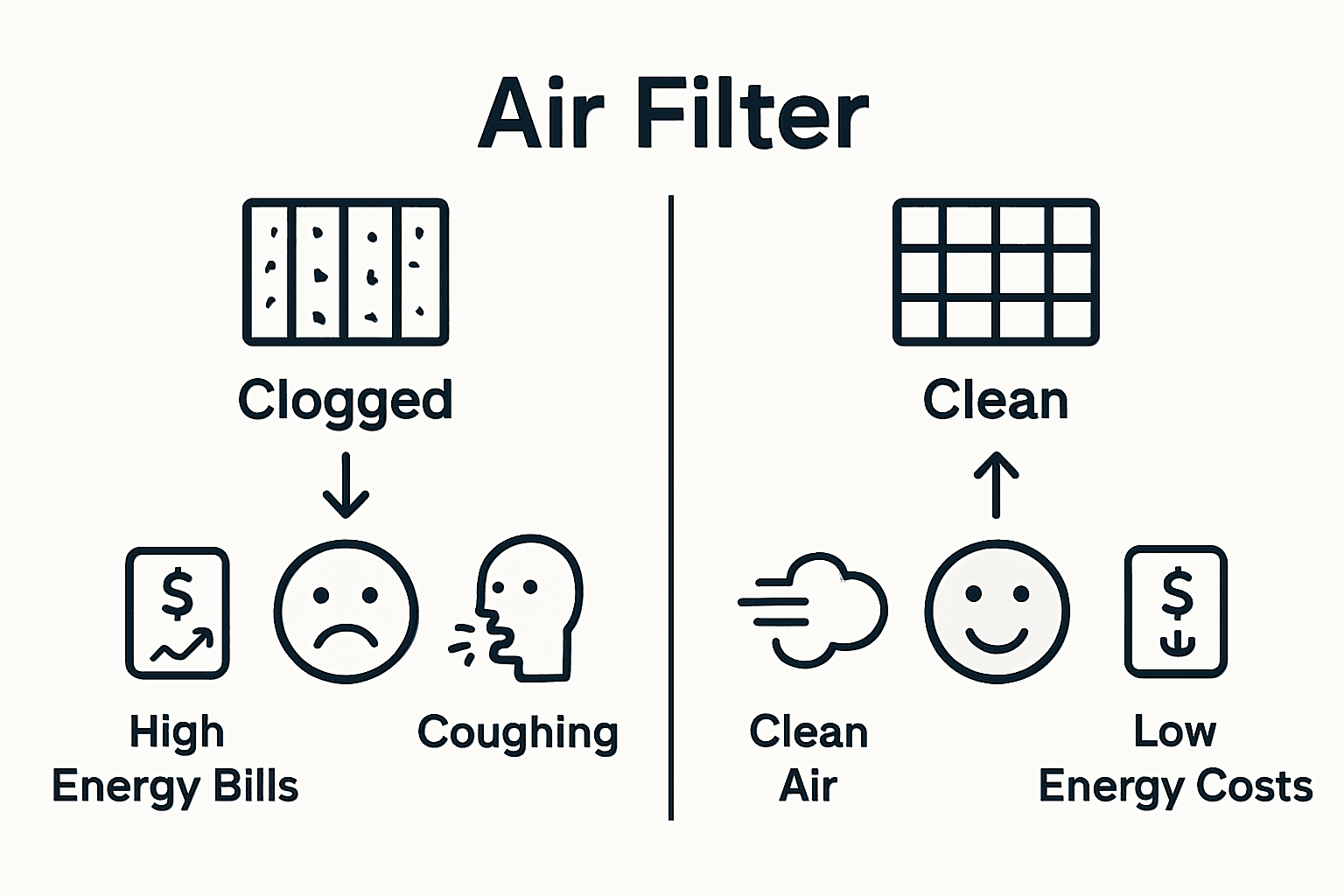
Health risks represent another critical dimension of filter neglect. Prolonged filter usage allows dangerous microorganisms, allergens, and pollutants to accumulate and potentially circulate throughout living spaces. Mold spores, bacteria, and particulate matter can trigger respiratory complications, allergic reactions, and long-term health challenges. Individuals with preexisting conditions like asthma or compromised immune systems face particularly heightened risks when exposed to contaminated air circulation systems.
Pro Tip: Early Warning System: Set digital reminders or install smart monitoring devices that track filter performance and send notifications when replacement becomes necessary, preventing potential health and mechanical complications.
Major Consequences of Delayed Replacement:
The table below summarizes how regular filter maintenance impacts system performance and household health:
| Impact Area | With Regular Replacement | With Neglected Replacement |
|---|---|---|
| Air/Water Quality | Remains consistently high | Drops significantly, risks increase |
| Energy Efficiency | Optimal system operation | Raises utility costs, system strain |
| Health Protection | Minimizes exposure risks | Increases risk of illness |
| Equipment Lifespan | Extends functionality | Leads to early breakdown |
- Increased energy consumption
- Reduced air quality
- Higher mechanical system stress
- Potential respiratory health risks
- Accelerated equipment deterioration
Signs It’s Time to Replace Your Filter
Filters are silent guardians of indoor environmental quality, and recognizing when they need replacement is crucial for maintaining healthy living spaces. Understanding the subtle signs of filter degradation can prevent potential health risks and ensure optimal system performance.
Certain key indicators signal that your air purification system requires immediate filter replacement, including worsened allergy symptoms, reduced airflow, and unusual operational sounds. These warning signs represent more than minor inconveniences — they are critical alerts about your filtration system’s declining effectiveness. Reduced airflow suggests filters have become clogged with accumulated dust, debris, and microscopic contaminants, forcing mechanical systems to work harder and compromising air quality.
Performance degradation manifests through multiple sensory and measurable signals. Visible dirt accumulation, increased dust levels throughout living spaces, and emerging respiratory symptoms among household members are clear indicators that filter replacement is urgent. Homeowners should pay special attention to changes in indoor air quality, monitoring for persistent odors, increased dust settling on surfaces, and any unexplained respiratory discomfort experienced by family members.
Pro Tip: Visual Inspection Strategy: Perform monthly visual assessments of your filters, using natural light to check for discoloration, visible particle buildup, and structural integrity, which can help predict replacement needs before performance significantly declines.
Critical Filter Replacement Warning Signs:
- Reduced airflow from vents
- Visible dirt and debris accumulation
- Increased household dust levels
- Worsening allergy or respiratory symptoms
- Unusual system operational noises
- Persistent unpleasant odors
Protect Your Home with Reliable Filter Solutions from Coway
Regular filter replacement is crucial to maintaining clean air and water in your home. Clogged or outdated filters lead to poor air quality, increased energy use, and health risks from allergens and contaminants. Protect your family by choosing advanced filtration systems designed to perform at their best with timely maintenance. Our range of Coway water and air purifiers offers innovative technologies and easy filter replacement options to keep your indoor environment safe and healthy.
Explore our selection at Coway Water Purifier and discover powerful solutions tailored to your needs. Learn more about maintaining peak performance in filtration on our Uncategorized Archives – Coway Water Purifier page. Don’t wait for warning signs like reduced airflow or unpleasant odors. Visit https://cowayswaterpurifier.com today and take the first step toward a cleaner, healthier home environment.
Frequently Asked Questions
What are the consequences of not replacing filters regularly?
Delayed filter replacement can lead to reduced air and water quality, increased energy consumption, and heightened health risks due to the accumulation of contaminants and allergens in your living environment.
How often should I replace my air and water filters?
The frequency of filter replacement varies by type and usage. Generally, water filters should be changed every 3-6 months, while air filters may need to be replaced more often, especially in high-traffic households or areas with significant air pollution.
What signs indicate that my filter needs to be replaced?
Key indicators include reduced airflow, visible dirt accumulation, increased household dust levels, worsening allergy or respiratory symptoms, and unusual operational noises from the filtration system.
How do filtration systems protect my health?
Filtration systems remove harmful contaminants from the air and water, such as allergens, pathogens, and chemicals. Regular maintenance ensures that these systems effectively safeguard your health by reducing exposure to respiratory irritants and waterborne pathogens.
Recommended
- Filter Replacement – Why Timely Changes Matter – Coway Water Purifier
- The Essential Guide to Regular Filter Replacement – Coway Water Purifier
- Role of Filtration in Health – Why It Matters – Coway Water Purifier
- Complete Guide to Importance of Regular Water Filter Servicing – Coway Water Purifier
