
Uncategorized
Why Choose Home Air Purifier: Complete Guide
Nov
Over 90 percent of american families spend most of their time indoors where air quality can be up to five times worse than outside. Many people overlook how indoor pollution affects their health day after day. Understanding how modern air purifiers work helps you take practical steps to reduce hidden threats in your own home, whether you live in the city or suburbs.
Table of Contents
- What Are Home Air Purifiers?
- Main Types of Home Air Purifiers
- How Air Purifiers Improve Indoor Air
- Health Benefits and Real-World Impacts
- Comparing Costs and Alternative Solutions
Key Takeaways
| Point | Details |
|---|---|
| Air Purifiers Enhance Indoor Air Quality | Home air purifiers remove harmful pollutants, allergens, and particles, improving overall health and comfort. |
| Various Filtration Technologies Available | Technologies such as HEPA, activated carbon, and UV light provide targeted solutions for different indoor air pollutants. |
| Health Benefits Are Significant | Regular use of air purifiers can alleviate respiratory issues and improve lung function over time. |
| Cost-Effectiveness of Investment | Investing in air purifiers offers long-term financial benefits through reduced healthcare costs and absenteeism. |
What Are Home Air Purifiers?
Home air purifiers are sophisticated devices designed to improve indoor air quality by systematically removing pollutants, allergens, and harmful particles from the air we breathe. According to the Environmental Protection Agency, these devices work by filtering out contaminants that can potentially impact human health and comfort.
These advanced filtration systems typically utilize multiple layers of specialized filters to capture different types of airborne particles. HEPA filters, activated carbon filters, and UV light technologies are commonly integrated to target specific pollutants like dust, pollen, pet dander, smoke particles, and microscopic microorganisms. The GlobalSpec Manufacturing Resource highlights that modern air purifiers can effectively remove particles as small as 0.3 microns with remarkable efficiency.
Key components of home air purifiers include:
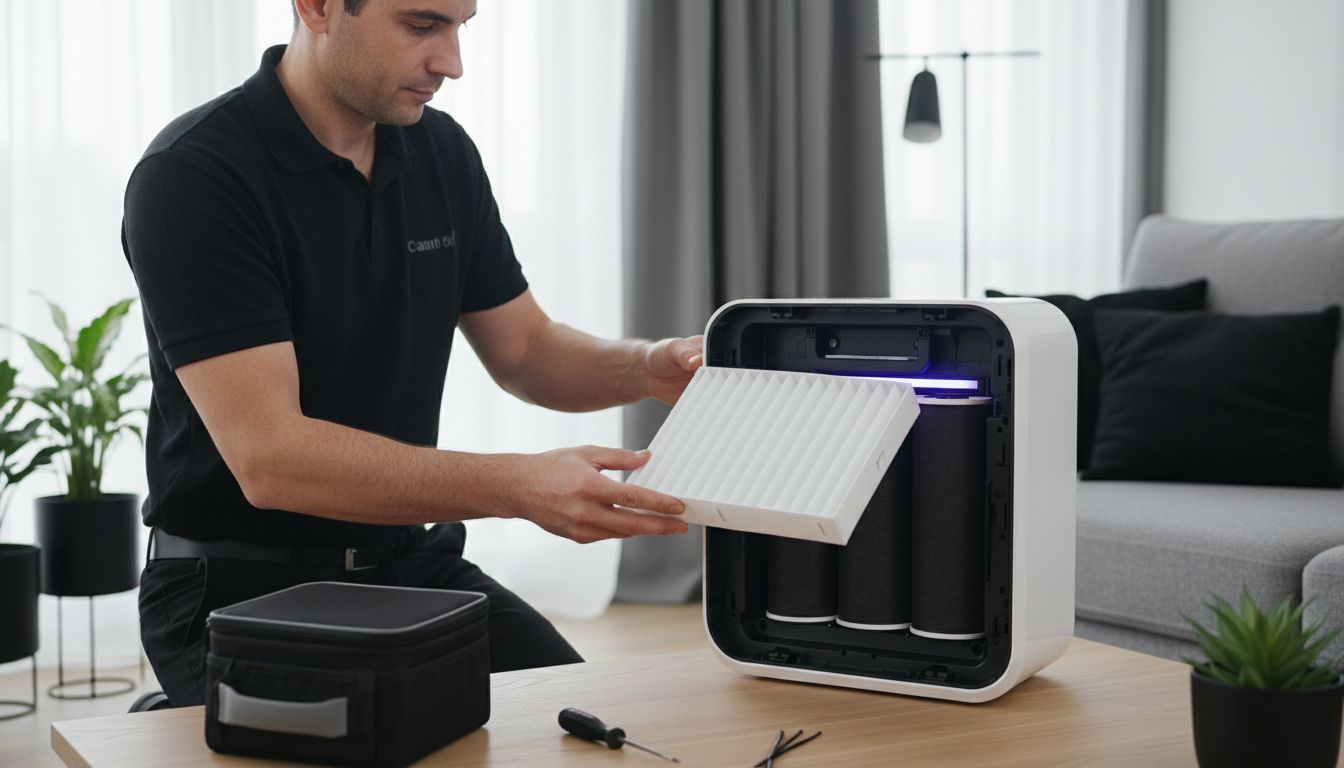
- Pre-filters to capture larger particles
- HEPA filters targeting microscopic contaminants
- Activated carbon layers for odor and chemical removal
- Optional UV sanitization for eliminating bacteria and viruses
By integrating Understanding How Air Purifiers Work for Healthier Homes, homeowners can transform their indoor environments into cleaner, healthier spaces. These devices are particularly beneficial for individuals with allergies, respiratory conditions, or those seeking to minimize exposure to airborne pollutants in increasingly urban and industrialized living environments.
Main Types of Home Air Purifiers
Home air purifiers come in several distinct types, each designed to address specific indoor air quality challenges. According to GlobalSpec, the primary categories include mechanical filters, electronic air purifiers, and hybrid systems that combine multiple technologies for comprehensive air cleaning.
HEPA Filters represent the gold standard in mechanical air filtration, capable of trapping microscopic particles with exceptional efficiency. These filters are particularly effective at removing allergens, dust, and microscopic pollutants. Another innovative approach is the Activated Carbon Filter, which specializes in absorbing odors, gases, and chemical pollutants that traditional filters might miss.
Alternative air purification technologies include:
- Ionic Air Purifiers: Use electrical charges to remove airborne particles
- UV Light Purifiers: Eliminate bacteria and viruses through ultraviolet radiation
- Electrostatic Precipitators: Charge particles and collect them on oppositely charged plates
Interestingly, DIY solutions like the Corsi–Rosenthal Box demonstrate that effective air purification isn’t limited to commercial products. This homemade design uses standard HVAC filters and a box fan to create an affordable air cleaning solution, highlighting the versatility of air purification technologies. For those seeking a more comprehensive understanding, explore our guide to air purifier technologies to find the perfect solution for your specific indoor air quality needs.
How Air Purifiers Improve Indoor Air
Air purifiers play a crucial role in transforming indoor environments by systematically removing harmful pollutants and improving overall air quality. Research from MDPI’s Atmosphere journal demonstrates their remarkable effectiveness in reducing particulate matter and carbon dioxide levels, particularly in enclosed spaces like classrooms and homes.
The filtration mechanism of air purifiers targets multiple categories of airborne contaminants, including dust, pollen, pet dander, smoke particles, and microscopic organisms. By cycling air through advanced filter systems, these devices can dramatically reduce potential respiratory irritants and allergens. PubMed research has even highlighted their potential impact beyond air quality, suggesting improvements in:
- Thermal comfort
- Lung function
- Cognitive performance
Key improvements air purifiers provide include:
- Removing airborne allergens and irritants
- Neutralizing odors and chemical pollutants
- Reducing potential transmission of airborne viruses
- Minimizing respiratory health risks
For those seeking deeper insights into managing indoor environmental health, our comprehensive guide on indoor pollutants offers additional strategies for creating healthier living spaces.
Health Benefits and Real-World Impacts
Air purifiers have emerged as a critical tool in mitigating health risks associated with indoor air pollution. According to ScienceDirect’s research in the Journal of Hazardous Materials, these devices can significantly reduce pollution-related health complications, potentially preventing numerous premature deaths linked to poor air quality.
Respiratory Health stands at the forefront of air purifier benefits. Discover Environment research highlights that consistent air purification can dramatically reduce common health issues such as:
- Dry throat
- Respiratory difficulties
- Allergy symptoms
- Asthma triggers
Beyond immediate respiratory improvements, air purifiers offer profound long-term health advantages. They create environments that minimize exposure to:
- Microscopic pollutants
- Airborne viruses
- Chemical irritants
- Persistent allergens
For individuals seeking comprehensive strategies to protect their indoor health, our role of air purifiers guide provides deeper insights into creating healthier living spaces.
Comparing Costs and Alternative Solutions
Investing in air purification is more than a health decision—it’s a financial strategy with tangible economic benefits. The Indoor Health Council reveals that portable air purifiers can generate significant returns through reduced absenteeism and lower healthcare expenses, making them a smart long-term investment for homes and businesses.
Cost-Benefit Analysis demonstrates that air purification technologies offer compelling economic advantages. According to REHVA Journal, the financial gains from improved indoor air quality often outweigh initial equipment costs, with typical payback periods spanning less than four months. This rapid return makes air purifiers an attractive solution for budget-conscious consumers.
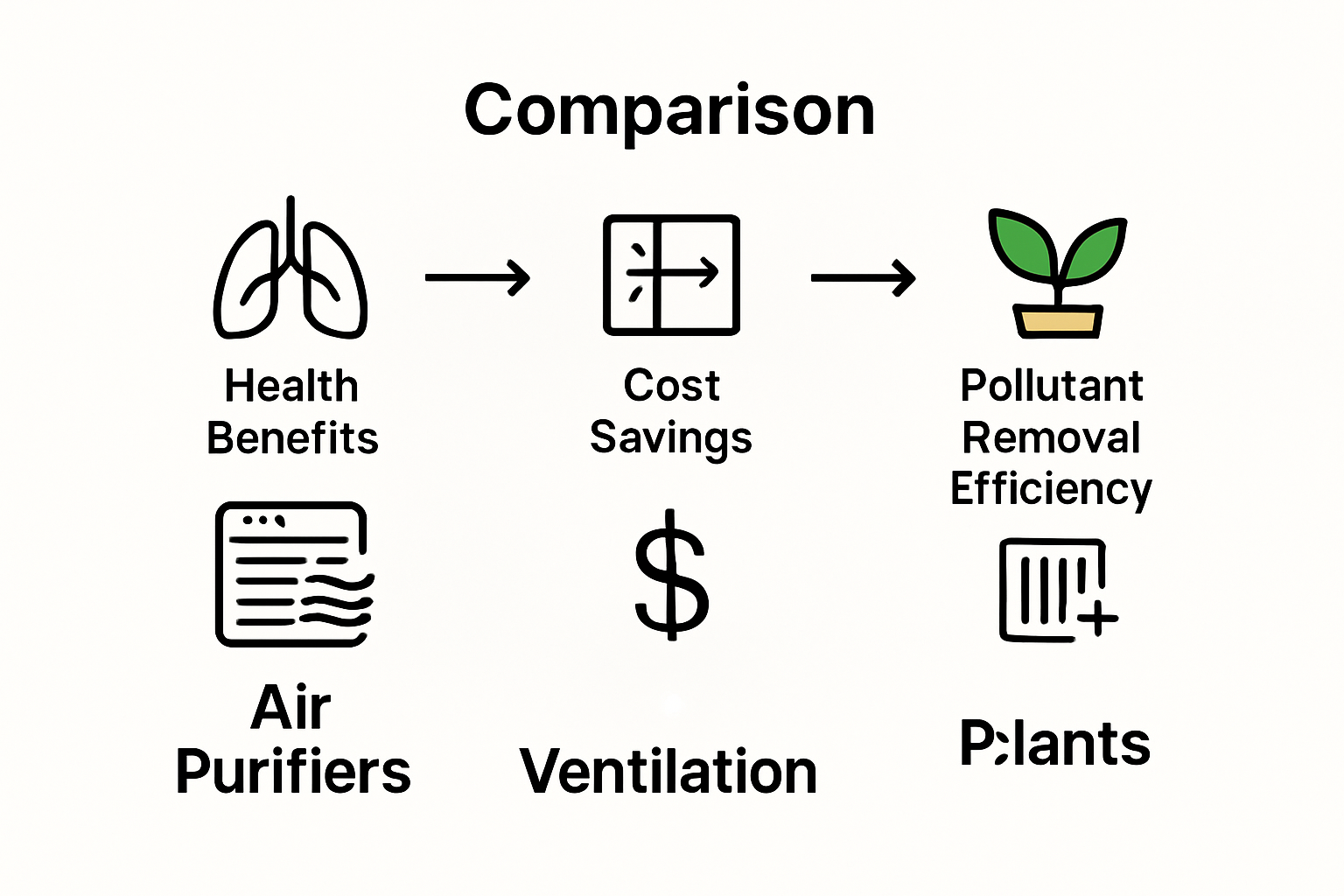
Alternative air quality improvement strategies include:
- Natural ventilation
- Indoor plants
- Regular HVAC maintenance
- DIY air filtering solutions
While these alternatives have merit, they typically cannot match the comprehensive filtration provided by dedicated air purification systems. For those weighing their options, our indoor air quality guide offers detailed insights into selecting the most effective and economical approach for your specific environment.
Experience Cleaner Air with Trusted Coway Purifiers
If you are concerned about allergens, microscopic pollutants, or the lingering odors that can affect your home’s health, it is time to choose a solution designed to protect your indoor environment. This guide highlighted how air purifiers remove harmful particles and improve respiratory comfort. Now imagine having that same effective filtration at your fingertips with Coway’s advanced air purification products.
Explore our range at Coway Water Purifier, where innovative filtration technology and UV sanitization come together to create safer, fresher indoor air. Check out the latest options in our Uncategorized Archives – Coway Water Purifier for appliances that offer more than just clean air — they deliver peace of mind. Act now to transform the quality of the air you breathe and take advantage of free delivery, professional installation, and comprehensive service options by visiting Coway Water Purifier.
Frequently Asked Questions
What is a home air purifier?
Home air purifiers are devices designed to improve indoor air quality by removing pollutants, allergens, and harmful particles from the air using advanced filtration systems.
How do air purifiers improve indoor air quality?
Air purifiers improve indoor air quality by systematically capturing airborne contaminants such as dust, pollen, pet dander, and smoke particles, thus reducing potential respiratory irritants and allergens.
What are the different types of air purifiers available?
The main types of air purifiers include mechanical filters (like HEPA filters), activated carbon filters, ionic air purifiers, UV light purifiers, and electrostatic precipitators, each targeting specific pollutants in the air.
Do air purifiers have health benefits?
Yes, air purifiers can lead to numerous health benefits, such as reducing respiratory issues, alleviating allergy symptoms, and minimizing exposure to harmful airborne viruses and pollutants.
Recommended
- Why Choose Air Purifiers: Complete Guide – Coway Water Purifier
- Why Filter Indoor Air: Complete Guide for Homeowners – Coway Water Purifier
- Why Filter Indoor Air: Complete Homeowner Guide – Coway Water Purifier
- Complete Guide to Air Purifier Technologies – Coway Water Purifier
