
Uncategorized
Complete Guide to Air Purifier Technologies
Nov
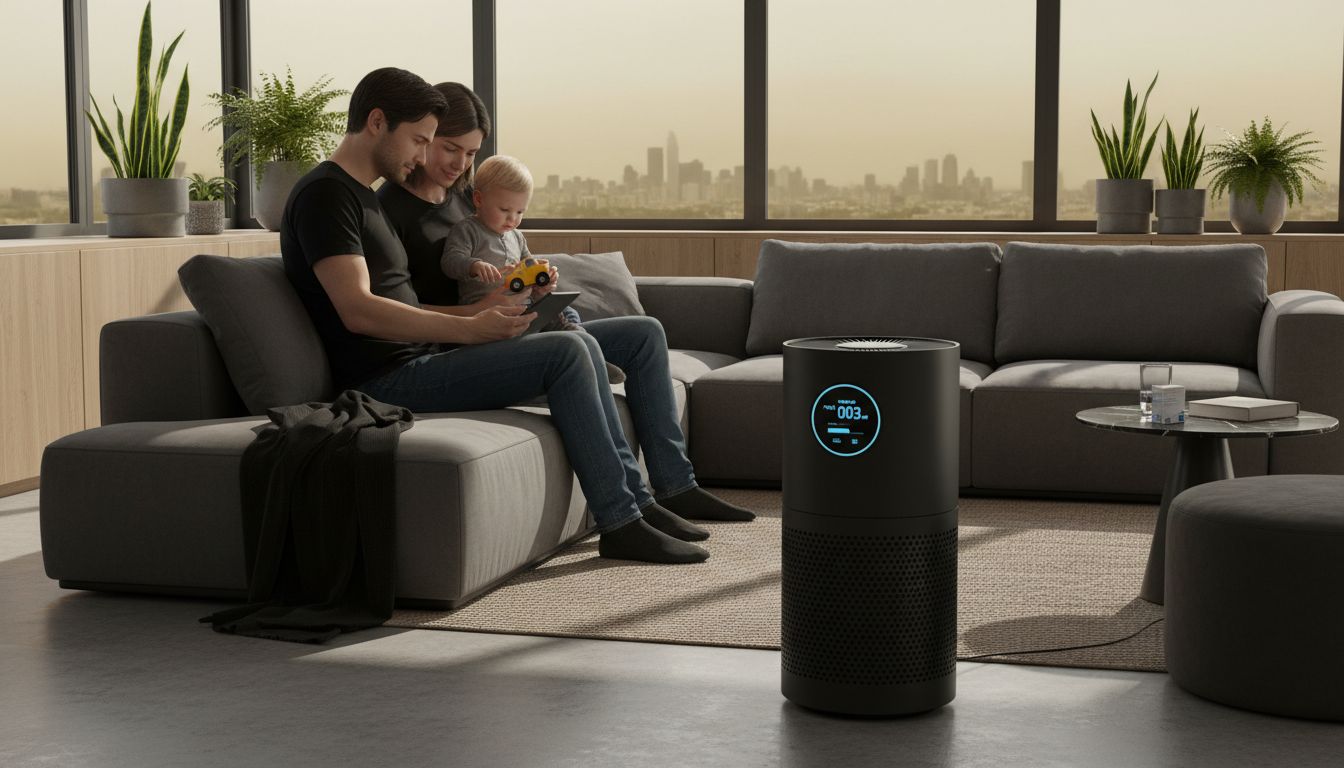
More than 90 percent of people spend most of their time indoors, where air quality often escapes attention. Many believe that any air purifier will instantly clear the air, but the science behind these devices is far more complex. With a wave of different technologies, myths, and performance claims, finding the right air purifier depends on understanding what really works. This guide cuts through confusion and reveals what matters for cleaner, healthier air at home.
Table of Contents
- Defining Air Purifier Technologies And Myths
- Types Of Air Filtration Systems Explained
- How Core Air Purification Methods Work
- Comparing Technologies For Different Needs
- Cost, Maintenance, And Usage Considerations
Key Takeaways
| Point | Details |
|---|---|
| Understanding Technologies | Different air purifier technologies target specific pollutants, making it essential to select a system that suits individual air quality needs. |
| Myths vs. Reality | Common misconceptions about air purifiers often lead to overestimating their effectiveness; consistent usage and proper maintenance are crucial for optimal performance. |
| Cost Considerations | Evaluating the total cost of ownership, including purchase price and ongoing maintenance, is vital for informed decision-making. |
| Environmental Specificity | Tailoring air purification technology to specific pollutants and environmental challenges can significantly enhance air quality outcomes. |
Defining Air Purifier Technologies and Myths
Air purifier technologies represent sophisticated systems designed to improve indoor air quality by removing pollutants, allergens, and harmful particulates from the environment. Contrary to popular belief, not all air purifiers function identically, and understanding their underlying technologies is crucial for making informed purchasing decisions.
According to LiveScience, several persistent myths surround air purification technologies that can mislead consumers. One common misconception is that all air purifiers are equally effective against all types of pollutants. In reality, different technologies target specific contaminants with varying levels of efficiency:
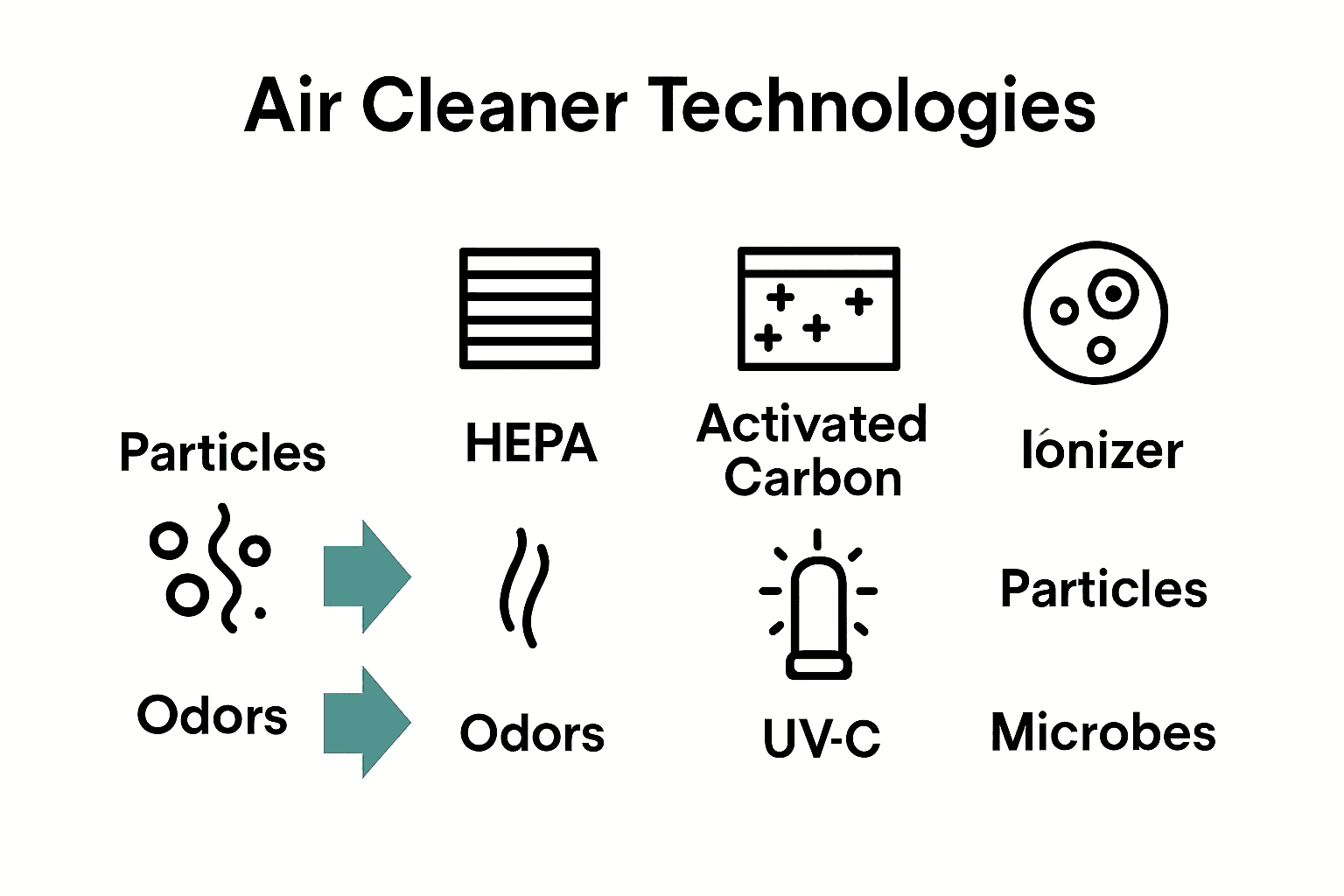
- HEPA Filters: Capture microscopic particles as small as 0.3 microns
- Activated Carbon Filters: Absorb odors and gaseous pollutants
- UV-C Light: Neutralizes bacterial and viral microorganisms
- Ionization Technologies: Charge particles to encourage precipitation from air
Research from SpringerLink highlights another critical insight: consumer perception often diverges significantly from actual technological capabilities. Many individuals overestimate the instant transformative power of air purifiers, expecting immediate and complete environmental sanitization.
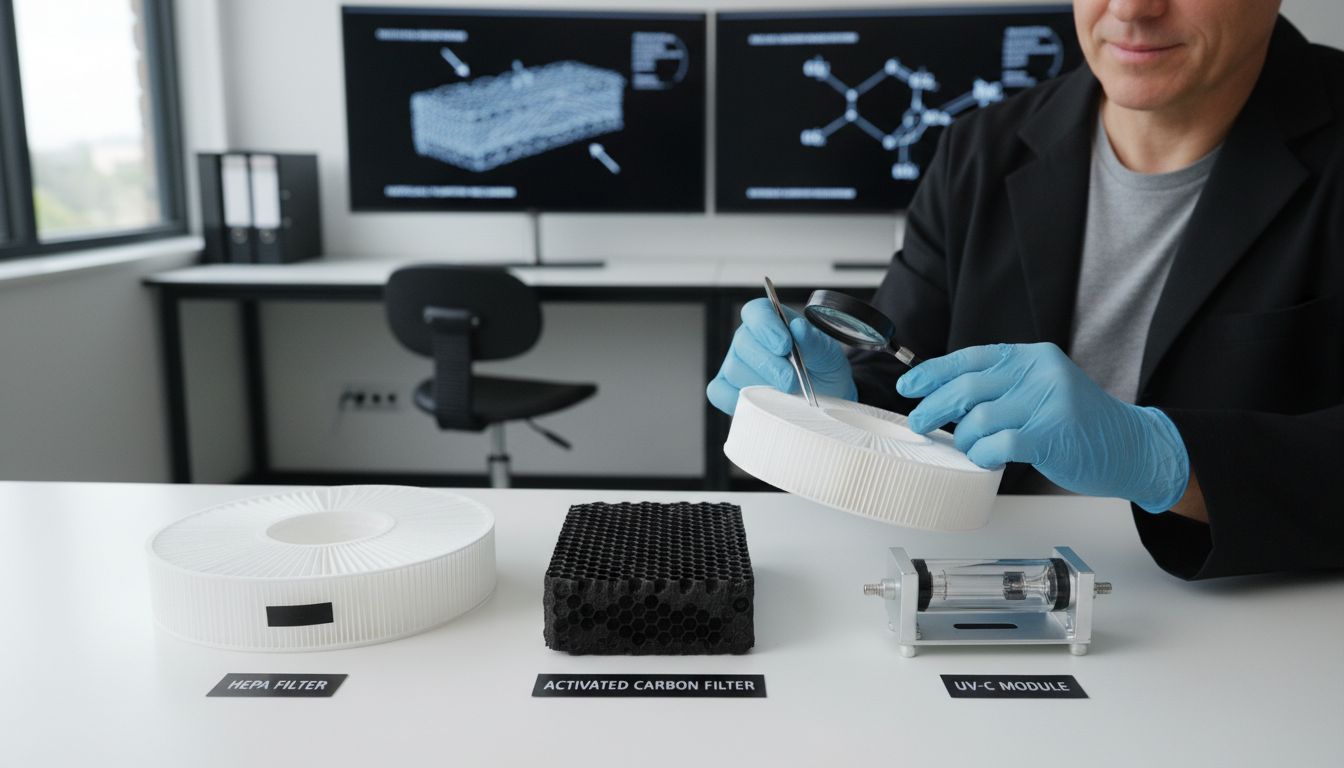 The truth is more nuanced. Effective air purification requires consistent operation, proper maintenance, and understanding of specific technological limitations.
Understanding these technologies empowers consumers to select air purification solutions tailored to their specific environmental needs. Whether combating allergies, reducing airborne pathogens, or mitigating urban pollution impacts, choosing the right air purifier demands careful consideration of its underlying technological approach.
Types of Air Filtration Systems Explained
Air filtration systems represent sophisticated technologies designed to purify indoor environments by removing various contaminants, allergens, and particulate matter. These systems employ diverse mechanisms to effectively clean and improve air quality, with each technology offering unique advantages and targeted performance capabilities.
According to Wikipedia, mechanical filtration represents a fundamental approach to air purification. These filters operate by physically trapping particles through intricate screening processes, utilizing materials engineered to capture microscopic contaminants. The primary filtration mechanisms include:
- Mechanical Screening: Physically blocking particles based on size
- Electrostatic Attraction: Capturing charged particles through electromagnetic principles
- Depth Filtration: Trapping contaminants within multi-layered filter media
- Surface Filtration: Preventing particles from passing through dense membrane layers
Research from Wikipedia further illuminates the diversity of filtration technologies. Different filter types target specific pollutant categories, ranging from large dust particles to microscopic allergens and gaseous compounds. Advanced filtration systems now integrate multiple technologies to provide comprehensive air cleaning solutions:
- Mechanical HEPA Filters: Capture 99.97% of particles 0.3 microns and larger
- Activated Carbon Filters: Absorb odors and chemical vapors
- Ionization Filters: Electrically charge particles for easier removal
- UV-C Light Filters: Neutralize biological contaminants
Understanding these nuanced filtration technologies empowers consumers to select air purification systems tailored to their specific environmental challenges. Whether addressing allergen reduction, eliminating odors, or mitigating airborne pathogens, choosing the right filtration approach requires careful consideration of individual needs and technological capabilities.
How Core Air Purification Methods Work
Air purification technologies represent complex systems designed to remove, neutralize, and transform airborne contaminants through sophisticated scientific mechanisms. These methods go far beyond simple filtering, employing advanced techniques that actively interact with pollutants at molecular and particulate levels.
According to Wikipedia, immobilized cell technology offers an innovative approach to air purification. This method utilizes bio-reactive masses that enzymatically transform airborne particulates, rendering potentially harmful substances inert through biological processes. The core mechanisms of air purification can be categorized into several fundamental approaches:
- Mechanical Filtration: Physical removal of particles through dense filter media
- Chemical Neutralization: Breaking down molecular structures of contaminants
- Electrostatic Precipitation: Charging and removing airborne particles
- Biological Transformation: Enzymatic conversion of pollutants
Research from Wikipedia highlights emerging technologies like nanofiber filtration, which represents a cutting-edge solution in air purification. These microscopic fiber networks can capture incredibly small particles, including volatile organic compounds, with unprecedented efficiency. The advanced filtration mechanisms include:
- Particle Interception: Trapping contaminants within nanoscale fiber networks
- Diffusion Capture: Intercepting microscopic particles through complex fiber interactions
- Electrostatic Attraction: Utilizing electromagnetic principles to enhance particle removal
- Surface Interaction: Neutralizing pollutants through advanced material technologies
Understanding these intricate purification methods empowers consumers to appreciate the scientific complexity behind clean air technologies. Understanding How Air Purifiers Work for Healthier Homes provides deeper insights into the transformative potential of modern air purification systems, revealing how advanced technologies can dramatically improve indoor environmental quality.
Comparing Technologies for Different Needs
Air purification technologies are not one-size-fits-all solutions. Different environments, pollutant types, and individual health requirements demand specialized approaches that address unique air quality challenges. Understanding the nuanced performance of various filtration technologies becomes critical for selecting the most appropriate system.
Research from ArXiv showcases groundbreaking advancements in air filtration, particularly highlighting self-cleaning filtration systems that leverage innovative materials like graphene-enhanced ceramic networks. These advanced technologies offer significant improvements over conventional filters by providing enhanced performance and reduced maintenance requirements. Key considerations for technology selection include:
- Particle Size Removal: Targeting specific contaminant dimensions
- Maintenance Requirements: Evaluating long-term operational complexity
- Environmental Adaptation: Matching technology to specific pollution challenges
- Energy Efficiency: Analyzing power consumption and operational costs
According to ArXiv, specialized filtration technologies demonstrate remarkable variations in performance under extreme conditions, such as wildfire smoke scenarios. Comparative studies reveal critical insights into filter effectiveness:
- Charged Polymer Media: Superior performance in capturing fine particulate matter
- Mechanical Media: More consistent filtration across diverse pollutant types
- Hybrid Systems: Combining multiple technological approaches
- Advanced Material Filters: Utilizing nanotechnology for enhanced capture
For those seeking tailored air purification solutions, Understanding Indoor Pollutants and Air Purifiers provides comprehensive guidance on matching specific technologies to individual environmental needs, ensuring optimal air quality and health protection.
Cost, Maintenance, and Usage Considerations
Air purification systems represent significant investments that extend far beyond initial purchase prices. Consumers must carefully evaluate long-term operational expenses, maintenance requirements, and performance sustainability to make informed decisions that align with their budget and air quality needs.
According to Wikipedia, mechanical filter systems involve critical considerations regarding filter lifespan and replacement costs. The total cost of ownership encompasses multiple factors that dramatically impact long-term financial commitments:
- Initial Purchase Price: Upfront investment in air purification technology
- Filter Replacement Frequency: Recurring expenses for maintaining optimal performance
- Energy Consumption: Ongoing electricity costs during operational periods
- Maintenance Complexity: Time and professional service requirements
Research from Wikipedia highlights the importance of understanding usage-specific maintenance requirements. Different environments demand tailored approaches to air purification, with maintenance strategies varying significantly based on specific operational contexts. Key usage considerations include:
- Indoor Environment Characteristics: Pollution levels and air quality
- Filtration Technology Type: Specific maintenance protocols for each system
- Usage Intensity: Operational hours and environmental stress factors
- Replacement Part Availability: Ease of obtaining necessary components
Understanding Indoor Pollutants and Air Purifiers offers comprehensive guidance for navigating these complex considerations, helping consumers make informed decisions that balance performance, efficiency, and long-term value.
Discover the Right Air Purifier Technology for Your Home
Understanding the complexity of air purifier technologies can feel overwhelming when you want to protect your family from allergens, odors, and harmful pollutants. This guide highlights challenges like identifying the best filtration method—whether HEPA, activated carbon, or UV-C light—and maintaining your system effectively for lasting health benefits. If you are ready to take control of your indoor air quality, you don’t have to navigate these choices alone.
Choose from expertly designed Coway air purifiers that incorporate advanced filtration technologies tailored to your needs. Experience real results with products backed by scientific research and health standards. Learn more about what makes these technologies work in your environment by visiting our Uncategorized Archives – Coway Water Purifier.
Start improving your air quality today with solutions designed for safety, efficiency, and your wellbeing. Explore our full range of air purifiers at Coway Water Purifier, and take the first step toward cleaner air and a healthier home. Don’t wait to breathe better—discover your perfect purifier now.
Frequently Asked Questions
What are the different types of air purifier technologies?
Air purifiers use various technologies, including HEPA filters for capturing fine particles, activated carbon filters for absorbing odors, UV-C light for neutralizing microorganisms, and ionization technologies that charge particles to encourage their removal from the air.
How effective are HEPA filters in removing airborne pollutants?
HEPA filters are highly effective, capturing 99.97% of particles as small as 0.3 microns. This includes dust, pollen, pet dander, and other common allergens, making them a popular choice for improving indoor air quality.
How often should I replace air purifier filters?
The frequency of filter replacement varies by model and usage. Typically, HEPA filters should be replaced every 6 to 12 months, while activated carbon filters may need replacement more frequently if used in high-odor environments. Always follow the manufacturer’s guidelines for optimal performance.
Can air purifiers eliminate odors and chemical vapors?
Yes, many air purifiers equipped with activated carbon filters can effectively eliminate odors and gas pollutants by absorbing volatile organic compounds (VOCs) and other chemical vapors, improving overall air quality and comfort.
Recommended
- Understanding How Air Purifiers Work for Healthier Homes – Coway Water Purifier
- What is a HEPA Filter? Understanding Its Importance – Coway Water Purifier
- Understanding Indoor Pollutants and Air Purifiers – Coway Water Purifier
- Why Filter Indoor Air: Complete Homeowner Guide – Coway Water Purifier
